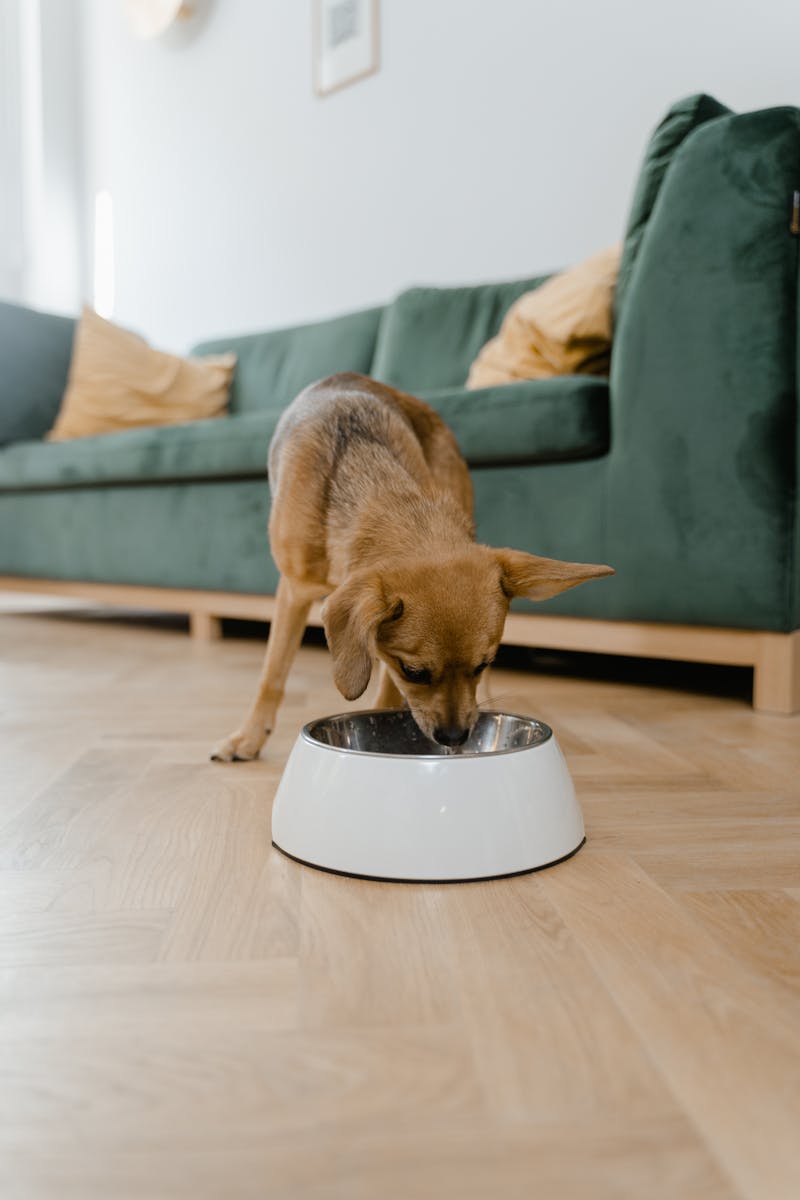
If you’re weighing the pros and cons of using an elevated feeder vs floor bowl for your dog, the best choice depends on your dog’s unique needs, age, size, and eating habits. Elevated dog bowls—raised off the ground by a stand or platform—may benefit some pets by reducing neck strain and keeping feeding areas tidy. Floor bowls, on the other hand, are a classic, simple option that works well for most dogs and fits easily into any home setup. This guide breaks down the differences, key considerations, and practical tips to help you confidently choose what’s right for your dog.
Understanding Elevated Feeders and Floor Bowls
Both elevated feeders and floor bowls serve the same basic purpose: to provide a place for your dog to eat and drink. However, they present food at different heights, which can impact your dog’s comfort and eating posture. Understanding these differences will help you select the most appropriate feeding solution for your home and lifestyle.
What Are Elevated Feeders?
Elevated feeders, or raised dog bowls, are feeding platforms that hold your dog’s food and water bowls several inches off the ground. These feeders come in various heights and styles, usually consisting of a stand and removable bowls made from stainless steel, ceramic, or plastic. Some designs offer storage for kibble underneath, while others have a sleek, minimalist frame.
What Are Floor Bowls?
Floor bowls are the standard dog food and water bowls that rest directly on the ground. They are widely available in many materials, sizes, and shapes. Their simplicity and accessibility make them the most common choice for pet owners and easy to clean, move, or replace as needed.
Elevated Feeder vs Floor Bowl: Key Differences
| Feature | Elevated Feeder | Floor Bowl |
|---|---|---|
| Bowl Height | Raised above ground; adjustable height options | Sits flush on the floor |
| Posture | Dog eats with neck and head level or slightly down | Dog bends neck fully to reach down |
| Spill Containment | Often includes a platform/lip to catch spills | May cause more mess on floors without a mat |
| Varying Sizes | Comes in several heights | Available in many diameters/depths |
| Storage | Some include built-in food storage | Usually no storage capability |
| Portability | Bulkier, less portable | Lightweight and easy to move |
Raised Dog Bowl Pros and Cons
Pros of Elevated Dog Bowls
- Less Strain on Joints and Neck: Beneficial for large breeds, senior dogs, or those with arthritis/orthopedic issues, since they don’t need to bend low to eat.
- Cleaner Feeding Area: Spills may be better contained; less food and water tracked onto floors.
- More Comfortable Posture: Some dogs, especially tall or deep-chested breeds, eat more comfortably at a height.
- Easier Access: Helpful for dogs recovering from injury or mobility issues, providing less effort to access bowls.
- Added Features: Some feeders include storage compartments, non-skid bases, or are designed to be chew-resistant.
Cons of Elevated Dog Bowls
- Potential Health Risks for Some Breeds: For certain breeds, eating from a raised bowl has been associated with increased risk of gastric dilatation-volvulus (GDV or “bloat”). Many experts recommend sticking with floor bowls for breeds prone to this condition unless advised otherwise by a professional.
- Higher Cost: Elevated feeders are generally more expensive than basic floor bowls.
- Less Portable and Bulky: Elevated feeders take up more space and may be less suitable for small apartments, although compact models exist. See feeding station ideas for tips on space-saving solutions.
- Requires Sizing: It’s important to choose the correct height for your dog; too high or too low may cause discomfort.
- Can Be Tipped Over: Some lightweight raised feeders may move or tip if your dog is enthusiastic or a strong eater.
Should Dogs Eat from Raised Bowls?
There’s no one-size-fits-all answer to “should dogs eat from raised bowl” setups. The decision depends on your dog’s breed, age, health, and eating style, as well as your available space and preferences. Here’s a practical breakdown:
- Large or Giant Breeds: Elevated feeders may help minimize neck and joint strain.
- Dogs with Arthritis, Neck, or Back Problems: Feeding at an appropriate height can improve comfort and accessibility.
- Messy Eaters and Water Splashers: Raised bowls can help contain food and water, keeping nearby floors cleaner.
- Puppies and Small Breeds: Generally do very well with floor bowls. As your puppy grows, periodically check bowl height. Our Puppy Essentials Checklist by Age includes feeding gear size tips.
- Flat-faced Breeds (e.g. Bulldogs, Pugs): May find shallow, wide floor bowls easier to eat from, regardless of height.
- Bloat-Prone Breeds (e.g. Great Danes, Boxers): Consult a veterinary professional. Some studies suggest an increased GDV risk with raised bowls—but other factors (eating quickly, genetics, stress) also play roles. For dogs at risk, slow-feeder or puzzle bowls may be helpful; see our guide on best puzzle feeders.
Elevated Dog Bowl Benefits: Who Actually Gains?
Raised dog bowls potentially offer real-world benefits for specific categories of dogs. Here are the situations and dog types most likely to gain comfort or practical advantages from elevated feeders:
- Senior Dogs: Older dogs often develop joint stiffness or arthritis. Elevating the bowl reduces the distance they have to reach, which eases discomfort. For tailored product advice, check our guide to elevated feeders for senior dogs.
- Dogs Recovering from Surgery: Dogs with recent surgeries—especially spinal, neck, or limb—may benefit from more accessible feeding height during recovery (as directed by a veterinary professional).
- Tall, Deep-Chested Breeds: Breeds like Greyhounds, Borzois, and Great Danes might favor a bowl at chest height for comfortable feeding.
- Owners with Limited Mobility: For caregivers who have trouble bending down, elevated feeders simplify the process of refilling and cleaning bowls.
The majority of dogs, especially small breeds and young, healthy dogs, are well suited to floor bowls. Elevated bowls are most useful where comfort, medical needs, or feeding area management call for them.
Practical Sizing Guide for Raised Feeders and Floor Bowls
Proper sizing is crucial for your dog’s comfort and safety, especially with raised feeders. Here’s a quick reference for choosing bowl heights based on dog size:
| Dog Size | Average Shoulder Height | Floor Bowl | Suggested Raised Feeder Height |
|---|---|---|---|
| Small Breeds (e.g. Dachshund, Chihuahua) | 8–12 inches | Resting bowl on floor | 2–4 inches |
| Medium Breeds (e.g. Beagle, Cocker Spaniel) | 13–18 inches | Resting bowl on floor | 5–7 inches |
| Large Breeds (e.g. Labrador, Golden Retriever) | 19–24 inches | Resting bowl on floor | 8–12 inches |
| Giant Breeds (e.g. Great Dane, Mastiff) | 25+ inches | Resting bowl on floor | 12–18 inches |
How to measure: Have your dog stand upright. Measure from the floor to the bottom of your dog’s chest (not the top of their shoulders). The bowl rim should sit just below that point—allowing the dog to eat comfortably without stretching up or crouching down.
Bowl Size and Material
Regardless of feeder height:
- Choose bowls wide enough for your dog’s snout and deep enough to hold their usual meal portion.
- Stainless steel and ceramic are best for durability and easy cleaning. Avoid cheap plastics for long-term use.
- Non-skid bases help prevent sliding and spills, especially with floor bowls on slick surfaces.
Practical Tips: Choosing Between an Elevated Feeder vs Floor Bowl
Questions to Ask Yourself
- Is my dog a senior, large breed, or do they suffer from joint or neck issues?
- Is my dog unusually messy or a “sloppy drinker”?
- Does my dog eat quickly or is at risk for bloat?
- Do I have space constraints (small apartment or tidy corner) or do I need a compact solution? See our guide on gear for apartment living and feeding station setups.
- Would I benefit from built-in storage under the feeder?
- Do I need to clean bowls frequently, and will a heavier feeder make this more inconvenient?
Considerations for Puppies and Growing Dogs
Puppies do not usually need elevated feeders unless specifically advised for medical reasons. Floor bowls are simple, easy to clean, and low to the ground so puppies can reach them comfortably. As puppies grow, you may need to upsize their bowl. Refer to our puppy gear checklist for help tracking size adjustments.
Setups for Small Spaces
Floor bowls fit almost anywhere, but elevated feeders can be found in compact designs that suit small apartments—some incorporate storage or have folding legs. Use mats under any type of feeder to protect floors and ease cleaning. For creative ideas to maximize efficiency and minimize mess, check out our feeding station guide.
How Feeding Position Relates to Other Dog Gear
Feeding position is just one piece of healthy dog eating habits. Dogs who are anxious or gulp their food might benefit more from puzzle feeders or lick mats, which aim to slow down eating and mentally engage your pet. Explore our guides on best puzzle feeders for bored dogs and top lick mats for anxious dogs for guidance if rapid eating or anxiety are concerns in your household.
Summary Table: Which Dogs Benefit Most from Each Style?
| Dog Type/Situation | Prefer Floor Bowl? | Prefer Elevated Feeder? |
|---|---|---|
| Small/Medium Dogs | ✓ | |
| Puppies | ✓ | |
| Senior Dogs | ✓ | |
| Large/Giant Breeds | ✓ (unless bloat-prone; seek advice) | |
| Messy Eaters/Water Splashers | ✓ | |
| Bloat-Prone Breeds | ✓ | (Only if instructed) |
| Flat-Faced Breeds | ✓ (in wide, shallow bowls) | |
| Dogs with Mobility Issues | ✓ |
Care, Cleaning, and Maintenance
- Wash food and water bowls daily—no matter the type—to prevent bacteria buildup.
- Check for wear and tear regularly, especially for plastic parts or rubber feet.
- For elevated feeders, periodically check that screws and joints remain tight and the feeder stands stable.
- Replace damaged bowls or stands promptly to ensure your dog’s comfort and safety.
Which Option Is Best for Your Dog?
Deciding whether to use an elevated feeder vs floor bowl isn’t about one being universally “better” than the other. Most standard, healthy dogs do very well with floor bowls, especially small to medium breeds and puppies. Raised dog bowls are a practical choice for senior dogs, very large/tall breeds, or those with special mobility needs—provided there’s no increased medical risk. Consider your dog’s physical comfort, eating style, any health recommendations, your home’s space, and your willingness to maintain/clean the gear you choose. Whichever bowl you use, pair it with safe materials, the right sizing, and regular cleaning for the healthiest eating setup possible.
Frequently Asked Questions
Should all dogs use elevated feeders?
No, not all dogs need elevated feeders. Most small and medium breeds, puppies, and healthy adults do well with floor bowls. Elevated feeders may help large breeds, seniors, or dogs with mobility issues, but are not necessary for every dog.
Can raised bowls help dogs with arthritis?
Yes, raised bowls can make eating more comfortable for dogs with arthritis or joint pain by reducing how much they need to bend their neck or legs. Make sure to choose a feeder that matches your dog's chest height for best results.
Are elevated dog bowls safe for bloat-prone dogs?
Some studies suggest that elevated dog bowls may increase the risk of bloat (GDV) in susceptible breeds, but other factors are also involved. If your dog is bloat-prone, talk to a professional before switching to a raised feeder, and consider slow-feeder or puzzle bowls as another option.
How do I choose the right height for an elevated feeder?
Measure your dog's height from the ground to the bottom of the chest, then select a feeder so the bowl rim is just below that level. Your dog should eat without craning their head low or stretching up to reach the bowl.
Which bowl material is best for dogs?
Stainless steel or ceramic bowls are best—they are durable, easy to clean, and less likely to harbor bacteria. Avoid plastic bowls for long-term use, as they can scratch and accumulate germs.
Can floor bowls cause problems for large or senior dogs?
Some large or senior dogs may experience neck or joint discomfort bending to floor level, especially if they have mobility issues. In these cases, the right height elevated feeder may make eating easier and more comfortable.