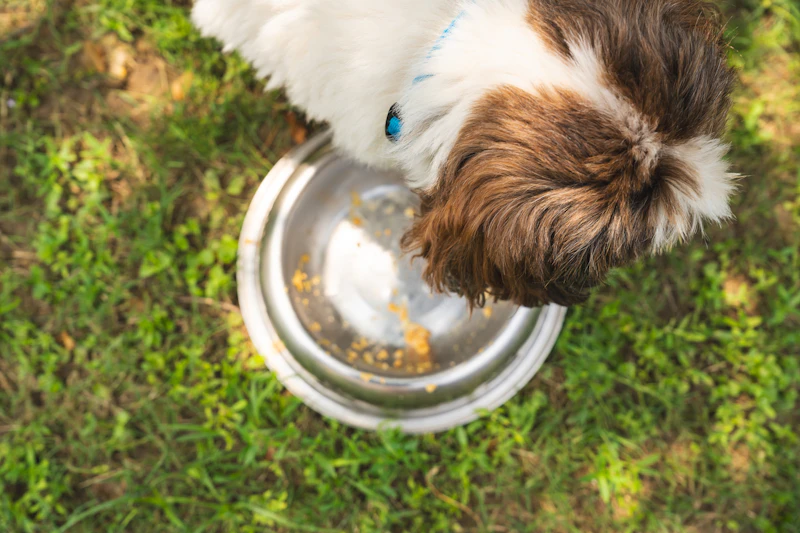
If your dog seems bored, anxious, or eats too quickly, introducing a puzzle feeder can help keep them mentally stimulated and slow down mealtime. The best puzzle feeder for dogs offers mental enrichment, prolongs eating, and gives your dog a safe, rewarding challenge—making mealtimes more engaging and reducing unwanted behaviors like destructive chewing or barking due to boredom. In this article, you’ll learn how to choose the right dog puzzle toy, important features to look for, and practical tips on getting started with brain games for dogs to keep your canine companion happy and healthy.
Why Consider a Puzzle Feeder for Your Dog?
A puzzle feeder, also called an interactive dog feeder, transforms routine feeding into an exciting, mentally stimulating activity. Rather than gulping down their meal, dogs must figure out how to access their food little by little, which engages their brains and offers a satisfying challenge. This style of feeding serves several purposes:
- Mental Stimulation: Solving puzzles taps into your dog’s natural problem-solving instincts.
- Slower Eating: Reduces the risk of bloat or digestive issues from eating too quickly.
- Reduced Boredom and Anxiety: Alleviates restlessness, especially for dogs left alone or in smaller living spaces.
- Behavior Management: Redirects energy away from destructive habits and excess barking.
Interactive feeders are especially helpful for highly intelligent, high-energy dogs and those prone to separation anxiety. For apartment dwellers and busy households, they also offer a simple, space-saving solution—learn more in our article on Best Dog Gear for Apartment Living.
Key Features to Look for in the Best Puzzle Feeder for Dogs
Not all dog puzzle toys are created equal. The right feeder depends on your dog’s personality, size, and eating habits. Here’s what to consider:
1. Challenge Level
- Easy: Simple designs with open wells or sliding lids are good for beginners, puppies, and senior dogs.
- Intermediate: Require more steps, such as spinning discs or flipping compartments, for dogs who have mastered basic puzzles.
- Advanced: Complex, multi-move designs with levers, rotating parts, or sequential steps keep clever dogs engaged.
Start with an easy level if your dog is new to brain games, and increase the difficulty as they develop confidence and skill.
2. Size and Capacity
- Size Match: The puzzle should be appropriately sized to your dog’s breed—large enough so they don’t get frustrated, but not so big that it’s overwhelming.
- Meal Fit: Some puzzle feeders hold a full meal; others work best for snacks or kibble. If you use it as your main feeding tool, ensure the capacity matches your typical serving size.
- Portability: Compact feeders work well for small apartments—see Feeding Station Ideas for Small Apartments for more setup tips.
3. Material and Durability
- Safe Materials: Choose BPA-free plastic, food-grade silicone, or natural rubber for safety.
- Sturdiness: The feeder should hold up to pawing and chewing—opt for thick, non-toxic materials for persistent chewers.
- Ease of Cleaning: Removable parts and dishwasher-safe construction simplify maintenance.
4. Anti-Slip Base
Many dogs get excited and push puzzle feeders around. An anti-slip or weighted base keeps the feeder stable and minimizes mess, especially on hard floors.
5. Noise Level
Plastic toys can be noisy when nudged across tile or hardwood; rubber or silicone bases dampen the sound, which can be important for anxious or noise-sensitive dogs.
6. Safety Considerations
- No tiny removable pieces that can become choking hazards.
- Smooth, rounded edges without sharp points or seams that could injure a dog’s mouth.
- Supervise play until you’re confident your dog won’t chew off pieces or swallow parts.
Types of Dog Puzzle Toys and Feeders
The best puzzle feeder for dogs comes in a variety of styles. Here are the most popular types:
| Puzzle Feeder Type | Description | Best For |
|---|---|---|
| Slow-Feed Bowls | Mazes or ridges slow eating; easy to use and clean. | Fast eaters, puppies, dogs with basic needs |
| Treat-Dispensing Balls | Hollow balls release kibble or treats as they roll. | Active, playful dogs needing physical exercise |
| Slider Puzzles | Dogs move sliders or blocks to reveal hidden food compartments. | Problem-solvers, scent-driven breeds |
| Flip Boards & Spinners | Require pawing/flipping open lids or spinning layers to access food. | Dogs who enjoy interactive problem-solving |
| Lick Mats | Shallow grooves for spreading soft food; calms anxious dogs. | Dogs with anxiety, senior dogs. See Best Lick Mats for Anxious Dogs |
| Multi-Step Puzzles | Involve complex, sequential actions to release food. | Highly intelligent, experienced dogs |
Matching Puzzle Feeders to Your Dog’s Needs
For Puppies
Puppies benefit from simple puzzles with wide openings for easy paw and nose access. Look for gentle materials, non-slip bases, and smaller sizes. Refer to our Puppy Essentials Checklist by Age for more tips on age-appropriate gear.
- Easy, shallow slow-feed bowls or basic treat balls
- Supervised play to prevent chewing off small pieces
- Colorful, textured surfaces to engage senses
For Adult Dogs
Most healthy adult dogs can handle intermediate-level challenges. Try flip boards, slider puzzles, or more complex treat-dispensing balls. If your dog already enjoys puzzles, upgrade to multi-step options to keep their brain engaged.
For Seniors
Older dogs may benefit from larger, easy-access puzzles that don’t require much force or dexterity. Soft rubber or silicone is gentle on sensitive mouths. Consider slow-feed bowls or lick mats—see our list of Best Elevated Feeders for Senior Dogs for more comfortable options.
For Small or Large Breeds
- Small Breeds: Choose compact, shallow feeders with accessible openings. Avoid overly large or heavy toys.
- Large Breeds: Opt for sturdy, big puzzle feeders with wide compartments to fit a full meal and accommodate large snouts or paws.
How to Introduce a Puzzle Feeder: Step-By-Step Guide
Switching from a standard bowl to a puzzle feeder is easy with the right approach:
- Start Slow: For the first try, load the feeder with a few pieces of kibble or treats. Show your dog how to interact with it, using encouragement and praise.
- Supervise: Stay nearby so you can assist or reset the puzzle if needed. Correct chewing if it’s not intended, and watch for signs of frustration.
- Increase Challenge: Once your dog solves easy puzzles, gradually offer more complex brain games for dogs.
- Use for Regular Meals: Substitute the puzzle feeder in place of a regular bowl, or rotate several interactive dog feeders to keep things interesting.
- Keep it Positive: Make it a fun, stress-free routine so your dog looks forward to mealtime brain workouts.
Signs Your Dog Is the Right Candidate for a Puzzle Feeder
A puzzle feeder isn’t only for “problem” dogs—most dogs benefit from extra brain games and enrichment. Still, certain behaviors or situations highlight a strong need:
- Fast Eating: If your dog finishes their meal in seconds, a puzzle slows them down.
- Boredom or Anxiety: Signs include pacing, chewing on furniture, barking, or digging.
- Destructive Behavior: Redirects chewing and energy toward positive activity.
- Weight Management: Slower feeding gives “fullness” signals a chance to reach the brain, curbing overeating.
- Separation Anxiety: Offers engagement and comfort when you leave home.
For anxious dogs, alternative brain games like lick mats can have a calming effect—check out our recommendations at Best Lick Mats for Anxious Dogs.
Practical Tips for Choosing the Best Puzzle Feeder
Here’s a quick checklist to ensure you select the most suitable interactive dog feeder:
- Match the challenge level to your dog’s experience and personality.
- Choose a feeder size and capacity based on your dog’s breed and meal needs.
- Select materials and construction that withstand your dog’s chewing tendencies.
- Ensure the feeder is safe, with no small or sharp parts.
- Look for stability features like non-slip bases for energetic eaters.
- Confirm it’s easy to clean, especially if using wet or raw food.
- Rotate different puzzle toys to maintain novelty and interest.
Common Challenges and Troubleshooting
- Dog Loses Interest: Start with smelly, high-value treats, then transition to kibble as they gain confidence. If a feeder is too challenging, try an easier model first.
- Dog Tries to Chew: Redirect to pawing or nudging. Remove the feeder if chewing persists, and select more durable, chew-resistant styles.
- Dog Gets Frustrated: Guide them through the steps, reward small progress, and break down complex puzzles into simpler tasks.
- Mess or Spills: Use a mat, towel, or place puzzles in a designated feeding area to contain mess. For space-saving ideas, see Feeding Station Ideas for Small Apartments.
How Puzzle Feeders Compare to Other Enrichment Options
Puzzle feeders are just one category of brain games for dogs. Here’s how they differ from other enrichment options:
- Puzzle Feeders: Engage both mind and body during mealtime, control eating speed, and encourage problem-solving.
- Lick Mats: Designed to soothe and relax, best for anxious or senior dogs using soft foods.
- Interactive Toys: Non-food-based toys like tug ropes, treat-stuffable plush, or fetch games can complement mealtime puzzles.
- Training Games: Hide-and-seek, scent games, and trick training add variety but require your participation.
Combining these options keeps your dog’s daily routine varied and fulfilling.
Summary Table: Puzzle Feeder Sizing Guide
| Dog Weight | Recommended Feeder Size | Capacity Range |
|---|---|---|
| <10 lbs (Toy breeds) | Small | Up to 1 cup |
| 10-25 lbs (Small breeds) | Small/Medium | 1-2 cups |
| 25-60 lbs (Medium breeds) | Medium/Large | 2-4 cups |
| 60+ lbs (Large/giant breeds) | Large/XL | 4+ cups |
Always check the feeder’s product specifications and test with your dog’s typical meal amount.
Maintaining Success: Keep Mealtimes Fun
- Rotate 2-3 different puzzles to prevent boredom.
- Clean feeders regularly to avoid bacteria buildup.
- Praise and reward your dog’s efforts, especially with new puzzles.
- If your dog relies on a specific diet (soft food, raw, etc.), select puzzles compatible with their food texture.
Puzzle feeders turn eating into a mentally rich activity that’s especially rewarding for dogs in apartments or with limited outdoor space. For more ways to support healthy, enriching routines indoors, visit our article on Best Dog Gear for Apartment Living.
Frequently Asked Questions
How do I know which difficulty level is right for my dog?
Start with a simple puzzle feeder if your dog is new to brain games, especially for puppies or seniors. If your dog breezes through easy puzzles, add intermediate or advanced options. Watch for signs of frustration or boredom and adjust as needed to keep your dog challenged but not overwhelmed.
Can puzzle feeders be used for wet or raw food?
Some puzzle feeders are designed for dry kibble, while others (like lick mats or certain silicone puzzles) work with wet or raw food. Always check the material and cleaning instructions. Silicone and rubber models are usually best for non-dry diets.
How often should I use a puzzle feeder?
You can use a puzzle feeder for every meal or rotate it a few times a week for variety. For best results, switch between 2-3 different puzzles and occasional hand feeding or training games to keep your dog engaged.
Do puzzle feeders really help with dog anxiety?
Puzzle feeders can help reduce boredom and mild anxiety by keeping your dog focused and busy. For dogs with stronger anxiety, especially around separation, pairing a puzzle feeder with calming routines or lick mats can be especially soothing.
Are puzzle feeders safe for all dogs?
Most dogs can safely enjoy puzzle feeders when supervised, but aggressive chewers or dogs prone to swallowing parts need closely monitored, durable options. Always choose non-toxic materials and check for damage before each use.
What if my dog ignores the puzzle feeder?
Try loading it with especially aromatic treats or a portion of your dog's favorite food. Show enthusiasm and play with the feeder alongside your dog at first. If they’re still uninterested, choose a simpler toy or a different type of brain game.