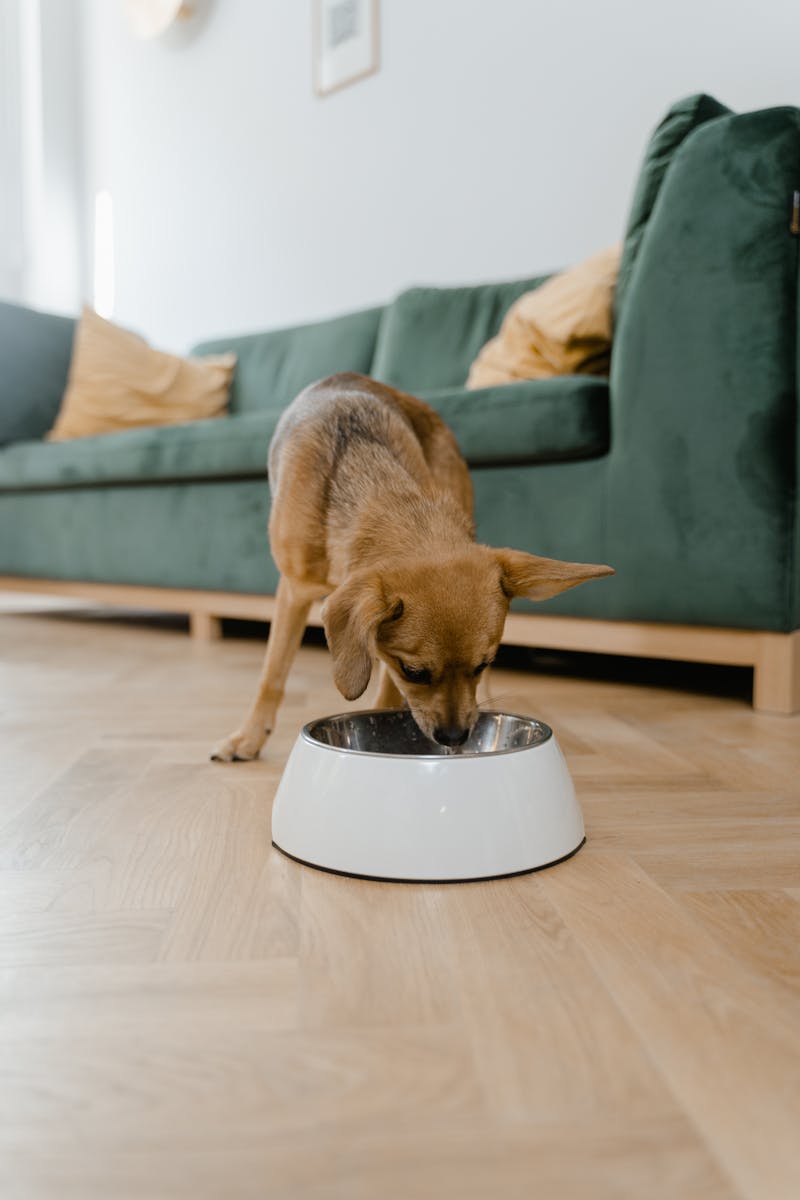
Searching for the best slow feeder for small dogs? The quick takeaway: A well-chosen small dog slow feeder bowl can help your petite pup eat at a healthy pace, aid digestion, and prevent gulping-related issues. Choose a bowl specifically sized for your dog's breed and snout, with features such as easy-to-clean materials, suitable maze designs, and anti-skid bases. Whether you have a Pomeranian, Dachshund, or Chihuahua, there's a slow feed dog bowl small enough to match their needs and keep mealtimes fun and safe.
Why Small Dogs Need Slow Feeders
Eating too quickly is a common problem for dogs of all sizes, but small breeds are especially prone to gulping down their food. This can lead to issues like choking, vomiting, digestive discomfort, and, in rare cases, aspiration or bloat. An anti-gulp bowl for small dogs is designed to challenge your dog's eating habits, forcing them to slow down and better enjoy their meals.
- Promotes Better Digestion: Slower eating helps prevent large amounts of air being swallowed, reducing gas and regurgitation.
- Weight Management: Smaller dogs feel fuller faster when they eat slowly, helping with portion control and weight maintenance.
- Reduces Mealtime Stress: Fun, puzzle-like feeders can turn eating into a positive enrichment activity for small pups prone to anxiety.
Key Features to Look for in a Small Dog Slow Feeder Bowl
Not all slow feeders are created equal—especially for little dogs. To choose the best fit, pay close attention to features that support safety, comfort, and easy use for breeds with small mouths and jaws.
1. Suitable Sizing for Small Breeds
The bowl should be appropriately sized for your dog's breed and portion size. A slow feeder for a small dog shouldn't be so large that your pet's whole body fits inside, nor so deep that they can't reach the food. Ideally, it should hold enough food for a single meal—typically 1/2 to 1 cup for most tiny breeds.
- Check the bowl diameter (6-8 inches is common for small breeds)
- Height should allow easy access but prevent nose or whisker fatigue
- Puzzle gaps must be small enough for miniature muzzles (avoid wide, deep obstacles designed for large dogs)
2. Maze or Puzzle Design
The best slow feeder for small dogs will have maze patterns tailored for petite mouths—tight enough to slow eating but not so complex as to cause frustration. Look for:
- Gentler spirals, ridges, or bone-shaped barriers
- Shallow obstacles that create challenge without being impassable
- Avoidance of excessive depth or extremely narrow gaps
Some playful pups also appreciate feeders that combine slow feeding with puzzle toy features. If you’re interested in expanding mealtime enrichment for an especially clever dog, you might also enjoy our round-up of the best puzzle feeders for bored dogs.
3. Non-Slip Base and Stability
Lightweight small dog bowls can be tipped easily. Choose slow feeders with wide, anti-skid rubber bases or a substantial weight to reduce sliding. Some designs even feature suction cups for extra grip—ideal for energetic eaters or hard floors in apartments.
4. Food-Safe Materials
Puppies and small breeds often chew their bowls. Select slow feeders made from:
- BPA-free, phthalate-free plastic (easy to clean, lightweight, budget-friendly)
- Stainless steel (durable, odor-resistant, dishwasher-safe)
- Ceramic (heavier, aesthetically pleasing, breakable—best for calm eaters)
Ensure all materials are food-grade and labeled as non-toxic, especially if your dog tends to lick or nibble at their dish.
5. Ease of Cleaning
Complex maze patterns can trap kibble residue or wet food, risking bacterial build-up. Look for bowls that are dishwasher-safe, or with gentle contours that can be scrubbed by hand. Removable maze inserts can also make cleaning less daunting—especially for multi-dog households.
6. Raised or Elevated Options
For senior small dogs or those with joint or neck stiffness, a raised slow feeder can ease strain while eating. If your tiny pup could benefit from this comfort, see our review of the best elevated feeders for senior dogs—many come in petite sizes and suit small breeds wonderfully.
Sizing Guide: Small Dog Slow Feeder Bowl
Getting the right size is crucial. Too large, and the food spreads too thin for the puzzle to work. Too small, and your dog may struggle to reach their food or the bowl may not hold enough for a full meal.
| Dog Weight | Typical Bowl Diameter | Portion Capacity | Muzzle Type Consideration |
|---|---|---|---|
| 3-6 lbs (e.g., Chihuahua, Yorkie) | 4-6 inches | 1/4 to 1/2 cup | Ultra-shallow grooves, low side height |
| 7-15 lbs (e.g., Miniature Dachshund, Papillon) | 6-7 inches | 1/2 to 1 cup | Small spiral or maze, not too deep |
| 16-25 lbs (e.g., French Bulldog, Cavalier Spaniel) | 7-8.5 inches | Up to 1.5 cups | Larger puzzles, shallow types for short muzzles |
If you’re shopping for a puppy, consider their projected adult size and adjust as they grow. Our puppy essentials checklist by age includes guidance on when to size up your dog’s gear for a perfect fit.
Types of Slow Feeders for Small Dogs
There's no one-size-fits-all answer when searching for the best slow feeder for small dogs. Here’s how the main categories compare:
Plastic Maze Bowls
- Pros: Lightweight; wide range of colors and designs; budget friendly.
- Cons: May slide if lightweight; potential for scratches to harbor bacteria; less durable if chewed.
- Best for: Most small dogs who don’t chew heavily.
Stainless Steel Slow Feeders
- Pros: Extremely durable; resists stains and odors; hygienic.
- Cons: Fewer puzzle shape options; can be noisy on hard floors without a silicone base.
- Best for: Chewy puppies or households prioritizing easy cleaning and longevity.
Ceramic and Stoneware Slow Feeders
- Pros: Heavy (non-slip); attractive finishes; less likely to move around.
- Cons: Can chip or break; design options often limited to raised bumps or ridges.
- Best for: Calm, gentle eaters and for adding style to a feeding station.
Interactive Puzzle & Treat Dispensers
- Pros: Excellent enrichment; great for anxious or easily bored dogs.
- Cons: May require supervision; best for occasional meals or treats, not every feeding.
- Best for: Intelligent breeds or as a supplement to routine feeding. Explore options in best puzzle feeders for bored dogs.
Lick Mats as Slow Feeders
- Pros: Extend eating time for wet food or soft treats; calming for anxious dogs.
- Cons: Not suitable for kibble or dry food; clean-up may be more involved.
- Best for: Supplementing meals or reducing anxiety. Some top picks are found in our best lick mats for anxious dogs review.
Choosing the Right Anti-Gulp Bowl for Small Dogs: A Practical Checklist
Before buying, run through this criteria to select the best slow feed dog bowl small enough for your pup’s needs:
- Is the bowl’s diameter, depth, and portion size compatible with your dog’s breed and appetite?
- Are the maze ridges gentle enough for a small mouth and short snout?
- Will the base prevent sliding or tipping, considering your floor type?
- Is it made from dishwasher-safe, food-grade materials?
- Will your dog’s usual food (kibble, wet, or raw) fit the design without getting stuck?
- Does your dog prefer bowl feeding, puzzle toys, or lick mats for enrichment?
When to Introduce a Slow Feeder
- You notice your small dog finishes meals in under a minute
- Frequent belching, vomiting, or stomach upset after eating
- Signs of food-related boredom or anxiety
- Your veterinarian recommends slower eating
Tips for Small Dog Slow Feeder Bowl Success
Once you've chosen the best slow feeder for small dogs, a smooth transition ensures your pup enjoys the benefits while avoiding frustration or mess.
- Introduce Gradually: Let your dog sniff and inspect the bowl before feeding. Fill with a favorite treat, or start with part of their meal to encourage exploration.
- Patience is Key: Some dogs may need a few tries to adapt. Stay calm and reward positive attempts.
- Monitor Playful Chewers: If your small dog tries to flip or chew the bowl, supervise closely or opt for heavier materials.
- Suitability Check: If you’re feeding raw, wet food, or a unique diet, test small portions first to confirm food moves easily through the maze design.
- Keep it Clean: Wash after every use, especially if using sticky foods or crumbly treats to prevent residue buildup.
Where to Place Your Slow Feed Dog Bowl: Apartment-Friendly Solutions
Living in tight quarters with a little dog? Compact slow feeders are ideal for saving space and reducing mess. For more tips and storage hacks, see best dog gear for apartment living and get inspired by our feeding station ideas for small apartments.
- Tuck slim-profile slow feeders beneath furniture or in low-profile nooks
- Consider place mats and non-slip trays to contain food spills
- Use stackable storage and compact feeding mats for multi-pet homes
Frequently Asked Questions
Are slow feeders safe for all small dogs, including puppies?
Most slow feeders are safe for healthy puppies and small breeds, but always choose a design without sharp edges or small pieces that could break off. Pick a shallow pattern for young puppies to make sure they can reach their food. For customized puppy gear recommendations, check our puppy essentials checklist by age.
How do I clean a slow feeder with a complex maze design?
Many slow feeders are dishwasher-safe. For handwashing, use a small bottle brush or toothbrush to scrub maze crevices. If your dog eats wet food, clean immediately after meals to prevent residue from hardening. Removable inserts can help with thorough cleaning.
Can slow feeders help stop my small dog from vomiting after meals?
Slow feeders encourage dogs to eat at a gentler pace, which often reduces gulping, excess air intake, and resulting regurgitation or vomiting. If vomiting persists even with a slow feeder, consult your veterinarian for tailored advice.
Should I use a slow feeder for every meal or just occasionally?
It's generally safe to use a slow feeder for every meal, especially if your dog regularly gulps food. Some owners alternate with traditional bowls if using for enrichment, though most small dogs adapt well to slow feeders as their primary bowl.
Which slow feeder bowl works for short-snouted (brachycephalic) small breeds?
Choose shallow, wide slow feeders with gentle ridges and open spaces—avoid deep, narrow mazes that are hard for flat-faced breeds like Pugs or French Bulldogs to access. There are specific anti-gulp bowl for small dogs designed for brachycephalic breeds.
Do slow feeder bowls work with wet food or raw diets?
Yes, many slow feed dog bowl small models accommodate wet food or raw food just as well as kibble—just be sure the maze pattern isn't too tight or shallow. For wet food, consider slow feeder plates or lick mats as alternatives.