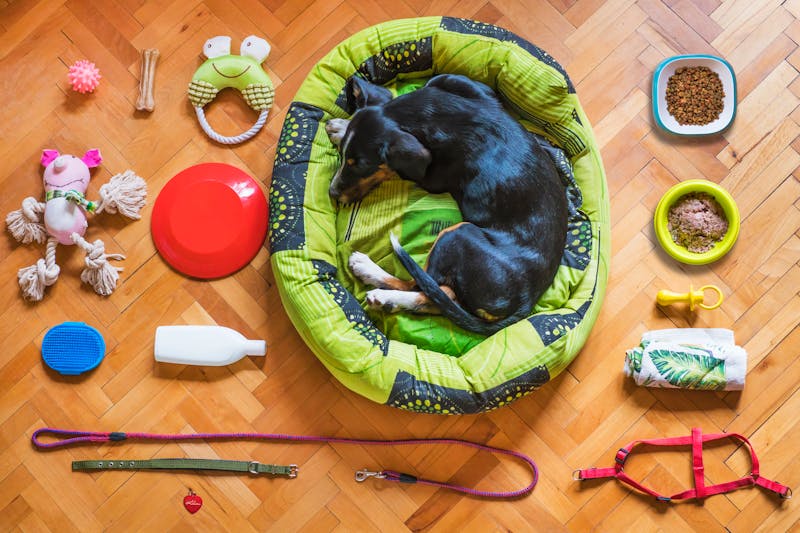
Getting ready for a new puppy is an exciting journey, but it can feel overwhelming—especially if you’re not sure what your growing pup will need at different stages. This puppy essentials checklist lays out exactly what to buy and prepare, organized by your dog’s age from the first days home through the rowdy months ahead. Use this guide to simplify your shopping, avoid unnecessary purchases, and ensure your puppy has everything necessary for a happy, healthy start.
Puppy Essentials Checklist: The Quick Takeaway
The foundation of a new puppy checklist is simple: every puppy needs a safe home base, high-quality nutrition, comfort items, basic health gear, and developmentally appropriate toys. Your list should adapt as your puppy grows—young pups need softer beds and smaller toys, while older puppies require sturdier gear and items to occupy their minds and bodies. This comprehensive breakdown ensures you cover the must-haves at every stage.
Why a Stage-Based Puppy Checklist Matters
Not all puppy products are one-size-fits-all. Puppies grow quickly, developing new needs and skills almost every week. Items perfect for a tiny, sleepy eight-week-old may be useless (or even unsafe) for a boisterous four-month-old. Tailoring your puppy gear by age supports healthy growth and avoids wasted money on inappropriate products.
- Safety: Prevent choking, chewing, or ingestion hazards by using correctly sized gear.
- Development: Support teething, enrichment, and early training with age-appropriate items.
- Comfort: Match bedding, feeding tools, and toys to your puppy’s stage for best results.
The New Puppy Checklist: Essentials from Day One
The first few days are all about preparing a safe, comforting environment. Puppies are adapting to new sights, sounds, and schedules, so focus on basics:
- Crate or puppy pen: Right-sized for your puppy now (with the ability to block off extra space); non-slip bedding; crate cover if needed for comfort.
- Food and water bowls: Shallow and non-tip, made of stainless steel or heavy-duty plastic—easy to clean and gentle on puppy teeth.
- Puppy food: Age-appropriate, high-quality, and vet-recommended. Have a small supply ready and transition gradually if switching brands.
- Puppy training pads: Useful for house-training, especially if your puppy can’t go outside for all eliminations yet.
- Puppy-safe toys: Soft and small, designed specifically for teething (no hard rubber or tiny pieces).
- Blankets/towel: Cozy spot for naps and comfort, preferably with familiar scent from previous home or breeder.
- Collar and leash: Lightweight, barely-there collar with ID tag; slim 4-6’ leash for gentle handling.
- Puppy-safe cleaning supplies: Enzyme cleaner for accidents and non-toxic wipes or sprays for surfaces.
First Two Weeks: Settling In
- Baby gates: Limit access to safe zones and block off hazards (stairs, kitchens, busy entryways).
- Puppy toothpaste and soft brush: Begin tooth brushing early for long-term dental health, even if it’s just a gentle intro.
- Slicker brush or soft grooming mitt: Short, gentle sessions make grooming part of routine while bonding with your puppy.
- Waste bags: Handy for outdoor cleanup during house-training efforts—choose biodegradable if possible.
4–8 Weeks: The Tiny New Arrival (If Welcoming Home at 8 Weeks or Younger)
Very young puppies, such as those welcomed home at 8 weeks (common for many breeds), need special consideration:
- Bedding: Extra-soft, small bed without excess fabric (avoid stuffing if your puppy chews a lot).
- Low-sided crate/pen: Easy access for a small, uncoordinated puppy.
- “Starter” Chew Toys: Puppy Kongs, rubber rings, or thin rope toys sized for tiny mouths—make sure there are no swallowable parts.
- Heating pad (puppy-safe): If the environment is chilly—place under half the bed so your puppy can move away if too warm.
- Puppy formula: Only if coming from a breeder or rescue who has recommended it, e.g., for orphans or supplementing feeding.
This stage is about maximizing safety and comfort. Avoid overloading your puppy’s area with too many toys or unfamiliar scents.
Puppy Gear Tips for 4–8 Weeks
- Regular item checks: Inspect bedding and toys daily for signs of chewing or wear; replace immediately if damaged.
- Keep gear simple: A cozy den, a couple of toys, and consistent bedding are better than overstimulation.
- Secure everything: At this stage, puppies are prone to accidents—use waterproof mats under bedding and bowls on firm surfaces.
8–12 Weeks: Early Exploration and Basic Training
This is the age when most new owners bring their puppy home. Now is the time to focus on short daily routines and the earliest socialization.
- Sized-up crate: If your account for growth, use a crate divider so it’s not too large (dogs should be able to stand, turn, and lie down comfortably).
- Harness: Lightweight, soft, and adjustable—try on for fit and comfort; harnesses are safer for puppies who pull on walks.
- ID tag: Clearly visible on collar with your phone and address.
- Short training leash: 4-6 feet, lightweight, for guided walks and gentle practice (avoid retractable leashes).
- Training treats: Soft, bite-sized, easily digestible options for puppy tummies.
- Puppy shampoo and gentle towels: Occasional cleanups; pick products labeled “puppy-safe” with mild scents.
- Nail clippers or grinder: Introduce early for desensitization purposes, even if not trimming much at this age.
- Basic first aid kit: Tweezers, blunt scissors, saline, and basic bandages for minor scrapes (no medications without vet guidance).
Pro Tip: The Puppy Socialization Checklist
- Introduce with gear: Let your puppy sniff and wear new collars or harnesses for short, positive sessions before actual outings.
- Practice with leash: Attach indoors first, reward for calm behavior, then take short walks in safe, quiet environments.
- Bite inhibition toys: Soft plush toys with multiple textures can redirect chewing from fingers to safe outlets.
12–16 Weeks: Growing Curiosity and Confidence
As your puppy grows, you’ll notice distinct changes—more energy, bigger appetite, and increased interest in exploring. The essentials checklist shifts to durability and more complex needs.
- Larger crate or pen: Adjust divider as your puppy grows, or resize as needed for ultimate comfort and security.
- Chew-proof bedding: Replace very soft beds with sturdier mats or pads as your puppy’s teeth get stronger.
- Sturdier chew toys: Teething intensifies—offer rubber, dental, and rope toys designed for durability and safe, supervised chewing.
- More food storage: As feeding quantities increase, consider airtight bins for food freshness and pest prevention.
- Puppy toothbrush and paste: Keep up dental routine and check teeth as permanent ones start emerging.
- Interactive toys and puzzles: Promote problem-solving, prevent boredom, and aid in solo-time training.
- Teething gels (puppy-safe): Helps soothe sore gums, if recommended by your vet or breeder.
Keeping Up with Growth: Sizing Guide by Weeks
| Age | Collar Width | Harness Size | Crate Size (Typical) | Bed Size | Toy Size |
|---|---|---|---|---|---|
| 4–8 Weeks | ⅜"–½" | XS (Toy/Small Breed) | 18–22” (Small breeds) | 14–18” oval/round | Tiny/mini |
| 8–12 Weeks | ½"–⅝" | XS–S (Breed-dependent) | 24–30” (Small/Medium breeds) | 18–22” | Mini–small |
| 12–16 Weeks | ⅝"–¾" | S–M (Breed-dependent) | 30–36” (Medium/Large breeds) | 22–28” | Small–medium |
Always match your specific breed’s expected adult size—dogs with rapid early growth (like Labs or Goldens) will outgrow XS sizes quickly. Adjustable gear saves frustration and money.
16–24 Weeks: Testing Boundaries and Learning Independence
This period—4 to 6 months—is a transition into "junior" puppyhood. Puppies may become more willful, energetic, and curious, so gear and routines should adapt accordingly.
- Upgraded harness and leash: Consider a sturdier, padded harness as pulling increases. Leash length can remain 4-6’ for training, but strength should increase.
- Heavier food and water bowls: Non-skid stainless steel or ceramic helps prevent spilling as puppies become more rambunctious.
- Long-line leash: For recall practice and safe exploration in open spaces (only when permitted and supervised).
- Tough dental chews: Only those designed for puppies or moderate chewers; continue to supervise at all times.
- Larger interactive toys: Puzzle feeders, treat-dispensing balls, and snuffle mats foster longer self-play and meal engagement.
- Enrichment items: Tug toys, squeakers (supervised use), and “find it” games ease boredom and support mental development.
Checklist for Boundary Testing Stage
- Re-check fit: Harness, collar, and bed size at least every 2 weeks; pups may double in size quickly.
- Secure play zones: Reevaluate fencing and gates as your puppy’s jumping/climbing skills improve.
- Rotate toys: Prevent boredom and overchewing by keeping only a few out at once, swapping out weekly.
6–12 Months: Nearing Adolescence
Older puppies, now approaching teendom, need gear designed for durability and sustained activity. This is the stage when destructive chewing and energy levels peak for many breeds.
- Full-size crate or bed: Upgrade to adult sizes as needed, especially for medium to large breeds.
- Puzzle feeders and durable toys: Hard rubber, nylon, or composite toys (approved for age and breed) withstand intense play and teething.
- Training gear: Clicker (for those using marker training), treat pouch for outdoor practice, and possibly a headcollar for large/strong pups—used only under professional guidance.
- Travel gear: Car harness or secured crate for safe transport as you venture further afield together.
- Weather protection: Raincoat, winter jacket, or sun vest depending on breed and climate.
Puppy Gear by Age: Transition Checklist
- Upgrade chew and fetch toys to “tough” dog versions where appropriate.
- Increase exercise and enrichment tools—balls, launchers, and agility tunnels if safe for your breed/age.
- Upgrade cleaning supplies for larger potty messes and increased fur shedding.
What Do Puppies Need: A Recap by Category
To simplify, here’s a condensed puppy essentials checklist to review just before your pup’s arrival and at each growth milestone:
1. Sleeping and Rest
- Crate and/or puppy pen (adjustable as they grow)
- Bed—soft, chew-proof as pup ages
- Familiar-scented blanket
2. Eating and Hydration
- Puppy food (age-specific)
- Non-tip, easy-clean bowls (size up with growth)
- Sealable food storage container
3. Bathroom Needs
- Training pads (early stages)
- Enzyme cleaner and waste bags
4. Play and Occupation
- Soft toys (youngest); Chew, puzzle, and fetch toys (older)
- Interactive feeders/snuffle mats
- Rotate toy options for novelty and safety
5. Walking and Training
- Adjustable collar and harness (size up regularly)
- ID tag
- Short, sturdy leash; consider long line later
- Training treats, clicker, treat pouch
6. Grooming and Health
- Puppy brush and comb; nail clippers/grinder
- Puppy toothpaste and brush
- Puppy-safe shampoo and towels
- Basic first aid items (non-medication)
Tips for Budgeting and Avoiding Common Mistakes
- Borrow before buying: Ask friends or rescues if you can borrow crates or pens, especially for rapidly growing large-breed puppies.
- Choose adjustable gear: Harnesses, collars, and crates with dividers adapt as your puppy grows, so you don’t have to replace as often.
- Don’t bulk buy toys: Puppies develop strong preferences as they age. Buy a few styles and see what your pup enjoys before stocking up.
- Test bedding durability: If your puppy chews bedding, switch to vet bedding or kennel mats until they outgrow destructive habits.
- Keep extras handy: Accidents happen. Stock up on cleaning products, spare towels, and one or two backup toys.
Age-Based Puppy Essentials: Quick Comparison Table
| Puppy Age | Must-Have Gear | Upgrade/Transition Items |
|---|---|---|
| 4–8 Weeks | Crate/pen, soft bedding, tiny toys, puppy pads, basic bowls | Very limited—mainly adjusting for basic comfort and safety |
| 8–12 Weeks | Sized-up crate, harness, collar, ID tag, small chew toys, training leash, treats | Start training gear, grooming tools, basic puzzles |
| 12–16 Weeks | Sturdier bedding, mid-size crate/pen, puzzle toys, grooming kit | Larger bowls, long line for recall practice |
| 16–24 Weeks | Padded harness, strong leash, bigger toys, interactive games | Adult-size crate, tougher chews, travel gear, weather protection |
| 6–12 Months | Adult-size essentials, durable puzzle/chew toys, training and travel gear | More advanced exercise/outing gear as needed |
Checklist for Puppy-Proofing Your Home
- Move cleaning supplies, medications, and hazardous foods out of reach.
- Secure cords and block access to plugs.
- Remove or elevate plants—many houseplants are toxic to dogs.
- Check and reinforce door and gate latches.
- Place all trash bins behind closed doors.
- Use cord protectors and baby gates in risky rooms.
Puppy Essentials Shopping List: Print and Prepare
- Crate/pen (plus dividers if needed)
- Bedding (washable, with backup)
- Food and water bowls (multiple sizes)
- Puppy food (small starter bag)
- Puppy pads/training pads
- Collar, harness, leash (size-up ready)
- ID tag
- Soft brush, nail clippers/grinder
- Puppy-safe shampoo, toothpaste, cleaning supplies
- Training treats, food puzzles, 2–3 types of beginner toys
- Waste bags
- First aid basics (tweezers, scissors, saline, bandages)
Adjust this list based on your breed, home environment, and personal routine needs. Revisit each month as your puppy grows—you’ll be amazed by how quickly they change!
Frequently Asked Questions
How often do I need to replace puppy gear?
Replace collars, harnesses, and beds as your puppy grows or if you notice damage. Check all gear every one or two weeks during rapid growth periods (birth to 6 months). Always replace toys that show signs of tearing, fraying, or becoming small enough to swallow.
What are the most important items for my puppy’s first week home?
The biggest priorities are a crate/pen, soft bed, puppy food, shallow bowls, a comfortable leash/collar, ID tag, a couple of soft toys, and a cleaning supply for accidents. Extra comforts like a blanket with the litter’s scent can help ease the transition.
Can I skip puppy pads if I plan to train my puppy outdoors?
Many owners choose to start house-training outdoors right away, especially with easy access to safe greenspace. Puppy pads can still be useful for nighttime, poor weather, or travel, but are not strictly necessary for all puppies if a consistent outdoor routine is possible.
Do large and small breed puppies need different gear?
Yes, gear needs to match your puppy’s current and expected size, growth rate, and chewing habits. Large breeds grow quickly and benefit from adjustable or borrowable gear, while small breeds need items that aren’t oversized or too heavy for safe use.
How many toys should I give my puppy at once?
Start with two or three toys at a time to prevent overstimulation and help your puppy focus. Rotate toys weekly for novelty and to keep them interesting. Always supervise play, especially with new toys or if your puppy is a strong chewer.
What’s the best way to budget for puppy essentials?
Budget by prioritizing absolute essentials up front—crate, collar, leash, bowls, food, small bedding, and two or three toys. Choose adjustable products to minimize replacement costs as your puppy grows. Hold off on splurging for extras until you know your puppy’s preferences and habits.