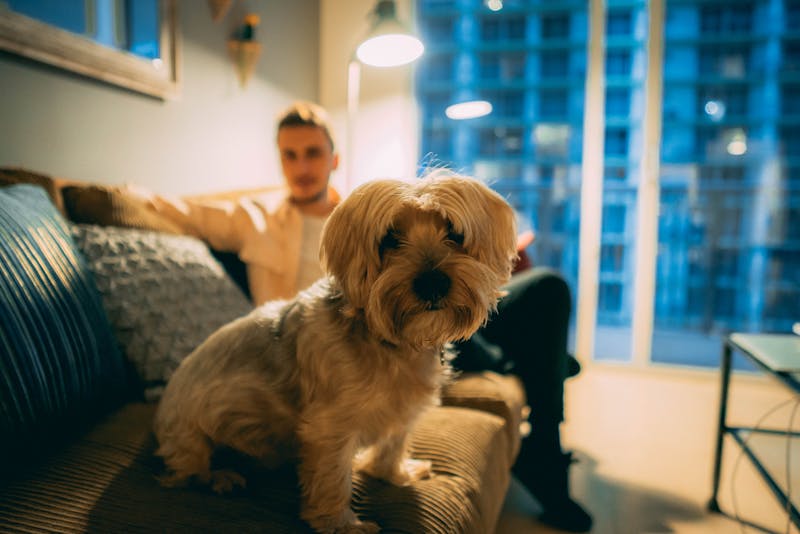
If you’re searching for feeding station ideas for small apartments, the good news is there are practical, stylish, and affordable options that maximize floor space without compromising your dog’s comfort. Whether you’re managing a studio apartment or a cozy city flat, it’s entirely possible to create a tidy, functional, and even decorative dog feeding area. This guide covers clever apartment dog feeding setup tips, product advice, small space dog bowl station solutions, and expert tricks for organizing your pup’s mealtime routine in minimal square footage.
Key Considerations for Apartment Dog Feeding Setups
Before you decide on a feeding station, consider a few factors unique to small apartment living. Optimization isn’t just about saving space—it’s also about making daily routines easier and keeping your living area neat.
- Floor Space: Every inch matters. Look for options that tuck neatly against walls or under counters.
- Cleanliness: With less room, stray kibble and water spills feel bigger. Choose feeding systems that contain messes.
- Dog Size & Eating Habits: Small dogs may need raised feeders for comfort, while big pups need weighted bowls to prevent tipping.
- Storage: Some stations double as storage for food, treats, or utensils, reducing clutter elsewhere.
- Traffic Flow: Your dog’s feeding area should be out of main walkways to avoid tripping or crowding.
- Design & Aesthetics: Choose an option that blends with your décor so your living space stays visually calm.
Simple & Creative Dog Feeding Area Ideas for Small Apartments
1. Corner Dog Bowl Stations
One of the easiest ways to free up floor space in an apartment is to utilize corners. Corner feeding stations—whether DIY or store-bought—fit snugly out of traffic zones. Consider:
- L-shaped Mats: These fit perfectly along two walls and help prevent sliding and spills.
- Corner Platform Feeders: Small wooden or plastic platforms sized for corners, integrating food and water bowls on a single raised base.
- Velcro Bowl Mats: Use hook-and-loop fasteners to anchor a mat and bowls in a corner, so energetic eaters don’t scatter their food.
2. Elevated & Raised Bowl Solutions
Small-space dwellers often benefit from vertical solutions. Raised dog bowl stands lift the bowls off the floor, making it easier to clean beneath and helping dogs with arthritis or flat faces (like French Bulldogs or Pugs) eat more comfortably. Consider:
- Wall-Mounted Bowl Holders: Securely attach to walls at your dog’s shoulders. These are popular in minimal or modern apartments and keep bowls permanently off the ground.
- Stackable Platforms: If you have two or more pets, look for stackable units that provide separate feeding areas for each dog.
- Bowl Drawers: For the ultimate minimalist look, some pet furniture features pull-out drawers for food and water bowls. Simply slide closed after mealtime.
3. Multi-Function Storage Benches
If you value organization, a feeding station that doubles as a storage bench or cubby is a strong candidate. These stations:
- Hide Food & Supplies: Drawers or bins store kibble bags, leashes, and more, keeping them out of sight—but easily accessible.
- Provide Surface Area: The bench top serves as bonus space for dog toys, houseplants, or other décor.
- Contain Messes: Many have built-in trays or mats to catch spills, making them apartment-friendly choices.
4. Feeding Mats for Unseen Spaces
If your layout is especially tight, utilize “hidden” spaces:
- Under the Table: A feeding mat under a kitchen table or desk keeps the area tidy and out of main walkways.
- Beside Appliances: Narrow feeders fit beside refrigerators or washing machines.
- Inside Closets or Mudrooms: Place a mat or tray just inside a closet door. Dogs adapt quickly to eating in a quiet, tucked-away spot.
5. Collapsible and Travel-Friendly Bowls
For ultra-compact living, collapsible silicone bowls store flat in drawers or hang on a hook between meals. These are ideal for:
- Studio Apartments: Put the bowls away when visitors arrive or when cleaning.
- Tiny Homes & Shared Housing: Helps keep communal kitchens or shared spaces tidy.
- Travel: Perfect if your small space is also your home on wheels.
Buying Considerations for Small Space Dog Bowl Stations
Material and Durability
Apartment living sometimes means more exposure to bumps and foot traffic. Choose sturdy, easy-to-clean materials:
- Stainless Steel: Durable, rust-resistant, dishwasher safe, and nearly tip-proof if weighted.
- Ceramic: Heavy and stable but at risk of chipping on apartment floors—choose if your dog is gentle and bowls won’t be moved much.
- Plastic: Light and affordable but can slide or tip, best paired with a grippy mat.
- Silicone: Flexible, collapsible, and excellent for travel or occasional use in tiny homes.
Size and Placement Checklist
Getting the right feeding station size is key for comfort and spill control. Follow this checklist:
- Measure your available width and length in the chosen area (allow 6-12” around bowls for your dog to move).
- Bowls for small dogs: 1-2 cup capacity; for medium dogs: 2-4 cups.
- Water bowl should be at least 1.5x the capacity of the food bowl.
- If using a raised feeder, it should be level with your dog’s lower chest for comfortable access.
- Check for clearance so walkways aren’t blocked and doors can open easily.
Mess-Containment Features
- Lipped Mats: Mats with raised edges catch water splashes and stray kibble.
- Tall Sides: Bowl stands with higher walls help keep food contained—especially handy for puppies.
- Non-Slip Bases: Look for bowls and stands with rubber feet or silicone grips to prevent sliding on tile or hardwood—common in apartments.
Storage and Multipurpose Design
Think about ways your station can serve more than one purpose:
- Feeder With Built-in Storage: Integrated bins or drawers beneath bowls for dog food, treats, or even cleaning cloths.
- Wall Hooks Above: Hang leashes, treat bags, or waste bag dispensers on hooks above the feeding zone to create a one-stop doggy station.
- Integrated Toy Baskets: Some personalized stations have side baskets for toys or grooming tools—ideal for space-challenged apartments.
Prioritizing Safety and Accessibility in Feed Zones
Out of Main Traffic Paths
Your dog’s feeding area should feel safe and secure, not exposed to coming and going. Recommended spots:
- Near, but not in, the kitchen—if possible, pick an alcove, breakfast nook, or doorway corner.
- Beside or slightly behind your furniture to shield the area from accidental kicks or bumps.
- Never block main walkways or door swings; these lead to spills and frustrated housemates.
Easy to Clean
- Choose wipeable or washable materials—most apartment dwellers find hard, sweeping-friendly floors easiest to manage.
- Regularly clean bowls and mats to discourage pests (more common in dense buildings).
Convenient for Both Dog and Human
- Ensure the bowl station is at a height that’s easy for you to refill without bending uncomfortably.
- For extra-small apartments, try a slide-out drawer under the kitchen counter or a fold-down wall shelf.
Apartment-Friendly Feeding Station Product Types
| Product Type | Best For | Space Efficiency | Special Notes |
|---|---|---|---|
| Standard Bowl & Mat | Budget, portability | Low | Easy to move, best for temporary setups |
| Corner Feed Station | Unused apartment corners | Medium | Frees up walking space |
| Wall-Mounted Bowls | Maximum floor clearing | High | Requires installation, very stable |
| Feeder with Storage | Organization lovers | Medium-High | Keeps more items in one place |
| Collapsible Bowls | Occasional/portable use | Maximum | Ideal for very tight spaces or travel |
| Under-Cabinet Drawer | Custom kitchen integration | High | Professional installation, invisible when not in use |
Smart Organization and Storage Tips
Keeping a tidy feeding area is easier with thoughtful storage and organization. Try these tips:
- Label food bins: Helps roommates or guests avoid mistakes.
- Keep cleaning wipes nearby: A caddy or drawer with wipes, towels, and spray for quick spill cleanup.
- Install floating shelves: Above the feeding area for treats, canned food, or decorative items.
- Roll-away stations: Small feeding carts or trays on casters can be moved aside during cleaning or social gatherings.
Incorporating Enrichment: Puzzle Feeders in Small Spaces
Don’t forget the behavioral benefits of interactive feeding, especially if you live in a small apartment and your dog is prone to boredom. Slow feeders and puzzle bowls take up about as much space as a standard dog bowl, yet dramatically boost engagement and slow gulpers.
Puzzle feeders reduce mess, extend mealtime, and can even be stored away after use to minimize visual clutter. For guidance on top enrichment gear, see our guide on Best Puzzle Feeders for Bored Dogs.
Matching Feeding Stations with Overall Apartment Dog Gear
Your dog’s feeding area is just one piece of the apartment puzzle. For an integrated, hassle-free setup, coordinate your feeding station with your dog’s crate, bedding, and gear organization. If you’re in the process of setting up your apartment for a new dog, our comprehensive guides on Best Crates for Apartment Dogs and Best Dog Gear for Apartment Living offer more tips.
Practical Sizing Guide for Small Space Dog Feeding Stations
| Dog Weight | Food Bowl Capacity | Water Bowl Capacity | Recommended Station Width |
|---|---|---|---|
| Up to 15 lbs | 1 cup | 1–2 cups | 12–14 inches |
| 16–30 lbs | 2 cups | 3 cups | 14–16 inches |
| 31–55 lbs | 3 cups | 4–5 cups | 16–18 inches |
| 56–75 lbs | 4 cups | 6 cups | 18–22 inches |
Always allow extra room along the sides for your dog’s comfort and for easy cleaning access.
Summary: Making the Most of Your Feeding Area in a Small Apartment
With careful planning, your apartment dog feeding setup can be both efficient and attractive. Strategies like using corners, investing in multi-purpose furniture, picking raised feeders, or opting for collapsible bowls let you maximize every square foot. Prioritize easy cleaning, solid materials, and organization for a setup that works for both you and your dog. Don’t forget to consider puzzle feeders or slow bowls to add daily mental enrichment, even in compact homes.
Frequently Asked Questions
How do I keep my dog’s feeding area tidy in a small apartment?
Choose a feeding mat with raised edges to contain messes and select non-tip or weighted bowls. Keep cleaning supplies nearby and consider a storage bench or basket to organize food and cleaning tools. Regularly clean the area and bowls to discourage pests.
Where is the best place to put a dog bowl station in a small apartment?
Pick a low-traffic area—corners, under tables, or beside kitchen appliances are great options. Ensure the station doesn't block walkways or doors. Custom or wall-mounted feeders are ideal for very tight spaces.
What type of dog bowls are best for apartments with hard floors?
Stainless steel or ceramic bowls with non-slip bases are best for hard floors, as they are sturdy and prevent sliding. Mats made from silicone or rubber also help keep bowls in place, minimizing noise and spills.
Are raised feeders a good choice for small spaces?
Yes, raised feeders can make cleaning easier and save floor space, especially if wall-mounted or built into furniture. Choose a size appropriate for your dog’s height to prevent neck strain and to make sure the setup fits your available space.
Can I use puzzle feeders in a small apartment?
Puzzle feeders are space-efficient and add enrichment to apartment dogs’ routines. They take up little more room than standard bowls and can be stored away after use. For more information, see our article on Best Puzzle Feeders for Bored Dogs.