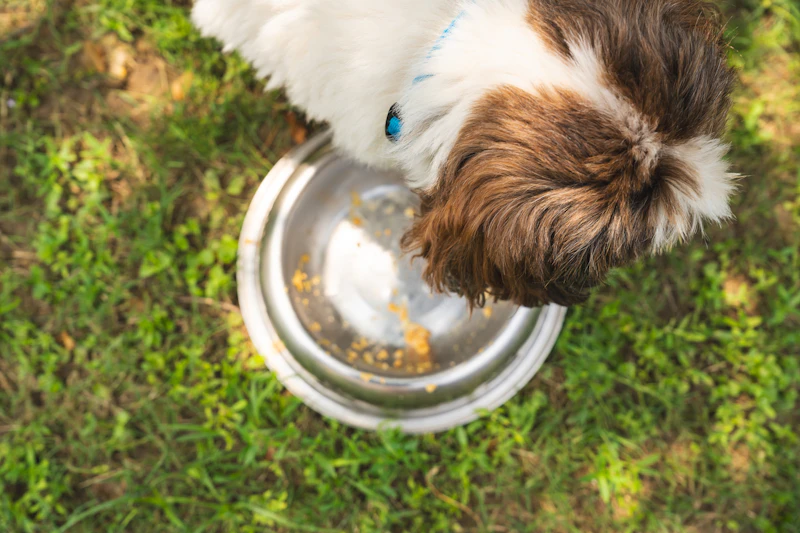
If you have a dog that eats too quickly, finding the best slow feeder for dogs can make a huge difference for their health and mealtime routine. Fast eating can lead to choking, vomiting, bloating, or even serious issues like gastric torsion. The right slow feed dog bowl or puzzle feeder dog bowl helps slow your pup down, turning scarfing into mindful eating. Here’s a practical guide to choosing the best slow feeder for your fast-eating companion, with key features, sizing tips, and effective selection criteria.
Why Use a Slow Feed Dog Bowl?
Some dogs eat so rapidly that barely-chewed kibble is gone within seconds. While this enthusiasm is cute, it can cause problems:
- Choking hazards: Big gulps can get stuck and cause gagging.
- Digestive discomfort: Swallowing food quickly leads to burping, gagging, vomiting, and sometimes bloat.
- Nutrient absorption: Poorly chewed food isn’t digested as thoroughly.
- Boredom and frustration: Eating in seconds can leave high-energy dogs with nothing to do, increasing their risk of unwanted chewing or begging.
A slow feeder (also known as an anti gulp bowl or puzzle feeder dog bowl) uses barriers, mazes, or shapes inside the bowl. These obstacles make your dog forage and work to get every bite, drawing out meals to several minutes.
Types of Slow Feeders: Which Works Best?
Slow feeders come in a range of shapes and styles to suit different dogs and feeding needs. Here’s a breakdown of popular options:
- Maze-style slow feed dog bowl: Raised ridges or spirals inside the bowl force your dog to eat around the barriers. Suitable for most food types (kibble, wet, some raw).
- Puzzle feeder dog bowl: More complex designs that require sliding, nudging, or spinning to get the food. Good for mental stimulation as well as slowing down eating.
- Textured mats: Silicone or rubber mats with soft raised nubs—often called lick mats—for spreading wet food, soft diets, or treats.
- Portion pods or dividers: Separate compartments spaced around the bowl make your dog move between sections to finish their meal.
- DIY and interactive toys: Some toys serve as slow feeders, where dogs roll or paw at them to dispense kibble gradually.
The best slow feeder for dogs depends on your dog’s eating speed, food type, and temperament. Some dogs love a challenge and benefit from puzzle feeders, while others need a gentler approach.
Key Features to Look For in a Slow Feed Dog Bowl
Not all slow feeders are created equal. Choosing the right one is a matter of matching your dog’s size, breed, and eating habits to the bowl’s design. Prioritize these features:
- Material safety: Look for food-grade, BPA-free plastic, sturdy stainless steel, or non-toxic silicone. Avoid bowls with coatings that can chip or wear off.
- Ease of cleaning: Dishwasher-safe is best, especially for intricate puzzles or maze designs prone to trapping food.
- Base stability: Select a bowl with a non-slip base or rubber ring to keep it in place. Slipping bowls can spill or frustrate eager eaters further.
- Appropriate challenge: The best slow feeder for dogs should slow eating noticeably but not be so tough your dog gives up or gets frustrated.
- Size and depth: The bowl should suit your dog’s snout and jaw shape for comfortable eating. See our Sizing Guide below.
- Capacity: Make sure the bowl holds your dog’s full meal easily—check the volume for large and giant breeds.
- Versatility: Choose a feeder shaped for your usual food (kibble, canned, raw, or combinations).
Sizing Guide: How to Pick the Right Size Slow Feeder
Correct sizing helps your dog eat comfortably and safely. Here’s what to keep in mind:
- Toy and small breeds: Look for shallow slow feeders with low-profile mazes. Standard bowls may be too deep, causing frustration or mess.
- Medium breeds: Medium-sized bowls with deeper or tighter mazes work well. Make sure your dog can still reach kibble without difficulty.
- Large and giant breeds: Seek slow feeders with the highest volume and widest openings—some have capacities for over 6 cups of food. Deep bowls or extra-large designs help minimize spills and accommodate longer snouts.
- Brachycephalic (short-nosed) dogs: Bulldogs, pugs, and similar breeds often need extra-wide, shallow puzzle feeders or specialized slow feed dog bowls with lower walls and open spaces.
To size correctly:
- Measure your dog’s daily portion of food and check the bowl’s maximum capacity.
- For deep-chested or large dogs, double-check the width to ensure they can access the food comfortably.
- For puppies or seniors, a gentle difficulty level with smooth edges is safest.
Choosing a Slow Feeder for Your Dog’s Food Type
The texture and format of your dog’s food will affect which slow feeder works best:
- Kibble: Most anti gulp bowl and maze slow feeder designs suit dry kibbles. Watch out for super-tight mazes with large kibble pieces; some may get stuck.
- Wet or canned food: Broader, less intricate slow feeders or lick mats often work better—tight mazes can get messy and are harder to clean.
- Raw or home-cooked diets: Look for easy-clean surfaces and thicker channels. Puzzle feeders with moving parts or mats designed for chunky textures are ideal.
- Mixed food: Select a slow feed dog bowl with both wide and narrow channels or dual-purpose designs for mixing dry and wet meals.
Durability and Chew-Resistance
Slow feeders face frequent gnawing and pawing, especially from powerful chewers or highly motivated dogs. Consider these tips:
- Material matters: For light to medium chewers, thick plastic or silicone is sufficient. For heavy chewers, opt for stainless steel or especially tough, reinforced plastic designs.
- Supervision: Watch your dog’s first few encounters with a slow feeder. Some dogs may attempt to chew or flip their bowl—never leave persistent chewers unsupervised with fragile designs.
- Replace when worn: Slow feeders should be replaced if cracked, chipped, or showing sharp edges.
Ease of Cleaning and Maintenance
Regular cleaning prevents bacteria buildup, especially in slow feeders with deep grooves or small compartments:
- Dishwasher-safe construction: Look for bowls labeled as dishwasher-friendly for easy daily cleaning.
- Removable parts: Some intricate puzzle feeder dog bowls come apart for thorough washing.
- Hand-washing tips: Use a bottle brush or toothbrush to reach into tight grooves and angles. Rinse well to remove any leftover soap or food residue.
Daily washing is recommended, especially for wet food. Inspect for damage or buildup each week.
Best Slow Feeder Design for Your Dog’s Eating Style
Not all dogs approach slow feeders the same way. Matching your bowl design to your dog’s personality and eating style helps maximize benefits:
| Dog's Eating Behavior | Best Slow Feeder Style | Notes |
|---|---|---|
| Scarf & Gulp Eaters | Maze anti gulp bowl, deep puzzle feeder | Look for intricate barriers and wider base for stability |
| Gentle Nibblers | Shallow maze or lick mat | Soft silicone mats can add just enough challenge |
| Highly Food-Motivated | Puzzle feeder with moving parts or treat-dispensing toys | Extra enrichment, but supervise for durability |
| Brachycephalic | Wide, shallow slow feed dog bowl | Prevents frustration or breathing issues |
| Young Puppies | Simple anti gulp bowl, soft materials | No sharp or tight sections |
Checklist: How to Select the Best Slow Feeder for Dogs
- Assess your dog’s eating speed and style—do they inhale food, chew thoroughly, or get easily frustrated?
- Match the feeder to your dog’s size and breed. Use the manufacturer's guidelines and your dog’s daily serving portion.
- Verify compatibility with your dog’s food type (kibble, canned, raw, or mixed).
- Choose high-quality, food-safe materials such as BPA-free plastic, silicone, or stainless steel.
- Decide on a design: Are you looking for a basic maze, a lick mat, or a puzzle feeder dog bowl?
- Look for dishwasher-safe options, especially for wet or raw diets.
- Start with a moderate difficulty level if your dog is new to slow feeders and increase complexity only if needed.
- Monitor your dog at first: Ensure they can use the feeder without excessive frustration or attempts to flip or chew it.
Transitioning to a Slow Feeder: Tips for Success
Some dogs immediately take to a new slow feed dog bowl, while others may need a gradual introduction. Use these tips for a smooth transition:
- Start by placing treats or just a portion of your dog’s meal in the slow feeder.
- Encourage exploration by showing your dog how to nudge or lick the food from the grooves or puzzles.
- Pair the slow feeder with praise or food rewards for calm engagement.
- If your dog gets frustrated, temporarily use easier slow feeders or alternate between their old bowl and the new one until they adapt.
- For multi-dog households, ensure each dog eats from their own slow feeder to prevent resource guarding.
Common Pitfalls to Avoid
- Overly complex puzzles: For some dogs, a challenging feeder is stimulating; for others, it’s discouraging. Choose the right level for your dog’s personality.
- Too-small bowls for large portions: Spillage and wasted food can happen if the bowl doesn’t fit your dog’s meal size.
- Ignoring cleaning needs: Maze bowls and puzzle feeders require regular, thorough washing.
- Wrong fit for snout shape: Dogs with short or flat faces need wide, shallow bowls to avoid breathing difficulty or mess.
Signs That Your Slow Feeding System Works
Once you’ve selected the best slow feeder for dogs in your household, you should see positive changes in mealtime habits. Expect:
- Meals last from several seconds to 5-10 minutes (depending on difficulty level and dog’s attention span).
- Less gagging, burping, or vomiting after eating.
- Your dog seems satisfied and less anxious post-meal.
- Possible improvement in digestion and reduced begging behavior.
If you notice consistent frustration or your dog simply flips the bowl, consider a different style or reduced difficulty.
Puzzle Feeder Dog Bowls vs. Traditional Slow Feeders
Both maze-style slow feed dog bowls and intricate puzzle feeders can work well for fast eaters, but there are some practical differences to keep in mind:
| Feature | Maze-Style Slow Feeder | Puzzle Feeder Dog Bowl |
|---|---|---|
| Complexity | Low to moderate—simple patterns slow most dogs | Moderate to high—can involve moving pieces or hidden compartments |
| Cleaning | Usually easier; fewer moving parts | More intricate; may require hand-washing |
| Durability | Sturdy, if thick plastic or steel | Parts may break if not supervised |
| Mental Enrichment | Slows eating, some stimulation | High—foraging, problem-solving elements |
| Suitability for Young or Older Dogs | Generally suitable for all ages | Can frustrate puppies or seniors with mobility issues |
Maintenance and Longevity Tips
With proper care, your slow feeder or anti gulp bowl can last several years:
- Inspect the bowl after every meal for chewed edges or cracks.
- Clean daily. Deep clean weekly to remove grime from hard-to-reach places.
- Rotate different designs for extra enrichment—having two or three slow feeders helps keep things interesting and allows for proper drying time.
- Store in a dry, cool place away from direct sunlight to prevent warping or fading.
Alternatives and Supplements to Slow Feed Dog Bowls
While a dedicated slow feeder is usually the most consistent option, you can supplement or alternate with these strategies:
- Scatter feeding: Spread kibble across a wide, clean surface or outdoors (if safe) so your dog must hunt for each bite.
- Frozen treats in lick mats: Great for cooling off in summer and for prolonged licking sessions.
- Kibble-dispensing toys: Encourage play and natural foraging behavior alongside mealtime feeding.
- Hand feeding: Useful for training and bonding but not convenient for all dog parents or full meals.
For best results, use these approaches in addition to a slow feeder to maximize enrichment, satisfy your dog’s instincts, and support healthy digestion.
Frequently Asked Questions
How do I know if my dog needs a slow feeder?
If your dog regularly finishes meals in under a minute, chokes, regurgitates, or seems gassy after eating, a slow feeder can help. Fast eaters benefit the most from slow feed dog bowls or anti gulp bowls.
What is the difference between an anti gulp bowl and a puzzle feeder?
An anti gulp bowl is typically a simple maze or ridge design that slows eating by separating food into obstacles. A puzzle feeder dog bowl usually involves more complex tasks, like moving pieces, to access food—offering more mental stimulation along with slower eating.
Can I use a slow feeder with wet or raw food?
Yes, but choose a slow feeder with wider openings or a lick mat for sticky or chunky foods. Some intricate designs are best suited for dry kibble, while simpler styles work well for wet or soft diets.
How do I clean a slow feed dog bowl?
Many slow feeders are dishwasher-safe; check the manufacturer’s instructions. For hand washing, use a bottle brush or toothbrush to reach tight grooves, and clean daily to prevent bacteria buildup, especially with wet foods.
Will a slow feeder frustrate my dog?
Most dogs adapt quickly to slow feeders, but some may need time. Choose a difficulty level that challenges but does not overwhelm. If your dog seems distressed, switch to an easier design or mix slow feeders with traditional bowls temporarily.
How often should I replace a slow feeder?
Replace your slow feed dog bowl if it develops cracks, chips, or worn edges that could pose a safety hazard. High-quality feeders can last many years with regular cleaning and inspection.