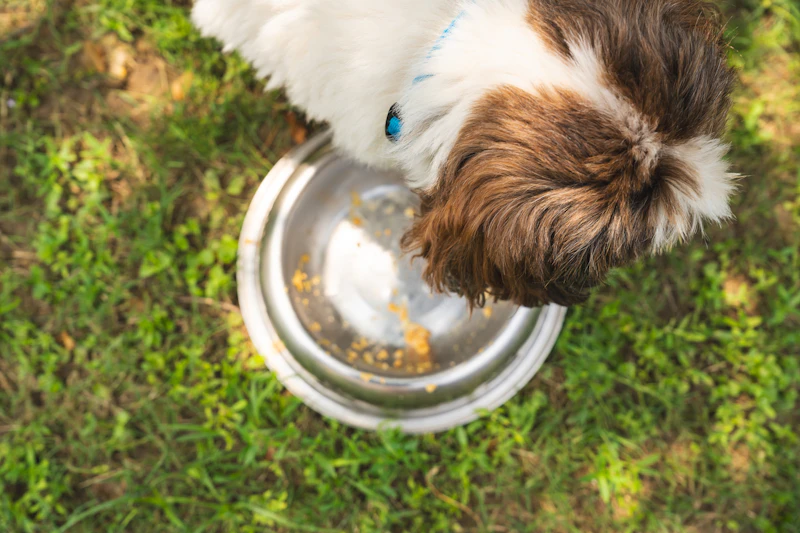
If you’re searching for the best slow feeder for large dogs, the key is choosing a model that’s big enough for your dog’s meals and designed to stand up to enthusiastic eaters. The top slow feed dog bowl for large breeds typically features a wide, heavy base, obstacle patterns that actually slow down eating, and robust materials. This guide will walk you through what to look for, the advantages of investing in a large dog slow feeder bowl, anti-gulp options, and how to ensure the right fit for your dog’s size and eating style.
Why Use a Slow Feeder Bowl for Large Dogs?
Large dogs are often enthusiastic eaters, which can lead to problems ranging from mild digestive upset to more serious risks like choking or bloat. A slow feed dog bowl for large breeds is designed to extend mealtime, encouraging dogs to eat more slowly by introducing patterns or obstacles that prevent them from gulping.
- Helps with digestion: Slower eating means better chewing and less risk of digestive discomfort.
- Prevents choking: Gulping large mouthfuls can lead to choking hazards.
- Mental stimulation: The puzzle-like interiors make mealtimes more engaging, reducing boredom (see more options on Best Puzzle Feeders for Bored Dogs).
- Bloat prevention: While slow feeders are not a guarantee, they can reduce some risk factors associated with canine bloat in deep-chested, large breeds.
Key Features of the Best Slow Feeder for Large Dogs
Not all slow feeders are equally suited for the needs of large breeds. Some are too small, too lightweight, or made from materials that aren’t durable enough for big dogs. Look for these essential features:
Size and Food Capacity
The size of the bowl matters most. Large dogs need a feeder that fits at least 4 to 6 cups of kibble or their usual meal size without overflowing. The interior maze should also allow big snouts to access food without frustration.
- Capacity: Choose a bowl capable of holding your dog’s full meal – check with a measuring cup if unsure.
- Shallow vs. Deep Patterns: Deep, narrow ridges may frustrate wide-mouthed breeds. Broader, more spaced-out mazes often work better for bulkier faces and muzzles.
- Diameter: Look for bowls 10–12 inches or more in diameter for giant breeds.
Material and Durability
Large-breed dogs have powerful jaws. The best slow feeder for large dogs is sturdy enough to withstand forceful use and is easy to clean.
- Food-grade plastic: Lightweight, often non-slip, and available in many designs. Good for everyday use, but check for BPA- and phthalate-free materials.
- Stainless steel: Extremely durable and ideal for dogs who chew or have allergies. Tends to have simpler patterns due to manufacturing constraints.
- Ceramic: Heavy and non-slip, with fewer design options. Great for dogs who tip plastic bowls.
Anti-Slip Base and Stability
Large dogs can easily nudge or flip lightweight bowls. Anti-slip rubber feet or heavyweight bases are helpful features.
- Thickness: Heavier bowls resist sliding.
- Non-skid base: Look for textured or rubberized gripping on the underside.
Design Patterns and Maze Complexity
The variety and placement of ridges, nubs, or mazes make a huge difference in effectiveness. Consider your dog’s eating style:
- Simple ridges: Good for dogs new to slow feeders who need only gentle encouragement to slow down.
- Complex mazes: Ideal for habitual speed eaters needing a bigger challenge, but monitor for frustration.
- Depth of grooves: Too shallow isn’t effective for large tongues; too deep can frustrate flat-faced breeds.
Ease of Cleaning
Busy dog owners should look for bowls that are easy to rinse out or dishwasher-safe. Stainless and certain plastics are easier to keep sanitary than deeply textured ceramics. Check for:
- Removable base for better access
- Smooth finishes to avoid food buildup
- Designs marked as top-rack dishwasher-safe
How to Choose the Right Large Dog Slow Feeder Bowl
Every large breed is a little different in how they eat and what will keep them slow, safe, and happy during mealtimes. Here’s how to dial in the selection.
1. Know Your Dog’s Eating Habits
- The gulper: Needs stronger maze patterns, maybe even a bowl with raised spirals or multiple compartments.
- The chewer: Opt for stainless steel or tough plastic to withstand chewing.
- The foodie: If your dog hates working for food, start with the simplest slow feeder pattern.
2. Proper Sizing for Your Dog’s Breed
Large dogs range widely in size—from a 65-lb Golden Retriever to a 180-lb Great Dane. The bowl must accommodate their muzzle width, meal size, and stability needs.
| Breed Example | Bowl Capacity | Bowl Diameter | Pattern Type |
|---|---|---|---|
| Labrador, Golden Retriever | 4-6 cups | 10-12 inches | Medium maze, spaced ridges |
| German Shepherd, Doberman | 4-8 cups | 12 inches+ | Deep, wide grooves |
| Great Dane, Mastiff | 6-10 cups | 13 inches+ | Extra-wide, simple pattern |
Measure your dog’s usual meal and snout width before shopping—most slow feeders list their total capacity and diameter in the product specs.
3. Consider Elevated vs. Floor Feeders
If your large dog is a senior or has joint issues, pairing a slow feeder with an elevated stand can make mealtime more comfortable. For more about when this might help, see our guide on Best Elevated Feeders for Senior Dogs.
4. Safety and Material Concerns
- Check for FDA-approved, food-safe materials (especially if your dog chews plastic).
- Inspect regularly for cracks or chew marks, which can harbor bacteria.
- For dishwasher-safe models, always use the top rack to prevent warping.
5. Fit with Your Feeding Space
If you live in a small apartment, make sure the slow feeder’s footprint fits your feeding station. Deep and wide bowls take up space; opt for stackable or easy-to-store designs if needed. Explore ideas on Feeding Station Ideas for Small Apartments and products suited for Best Dog Gear for Apartment Living.
Comparison Points: Slow Feed Dog Bowl Large Options
The market for anti-gulp bowl for large dogs is broad. Here’s how common types compare side-by-side:
| Type | Main Benefit | Best For | Possible Drawbacks |
|---|---|---|---|
| Plastic Maze Pattern | Most variety, affordable, lightweight | Most large breeds – Labradors, Retrievers | Can slide if lightweight, may scratch from heavy chewers |
| Stainless Steel Slow Feeder | Durable, easy to clean, non-porous | Heavy chewers, dogs with allergies | Fewer design options, tend to cost more |
| Ceramic Slow Feeder | Heavy, sturdy, attractive | Dogs who tip lightweight bowls | Breakable if dropped, heavy to move |
| Elevated Slow Feeder | Reduces strain, can help senior dogs | Seniors, arthritis, deep-chested breeds | May not fit all slow feeders or be adjustable in height |
| Mat-style or Flexible Feeders | Travel-friendly, low profile | On-the-go meals, dogs who dislike bowls | Rare in true “large” sizes, easy to flip |
Practical Sizing Guide for Large Dog Slow Feeders
Before you purchase, use this checklist:
- Meal Size: Measure your dog’s average meal—select a bowl that fits this without overfilling.
- Bowl Diameter: For dogs 60–90 lbs, look for 10"–12+". For extra-large breeds, seek out 13" or more.
- Pattern Height: Avoid deep ridges for brachycephalic (short-nosed) breeds; wider, shallower patterns are better.
- Bowl Depth: Deeper bowls can be hard for “flat” faces.
- Check the Base: Non-slip feet or heavy materials keep the bowl in place—it matters more for strong or energetic eaters.
- Material: If your dog has a history of chewing, lean toward stainless steel or tough, chew-resistant plastic.
- Cleaning: Dishwasher-safe or easy-clean options make daily use much easier.
How to Start Using an Anti-Gulp Bowl for Large Dogs
Some dogs adapt quickly to a slow feeder, while others need time to get used to the challenge.
- Begin with a less complex design if your dog has never used a slow feeder.
- Introduce the bowl at one meal per day, using praise and treats if necessary.
- Monitor your dog’s reaction—if they give up or become frustrated, try a simpler pattern.
- Clean the feeder after each use, especially with wet foods that can get trapped.
- Gradually increase complexity as your dog becomes more skilled, if needed.
Owners of puppies or adopted adult dogs new to home routines may want to refer to a comprehensive Puppy Essentials Checklist by Age for general feeding equipment tips.
Alternatives: When a Slow Feeder Isn’t Enough
If your large dog blows through even the toughest slow feed dog bowl large designs, or if you want even more mental stimulation, consider:
- Puzzle feeders requiring strategic thinking
- Interactive toys that dispense food slowly
- Lick mats for wet foods, which can calm anxiety and slow eating
Mixing up feeding strategies can help keep mealtimes both safe and interesting.
Caring for and Maintaining Your Large Dog’s Slow Feeder Bowl
To ensure your slow feed dog bowl large option stays safe and effective:
- Inspect daily for signs of wear, cracks, or sharp edges (important with plastic or ceramic).
- Clean thoroughly after each meal to prevent food buildup and bacteria.
Use dishwasher-safe settings only if the manufacturer recommends it. - Replace damaged bowls immediately – even small chips or cracks can become health hazards.
- Rotate feeder types if you have more than one, to keep your dog engaged and prevent boredom.
Best Practices: Getting the Most Out of a Slow Feeder
- Pair slow feeders with set mealtimes rather than free feeding to boost effectiveness.
- Choose slow feeders designed specifically for large breeds for both appetite and safety.
- Watch your dog the first few uses to identify any difficulties accessing food.
- Supplement with mental stimulation and exercise for overall wellness.
- If you travel, keep a portable slow feeder or mat in your supply bag.
Frequently Asked Questions
Do slow feeders work for very large or giant dog breeds?
Yes, as long as you select a slow feeder specifically sized for your dog's breed and meal volume. Look for capacities of 6+ cups and bowls at least 12–14 inches in diameter for giants.
Can I use a slow feeder for both dry and wet food?
Many slow feeders are suitable for both, but check design details. Bowls with very narrow or deep patterns may trap wet food, making cleanup more difficult. Some models work better for just kibble.
What if my dog chews or destroys slow feeders?
Heavy chewers do best with stainless steel or extra-tough plastic models. Replace damaged bowls immediately, as broken parts pose safety risks. You might also consider puzzle feeders or lick mats made to withstand strong jaws.
How often should I clean a slow feed dog bowl?
Ideally, after every meal. Food can easily get stuck in maze patterns, leading to bacteria and odor buildup. Dishwasher-safe models make frequent cleaning simpler.
Do slow feeders help prevent bloat in large breeds?
They can reduce risk factors by slowing down eating, but are not a guaranteed prevention. Always consult with a veterinarian for health concerns and bloat risk management in large, deep-chested breeds.
Should I get an elevated slow feeder for my older large dog?
Elevated slow feeders can ease strain on the neck, joints, and shoulders for seniors or dogs with mobility issues. Ensure the height is appropriate—too high or too low can cause strain. See more tips in our article on best elevated feeders for senior dogs.