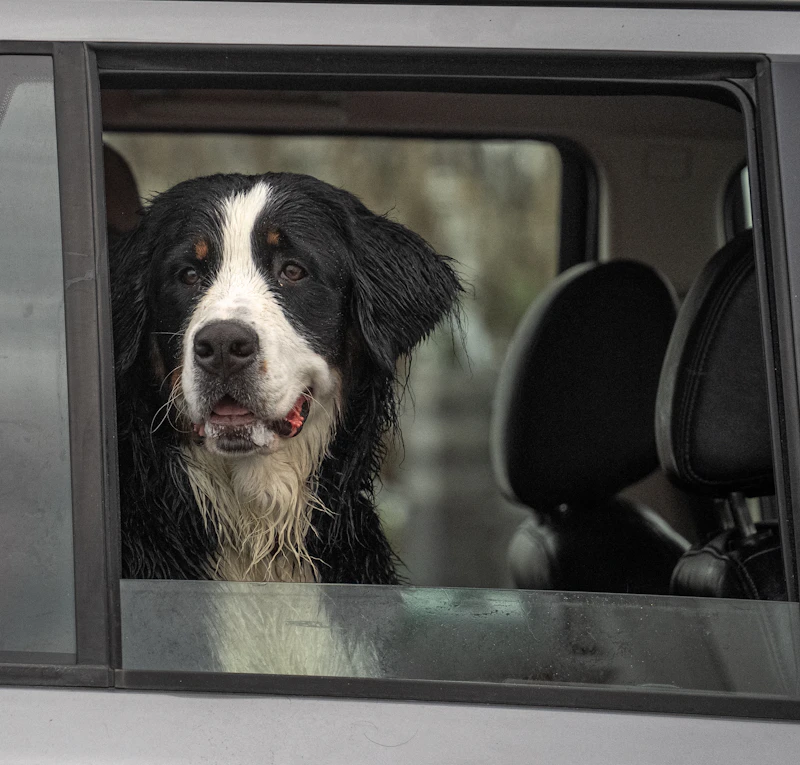
If you want to keep your dog safe and your car organized on every drive, choosing the best dog backseat barrier is a smart investment. Quality back seat barriers for dogs prevent your pup from jumping into the front seat, reduce distractions, and help protect your car’s interior. With a variety of designs and materials available, picking the right dog car barrier comes down to your vehicle’s setup, your dog’s behavior, and your travel needs. This guide covers what to look for, top features, and how to measure and select the best option, so you can drive confidently with your canine companion.
Why You Need a Dog Car Barrier
Even the best-behaved dogs can get curious or excited during car rides. A dog backseat barrier serves a few essential functions:
- Safety: Prevents your dog from distracting or interfering with the driver, lowering accident risk.
- Boundaries: Provides structure for dogs with car anxiety, helping them stay calm in their area.
- Cleanliness: Reduces fur, dirt, and paw prints making their way from the back to the front seat.
- Car Protection: Some barriers double as seat protectors, which can help preserve your upholstery.
Combined with secure restraint systems and other car travel gear, a dog seat divider can drastically improve travel safety and comfort—for both you and your dog.
Types of Dog Backseat Barriers
The best dog backseat barrier for your situation will depend largely on your vehicle type, your dog’s size, and how you travel. It helps to understand the main categories on the market.
1. Mesh & Fabric Barriers
These barriers are usually made from heavy-duty mesh, nylon, or polyester. They often attach to the backs of front seats using straps or headrest loops.
- Pros: Lightweight, easy to install/remove, generally less expensive.
- Cons: Less sturdy for big, persistent dogs. Some dogs may find ways to crawl around them if not properly secured.
- Best for: Small to medium dogs, sedans, and owners who value fast installation.
2. Tubular or Metal Frame Barriers
Usually constructed from steel or aluminum tubes, these dog car barriers create a solid, physical boundary between the front and back seat.
- Pros: Very sturdy—suitable for large breeds and powerful dogs. Adjustability for different vehicle widths and heights.
- Cons: Bulkier, can be time-consuming to install, often more expensive, may rattle if not fitted well.
- Best for: Large/strong dogs, SUVs, and hatchbacks.
3. Net Style Barriers
These are similar to mesh barriers but are typically string- or net-based and stretch between seats with hooks or adjustable cords.
- Pros: Lightweight, affordable, usually compact and easy to store.
- Cons: Offers less resistance to big dogs. If not taut, dogs may squirm underneath, over, or around them.
- Best for: Calm, small, or medium dogs, and travel where a physical border is enough to establish boundaries.
Key Features to Look for in the Best Dog Backseat Barrier
Choosing a dog seat divider goes beyond price and aesthetics. Look for the following features to ensure safety and convenience:
- Sturdy Construction: Especially for larger or energetic dogs, a well-built barrier is crucial.
- Simple Installation: Select models with intuitive attachment systems, such as adjustable straps or tension rods.
- Proper Fit: The barrier must fully cover the gap between seats or from seat-back to roof or floor, depending on design.
- Visibility: Mesh or see-through fabrics help dogs feel secure by being able to see you, while metal bars maintain air flow.
- Portability: If you remove the barrier often, foldable or collapsible designs are easiest to manage.
- Scratch Resistance & Ease of Cleaning: Dogs get messy! Removable, washable materials will make your life easier.
- No-Gap Design: For escape artists, barriers that leave no space above, below, or on the sides reduce the chance of your dog slipping through.
- Adjustability: Extendable frames or elastic straps can help one barrier fit several car models.
For multi-dog households, extra-tall or wide barriers might be necessary to contain excited play or larger breeds. If you routinely travel with gear, check for styles that accommodate storage pockets for leashes, treats, or a dog travel water bottle.
Sizing Guide: How to Measure Your Car for a Back Seat Barrier
A poorly fitted barrier is practically useless. Follow these steps to ensure you select the right size:
- Measure the space between the front seats: Width at the seat base, seat backs, and headrests—some vehicles are narrower or wider than they seem.
- Check the vertical height: From the top of the seat backs to the headliner (roof) in SUVs or from seat to floor for floor-to-ceiling barriers.
- Look for obstacles: Center consoles, armrests, or unusual seat shapes may impact fit and barrier placement.
- List your vehicles: If you use more than one car regularly, measure both to find a model that fits all, or be prepared to buy multiple barriers.
Most manufacturers provide a sizing chart—cross-check your numbers with their specs. When in doubt, choose an adjustable option. Remember to consider your dog’s build and not just weight: tall, long, or especially nimble dogs may need a taller or wider barrier as described in our large dog harness buyer's guide.
How to Install a Dog Car Barrier
While installation varies by design, a good dog car barrier should be quick and secure to set up. Here’s a checklist to help:
- Always follow the manufacturer’s instructions first.
- Install with seats in their normal, upright position to ensure proper fit.
- Use all attachment points (headrests, seat belts, straps, tension rods) provided for maximum stability.
- Check that the barrier doesn’t interfere with side airbags or built-in seat features.
- Test stability by gently pushing on the barrier before letting your dog in the car.
- Regularly inspect straps or bars for wear, loosening, or damage after trips.
If unsure about compatibility or difficulty of installation, look for quick-release or tool-free designs, especially if you often remove the barrier for passengers.
Comparing Back Seat Barriers for Dogs: Which Style is Right for You?
| Barrier Type | Best For | Pros | Cons |
|---|---|---|---|
| Mesh/Fabric | Small/Medium dogs, quick use, frequent removal | Lightweight, easy install, often see-through | Less sturdy, may sag over time |
| Metal/Tubular | Large/determined dogs, SUVs | Very sturdy, adjustable, durable | Bulkier, harder to install/remove |
| Net-Style | Calm dogs, short trips | Affordable, compact, flexible fit | Less secure, can be bypassed |
Tips for Training Your Dog to Use a Backseat Barrier
Introducing a new dog seat divider is easier if you make it part of your routine. Here’s how:
- Let your dog sniff and inspect the barrier before installation.
- Set up the barrier while your dog is outside the car—avoid corrections or scolding around it.
- Reward calm behavior behind the barrier with treats and praise.
- Take short trips at first, so your dog associates the barrier with positive experiences.
- For anxious or determined dogs, consider using a secure travel harness alongside the barrier until they’re relaxed.
Using Back Seat Barriers with Other Dog Travel Gear
The best dog car barrier is one part of your pet’s in-car safety system. For optimal protection and comfort, pair your barrier with:
- A crash-tested harness or secured crate (see Best Airline-Approved Dog Crates for safe crate options—even for car travel).
- Seat covers to guard against hair, dirt, and accidents.
- Water bottles and travel bowls for hydration on long drives.
- First-aid kit and a complete travel packing checklist.
If you’re new to dog-friendly road trips, see our car travel safety guide for additional tips on seatbelt use, window covers, and heat risks.
Common Mistakes to Avoid
- Picking the wrong size barrier: Too small, and dogs can slip by; too big, and it may not fit properly or be secure.
- Installing it incorrectly: Rushed or incomplete setup can leave gaps and create hazards.
- Relying on the barrier alone: Barriers are best combined with restraint systems to prevent injury in the event of an accident.
- Neglecting maintenance: Check for fraying straps, loose hardware, or broken panels regularly—repair or replace as needed.
- Assuming one barrier works for all vehicles: Double-check specs for secondary cars or rentals, especially if you travel often.
Checklist: Selecting the Best Dog Backseat Barrier
- What size is your dog, and how motivated are they to pass the barrier?
- What type of vehicle(s) will you use it in?
- Do you need quick installation or will it be left up permanently?
- Do you want full-height, partial, or just a center divider?
- Will the barrier accommodate other passengers?
- Is the material easy to clean and maintain?
- Do you need storage pockets or attached organizers?
- Does your local climate call for breathability or waterproofing?
Taking a minute to answer these will quickly narrow your search for a back seat barrier for dogs that matches your specific needs.
Frequently Asked Questions
Can a dog backseat barrier fit all car models?
Not all backseat barriers fit every car. While many offer adjustable features, it's important to measure your specific vehicle and check the product’s fit guide. For unusual setups or particularly large vehicles, choose barriers designed for your car’s seat width and height for the best fit.
Will a dog car barrier work for large breeds?
Yes—with the right barrier. For large or powerful breeds, select a robust metal or tubular frame barrier rather than mesh or net styles, as these are less likely to be pushed aside or broken. Check our guide on Travel Harnesses for Large Dogs for even more security options.
Is a back seat barrier enough to protect my dog during an accident?
No, a barrier alone only prevents your dog from entering the front seat—it does not restrain them in a crash. For full protection, use the barrier in combination with a crash-tested harness or secured crate.
Are dog seat dividers machine washable?
Many fabric and mesh dividers have removable, washable components, but always check the care instructions. Metal barriers usually require only a wipe-down. Regular cleaning will lengthen the life of your barrier and keep your car fresh.
How can I keep my dog calm behind the barrier?
Introduce the barrier gradually with positive reinforcement, treats, and short, fun trips. Make the backseat area comfortable with toys, bedding, or their favorite blanket to encourage your dog to settle.