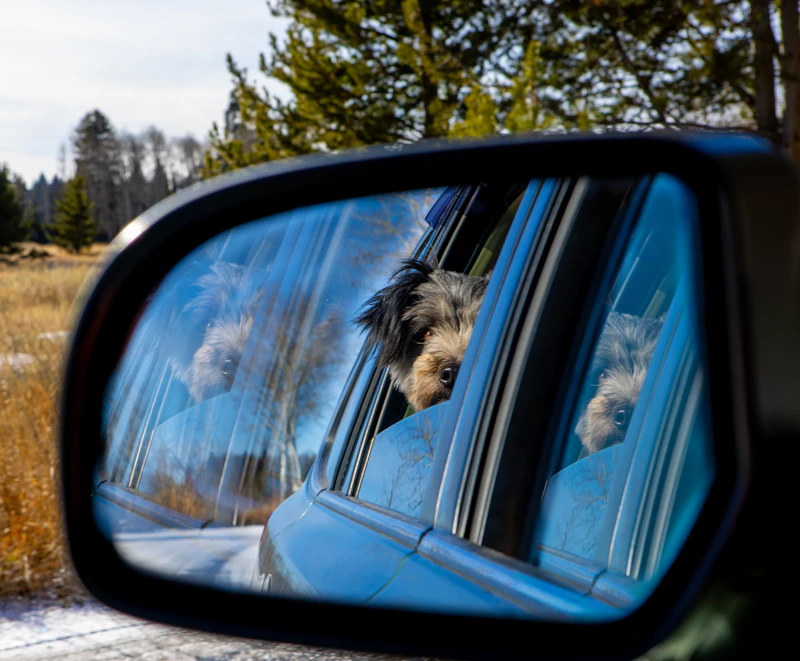
If you're planning a road trip with your dog, safety should be one of your top priorities. A comprehensive dog car safety checklist can help prevent accidents, minimize distractions, and ensure your pup remains comfortable and protected on the road. This guide covers what to pack, how to secure your dog in the car, travel tips for dogs of all sizes, and actionable steps to make every journey safer for everyone involved.
Why Is Car Safety for Dogs Essential?
Dogs are beloved family members, but even the calmest canine passenger can face serious risks when traveling by car. Unrestrained dogs can become projectiles during sudden stops, and even minor accidents pose a danger if your dog is not properly secured. Loose dogs may also distract drivers, increasing the risk of crashes. With the right preparation and awareness, you can make every trip much safer, whether it's a quick drive or a cross-country adventure.
Dog Car Safety Checklist: The Essentials
Before heading out, run through this practical dog car safety checklist to ensure nothing vital is overlooked. Use it as a printable or digital resource each time you prepare for a road trip.
- Secure restraint: Crash-tested harness, crate, or carrier
- Dog identification: Collar with ID tags and microchip info up-to-date
- Leash and backup leash: Quick access for rest stops
- Water and portable bowl/bottle: To keep your dog hydrated
- Food and treats: Pre-portioned for trip duration
- Comfort items: Favorite blanket, toy, or bed
- Medication and first-aid kit: Any needed prescriptions and basic supplies
- Vaccination records: Especially if traveling across state lines or staying overnight
- Seat covers/protectors: For cleanliness and comfort
- Poop bags and cleaning supplies: For pit stops and accidents
- Emergency contact list: Vet info, local animal hospital numbers
Choosing the Right Restraint: Harnesses, Crates, and Carriers
One of the most important components of any dog car safety checklist is securing your dog with a restraint system that fits both your car and your pet's size. Here are the common options and their pros and cons:
Seat Belt Harnesses
A seat belt harness attaches directly to your car’s seat belt system and is designed to keep your dog restrained in case of sudden stops. It's important to use a crash-tested model and choose the correct size. For large breeds, see our guide to the Best Harnesses for Large Dogs. For recommendations across sizes, check out the Best Dog Seat Belt Harnesses for Car Travel.
- Benefits: Easy to use, allows dog to sit or lie down, prevents jumping around
- Drawbacks: Not all models are crash-tested; not ideal for very small dogs
Travel Crates and Carriers
For many, especially those traveling with small or anxious dogs, a crate or carrier is ideal. Look for sturdy, well-ventilated options. For long road trips, be sure it is large enough for your pet to turn around and lie down comfortably. For airline-approved options (which are also excellent for cars), see our list of Best Airline-Approved Dog Crates.
- Benefits: Contains mess, provides a secure den-like space, protects in crashes
- Drawbacks: Bulky, may require trunk or backseat folding seats for installation
Vehicle Barriers
Some owners use mesh or metal dividers to keep dogs in the back area of a vehicle. Barriers prevent driver distraction, but don't offer crash protection. Always combine barriers with harnesses or crates for maximum safety.
- Benefits: Easy installation, keeps dog contained in hatchback/SUV
- Drawbacks: No crash protection, can allow for too much movement
Fitting Your Dog’s Harness or Crate Correctly
Improper fit is a common mistake that can lead to injury or escape. Here's how to ensure a snug yet comfortable fit:
- Harness: Should be tight enough to fit two fingers between the harness and your dog's body. Straps shouldn't rub or chafe. Adjust straps for both chest and girth.
- Crate: Your dog should be able to stand, turn around, and lie down comfortably. For sizing, measure your dog's length (nose to tail base) and height (top of head to floor while sitting) and add a few inches to each dimension.
Sizing Guide Table for Harnesses
| Dog Weight | Chest Girth (inches) | Suggested Harness Size |
|---|---|---|
| Up to 10 lbs | 13-17" | XS |
| 10-25 lbs | 16-22" | S |
| 25-50 lbs | 22-28" | M |
| 50-90 lbs | 28-34" | L |
| 90 lbs and up | 34-46" | XL |
Use measuring tape and consult each manufacturer's sizing chart before purchasing. The same careful measuring applies to selecting the right travel crate.
Before Your Trip: Setting Up for Dog Travel Safety
Advance preparation is key to making your trip enjoyable and safe. Here are pre-trip steps to add to your road trip with dog checklist:
- Check your dog's restraint or crate for wear and tear; replace if damaged
- Test-fit all travel gear in the car a week in advance
- Acclimate your dog to their harness or crate with positive reinforcement and practice drives
- Update ID tags and microchip contact information
- Locate emergency veterinary clinics along your route
- Research pet-friendly accommodations or road stops
- Pack enough food, water, and supplies for extra days, just in case
- Pack a copy of vaccination records in your glove compartment or glove box
On the Road: Safety Tips for Dogs During Travel
Once you’re on your way, these dog travel safety tips will help keep your pet secure and comfortable throughout the journey:
- Always restrain your dog: Never allow your dog to roam freely in the vehicle.
- Avoid the front seat: Airbags can injure dogs.
- Never leave your dog unattended in the car: Cars heat up quickly, and theft risks are real.
- Keep heads and paws inside: Dogs can suffer injuries from flying debris or sudden stops.
- Stop every 2-3 hours: Allow for bathroom breaks, water, and a chance to stretch.
- Monitor for motion sickness: Watch for drooling, whining, or vomiting. Take breaks as needed.
Hydration and Snacks
Long car trips can dehydrate dogs quickly, especially in climate-controlled vehicles. Always bring fresh water and a portable container. For the most practical options, explore our guide to the Best Dog Travel Water Bottles.
- Offer small amounts of water at every stop.
- Feed light, easily digestible meals to avoid upset stomachs on the road.
- Bring treats to reward calm behavior in the car.
Comfort in the Car
Familiar smells and textures, like a favorite blanket, can reduce anxiety. Ensure your dog’s section of the car is free from objects that could cause injury during sudden stops. If using a crate, line it with bedding to cushion any bumps.
Road Trip With Dog Checklist: What to Pack
Packing thoroughly supports car safety for dogs; being prepared reduces the need for risky detours or store stops. Here’s a packing checklist that ensures you and your pup are ready for anything:
- Crash-tested harness or secured crate/carrier
- Up-to-date ID tags and microchip
- Leash (plus backup)
- Travel water bottle or bowl
- Enough food for the journey (plus two extra days)
- Favorite toy and comfort item
- Waste bags and cleaning wipes
- Dog first-aid kit and any medications
- Vaccination and health records
- Seat covers or blankets
- Towel for muddy paws or rain
- Brush or comb, if your dog sheds heavily
- Flashlight and collapsible crate for hotel stays
For even more details, review our Dog Travel Packing List for Weekend Trips for ideas on streamlined packing.
Special Safety Concerns for Different Dogs and Vehicles
Every dog and vehicle combination brings unique safety challenges. Consider size, breed, age, and your particular car's layout:
- Puppies: Usually safest in well-ventilated, sturdy crates secured in the back seat.
- Senior dogs: May require extra padding, harnesses with better support, or ramps for entry/exit.
- Short-nosed (brachycephalic) breeds: Can overheat easily—use sunshades and air conditioning.
- Multiple dogs: Crate or harness each dog separately.
- Sedans: Restraints often go in the back seat, never the front where airbags are active.
- SUVs/minivans: Installing crates behind the second row or using secured harnesses with safety tethers is safest.
Post-Ride: After the Trip
Give your dog time to shake off the journey once you arrive. Let them out carefully on a leash, especially in unfamiliar or busy areas. Check for any signs of stress, dehydration, or soreness. If you're staying somewhere overnight, set up a familiar space with bedding and water promptly to help your dog settle down.
Bonus Safety Tips for Long-Distance Road Trips
- Map out pet-friendly rest stops and parks along your route
- Bring a spare collar with tags in case the primary gets lost
- Plan for dog-safe snacks instead of sharing human foods on the road
- Familiarize your dog with car sounds and motion before long trips
- Have a photo of your dog on your phone for identification
If your trip involves flying at any segment, you may find our guide to Best Airline-Approved Dog Crates helpful as well.
Comparison Points: Harness, Crate, or Barrier?
| Restraint Type | Best For | Ease of Use | Level of Safety |
|---|---|---|---|
| Crash-Tested Harness | Dogs who like sitting up, frequent stops | Easy | High (if properly crash-tested) |
| Travel Crate | Nervous, destructive, or small dogs | Moderate (bulky but very secure) | Very high (if crash-rated and secured) |
| Vehicle Barrier | Multiple large dogs in SUVs/hatchbacks | Easy | Low (for crash protection), Med (for containment) |
For deeper guidance on choosing the right method for your specific dog and car, see How to Travel Safely with a Dog in the Car.
Frequently Asked Questions
What is the safest way for a dog to travel in a car?
The safest way is to use a crash-tested harness or a secured, crash-tested crate in the back seat or cargo area. Avoid letting your dog ride loose or in the front seat.
How often should I stop during a road trip with my dog?
Stop every 2-3 hours for bathroom breaks, water, and a chance for your dog to stretch and relieve stress. Plan extra time into your journey to accommodate these breaks.
Can my dog ride in my lap or stick their head out the window?
Both are unsafe. Dogs should not ride in your lap, as this distracts the driver and increases injury risk. Allowing a dog to stick their head out the window can result in eye injuries or worse if you stop suddenly.
Do dogs need ID while traveling in the car?
Yes, always make sure your dog’s collar has up-to-date identification tags. A microchip is highly recommended in case they bolt or are separated from you during a stop.
What should I do if my dog gets carsick?
If your dog is getting carsick, try shorter practice drives before the big trip, feed them 3-4 hours before driving, and keep the car cool. Some dogs grow out of carsickness, but you can also ask your veterinarian about safe options for severe cases.
Is a leash required if my dog is already in a crate or car harness?
Yes, always bring a leash for controlled entry and exit from the vehicle. Even dogs who travel calmly can panic in new environments or busy roadside areas.