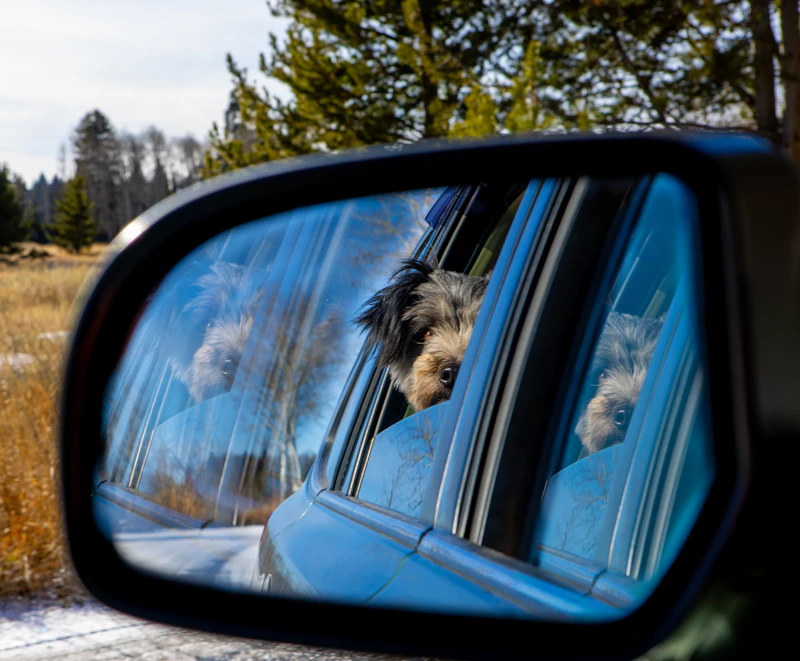
If you’re searching for the best dog seat belt harness, you’re likely prioritizing your dog’s safety and comfort during car rides. The top dog car harnesses securely restrain your pet, minimize distractions, and, in some cases, offer proven protection during accidents. Since not all harnesses are created equal, it’s important to look for key features, proper sizing, and trustworthy materials for your pup’s next journey.
Why Your Dog Needs a Car Seat Belt Harness
Traveling with your dog unrestrained puts both you and your pet at risk. In a sudden stop or collision, an unbuckled dog can suffer injuries or become a dangerous projectile. Even a well-mannered dog can be unpredictable in a car and could distract you at a critical moment. Using a dedicated dog seat belt harness helps prevent these risks, secures your dog in one spot, and often keeps them more comfortable for the ride.
Benefits of a Dog Car Harness
- Reduces Injury Risk: Prevents your dog from being thrown in an accident or during sudden stops.
- Prevents Distraction: Keeps your dog from roaming around the vehicle.
- Protects Passengers: Lessens the chance of your dog colliding with people in the car.
- Supports Legal Compliance: Some regions legally require pets to be restrained in cars.
- Improves Comfort: Designed to avoid choking; many allow sitting, standing, or lying down naturally.
How Dog Car Harnesses Work
A dog car harness typically features reinforced straps and buckles that tether the harness to your car’s seat belt system, latch anchors, or headrest. Unlike standard leashes or harnesses, these are engineered to spread force across the chest and shoulders—not the neck—if you brake suddenly or are involved in a collision. Many also double as walking harnesses, so there’s no need to swap gear before every car trip.
Crash-Tested Dog Harnesses: What Does That Mean?
You might notice the term “crash tested dog harness” while shopping. This label indicates that the product has undergone safety testing, either by the manufacturer or third-party labs, under simulated crash conditions. However, there is no universal standard for pet harness crash testing, and not all tests are equally rigorous. Some harnesses are only “crash tested” for smaller sizes, while others have been validated across their full range.
What to Look For in Crash-Tested Harnesses
- Verified Crash Test Claims: Reputable manufacturers will provide testing details or videos.
- Certification: Look for harnesses evaluated by organizations such as the Center for Pet Safety, if available.
- No Fake Testing: Be wary of vague claims or “crash tested” labels without supporting evidence.
Key Features to Consider in the Best Dog Seat Belt Harness
To choose the best dog car harness for your needs, weigh these factors:
1. Safety and Restraint Method
- Attachment Style: Some harnesses connect to the standard seat belt, while others use vehicle LATCH anchors or headrest loops.
- Buckle Design: Look for robust hardware made of metal, heavy-duty plastic, or forged alloy.
- Strength of Materials: Secure stitching, heavy-duty webbing, and reinforced chest plates are signs of quality construction.
2. Fit and Adjustability
An effective dog car harness must fit snugly yet comfortably. Most include adjustable straps at the neck, chest, and/or belly for a tailored fit. A poorly fitting harness can be ineffective or, worse, unsafe.
- Multiple Adjustment Points: Allow you to customize fit for your dog’s unique shape.
- Padded Chest Plates: Distributes pressure and protects your dog’s sternum during a sudden stop.
- Step-In or Over-the-Head: Consider your dog’s tolerance for donning a harness. An overhead style may be easier for nervous dogs.
3. Size Range & Breed Suitability
Choose a harness available in the right size for your dog’s weight and girth. Harnesses built for small breeds may not provide adequate support for large, strong dogs, and vice versa. Refer to the manufacturer’s sizing chart and measure your dog carefully for the best match. Our guide to Best Harnesses for Large Dogs may help if you’re looking for options for bigger breeds.
4. Comfort During Travel
- Padding: Minimizes chafing or pressure on your dog’s skin during longer trips.
- Breathable Linings: Important for long-haired breeds or warm-weather travel.
- Freedom of Movement: Allows your dog to sit or lie down safely, but limits standing or jumping.
5. Ease of Use
- Quick-Release Buckles: For fast on/off before and after car rides.
- Dual Functionality: Some dog seat belt harnesses double as regular walking harnesses, saving time and hassle.
- Washable Materials: Look for machine-washable options if you travel often or have a muddy pup.
6. Durability and Quality
Check that the harness is constructed with robust hardware, double-stitched seams, and is made by a reputable brand. Durability matters, especially for frequent travelers or energetic dogs.
7. Visibility and Extra Features
- Reflective Strips: Handy for night travel or if you take breaks during dusk or dawn.
- Carrying Handles: Some harnesses feature handles to help guide or lift your dog in and out of the car.
- Accessory Attachment Points: D-rings for leashes or ID tags are a plus.
Sizing and Measuring Guide for Dog Car Harnesses
Proper sizing is essential for safety and comfort. Here’s a step-by-step checklist:
- Measure Your Dog’s Girth: Most harnesses use chest circumference as the main sizing metric. Wrap a soft measuring tape around the widest part of your dog’s ribcage, just behind the front legs.
- Measure Neck Circumference: If required, measure around the base of your dog’s neck where a collar would lie.
- Weigh Your Dog: Check both weight and measurements against the brand’s sizing chart.
- Consult Sizing Chart: Always use the brand’s specific guide to select your size. Don’t “size up” or down based on guesswork.
- Adjust for Fit: When your harness arrives, fit and adjust it while your dog is standing. You should be able to slide two fingers between the harness and your dog.
How to Evaluate and Compare Dog Seat Belt Harnesses
The best dog seat belt harness for your needs will depend on your dog’s size, temperament, and the type of travel you do. Here’s a comparison checklist to help evaluate harnesses side by side:
| Feature | Why It Matters | Checklist Prompt |
|---|---|---|
| Crash Testing | Ensures safety in event of accident | Is there verifiable crash test data? |
| Attachment Point | Compatibility with your car | Does it fit seat belt, LATCH, or headrest? |
| Size Range | Proper fit for breed/size | Does it fit my dog’s measurements? |
| Padded Chest Plate | Distributes pressure safely | Is there sufficient padding? |
| Ease of Use | Faster on/off; less stress for dog | Are the buckles simple to use? |
| Dual Use | Convenience for walks post-travel | Does it work as a walking harness? |
| Durability | Longevity of product | Does it have quality hardware and stitching? |
Dog Seat Belt Harness vs. Other Car Restraint Options
Dog harnesses designed for car travel are distinct from other restraint options, such as:
- Dog Seat Belts (Tether Straps): These clip onto a walking harness and buckle directly into the seat belt receptor. If used alone, they do not protect your dog in a crash unless paired with a crash-tested harness.
- Carriers or Crates: Some dogs travel best in crash-tested dog crates, especially for longer trips or anxious pets.
- Car Seat Boosters: Booster seats are popular for small dogs, but should always be used alongside a certified harness or crash protection system.
For a complete safety approach, review our Dog Car Safety Checklist for Road Trips and general tips on How to Travel Safely with a Dog in the Car.
Practical Tips for Using a Dog Car Harness
- Introduce Slowly: Let your dog inspect and wear the harness for short periods at home before your first car trip.
- Practice Rides: Start with brief drives to help your dog acclimate to the restraint.
- Secure to Correct Point: Always follow the manufacturer’s instructions about which seat belt anchor or buckle to use.
- Check Fit Regularly: Double check snugness as your dog grows or if using over a dog coat.
- Watch for Chewing: Supervise dogs who may gnaw on straps, which can weaken the harness.
- Bring Water: Especially for longer trips, pair your harness with a dog travel water bottle for comfort and hydration.
- Pack Essentials: Review our dog travel packing checklist so you don’t forget key gear.
Common Mistakes to Avoid When Buying a Dog Car Harness
- Using a Walking Harness for Car Rides: Most walking harnesses are not built to withstand crash forces and may break under pressure.
- Guessing Size: Don’t estimate your dog’s measurements; always use a tape measure and double check with the manufacturer’s chart.
- Skipping Crash Test Research: Unsubstantiated claims of “crash testing” are common; research the validity of the harness’s safety record.
- Overlooking Car Compatibility: Some harnesses fit only certain seat belt designs or cars; confirm compatibility before buying.
- Forgoing Comfort: Thin, unpadded straps can cause chafing and discomfort on long trips.
Should You Use a Back Seat, Front Seat, or Cargo Area?
The safest spot for your dog in the car is almost always the back seat, away from airbags in case of a crash. Use child-safety style seat belts or LATCH anchors if available. Avoid putting your dog in the front seat or on your lap while driving, which could be both unsafe and illegal in many regions. The cargo area of SUVs can work if the harness tethers to a secure anchor—but only for larger dogs, and never without a proper harness or crate.
Checklist: Choosing the Best Dog Seat Belt Harness
- Verify crash test certification or third-party safety data
- Ensure correct attachment style for your vehicle
- Select the right size via careful measuring
- Check that the harness is padded and comfortable
- Consider dual-use (walking and car) if desired
- Assess adjustability and ease of use
- Look for durable, high-quality construction
- Read recent user reviews (focused on fit, reliability, and comfort)
Summary: Selecting the Right Dog Car Harness
The best dog seat belt harness is secure, properly sized, and as comfortable for your pet as possible. Begin by measuring your dog accurately, then choose a well-reviewed harness that meets safety standards and fits your vehicle. Remember, even the best crash-tested dog harness is only effective if it’s fitted and used correctly every time you travel. For multi-day road trips or flight transfers, consider combining your harness with airline-approved dog crates for added versatility.
Frequently Asked Questions
How do I know if a dog seat belt harness is crash tested?
Look for crash test certifications or third-party testing results provided by the manufacturer. Some organizations, like the Center for Pet Safety, evaluate products rigorously. Always verify claims with actual test data or videos, as not all “crash tested” labels mean the harness passed stringent tests.
Can I use a regular walking harness as a dog seat belt harness?
No, standard walking harnesses are not designed to absorb crash forces or remain securely attached in an accident. Only use a harness specifically built and tested for car travel.
How tight should a dog car harness be?
The harness should fit snugly enough that you can fit two fingers between the harness and your dog at all points. A proper fit keeps your dog secure without causing restriction or chafing.
Where is the safest place for my dog when using a seat belt harness?
The back seat is generally the safest spot. Avoid the front seat due to airbags and potential distractions. If using a cargo area, ensure there is a proper anchor and sufficient space.
Can the same harness be used for walking and car travel?
Many dog seat belt harnesses are dual-purpose and designed for both car restraint and regular walks. Check product descriptions to confirm, as not all harnesses offer this feature.
How can I help my dog get used to wearing a car harness?
Let your dog wear the harness around the house first with positive reinforcement. Take short practice drives before longer trips, rewarding your dog for calm behavior during each step.