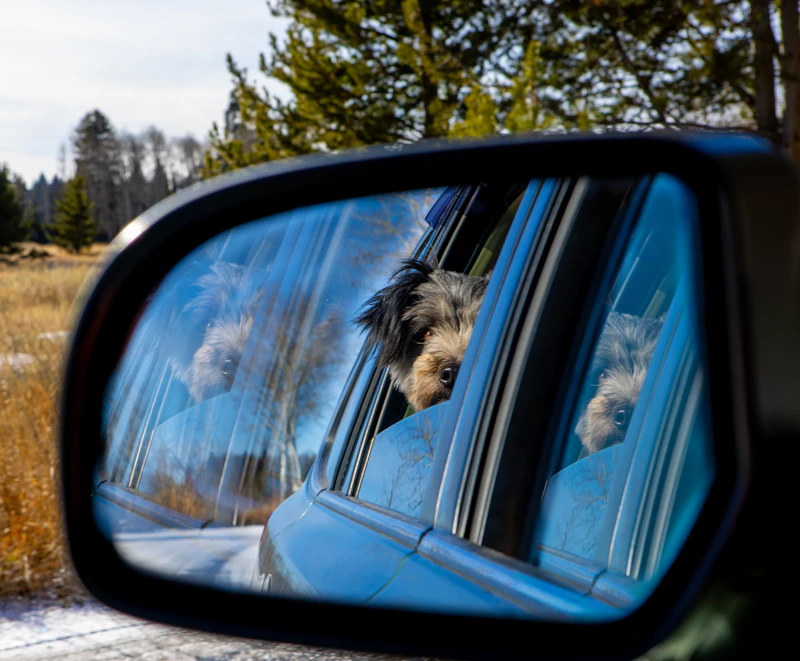
Taking your dog on a road trip can be a rewarding and memorable experience, as long as you are well prepared. Packing the right dog travel essentials for your car ensures a comfortable, safe, and enjoyable journey for both you and your canine companion. Whether you are heading out for an afternoon drive or a multi-day road trip, having a practical dog car trip checklist makes all the difference for stress-free travel with your pet. This guide outlines the must-have gear, packing advice, and comfort tips to help you—and your dog—make the most of every mile.
Why Dog Travel Essentials Matter for Car Trips
Dogs are family members, and their comfort and safety on the road should be a priority. Unlike quick trips to the vet, longer car rides require specialized gear to address your dog's needs for comfort, hydration, entertainment, and restraint. Proper planning also helps reduce distractions for the driver and prevents emergencies.
- Safety: Proper restraints protect your dog and vehicle occupants in case of sudden stops or accidents.
- Comfort: Cushions, familiar bedding, and temperature control prevent restlessness and anxiety.
- Health: Easy access to water and food, as well as waste management, keeps your dog healthy on the road.
- Convenience: Organization of supplies makes for quick pit stops and lowers travel stress.
The Ultimate Dog Car Trip Checklist
Ensuring you pack everything your dog needs is crucial for a successful road trip. Here is a comprehensive dog car trip checklist:
- Crash-tested harness or travel crate
- Car seat cover or protective blanket
- Collapsible water bowl and water supply
- Portion-packaged dog food and feeding bowl
- Leash, collar, and current ID tags
- Up-to-date vaccination records (digital or paper copies)
- Favorite toys and chew items
- Comfort item, such as a blanket or bed
- Canine first aid kit
- Poop bags and cleaning supplies
- Towels for muddy paws or messes
- Window shade for sun protection
- Waste bags and odor-neutralizing spray
- Travel wipes for quick cleanups
Restraining Your Dog: Harnesses, Crates, and Barriers
A loose dog in a moving vehicle is not just distracted; they're at risk for injury or getting lost if a door or window is opened. Secure restraint is a core dog travel essential for car trips.
Car Harnesses
Crash-tested harnesses attach to your vehicle’s seatbelt system, securing your dog in place. Choose harnesses designed for car travel, and make sure they are appropriately sized for your dog’s weight and build. Double-check compatibility with your car model for the best fit.
Travel Crates
Crates keep your dog contained and calmer, especially on longer journeys. Car-safe dog crates should be sturdy, well-ventilated, and either crash-tested or well-secured in your vehicle’s cargo area. Soft-sided crates are useful for gentle riders but opt for hard-sided options for added safety on highways.
Car Barriers
For larger vehicles or bigger breeds, cargo area barriers separate your dog from the driver and passengers, providing a contained space while allowing freedom of movement. Ensure the barrier fits your car model securely and leaves no gaps.
Keeping Your Dog Comfortable During the Car Ride
Comfort is a vital element of enjoyable travel with your dog. A comfortable dog is less likely to become anxious or carsick.
Bedding and Seat Covers
Invest in a high-quality seat cover that fits your vehicle and is easy to clean. Bring your dog’s regular bed or a blanket with a familiar scent to promote relaxation. Memory foam beds or padded blankets provide additional joint support for older pets.
Temperature Control
Maintain a safe, moderate temperature in your vehicle. Dogs can easily overheat or become too cold during travel. Window shades or sun visors help block direct sunlight, while portable battery fans or cooling pads are useful in the summer. In the winter, provide extra warm bedding and limit wind if windows are open for fresh air.
Entertainment and Distraction
Bring a selection of chew-resistant toys or treat-dispensing puzzles. These entertain your dog during long stretches, reducing boredom and nervous behaviors. Rotate toys at each break to maintain your dog’s interest.
Feeding and Hydration on the Road
Proper nourishment and hydration are crucial for your dog’s well-being during car trips. Missteps can lead to discomfort, dehydration, or digestive issues.
Water Supply and Bowls
- Pack plenty of fresh water—bottled or in a dedicated jug—especially for longer trips.
- Collapsible silicone bowls are lightweight and spill-resistant, making them easy to use at pit stops.
- Offer water at every stop and never delay giving water if your dog seems thirsty.
Feeding Schedule and Food Transport
- Portion out your dog’s regular food before you leave; sudden diet changes on the road can upset their stomach.
- Stick to your home feeding schedule as much as possible.
- Use airtight containers or resealable bags to keep food fresh and organized.
- For raw diets, pack in a cooler with ice packs.
Treats and Chews
Bring a few long-lasting chews or training treats. These reward good behavior and offer boredom relief without causing overfeeding.
Managing Stops: Leash, Safety, and Potty Breaks
Your dog will need regular stops for water, food, and bathroom breaks. Planning these in advance lowers stress and prevents accidents in the car.
Leash and Collar
Always leash your dog before opening the door in unfamiliar areas. A sturdy, non-retractable leash gives you better control. Make sure your dog’s collar or harness fits securely and that ID tags have current contact information.
Rest Stop Checklist
- Carry waste bags for quick clean-up.
- Pack wipes or towels for muddy paws.
- Choose dog-friendly rest stops with grassy areas.
- Keep vaccinations and medical records accessible in case of emergencies.
- Bring a travel water bowl for quick hydration.
- Stay alert to traffic and other animals nearby.
Safety Preparations for Car Travel with Dogs
Nothing disrupts a road trip faster than unexpected problems. Prepare backup plans and pack essentials for worst-case scenarios.
First Aid Kit for Dogs
A canine-specific first aid kit is a road trip dog gear essential. Kits typically include:
- Gauze pads and adhesive tape for wounds
- Antiseptic wipes
- Tweezers for removing ticks or splinters
- Blanket or emergency foil wrap
- Dog-safe anti-nausea medication (as approved by your vet)
- LED collar light or reflective gear for nighttime or foggy stops
Travel Paperwork
Some destinations require vaccination records or proof of rabies shots—especially at state lines, parks, or hotels. Keep both physical copies and photos on your phone for easy access.
Emergency Plan
- Save contact information for emergency veterinary clinics along your route.
- Know pet-friendly hotels or shelters in case of travel delays.
- Identify rest stops with safe areas away from busy roads.
Organizing Your Car: Packing and Storage Tips
Staying organized helps you quickly find what you need at every stop, minimizes mess, and makes for a cleaner, stress-free trip.
- Storage bins or organizers: Use soft-sided bins to keep food, gear, and toys grouped by need (e.g., first aid, feeding, clean-up).
- Seat-back organizers: Store smaller items or paperwork for easy reach from the front seat.
- Travel pouches: Keep waste bags, treats, and wipes by your door for quick access during pit stops.
- Emergency kit location: Place it where you can reach it without unpacking the cargo area.
Making the Most of Road Trips with Your Dog
Traveling by car opens new adventures for you and your dog, but being prepared will make the experience better for both of you. Here are some extra tips for road trip dog gear and routines that help maximize fun and safety.
Pre-Trip Preparation
- Test drive: Take your dog on a few short rides before longer road trips to get them used to the car environment.
- Practice seat belt or crate training in advance so your dog accepts their restraint.
- Start with a light meal a few hours before leaving instead of a full breakfast to avoid carsickness.
- Map out rest stops and dog-friendly destinations.
On the Road Routines
- Offer water every 2-3 hours.
- Limit food intake right before and during travel to minimize the risk of vomiting.
- Stick to your regular exercise schedule as much as possible with walks and playtime at stops.
- Monitor your dog for stress signals—panting, drooling, whining, or restlessness—and adjust accordingly.
- Never leave your dog unattended in a parked car, even in moderate temperatures.
Sizing Guide for Car Harnesses and Travel Crates
Choosing safe and comfortable gear is essential when you travel with your dog by car. Here’s a quick sizing guide:
| Dog Weight | Harness Size | Crate Size (Length x Width x Height) |
|---|---|---|
| Under 15 lbs | XS or Small | 24" x 18" x 19" |
| 15-30 lbs | Small or Medium | 30" x 19" x 21" |
| 30-50 lbs | Medium or Large | 36" x 23" x 25" |
| 50-90 lbs | Large | 42" x 28" x 31" |
| Over 90 lbs | XL or Giant | 48" x 30" x 33" |
Always measure your dog and check the product label or brand’s fit chart for specific sizing recommendations for car harnesses and crates. Crates should allow your dog to stand up, turn around, and lie down comfortably.
Traveling with Multiple Dogs in the Car
If you plan to travel with two or more dogs, organization and separation become more important. Here are pointers for group travel:
- Restrain each dog individually with separate harnesses or crates.
- Bring additional water, food, and comfort items; do not assume sharing is practical or safe.
- If possible, assign one adult per dog during loading, unloading, and rest stops for increased control.
- Use large or multiple barriers to ensure each dog has personal space in the cargo area.
- Pack extra towels, waste bags, and cleaning supplies for messier stops with a group.
Common Dog Travel Mistakes and How to Avoid Them
- Skipping restraint: Always secure your dog in the car—never allow free roaming.
- Packing unfamiliar food: Use the same food your dog eats at home to prevent upset stomach.
- Leaving pets unattended: Never leave your dog alone in a parked car, regardless of weather conditions.
- Ignoring stress signals: Pay attention to signs of anxiety or discomfort, and adjust accordingly.
- Underestimating mess: Even clean dogs can shed, drool, or get muddy. Pack extra covers and wipes.
Checklist: Quick Summary for Dog Car Trip Packing
- Crash-tested car harness or travel crate (correct size)
- Leash, collar or harness, and up-to-date ID tag
- Seat cover or blanket for protection
- Bedding or comfort item
- Collapsible water bowl and fresh water
- Dog food (pre-portioned), food bowl, treats
- Toys and chew items
- Poop bags, cleaning wipes, and towels
- First aid kit and vaccination records
- Window shade, cooling pad, or portable fan (seasonal)
Frequently Asked Questions
What is the safest way for a dog to travel in a car?
The safest way for your dog to travel is in a crash-tested car harness attached to a seatbelt or in a crash-tested travel crate. This prevents injury in the event of an accident and minimizes distractions for the driver.
How often should I stop for my dog on a long car trip?
Plan to stop every 2-3 hours to let your dog stretch, get some exercise, hydrate, and go to the bathroom. Regular breaks promote comfort and prevent restlessness or accidents in the car.
Can my dog eat during a road trip?
Feed your dog small meals at their normal times, but avoid large meals just before or during travel to reduce the risk of carsickness. Keep treats and water available, and stick to their usual food.
What should I pack for a road trip with my dog?
Key items include a secure harness or crate, leash and ID, water and food bowls, portioned dog food, favorite toys, seat cover, towels, first aid kit, waste bags, cleaning wipes, and up-to-date health records.
How do I keep my dog from getting anxious on car trips?
Bring familiar bedding or toys, stick to routines, use calming treats if needed, and ensure your dog is well restrained and comfortable. Practice short trips in advance and create positive associations with car rides.
Should my dog ride in the front seat or back seat?
Your dog is safest in the back seat or cargo area, secured with a harness or crate. The front seat can be dangerous due to airbags and increased distraction risk for the driver.