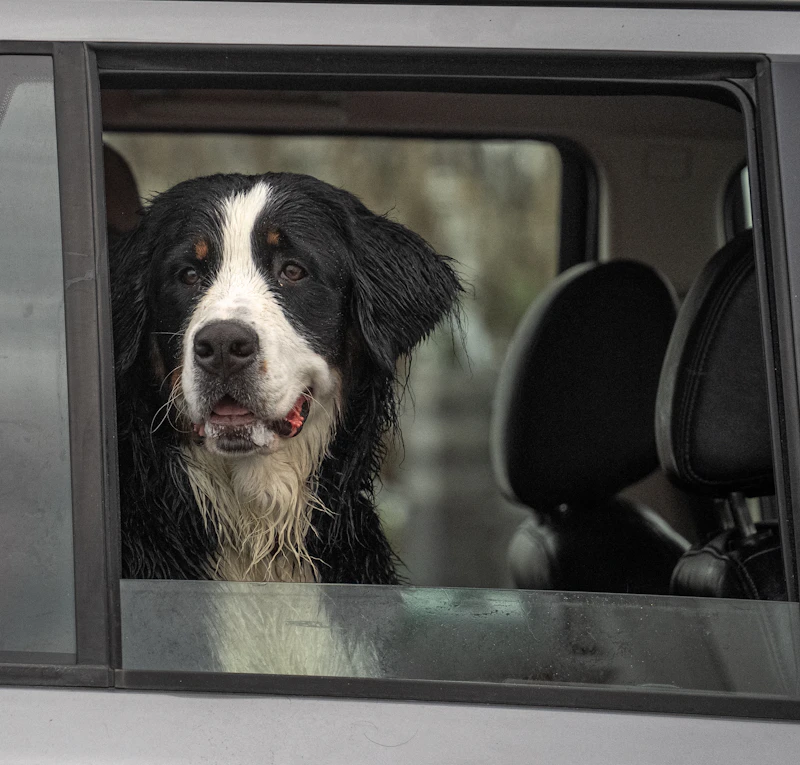
If your dog is muddy, drooly, or sheds like crazy, the best dog car seat covers act as a barrier between all that chaos and your upholstery. The right dog seat cover for messy dogs will be waterproof, easy to clean, sized correctly for your vehicle, and secure enough that it doesn’t slide, sag, or bunch up while you drive. Below, you’ll find a practical guide to choosing the best dog car seat covers, with specific features, sizing tips, and comparison points to help you pick the right style for your car and your dog’s mess level.
Why You Need a Dog Seat Cover for Messy Dogs
Even well-behaved dogs are hard on car interiors. Add rain, snow, beach trips, or regular hikes, and your back seat can go from “gently used” to “disaster zone” in a few rides.
Common “messy dog” problems car seat covers solve
- Mud and dirt: Wet paws grind dirt into upholstery, especially cloth seats.
- Water and snow: Damp coats soak seats and foam padding, leading to smells and mildew over time.
- Dog hair: Hair and undercoat cling to fabric, weave into seams, and block seatbelt buckles.
- Drool and vomit: Saliva and motion-sickness messes can stain seats and seep into crevices.
- Scratches: Nails can scratch leather, faux leather, and plastic trim.
- Food crumbs and treats: Training treats and chews crumble into seams and hard-to-clean gaps.
A good waterproof dog car seat cover protects the surfaces, makes cleaning faster, and helps your dog feel more secure with better grip and padding. It also preserves resale value on your car, which matters a lot if you lease or drive a newer vehicle.
Main Types of Dog Car Seat Covers
Before comparing features, choose the style that works best for your vehicle layout and how your dog rides.
1. Hammock-style back seat protector for dogs
Hammock covers attach to the front and rear headrests, creating a hanging “hammock” across the back seat area.
Pros:
- Protects seat and the back of the front seats, plus some of the doors.
- Helps keep dogs from falling into the footwell during sudden stops.
- Great for very messy or anxious dogs who move around a lot.
Cons:
- Can block rear air vents and floor access.
- Not ideal if you regularly have human passengers sharing the back seat.
2. Bench-style back seat covers
Bench covers lay flat over the seat and seatback, similar to a regular seat cover.
Pros:
- Work well for dogs and humans sharing the back seat.
- Less visual bulk than hammocks; look more “normal” when left installed.
- Easier to fold one side down with split seats (if designed with zippers).
Cons:
- Don’t protect the back of front seats or footwells.
- More chance of fur and dirt falling off the front edge of the seat.
3. Bucket/individual seat covers
These are shaped to fit single seats, like the front passenger seat or captain’s chairs in SUVs and minivans.
Pros:
- Ideal for dogs who ride in the front seat (if that’s how you travel).
- Useful for third-row or captain’s chairs where bench covers won’t fit.
- More tailored appearance, often better for everyday commuting.
Cons:
- Only protect the individual seat, not the surrounding interior.
- Less space for large dogs to stretch out.
4. Cargo/luggage area covers
These cover the floor and sides of the trunk or cargo bay, often with a flap over the bumper.
Pros:
- Great for large dogs who ride in the back of SUVs or wagons.
- Protects carpet, seatbacks, side panels, and bumper from claws and mud.
- Easier to contain sand, dirt, and shedding in one area.
Cons:
- Not useful if your dog must ride in the back seat due to car design.
- Some universal models don’t align well with specific cargo shapes.
Key Features in the Best Dog Car Seat Covers
The best dog car seat covers for messy dogs share a handful of core features. Use these as your checklist while shopping.
1. Waterproof vs. water-resistant
For muddy or drooly dogs, this is non-negotiable.
- Water-resistant: Handles light spills and damp paws, but may eventually let moisture soak through.
- Waterproof: Typically has a waterproof membrane or coating that blocks liquid from reaching your seats.
If your dog swims, hikes in the rain, or jumps in straight from the snow, look specifically for a waterproof dog car seat cover and not just “water-repellent” marketing language.
2. Non-slip backing and stability
Sliding covers are annoying for you and unsettling for your dog. Look for:
- Rubberized or silicone dot backing: Helps grip cloth and leather seats.
- Seat anchors: Foam or plastic tubes that tuck between the seat and seatback.
- Multiple attachment points: Headrest straps plus corner elastic or straps that go around the seat base.
If you have leather seats, prioritize covers with both grippy backing and secure anchor systems to prevent slipping on the smooth surface.
3. Fabric durability and thickness
Thin fabric may be cheaper, but it tears quickly and lets claws poke through. For messy, active dogs, look for:
- Heavy-duty polyester or oxford cloth: 600D or higher is a common durability benchmark in many gear categories.
- Reinforced stitching: Especially at stress points like headrest straps and seat anchors.
- Multi-layer construction: Top layer for abrasion, middle for waterproofing, bottom for grip.
Some covers also include light padding for comfort, which can encourage your dog to settle instead of pacing around.
4. Side flaps and extended coverage
Messy dogs don’t limit the chaos to just the seat surface. Helpful add-ons include:
- Side flaps: Hang down the side of the seat to protect door panels and seat edges from dirt and scratches.
- Front flaps or skirts: Protect the edge of the seat where nails often catch while jumping in.
- Bumper flaps (for cargo covers): Prevent scratches on the bumper when dogs jump in/out.
5. Seat belt and car seat compatibility
Many people pair car seat covers with harnesses or safety tethers (especially for large dogs). If you use restraints or sometimes need to seat human passengers, check for:
- Seat belt openings: Velcro or zipper openings so buckles stay accessible but hair and dirt don’t fall through.
- LATCH/ISOFIX access: If you use child seats and don’t want to remove the cover each time.
- Harness tether compatibility: Openings positioned where your dog’s seatbelt/harness attaches.
If you’re actively working on safer travel setups, you may also want to read about how to travel safely with a dog in the car and pair your chosen cover with crash-tested restraints or crates.
6. Ease of cleaning
For truly messy dogs, cleaning effort is often the make-or-break feature.
- Machine washable vs. wipe-clean: Most heavy-duty, waterproof covers are not fully machine washable, but can be hosed off or wiped. Some lighter-duty covers can go in the washer.
- Hair-shedding behavior: Smooth fabrics release dog hair more easily than textured cloth.
- Stain resistance: Darker colors hide marks better, and some fabrics have stain-resistant coatings.
Think about your real-world cleaning routine. If you’re likely to hose it off in the driveway or wipe it down after every hike, prioritize tougher waterproof fabrics over plush or quilted options.
7. Comfort and surface texture
Comfort matters for longer trips and for dogs that are nervous in the car.
- Non-slippery surface: Dogs need traction to brace during turns and braking.
- Light padding: Helps cushion joints and may help older dogs stay comfortable.
- Temperature considerations: Very dark, thick covers can get hot in direct sun; consider lighter colors in hot climates.
If you do frequent road trips, combining a secure cover with a comfortable harness (for example, gear similar to those in our guide on the best harnesses for large dogs) can make traveling far easier on both you and your dog.
8. Easy install and removal
If the cover is a hassle, you’ll stop using it.
- Color-coded or clearly labeled straps: Headrest vs. seat wrap straps.
- Quick-release buckles: Faster to clip/unclip than tying straps.
- Fold and storage size: Useful if you only use it occasionally or swap between vehicles.
How to Size a Dog Seat Cover for Messy Dogs
Even a feature-packed cover fails if it doesn’t fit your car. Universal doesn’t always mean “fits well,” so measuring is worth the few minutes.
Step 1: Measure your seats or cargo area
Use a soft tape measure or a long tape measure from a toolbox.
- Bench seat width: Measure from the left outer edge of the seating area to the right outer edge (not including door panels).
- Seat depth: Measure from where the seatback meets the seat cushion to the front edge of the seat.
- Seatback height: From the top of the seatback (just under the headrest posts) to where it meets the seat cushion.
- Cargo area length and width: For cargo covers, measure floor length from the back of the rear seats to the trunk door, and widest usable width.
Step 2: Compare to cover dimensions
Most brands list their dimensions as one rectangle for the seat bottom and another for the seatback, plus side flap lengths.
- Ideally, the cover should be slightly larger than the seat, so it drapes a bit rather than leaving gaps.
- Check if width fits between wheel wells or plastic trim in cargo areas.
- If you have a compact car, avoid extra-long covers that bunch up and slide.
Step 3: Consider your dog’s size and riding position
- Small dogs (under ~25 lb): Most rear-seat covers will be more than large enough; focus more on how well they protect around booster seats or carriers.
- Medium to large dogs: Look for full-width covers that allow them to lie down without hanging off the edge.
- Giant breeds: Extra-wide bench or cargo covers may be more comfortable than cramped back-seat setups.
Sample sizing checkpoints
Use this quick checklist to see if a cover is sized realistically:
- Your back-seat width (edge to edge) is: about 52–58 inches in many sedans and small SUVs.
- Your cover should list a width in this range or slightly wider, e.g., 54–60 inches.
- Side flaps should be long enough to cover the visible side of the seat when viewed from an open door.
Matching a Seat Cover to Your Dog’s “Mess Profile”
Not every messy dog is messy in the same way. Think about how your dog usually dirties the car, and pick features that directly address those habits.
For mud magnets and outdoor adventure dogs
Ideal features:
- True waterproof layer, not just water-resistant.
- Full-coverage hammock or cargo cover with side flaps.
- Easy-to-hose or wipe-clean surface with minimal quilting or stitching.
Consider keeping a dedicated “mud towel” or quick-dry towel in your car, and pair your cover with gear from a dog travel packing list so you always have wipes and towels ready.
For heavy shedders
Ideal features:
- Smooth, tightly woven top fabric that doesn’t trap hair.
- Simple seams and minimal quilting where hair can gather.
- Seat belt openings that close securely to prevent hair falling between seat cushions.
Vacuuming will be much easier if the hair sits on top of the surface instead of working its way into textured fabric.
For droolers and “car pukers”
Ideal features:
- High side and front coverage to catch drool strings and splatter.
- Completely waterproof backing so moisture can’t seep through.
- Easy-to-wipe surface and the ability to unclip and shake out or rinse quickly.
Darker colors can help hide marks between deeper cleanings.
For scratchers and anxious diggers
Ideal features:
- Thick, abrasion-resistant top layer.
- Extra reinforcement where your dog tends to dig (often the front edge of the seat).
- Non-slip bottom and secure anchors to limit shifting, which can itself create anxiety.
For multi-dog families
Ideal features:
- Full-width bench or cargo covers.
- Multiple harness tether openings.
- High weight capacity and thicker fabrics.
Back Seat Protector for Dogs vs. Cargo Cover: Which Is Better?
The “best” setup often depends more on your vehicle and travel style than just the seat cover itself.
| Factor | Back Seat Protector | Cargo Cover |
|---|---|---|
| Dog access | Easier for dogs who enter from side doors | Better for hatchback/SUV rear entry |
| Space for large dogs | Can feel cramped for giant breeds | Usually more room to spread out |
| Passenger flexibility | Humans can share space with bench covers | Uses up cargo area; less room for luggage |
| Protection area | Mainly seats, front seat backs, sometimes doors | Floor, seatbacks, side walls, bumper |
| Best for messy dogs? | Good for everyday rides and short trips | Excellent for heavy mud/sand and long trips |
If you travel often with both luggage and a dog, you might combine a bench cover with organized cargo gear, similar to how people structure setups described in resources like a dog car safety checklist for road trips.
Safety Considerations With Dog Car Seat Covers
Seat covers are mostly about protection and comfort, but they affect safety too.
1. Secure attachment
A loose, sliding cover can cause your dog to slip and can interfere with safe braking. Make sure:
- Headrest straps are adjusted so the cover is taut, not sagging.
- Seat anchors are pushed fully into the gap between seat and seatback.
- Side flaps don’t block door latches or get caught in closing doors.
2. Access to seat belts and anchors
If you use a dog harness that clips into the seatbelt, test the connection after installing the cover. Buckles should:
- Be accessible through dedicated openings, not forced through random gaps.
- Click in securely without twisting the fabric.
3. Visibility and driver distraction
Some hammock designs rise quite high at the front, which can be distracting if they block your rear vents or center console. Adjust so:
- The hammock edge sits below your shoulder line in the mirror.
- Your dog can’t easily climb into the front seat through a gap.
4. Integration with other travel gear
If your setup includes crates or carriers, like those in guides to the best airline-approved dog crates, confirm the cover doesn’t bunch under the crate or tilt it. A flat, stable base is key for your dog’s comfort and balance.
Practical Buying Checklist: Best Dog Car Seat Covers
Use this checklist as a quick filter while you compare options:
- Style: Hammock, bench, bucket, or cargo – which matches your vehicle and your dog’s riding spot?
- Dimensions: Do the listed measurements closely match your seat or cargo measurements?
- Waterproofing: Does it specifically say “waterproof” with a membrane or coating, not just “water-resistant”?
- Backing: Non-slip, rubberized, or silicone-dotted backing to prevent sliding.
- Anchors and straps: Seat anchors plus adjustable headrest straps and corner attachments.
- Fabric weight: Heavy-duty polyester/oxford fabric that can withstand nails and frequent washing.
- Side/door protection: Side flaps or high sides if your dog scratches doors or leans against panels.
- Belt access: Seat belt and LATCH openings if you use harness tethers or carry human passengers.
- Cleaning method: Wipe-clean surface, hose-friendly, or machine-washable per your preference.
- Comfort: Non-slippery top and enough padding for your dog to relax, especially for long drives.
Using and Maintaining Your Dog Seat Cover
Once you’ve picked a cover, a bit of routine care goes a long way in keeping it effective and looking decent.
Initial setup tips
- Install the cover when it’s warm (or bring it inside first) so stiff materials relax and drape better.
- Adjust each strap individually rather than tightening just one side to avoid pulling the cover off-center.
- Invite your dog into the car calmly, reward them for lying down on the new surface, and let them sniff around.
After-mess cleanup routine
For dogs that ride dirty a lot, a simple routine helps:
- Shake off loose dirt and hair outside the car after each trip.
- Wipe muddy paw prints with a damp cloth or pet-safe wipes.
- Let the cover dry fully if it gets soaked before folding or leaving it bunched up on the seat.
Deeper cleaning
- Check the care label before machine washing; many waterproof layers can be damaged by high heat or aggressive spin cycles.
- If hose-cleaning, hang the cover on a fence or over a railing and spray from top to bottom.
- Allow full air drying before reinstalling to reduce odors and mildew risk.
Where Dog Seat Covers Fit in Your Overall Travel Setup
A dog car seat cover protects your upholstery, but it’s one piece of your travel puzzle. For longer trips, consider:
- Hydration: Messy car plus dehydrated dog is not a good combo. Carrying dedicated water gear, like those discussed in guides to the best dog travel water bottles, keeps spills limited and encourages regular water breaks.
- Packing: Towels, wipes, and spare blankets should be staples in any dog travel kit so you can quickly manage mud and moisture.
- Safety and comfort: Pair your cover with appropriate restraints, bedding, and travel routines that help your dog stay calm and contained.
Planning your gear holistically helps you avoid last-minute chaos and makes it easier to keep both your dog and your car in good shape trip after trip.
Frequently Asked Questions
Are all dog car seat covers really waterproof?
No. Many covers are labeled “water-resistant” or “water-repellent,” which means they can handle light moisture but may let water soak through if your dog is very wet or has an accident. If you regularly deal with mud, snow, or drool, look for covers that specifically state they’re waterproof and use a waterproof membrane or laminated layer rather than just a surface coating.
Can I use a dog car seat cover with leather seats?
Yes, but you’ll want a cover with a non-slip backing and secure anchor system. Leather is slick, so thin or lightly textured covers can slide around, bunching up under your dog. Choose a cover with rubberized or silicone-dot backing, foam seat anchors, and adjustable straps that attach to the headrests so it stays in place without shifting.
What’s better for messy dogs: a hammock or a regular bench cover?
For very messy dogs, a hammock-style cover usually offers better protection because it shields the back of the front seats and helps keep mud, fur, and debris off the footwells. Bench covers are great if you often have human passengers in the back, but they leave the lower front-seat area more exposed. If your dog is extremely messy or anxious, a hammock is often the more practical choice.
How often should I clean my dog car seat cover?
Frequency depends on how often your dog rides and how messy they are. For regular use, many people do a quick shake-out and wipe-down after each muddy or sandy outing, then a deeper clean every few weeks. If your dog only rides occasionally and stays relatively clean, monthly or “as needed” cleaning may be enough to keep odors and buildup under control.
Can I keep the dog seat cover installed all the time?
Yes, many people leave their covers on full-time, especially if their dogs ride often. Just make sure it doesn’t block seat belt buckles you need, interfere with child seats, or cover airbag labels. Periodically remove the cover to vacuum the seat underneath and check that no moisture or dirt is trapped against the upholstery.
Do I still need a harness or crate if I have a car seat cover?
A car seat cover mainly protects your upholstery and makes cleanup easier. It doesn’t restrain your dog or provide impact protection. Many owners use covers together with harnesses, tethers, or crates to help keep the dog more secure during travel. Combining these tools gives you both a cleaner car and a more controlled, comfortable setup for your dog.