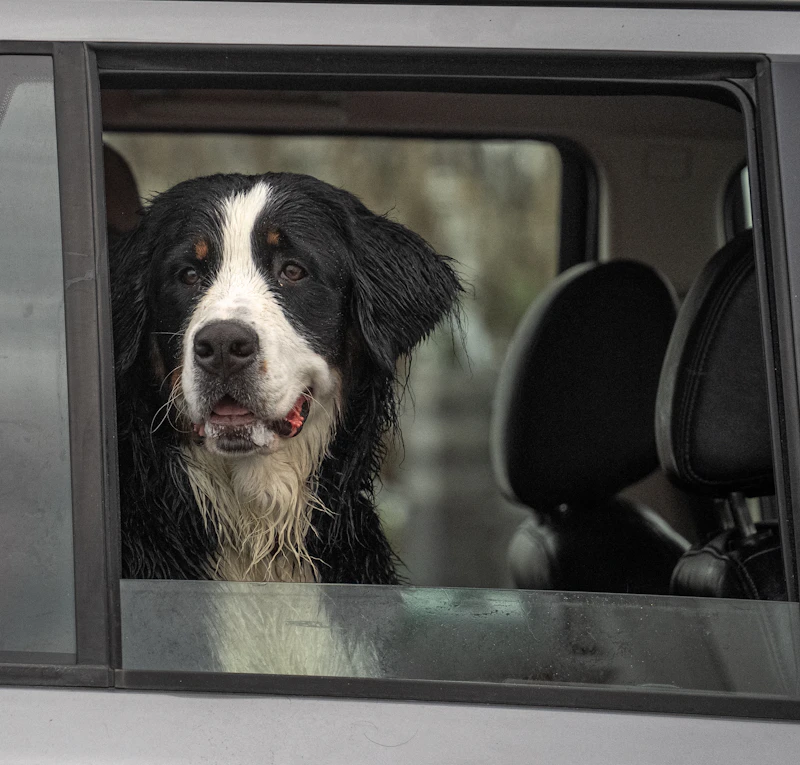
If you’re searching for how to travel safely with a dog in the car, the quick answer is: always secure your dog using a crash-tested restraint (like a harness, crate, or barrier), never let them ride loose, and plan your trip to meet their needs with enough water, breaks, and temperature control. Safe car travel with a dog protects both your pet and everyone else in the vehicle, making the ride smoother and free from distractions. Below, you’ll find detailed dog car travel tips covering everything from restraint options to travel routines and essential supplies—so everyone arrives happy and safe.
Why Dog Car Safety Matters
Driving with a dog seems simple, but even short car rides pose risks if your pet is unrestrained or unprepared. Unsecured dogs can be seriously injured by sudden stops or collisions—and they can also distract the driver, potentially leading to accidents. Beyond safety, comfortable travel supports your dog’s physical and emotional well-being, minimizing anxiety and accidents inside the car.
Common Dangers of Unrestrained Dogs
- Driver Distractions: Dogs who wander or jump in the car can block your view or interfere with controls.
- Injury Risks: In a crash, an unrestrained dog can become a projectile, endangering themselves and others.
- Escape Hazards: Unsecured dogs may bolt from an open window or door, risking injury or getting lost.
- Stress and Overheating: Dogs may pant, pace, or get sick if they feel unsafe or overheated in transit.
Best Ways to Secure Your Dog in the Car
The foundation of safe car travel with a dog is restraint. There are three main choices: dog seat belt harnesses, travel crates, and car barriers. Your dog’s size, temperament, and vehicle type should all influence your selection.
1. Dog Seat Belt Harnesses
Specially made harnesses connect from your dog’s chest to the car’s seat belt system, keeping them firmly in place in an accident or sudden stop. They also prevent movement around the car, reducing distractions. Many dog owners choose seat belt harnesses because they allow the dog to sit or lie down comfortably.
- Seek harnesses that are crash-tested for your dog’s weight and size.
- Always avoid attaching seat belts to your dog’s collar—a sudden stop could cause neck injury.
- For large breeds, check out our guide to the Best Harnesses for Large Dogs.
- See which models passed the highest safety standards in our Best Dog Seat Belt Harnesses for Car Travel article.
2. Dog Travel Crates and Carriers
For many dogs—especially those who feel safe in enclosed spaces—a well-ventilated travel crate is the safest option. The crate should be securely strapped in, offering protection in case of an accident and preventing distractions. Choose a crash-tested model that fits your car and your dog’s size. The crate must be large enough for your dog to stand, turn around, and lie down.
- Crates cushion your dog, contain messes, and keep anxious dogs calm.
- Never place a crate in the front seat (activating airbags can endanger your pet).
- You can learn more about travel crate features in our Best Airline-Approved Dog Crates guide—even for road trips, these crates excel in safety and comfort.
3. Dog Car Barriers
For larger vehicles (SUVs, wagons), a sturdy car barrier can confine your dog to the back seat or cargo area. This prevents interference with driving, though barriers alone don’t restrain your dog in a crash and should be used alongside a harness or crate whenever possible.
- Look for barriers securely bolted or fastened—not just tension-held bars, which may fail in a collision.
- Barriers are not appropriate for every dog, especially smaller or anxious pets.
Where Should My Dog Ride in the Car?
The safest place for dogs is the back seat. Never transport a dog in the front seat—airbags can cause severe injury, and distractions are greater. For SUVs and hatchbacks, the rear cargo area can work if your dog is crated and the crate is secured.
- Back Seat: Best for harnesses and booster seats.
- Crate in Cargo Area: Only if crate is tightly secured and doesn’t overheat.
- Never in Lap: Avoid having your dog ride on your lap or stick their head out of windows.
Preparing Your Dog for Car Travel
Preparation makes the difference between a relaxed, happy road trip and a stressful ordeal. Acclimating your dog, packing smart, and planning ahead can make any car journey smoother.
Acclimating Your Dog to Car Trips
- Start with short, positive drives to build comfort and trust.
- Reward calm behavior inside the car with treats and praise.
- If using a crate or harness, practice putting it on at home before trips.
- Increase trip duration gradually—let your dog associate the car with pleasant experiences (parks, treats).
Essentials to Bring for Safe Car Travel
Prepare a bag with your dog’s travel must-haves. For longer journeys, review our Dog Travel Packing List for Weekend Trips to make sure you don’t forget anything.
- Leash and collar with updated ID tags
- Favorite blanket or bed for reassurance
- Travel-safe water bottle (see our Best Dog Travel Water Bottles picks)
- Portable bowls
- Poop bags
- Favorite toy or chew for distraction
- Copies of medical records if traveling far (just in case)
- Window shades and cooling mats for hot climates
- Cleaning wipes and towels for spills or accidents
Routine and Comfort: Making the Journey Pleasant
Dogs thrive on routine and comfort. Before setting out, make sure your dog has exercised and eliminated, so they’re calm and content on the road. Pay attention to their signs of anxiety or discomfort, and adapt as needed. Here are additional dog car travel tips for smooth rides:
Feed and Exercise Before Travel
- Exercise your dog before departure to help them relax.
- Feed your dog 2-3 hours before you drive—this helps prevent car sickness and bathroom emergencies.
- Never feed your dog while you’re driving.
Maintain a Cool, Comfortable Environment
- Keep the car at a comfortable temperature (use AC or heat as needed).
- Never leave your dog alone in a parked vehicle—temperatures climb quickly, even with windows cracked.
- Window shades and sun visors can minimize sun exposure for pets.
Plan Regular Breaks
- Stop every 2-3 hours for bathroom, water, and stretch breaks.
- Only let your dog out on a leash and in safe, permitted areas.
- Offer water regularly—use a spill-proof water bottle or bowl for clean drinking.
Safety Checklist for Traveling with Your Dog
Before departure, walk through a safety checklist to cover all bases. For a printable and comprehensive list, see our Dog Car Safety Checklist for Road Trips.
- Restraint: Is your dog securely harnessed, crated, or behind a sturdy barrier?
- Ventilation: Are windows cracked or AC on (never let your dog stick their head out)?
- Necessities: Collar, leash, ID tags, water, bowls, cleanup supplies
- Health: Up-to-date on preventives and vaccines
- Comfort: Favorite bedding or toys to reduce stress
- Break Stops: Rest areas mapped out along the route
- Backup Plan: Know where nearby veterinary clinics are, especially for long trips
Road Trip Troubleshooting: What to Watch For
Even well-prepared dogs can show signs of trouble in the car. Watch for these issues and address them promptly:
- Car Sickness: If your dog drools, vomits, or acts lethargic, turn off the radio and open a window for fresh air. Reduce food before travel and try shorter practice trips.
- Anxiety or Stress: Whining, panting, or restlessness may indicate stress. Comfort your dog, check for tight harnesses, and consider a familiar blanket or toy.
- Overheating: Excessive panting, drooling, or red gums are urgent—pull over, give water, and use AC or shade.
- Restlessness: Physical needs (bathroom, water, or exercise) may be unmet. Plan for more frequent breaks.
Choosing the Right Dog Travel Gear
Good gear is the backbone of safe car travel with a dog. From seat belt harnesses to spill-proof travel bowls, invest in items that are practical, easy to use, and sized correctly.
Sizing Dog Seat Belt Harnesses and Crates
- Harness: Measure your dog’s chest and neck girth for a snug but comfortable fit (no rubbing or chafing). Most harnesses offer size guides by weight and breed.
- Crate: Your dog should be able to stand up, turn around, and lie down. Measure nose to tail for length, and top of head to floor for height. Add a few extra inches for comfort (especially for extended journeys).
Features to Look For
- Crash-Test Certification: Look for independent test results on restraint systems (harnesses and crates).
- Ease of Use: Choose restraints that are quick to put on and remove, since you’ll use them often on breaks.
- Washability: Removable, machine-washable covers or liners are a big advantage for muddy paws and accidents.
- Water Bottles: Simple, leakproof options are far less messy on the go. Browse our Best Dog Travel Water Bottles roundup for ideas.
- Visibility: Look for reflective trims if traveling at night or dawn/dusk.
Special Considerations for Puppies, Seniors, and Anxious Dogs
Not all dogs travel alike. Puppies, elderly dogs, and pets with anxiety may need extra accommodations for safe and comfortable journeys.
- Puppies: Start with very short trips, use a crate or booster seat, and bring potty pads just in case. Puppies are less predictable and may be more prone to car sickness.
- Seniors: Provide extra padding for joints and ensure frequent stops for bathroom and stretching. Senior dogs are more susceptible to heat and cold changes.
- Anxious Dogs: Comfort items—like worn clothing, a favorite blanket, or a calming toy—can help. Crates often provide anxious dogs with a den-like safe space.
Training Your Dog for Calm Car Travel
Training plays a key role in safe car travel with a dog. Dogs who are comfortable getting in and out of the car, settling in their space, and staying calm during starts and stops will travel more safely and with less stress.
- Teach your dog to enter and exit the car calmly, on a leash, and only when invited.
- Reinforce “stay” commands so your dog doesn’t bolt from the car when a door opens.
- Practice rides with the restraint system in place, gradually increasing duration.
- Use praise and small treats for calm and quiet behavior in the car.
With practice, most dogs associate car travel with positive experiences, making every ride safer for all.
Frequently Asked Questions
Do I have to restrain my dog in the car?
Yes, restraining your dog prevents injuries in accidents and reduces driver distractions. Properly secured dogs are safer and can’t escape unexpectedly.
Can I travel with my dog in the front seat?
It’s much safer for your dog to ride in the back seat; airbags and distractions make the front seat risky. Always avoid letting your dog ride on your lap or near the front airbag.
How do I prevent my dog from getting car sick?
Feed your dog a light meal 2-3 hours before travel, keep the car well-ventilated, and try short practice trips. Some dogs are more prone to motion sickness than others, but gradual acclimation helps.
What’s the best restraint system for large dogs?
Crash-tested seat belt harnesses or sturdy crates designed for your dog’s weight are recommended. For more details, see our Best Harnesses for Large Dogs guide.
Can my dog stick their head out the window?
Dogs should not stick their heads out the window—debris, wind, and sudden stops can cause injury. Instead, ensure your dog is safely restrained and keep windows partially closed for ventilation.
What should I pack for a long car trip with my dog?
Pack a leash, collar with ID, water and bowl, waste bags, comfort items (like blankets), travel crate or harness, health records, and cleaning supplies. For a detailed list, check out our Dog Travel Packing List for Weekend Trips.