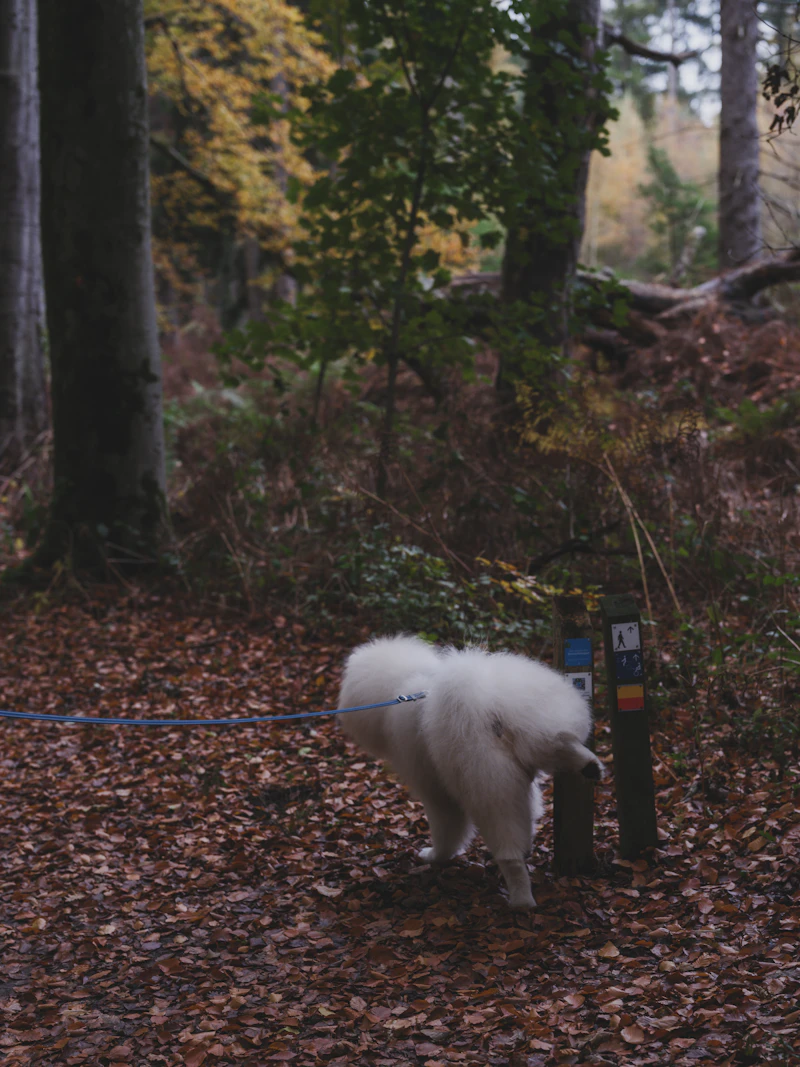
If you have a reactive dog, choosing the right leash can make walks safer and more manageable—both for you and your pup. The best leash for a reactive dog offers you control, prevents escapes, and withstands sudden lunges. Here’s a practical guide to understanding what makes an effective reactive dog leash, what features matter most, and how to use your leash setup to promote safer, more enjoyable walks for everyone involved.
Understanding Reactivity in Dogs: Why Leash Choice Matters
Reactivity in dogs generally refers to strong, sometimes unpredictable responses to certain triggers—like other dogs, people, vehicles, or distractions. These responses often include barking, lunging, or pulling. For many owners, walking a reactive dog can be stressful, particularly in busy environments.
Leash selection isn’t just about physical restraint; it’s a tool that can help you manage, communicate, and build safety while walking a reactive dog. The right leash minimizes risk of escape, gives you effective control during sudden outbursts, and can reduce your dog’s overall stress with proper use.
Key Qualities of a Good Leash for Reactive Dogs
Consider these essential features when searching for a leash for a reactive dog:
- Strength and Durability: The leash must be made of sturdy material that won’t break or snap during a strong lunge or pull.
- Secure Hardware: Strong clasps that lock firmly to your dog’s collar or harness minimize the risk of accidental release.
- Appropriate Length: Reactive dogs typically do better with shorter leashes (4-6 feet) for increased control during training and walks.
- Comfortable Grip: Soft padding or ergonomic handles help you hold tight during unexpected lunges, reducing strain on your hands and wrist.
- Low Elasticity: Avoid overly stretchy or elastic leashes, as these reduce control and can increase risk during reactivity episodes.
Types of Reactive Dog Leashes: Pros and Cons
The best leash for a reactive dog depends on your dog’s size, triggers, walk environment, and your preferences. Here’s a rundown of popular types:
Standard Nylon or Leather Leash
- Pros: Reliable, durable, and available in various widths and configurations. Leather softens over time and can offer better grip. Nylon is affordable and easy to clean.
- Cons: If too thin, nylon may cut into your hands during lunges. Low-quality hardware is a risk.
Double-Handle Leash
- Pros: Features an extra handle close to the clip so you can instantly shorten the leash and gain more control. Excellent for walking reactive dogs in crowded spots or near triggers.
- Cons: Slightly bulkier; not all dogs appreciate double-handling.
Slip Lead (as a Training Aid)
- Pros: Useful for precise control during quick training sessions with experienced handlers.
- Cons: Not ideal for beginners or dogs prone to strong pulling, as it can tighten unexpectedly. Should not be left on unsupervised or as a daily walking tool for most reactive dogs.
Traffic Leash
- Pros: Very short leash (12-18 inches) designed for keeping your dog close in high-distraction areas or crossing busy streets.
- Cons: Not meant for general walks; can be overly restrictive for some dogs if used exclusively.
No-Retractable Leashes
- Pros: Essential for reactive dogs. Retractable leashes remove control, create hazards, and increase risk in high-stimulation environments.
- Cons: None for reactive dogs. Avoid retractables altogether.
Harness + Leash Combo
- Pros: When paired with a well-fitted front-clip harness, a standard leash offers more control, reducing pulling and helping to redirect your dog’s attention.
- Cons: Must ensure the harness fits snugly and doesn’t cause rubbing or discomfort.
What to Avoid When Picking a Reactive Dog Leash
- Retractable Leashes: Offer minimal control, can injure both dog and handler, and often malfunction in critical moments.
- Cheap Clasps or Thin Materials: Can break under pressure; look for robust, locking carabiners or durable snap bolts.
- Bungee Leashes: Designed to absorb shock but can actually increase difficulty handling a reactive dog and make sudden lunges harder to control.
- Overly Long Leashes: Longer lines (10ft+) are best used for controlled recall training, not for urban or reactive dog walking.
Practical Leash Sizing Guide: Find the Right Size and Width
For a reactive dog, both the length and thickness of the leash matter. Here’s how to choose:
| Dog Size | Recommended Length | Recommended Width |
|---|---|---|
| Small Breeds (<25 lbs) | 4-5 feet | 3/8” - 1/2” |
| Medium Breeds (25-60 lbs) | 5-6 feet | 1/2” - 3/4” |
| Large Breeds (>60 lbs) | 4-6 feet | 3/4” - 1” |
The leash should allow your dog some freedom for sniffing but keep them close enough to manage reactions quickly. Remember, thicker leashes usually offer better grip and durability but can be heavy for very small dogs.
Leash Hardware: Clasps, Handles, and Add-Ons
Beyond the material and length, here are a few hardware features to look for in a reactive dog leash:
- Locking Carabiner Clips: Carabiner styles with screw locks or auto-locks are the most secure for dogs that leap and twist.
- Swiveling Mechanisms: Prevent tangling and let your dog turn without twisting the leash into knots.
- Padded or Ergonomic Handles: Especially important if your walks tend to be lengthy or high-tension. Some leashes even feature anti-slip rubber or neoprene lining.
- Second “Traffic” Handle: As discussed above, helps maintain tight control in high-distraction situations.
- Reflective Stitching: Boosts visibility if you walk early or late in the day, reducing the risk to both you and your dog.
Using the Leash: Tips for Safer Walks with a Reactive Dog
No leash replaces careful training, but proper use can make a huge difference. Here are some practical tips:
- Always Check Hardware Before Each Walk: Look for signs of wear, weakened clips, or fraying. Replace if anything looks iffy—even the best reactive dog leash eventually wears out.
- Choose the Right Attachment Point: Pair your leash with a solid collar (martingale or flat) or a front-clip harness to reduce pulling and escape risk.
- Keep Slack Just Right: Too tight can stress your dog, too loose and you may not have enough time to react.
- Use Both Hands: For strong or unpredictable dogs, consider holding the handle with one hand and sliding your other hand down as a “brake.”
- Stay Watchful and Plan Routes: Avoid high-trigger areas if possible. Give yourself room to step aside or increase distance from triggers.
- Do Not Tie the Leash Around Your Wrist: This can lead to injury during sudden lunges. Instead, hold securely or use a leash with a secure grip or wrist loop.
Leash Training Basics for Reactive Dogs
While the right reactive dog leash provides security, combining it with training builds confidence for both of you. Here are basic strategies to practice:
- Start Indoors or in Low-Distraction Areas: Let your dog get accustomed to the leash and practice calm behaviors before challenging them outdoors.
- Reward Calm Walking: Treats, praise, or favorite toys can reinforce loose-leash walking and “look at me” behaviors near triggers.
- Apply Gentle, Consistent Corrections: When your dog pulls or reacts, calmly redirect their attention—never yank or punish.
- Gradually Increase Difficulty: Add triggers from a distance. Stay at a level your dog can handle before getting closer or increasing the challenge.
- Work with a Trainer if Needed: A professional can help you interpret your dog’s signals and set up practice scenarios.
The leash is only a tool—positive, consistent training helps create real change for reactive behaviors during walks.
Combining Leash, Harness, and Training: Optimizing for Safety
For many reactive dog owners, using a front-clip harness and a double-handle leash together creates the best results. Here’s how this setup helps:
- Front-Clip Harness: Reduces pulling and gives you steering power. Look for snug, escape-proof designs with padding for comfort and reflective elements for safety.
- Double-Handle (or Traffic-Handle) Leash: Lets you reel your dog in closer instantly if a trigger appears.
- Backup Collar Attachment: Some reactive dog leashes offer a secondary attachment to your dog’s collar for extra security—this is useful for dogs with a history of slipping harnesses.
Additional Accessories Worth Considering
These accessories can further support safe and controlled walks with a reactive dog:
- Treat Pouch: Fast treat access helps reinforce positive behaviors quickly.
- Dog Muzzle (Humane Training Style): For dogs with a history of biting or intense lunging. Ensure any muzzle is basket-style, allows panting, and is introduced gradually and positively.
- ID Tags: All gear should be clearly labeled with your current contact info in case of accidental escapes.
- Hands-Free Waist Leash (For Training Only): These can help advanced handlers, but always have a quick-release feature and never use them with an untrained reactive dog in public.
The Best Leash for Reactive Dogs: Summary Checklist
- Durable material (nylon, leather, or climbing rope)
- Length of 4-6 feet for control
- Secure, locking carabiner or snap
- Padded, ergonomic handle (and a second traffic handle if possible)
- Non-retractable style
- Reflective stitching or bright color for visibility
- Paired with a snug front-clip harness for severe pullers or dogs prone to backing out
If your leash checks all these boxes, walking a reactive dog becomes a more manageable, safer, and ultimately more positive experience for everyone involved.
Frequently Asked Questions
How long should a leash be for a reactive dog?
The best leash length for a reactive dog is usually 4 to 6 feet. Shorter leashes allow more control and help you keep your dog close when approaching triggers, while still giving your dog enough freedom to move and explore during calm moments.
Can I use a retractable leash with a reactive dog?
No, retractable leashes are not a good choice for reactive dogs. They provide little control, are prone to snapping, and can cause injuries or increase reactivity due to tension and unpredictable length changes.
What kind of handle is best for a reactive dog leash?
Leashes for reactive dogs should have a padded or ergonomic handle to reduce hand fatigue and provide a solid grip during unexpected lunges. Some leashes feature a second handle near the dog for added control in high-distraction areas.
Is a harness better than a collar for reactive dogs?
A well-fitted front-clip harness can give you more control and reduce pulling for reactive dogs, especially those that lunge forcefully. A harness also reduces strain on your dog’s neck, which is safer if they react suddenly. Pairing a harness with a secure, short leash is recommended.
How can I prevent my reactive dog from escaping their leash?
Choose a leash with a strong, locking carabiner clip and connect it to both a sturdy collar and a snug harness (using dual clips if available). Check the fit of all equipment before walks and regularly inspect for wear or damage.
Should I use a double-handle leash for my reactive dog?
Double-handle leashes provide extra control and are especially useful for quickly shortening your grip if you encounter triggers. Many owners of reactive dogs find them helpful for navigating busy areas safely.