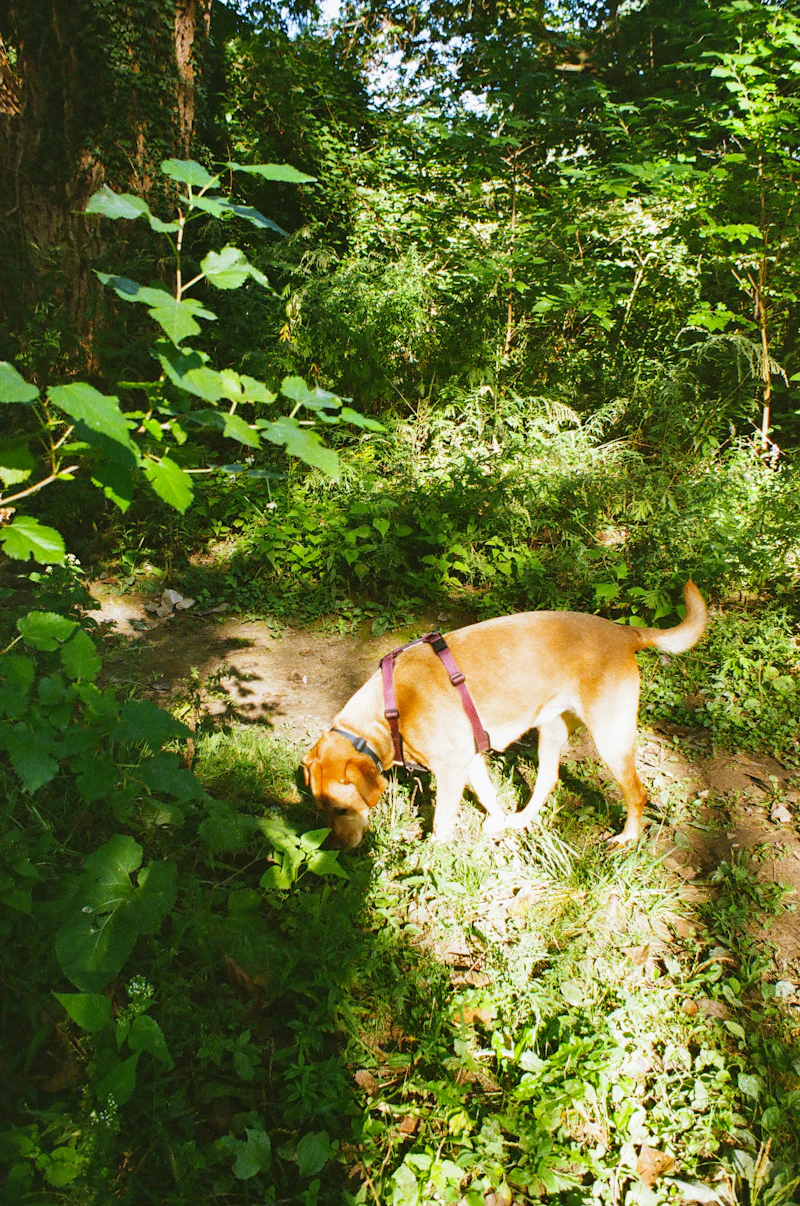
Choosing the best leash for puppies is an important step for every new dog owner. A suitable puppy leash makes early walks, training sessions, and everyday outings safer and more enjoyable for both you and your pup. Since puppies have specific needs—like lighter weight, smaller sizes, and extra comfort—it’s important to select a leash that matches their size and developmental stage. This guide covers what to look for in your first leash for a puppy, sizing tips, essential features, and advice to help you pick the right puppy leash for your growing companion.
Why the Right Leash Matters for Puppies
Leash training is one of the earliest skills a puppy learns, and the right equipment can make a world of difference. Puppies are new to the sensations of being guided and restrained, and a poorly chosen or ill-fitting leash can lead to discomfort or even aversion to walks. A good puppy leash supports gentle guidance while keeping your dog safe and secure as they discover the world. Ultimately, this sets the foundation for good leash manners and positive experiences outdoors.
Key Features to Look For in the Best Leash for Puppies
Not all leashes are created equal, especially when it comes to young, small dogs. Here are the most important features to examine as you shop for your puppy’s first leash:
1. Lightweight Materials
- Why it matters: Puppies are much smaller and weaker than adult dogs. A heavy leash can be intimidating or uncomfortable.
- Look for: Leashes made from nylon, thin leather, or soft rope that are specifically marketed as lightweight puppy leashes.
2. Appropriate Length
- Standard length: For training and urban walks, a 4–6 foot leash is ideal. This offers enough slack for movement without losing control.
- Long leash: A 10–15 foot lightweight leash is helpful for recall training and provides puppies more freedom in safe open spaces.
3. Thin Yet Durable Construction
- Width: Leashes between 3/8" and 1/2" are generally best for puppies, balancing strength and comfort.
- Materials: High-quality nylon or soft leather will withstand light puppy chewing and tugging during training sessions.
4. Comfortable Handle
- Padded handles: Protect your hands from sudden pulls or “puppy zoomies.” Foam, neoprene, or rolled leather are all suitable.
- Non-slip grip: Especially helpful in wet conditions or during excitable moments.
5. Secure, Lightweight Hardware
- Swivel snap/hooks: A rust-resistant, easy-to-use clip that’s not too heavy for your puppy’s collar or harness.
- Size: For safety, ensure the hardware matches your puppy’s collar or harness D-ring, and never outweighs the leash itself.
6. Chew-Resistance
- Why: Puppies often explore with their mouths. Select a leash with reinforced stitching or tightly woven nylon for added durability.
- Bonus: Some leashes add a light, chew-resistant wire core (though this may add weight).
7. Visibility and Safety Features
- Reflective stitching or accents: Improve your puppy’s visibility to cars and bikes in low-light conditions.
- Bright colors: Make it easier to see your dog and avoid accidental tripping.
Types of Leashes for Puppies
Leashes come in several designs and materials, but not all are suitable for puppies. Here’s a breakdown of the best leash styles for young dogs and when to use them:
Standard Flat Leash
- Classic design: One continuous piece with a handle and snap clip.
- Best for everyday walks and training.
- Look for thin, lightweight versions for puppies—nylon and soft leather are top picks.
Rope Leash
- Rounded rope offers some built-in chew resistance and durability.
- Choose a slim diameter (under 1/2") for puppies.
- Popular for hiking and outdoor adventures. Handles may be padded or rope-style.
Long-Line Training Leash
- Typically 10–15 feet in length; built for recall training and playtime in safe open areas.
- Choose lightweight, tangle-resistant lines for puppies for easier control.
Adjustable Leash
- Length can be changed (often from 3–6 feet), which is handy for transitioning from training to everyday walks.
- Look for versions with lightweight hardware and narrow width for young dogs.
Retractable Leash (Not Recommended for Young Puppies)
- Retractable leashes give dogs more range, but are not ideal for puppies during basic leash training.
- They make it harder to teach loose leash walking and may encourage pulling.
Puppy Leash Sizing Guide
Sizing a leash for your puppy ensures they stay comfortable and secure as they learn to walk by your side. Here’s a quick guide recommended for new puppy owners:
| Puppy Weight | Recommended Leash Length | Recommended Leash Width | Hardware Size |
|---|---|---|---|
| Up to 10 lbs | 4 ft | 3/8" or less | Toy/lightweight |
| 10–25 lbs | 4–6 ft | 3/8"–1/2" | Small/medium |
| 25–40 lbs | 6 ft | 1/2"–5/8" | Medium |
| 40+ lbs | 6 ft | 5/8"–3/4" | Medium/large (choose lightweight material if puppy-age) |
If in doubt, choose the lightest, thinnest leash that safely manages your puppy’s size and energy level. You can always upgrade as they grow and gain confidence on walks.
Checklist: How to Select the Best Leash for Puppies
- Is the leash lightweight enough for your puppy’s current size?
- Does it have smooth and comfortable handle padding to protect your hand?
- Is the leash material gentle, yet strong (look for soft nylon or rolled leather)?
- Does the hardware (clip/snap) fit the puppy’s collar or harness securely and is it light?
- If training, does the leash allow enough length for learning (e.g., 6 feet for walks, 10+ feet for recall)?
- Is it easy to clean (especially if your puppy has accidents or gets messy)?
- Are there added visibility features (reflective stitching, bright colors) for safety?
- Does it cost an appropriate amount, given your puppy will likely outgrow their first leash within a few months?
Comparing Popular Puppy Leash Materials
The material of your puppy’s first leash affects everything from comfort to durability to maintenance. Here’s how the common options stack up:
| Material | Pros | Cons | Best For |
|---|---|---|---|
| Nylon | Lightweight, affordable, machine-washable, comes in many colors | May fray if chewed, can cause “rug burn” if puppy pulls hard | General leash training, city walks |
| Soft Leather | Gentle on skin, softens over time, classic look, durable if well cared for | Needs regular conditioning, higher cost | Daily use, style preference |
| Polyester Webbing | Similar to nylon, typically quick-drying, non-absorbent | Slightly stiffer feel, may show wear over time | Rainy weather, active pups |
| Rope | Strong, resists chewing, good for outdoor adventures | Some are too heavy unless specified for puppies | Recalls, hikes |
When and How to Upgrade Your Puppy’s Leash
As your puppy grows, their needs will change. You might start with a narrow, super lightweight puppy leash during the earliest training weeks, and then move up to a slightly thicker, more durable leash once they’re closer to their adult size, usually around 6–9 months of age for many breeds. Always upgrade if:
- Your puppy outgrows the width or strength of their leash.
- Chewing or wear threatens the leash’s safety.
- You’re ready to practice more advanced leash skills (e.g., recall on a long-line).
- You need more control or comfort as their pulling strength increases.
Set aside the outgrown “first leash puppy” models as backups, or pass them to other puppy parents in your circle.
Training With Your First Puppy Leash
After choosing the best leash for your puppy, early training can begin right away—even around the house or yard. Here are some fundamentals:
- Short sessions: Start with just a few minutes at a time to introduce them to wearing a collar and light leash.
- Positive associations: Use treats, praise, and gentle movements.
- Loose leash walking: Never let your puppy pull you—stop, gently redirect, and reward calm walking beside you from the very start.
- No punishment: Avoid jerking, yelling, or dragging—these can make your puppy fearful of the leash.
- Gradual increase: Build up from short hallway walks to longer outdoor sessions as your puppy gains skill and confidence.
Care and Maintenance of Your Puppy’s Leash
Keeping your puppy’s leash clean and well maintained ensures both safety and comfort. Here are some tips:
- Regularly inspect: Look for frayed edges, loose stitching, or damage from chewing—replace if you find any significant wear.
- Cleaning nylon or webbing: Wash with mild soap and water, rinse thoroughly, and air dry.
- Cleaning leather: Wipe with a damp cloth, allow to air dry, and use leather conditioner as needed.
- Hardware: Check snap hooks for rust or sticking, and lubricate lightly if necessary.
- Avoid leaving on unattended puppies: Remove the leash during unsupervised times to reduce chewing or tangling risks.
Common Mistakes to Avoid When Choosing a Puppy Leash
- Choosing a leash that’s too heavy: This fatigues the puppy, makes walking less fun, and complicates training.
- Going with excess length too soon: Long leashes can tangle easily and create safety hazards during early leash training.
- Using adult-sized clips: Heavy-duty hardware is often needlessly bulky and heavy for small or young puppies.
- Skipping comfort features: Unpadded, rough, or slippery handles can hurt your hand, especially with excitable puppies.
- Ignoring your specific breed’s growth rate: Adjust leash thickness and material as your dog gains muscle and size.
Puppy Leash Selection: Age and Stage Considerations
Keep in mind that not all puppies mature at the same rate. A toy breed might use a lightweight puppy leash for many months, while a large-breed puppy could outgrow theirs in a matter of weeks. Consider these stage-based tips:
- Young puppies (8–16 weeks): Always start with the lightest, thinnest leash and a comfortable collar or harness.
- Older puppies (4–8 months): Gradually increase leash width and strength as your dog fills out and gains confidence on leashed walks.
- Near-adult or large breeds: Stronger, chew-resistant leashes with reinforced handles may become necessary as puppy energy surges.
Summary: Making the Right Choice for Your Puppy
To find the best leash for puppies, match your choice to their current size, age, and activity level. Pick lightweight, appropriately sized leashes in soft, gentle materials for positive early experiences. Watch for comfort features for both you and your puppy—in particular, easy-to-grip, padded handles and non-bulky hardware. As your puppy grows and gains new skills, upgrade wisely to maintain both safety and enjoyment on every walk.
Frequently Asked Questions
What length leash is best for a puppy’s first walks?
A 4- to 6-foot leash is ideal for a puppy’s first walks and basic training. This gives enough space for your puppy to explore while allowing you to maintain safe control.
How do I know if a leash is too heavy for my puppy?
If the leash droops heavily, pulls your puppy’s collar or harness down, or your puppy hesitates to move with it attached, it is likely too heavy. Choose the lightest, narrowest leash that still feels sturdy to you.
Can I use a retractable leash with a puppy?
Retractable leashes are not recommended for young puppies, as they can encourage pulling and make loose leash training harder. It’s best to use a standard fixed-length leash while your puppy is learning basics.
Should I use a collar or a harness with a puppy leash?
Both can be used, but a harness is often safer and more comfortable for very young puppies, preventing strain on the neck. Ensure the attachment point for the leash fits securely and safely to your pup’s gear.
How often should I replace my puppy’s leash?
Replace the leash if you notice fraying, tears, weakened hardware, or if your puppy has clearly outgrown the leash’s width or strength. Regular inspection will help spot wear before it becomes a safety issue.
What is the best material for a puppy leash?
Soft nylon and lightweight leather are the most common options for puppy leashes. They are both gentle and strong, with nylon being especially easy to clean and affordable for fast-growing pups.