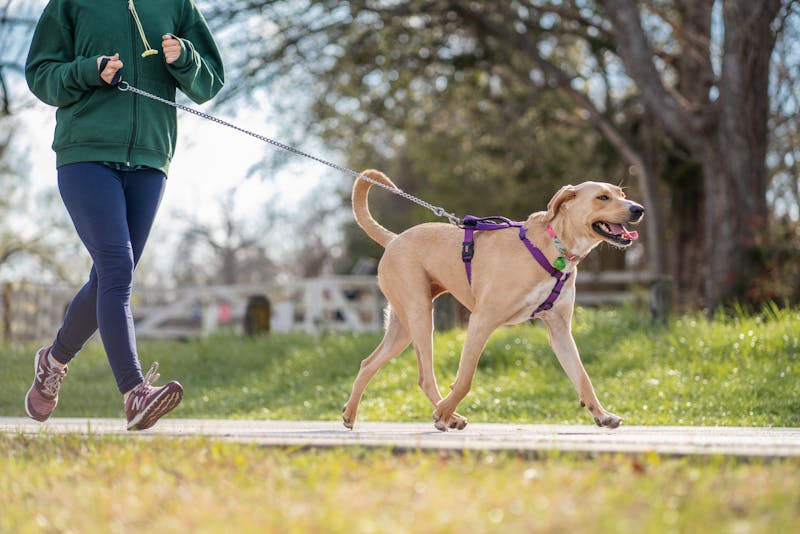
Choosing the right leash length can make daily walks safer, easier, and more enjoyable for both you and your dog. The ideal dog leash length depends on your dog’s size, training level, activity, and where you plan to walk. This dog leash length guide breaks down every key factor so you can confidently pick a leash that fits your lifestyle and keeps your dog safe.
Understanding Dog Leash Lengths: Quick Overview
Dog leashes typically range from 2 feet to 30 feet or even longer. The most widely used leashes are 4 to 6 feet in length. Shorter leashes provide more control, while longer leashes offer freedom for exploration. The “best leash length” isn’t one-size-fits-all—it must meet your dog’s needs and your preferred activities.
Standard Dog Leash Lengths and Their Uses
Common Leash Length Options
- 2-3 feet: Often called “traffic leashes”; great for crowded areas and large dogs needing close control.
- 4 feet: Offers good control while allowing limited sniffing space; suitable for busy sidewalks.
- 6 feet: Most popular “everyday” leash length—balances control and exploration.
- 8-10 feet: Gives more room for sniffing and gentle wandering, often preferred in parks or open spaces.
- Long lines (15 feet or more): Best for recall training, hiking, or safe off-leash simulation.
Quick Reference Table: Leash Lengths vs. Activity
| Leash Length | Best Use | Advantages | Considerations |
|---|---|---|---|
| 2-3 feet | City walks, close control, training | Maximum control, safety in crowds | Very limited freedom for dog |
| 4 feet | Urban walks, vet visits | Good control, some sniffing room | Less suitable for relaxed walks |
| 6 feet | Routine walks, training | Balance of control and freedom | May tangle in crowds |
| 8-10 feet | Parks, open spaces | More exploration room | Less control if dog pulls |
| 15-30+ feet | Recall, hiking, tracking | Excellent for training, play | Not for busy areas, risk of tangling |
Key Factors in Choosing the Best Leash Length
1. Dog Size and Strength
The strength and size of your dog are top considerations. Large, powerful breeds are easier to control with shorter leashes, while small or toy breeds may be managed effectively with longer leashes.
- Large dogs (>50 lbs): 2-4 feet for busy areas; 6 feet for regular walks.
- Medium dogs (20-50 lbs): 4-6 feet for daily use.
- Small dogs (<20 lbs): 6 feet works well; may go longer in safe spaces.
Stronger dogs or those still learning leash manners benefit from shorter leashes, especially in unpredictable environments. A quick-sizing reference is provided later in this article.
2. Walking Environment
Your leash choice should reflect where you walk most:
- City sidewalks/urban areas: 2-4 feet is ideal.
- Parks and suburban neighborhoods: 4-6 feet provides versatility.
- Open fields/hiking trails: 8-30+ feet long line allows exploration under control.
3. Dog’s Temperament and Training
Some dogs need close supervision, while others are calm and reliable. If your dog pulls, lunges, or reacts unpredictably, a shorter leash keeps them secure. More relaxed, well-trained dogs may safely enjoy longer leashes. Always match leash length to obedience level for safety.
4. Intended Activity
The activity you and your dog enjoy most should guide your leash choice:
- Walks in traffic or crowded areas: use a 2-3 foot “traffic” leash.
- Everyday walks: a 4-6 foot leash gives the right balance.
- Training recall or playing fetch in safe fields: use a 15-foot+ long line.
Leash Length by Dog Size: Practical Sizing Guide
Below is a practical guide on how long dog leashes should be, based on your dog’s size and leash-walking skill.
| Dog Size | Recommended Leash Length | Why This Works |
|---|---|---|
| Toy/Small (<20 lbs) | 6 feet (daily walks)
8-10 feet (safe areas) |
Lightweight, manageably long, allows exploration for small strides |
| Medium (20-50 lbs) | 4-6 feet (daily walks)
8 feet (parks/open areas) |
Good control with enough freedom for enjoyable walks |
| Large/Strong (>50 lbs) | 2-4 feet (urban areas)
6 feet (routine walks) |
Maximum safety in crowds; 6 feet lets them move without overpowering handler |
Types of Dog Leashes and How They Affect Length Choice
Standard Leash
These are made of nylon, leather, or rope. Most are available in 4, 5, or 6-foot lengths, offering a balance between control and comfort. Standard leashes are best for everyday use.
Retractable Leash
Retractable leashes extend from 10 to 26 feet. They offer freedom, but control can be compromised. Not recommended for strong pullers, untrained dogs, or crowded environments. Set limits to keep your dog close when necessary.
Long Line Leash
Designed for training recall or adventures in open spaces, these leashes are 15-50 feet long. Always use a harness, not a collar, to protect your dog’s neck during off-leash-like play and training sessions.
Adjustable Leash
These leashes allow varying lengths and are often 3-in-1 or 2-in-1, giving you flexibility on the go. They can adapt from 3 to 6 feet for different walking environments.
Situational Guide: Best Leash Length for Common Activities
Busy City Sidewalks and Crowded Events
- Choose a 2-4 foot leash for ultimate control and safety.
- Recommended especially for large, strong, or reactive dogs.
Neighborhood Walks and Casual Park Use
- 6 feet is the all-purpose length, suitable for most dogs and handlers.
- Allows enough slack for sniffing and exploration without getting tangled.
Off-Leash Training and Recall Drills
- Use a 15-30+ foot long line to practice off-leash skills safely.
- Requires open, low-distraction spaces and close supervision.
Running or Jogging with Your Dog
- Opt for a 4-6 foot hands-free leash for steady pacing.
- Shorter leashes (2-4 feet) are better for large, quick dogs to prevent sudden tangles.
Hiking and Exploring Nature Trails
- Use a 10-15 foot leash for room but keep your dog under control around wildlife or tricky terrain.
- Longer leashes work best with trained dogs who reliably respond to cues.
Checklist: How to Choose the Right Leash Length
- Assess your dog’s size/strength and adjust for safety.
- Think about your most frequent walking environment.
- Factor in your dog’s recall skills and behavior on leash.
- Match leash length to activities you do most often.
- Try a few lengths, if possible, to identify what feels best for you and your dog.
- Check local leash laws—some parks or cities have maximum leash length rules.
Tips for Testing and Adjusting Leash Length
If you’re unsure about the best leash length for your dog, try these tips:
- Adjustable leashes: Opt for leashes that allow you to test multiple lengths in one product, especially for growing puppies or rescue dogs with unknown habits.
- Observe your dog’s walking style: If your dog constantly tangles a 6-foot leash, try 4 feet for more control. Conversely, if they’re frustrated by a short leash in open areas, try a longer one.
- Bring backup leashes: For adventures, bring both a shorter and a long line. Switch between them as needed.
- Watch your comfort: If you find yourself frequently shortening your leash, go for a shorter model. If you’re always giving out more slack, a longer leash might be better.
Common Mistakes and How to Avoid Them
- Using too long a leash in crowded areas: This can cause tripping, tangling, or make it hard to control your dog.
- Choosing based only on dog size: Consider temperament, training, and activity, too.
- Ignoring leash rules: Some parks require leashes under 6 feet—check before visiting.
- Relying on retractable leashes for all situations: These can be unsafe in traffic or for dogs with poor recall skills.
Dog Leash Length Guide for Puppies and Young Dogs
Puppies and newly adopted dogs often benefit from a shorter leash (4 feet) during initial training to prevent pulling and tangling. As your dog learns reliable leash manners, gradually increase leash length for exploration and confidence.
- Use a 4-foot leash for early walks and urban outings.
- Progress to a 6-foot leash for mastering polite walking and giving your puppy more space.
- Only use long lines in secure, open areas and always supervise closely.
Safety Considerations for Leash Length
- Ensure secure attachment: Use strong clips and check leash condition regularly, regardless of length.
- Beware of hazards: Longer leashes can snag on obstacles or trip people. Always be aware of your surroundings.
- Transition with training: Shorter leashes help dogs learn manners. Longer leashes are best for trained, well-behaved pets.
- Use a harness for long lines: Prevents neck injury if your dog dashes to the end of a long leash.
Adjusting as Your Dog Grows or Learns
Your dog’s needs may change over time. Puppies outgrow their early leash manners; older dogs might slow down or need more support. If your dog’s training improves, you can ease up with a longer leash. If your dog becomes reactive or your environment changes (moving to a city, for example), going shorter again may be safer.
Summary
- Short leashes (2-4 feet) offer control in busy or high-risk areas, especially for big or energized dogs.
- Medium lengths (6 feet) are best for most everyday walking scenarios and suit a majority of dogs.
- Long lines (10 feet and up) are best for recall training, open fields, or exploration when safety is not a concern.
- Match leash length to your dog’s size, behavior, your training style, and local leash laws.
Frequently Asked Questions
How long should a dog leash be for daily walks?
For daily walks in most neighborhood or park settings, a standard 6-foot leash is recommended. This length gives enough slack for sniffing and movement while maintaining good control.
What leash length is ideal for training my dog?
For leash manners and obedience, a 4 to 6-foot leash works well. For recall or distance training, a long line (15 to 30 feet) allows your dog space while maintaining safety.
Is a shorter leash better for large or strong dogs?
Yes, a shorter leash (2 to 4 feet) is usually best for large or powerful dogs, especially in busy or distracting environments, to provide maximum control.
Can I use a long leash everywhere?
Long leashes are best for use in open, low-traffic areas. In crowded or urban settings, they can become tangled or pose safety risks to others. Check local leash regulations as well, since some places restrict maximum leash length.
Are retractable leashes safe to use?
Retractable leashes can give dogs more freedom but aren’t appropriate for all dogs or environments. They may reduce control and are not suitable for strong pullers, reactive dogs, or crowded areas.
How do I know when to adjust my dog’s leash length?
If your dog frequently gets tangled, pulls, or you feel you lack control, try a shorter leash. As your dog’s training and recall improves, you may choose to gradually extend leash length when safe to do so.