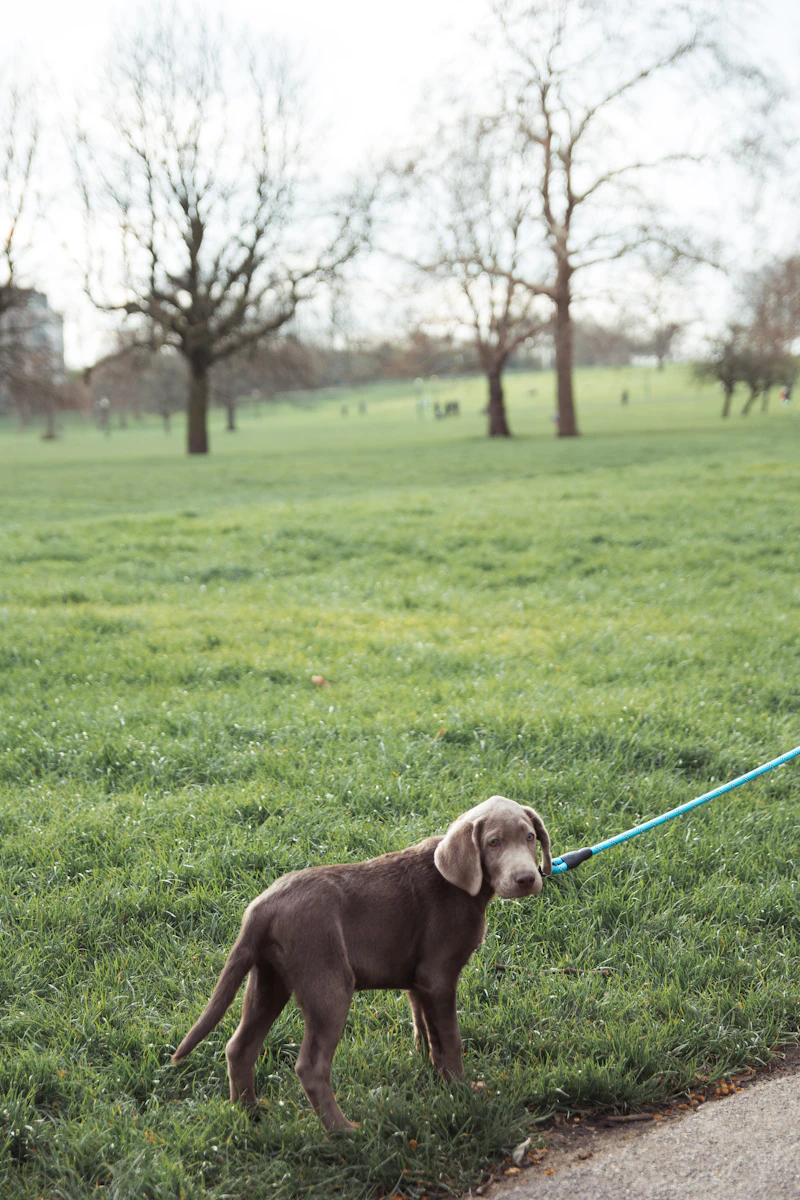
Choosing the right leash for a reactive dog can make walks safer and more comfortable for both you and your pup. A leash designed for reactive dogs should enhance your control, support training, and minimize the risk of problematic lunging or pulling. The best leash for a reactive dog is not a one-size-fits-all answer—it depends on your dog's size, triggers, training level, and your own comfort. In this guide, you'll find a thorough breakdown of leash types, features to look for, helpful accessories, and real-world advice for handling a reactive dog on walks.
Understanding Reactivity and Leash Needs
A reactive dog is one who responds intensely to certain triggers on walks—such as other dogs, people, cars, or noises. This can mean barking, lunging, growling, or pulling suddenly and forcefully. Walking a reactive dog poses unique risks: sudden movements may injure you or your dog, or cause you to lose control entirely. That’s why your choice of leash is critical.
The leash for a reactive dog must do three things well:
- Resist strong pulling and lunging forces
- Provide comfort and security for handler and dog
- Support positive training habits and quick management
Common Triggers for Reactivity on Walks
Recognizing your dog’s specific reactivity triggers helps you pick the safest and most functional leash setup. Common triggers include:
- Strange or approaching dogs
- People (especially those behaving unexpectedly)
- Fast-moving vehicles or bikes
- Loud or unusual noises
- Wildlife or stray animals
Your leash choice should accommodate sudden outbursts in response to these triggers.
Types of Leashes for Reactive Dogs
There are various leash types commonly available, but not all are suitable for reactive dogs. Below you'll find the main categories, with key pros, cons, and suitability for reactivity.
Standard Flat Leash
- Material: Usually nylon, polyester, or leather
- Length: Commonly 4-6 feet
- Pros: Simple, strong, affordable, good control
- Cons: Limited flexibility, may burn hands if gripped tightly when dog lunges
This traditional leash is often recommended as a starting point. The best leash for a reactive dog is often a robust flat leash, as it provides solid control without extra moving parts that could fail in a tense moment. Look for well-stitched, wide styles with comfortable handles.
Double-Handle Leash (Traffic Handle)
- Material: Typically heavy-duty nylon or reinforced materials
- Features: Standard-length grip plus short "traffic" handle near dog’s collar
- Pros: Gives you close-up control during high-alert situations (e.g. passing a trigger)
- Cons: Slightly bulkier; requires practice to swap quickly between handles
A double-handle or traffic leash is widely considered the best leash for walking a reactive dog in urban or high-trigger environments. The shorter handle lets you hold your dog close and reduce the risk of lunging accidents.
Bungee Leash (Shock-Absorbing)
- Material: Elastic core with nylon or polyester cover
- Pros: Reduces jarring impact from sudden lunges
- Cons: The elasticity can sometimes encourage pulling; may feel less controlled to handler
Some reactively walking dogs benefit from leashes that gently absorb shock. However, these are best left to well-trained dogs or as a component of a dual-clip setup; for strong, unpredictable pullers they can sometimes feel too loose, especially for new handlers.
Hands-Free Leash
- Material: Nylon webbing or reinforced materials, worn around waist or cross-body
- Pros: Leaves hands free for treats, cues, or training; works well for stable, leash-trained dogs
- Cons: Not recommended for strong, unpredictable reactivity; may cause falls if the dog lunges hard
Generally, hands-free leashes are not preferred for strongly reactive dogs, but can work for mild reactivity if used with caution, especially when paired with training or management equipment.
Chain Leash
- Pros: Chew-resistant; excellent for dogs prone to leash-biting due to frustration or reactivity
- Cons: Heavy, stiff, less comfortable for the handler, not suitable for small dogs or those with neck/back issues
While rare, chain leashes provide an option for dogs who bite and destroy nylon leashes during reactive outbursts. However, the weight and lack of flexibility make them less than ideal for comfort.
Leash Length: What’s Safest for a Reactive Dog?
Leash length is a critical factor when managing a reactive dog. Too long, and you lose control during abrupt lunges. Too short, and your dog may feel trapped and escalate, or you may not have enough slack for safe maneuvering.
| Leash Length | Best For | Risks |
|---|---|---|
| 4 feet | Crowded trails, city streets, high-trigger areas | Less freedom, can frustrate some dogs |
| 6 feet | General walking, mild reactivity, moderate traffic | More slack to manage during lunges, requires alert handling |
| Double-Handle (4+2 ft) | Buffers between situations, temporary ultra-short control | Heavier, more to hold |
| Long Line (10+ feet) | Not recommended for reactive dogs unless used for controlled recall practice in secure, trigger-free areas | Zero quick control, not safe during walks |
Most owners walking a reactive dog choose a 4- to 6-foot leash. A 6-foot leash provides adaptable slack, but has to be shorted by wrapping around your hand or opting for a dual-handle style in highreactivity environments.
What to Look for: Key Leash Features for Reactive Dogs
When searching for the best leash for a reactive dog, prioritize strength, comfort, and safety features. Here’s a checklist to help you evaluate any leash:
- Durable Material: Heavy-duty nylon, premium leather, or reinforced webbing. Thin, lightweight leashes wear out quickly and don’t withstand lunges.
- Secure, Quality Hardware: Sturdy metal clasps (bolt snap or trigger snap) are critical. Avoid plastic clasps or hardware with visible seams that could break.
- Comfortable Handle(s): Handle should have padding or soft covering to prevent rope burn or blisters during sudden pulls.
- Traffic (Close) Handle: A bonus feature for maximum control around triggers—lets you shorten the leash instantly.
- Reflective Stitching/Trim: Increases visibility and safety when walking at dawn, dusk, or nighttime.
- Chew Proofing: If your dog tends to bite the leash when triggered, look for a leash with built-in chew guards, chain segments, or thicker webbing.
- Weather Resistance: Especially if you train or walk daily, a water-resistant or quick-drying leash is a practical upgrade.
- Weight: Choose a leash that matches your dog’s size and pulling power. Heavy-duty for large or giant breeds, lightweight but strong for small dogs.
Best Leash Designs for Specific Reactive Dog Scenarios
The best leash for a reactive dog often depends on both your environment and how your dog displays reactivity. Here are common walking scenarios and the most recommended leash setups for each:
Urban Walking: Navigating Busy Sidewalks
- Recommended: 4- to 5-foot leash with dual handles or a short, padded traffic leash
- Benefits: Keeps the dog close and controlled, switching to short handle around other dogs or people
Parks and Moderate-Trigger Areas
- Recommended: 6-foot standard or bungee leash with reinforced hardware
- Benefits: Allows a bit more freedom for sniffing/relaxation but enough control to manage lunges if needed
Transition from Car or Home to Sidewalk
- Recommended: Double-handle leash
- Benefits: Avoids unexpected bolts as you move through tight spaces before starting the walk
Training Sessions in Low-Distraction Settings
- Recommended: 6-foot leash; if teaching recall, use a 10-15 foot long line only when safe (no triggers present)
Dogs Who Chew When Frustrated
- Recommended: Nylon leash with chew guard, chain segment at front, or a full chain leash for brief training sessions
Additional Tools and Accessories for Walking a Reactive Dog
While the leash itself plays a vital role, here are other accessories and management tools to consider as part of your walking setup:
- No-Pull Harness: Helps distribute force, less risk of choking or trachea injury—especially useful for lungers
- Waist Belt or Carabiner: Backup security if your grip slips during a reactive episode
- Treat Pouch: Quick-access rewards help reinforce good behavior and distract from triggers
- Attachable ID Tag: In case leash or collar fails during an incident
Practical Leash Sizing Guide: Matching Leash to Dog Size
Reactive or not, your dog’s size and strength determine the safest leash for daily walks. Here’s a quick guide to choosing strength and hardware size:
| Dog Weight | Recommended Leash Width | Hardware Size | Notes for Reactivity |
|---|---|---|---|
| Under 25 lbs | 3/8" to 1/2" | Small/medium snap | Lightweight, but avoid thin, weak clasps |
| 25-50 lbs | 1/2" to 3/4" | Medium snap | Look for reinforced stitching and comfort handle |
| 50-100 lbs | 3/4" to 1" | Large, heavy-duty snap | Heavy-duty dual-handle or traffic leash preferred |
| Over 100 lbs | 1" (or thicker) | Oversize, pro-grade hardware | Industrial-grade, secure backup carabiner recommended |
Real-World Tips for Managing a Reactive Dog on Leash
Even with the best leash for a reactive dog, handling technique is key for safe, positive walks. Here are practical strategies:
- Use a Training Harness: Consider using a no-pull or front-clip harness, attached securely to your leash, for better control.
- Practice Leash Handling: Get comfortable switching grip styles and using the traffic handle while walking, before you’re faced with real-life triggers.
- Keep Leash Slack Short Near Triggers: In tight spaces, shorten the leash to prevent surprise lunges—don’t give excess slack.
- Move Off Path When Possible: When you notice a trigger ahead, try to cross the street or create more distance.
- Reward Calm Behavior: Use treats or favorite praise when your dog responds well to triggers, even at a distance.
- Avoid Tension in Your Body: Tightening the leash preemptively can communicate stress and sometimes escalates reactivity. Stay loose when possible, but ready to tighten if needed.
- Regularly Inspect Gear: Look for fraying, broken hardware, or wear—replace leashes and collars at the first sign of weakness.
Leash Training for Reactive Dogs: Steps for Success
Leash selection helps, but training makes the most long-term difference. Here’s a step-by-step approach for working with a leash-reactive dog:
- Practice in Low-Distraction Areas: Start in your yard or a quiet street. Use your selected leash type and reinforce calm walking.
- Introduce Mild Triggers at a Distance: Gradually increase the challenge, rewarding calm behavior as you notice distant triggers (passing dogs, people, cars).
- Learn Positive Distraction: Use treats or toys to redirect focus when your dog begins to notice a trigger.
- Advance to Busier Environments: Only when your dog shows improvement, move to slightly more challenging scenarios always monitoring stress levels and success.
- Stay Consistent: Use the same leash setup every time and maintain short, positive sessions for best success.
What Not to Use for Reactive Dogs
- Retractable Leashes: Not safe for reactive dogs. They offer little control in emergencies and can easily break or cause injury during sudden lunges.
- Thin, Rope-Style Leashes: Can cause burns, offer little shock absorption, and tend to break under forceful pulls.
- Leashes with Weak, Plastic Hardware: Always prefer metal hardware—reactive dogs can easily break plastic snaps.
Summary Checklist: Leash for Reactive Dog
- Choose strong, reinforced leash materials (nylon, leather, or webbing)
- Look for sturdy, metal hardware and a padded, comfortable handle
- Opt for a 4-6 foot leash, double-handle for maximum control in busy or trigger-heavy areas
- Inspect gear regularly and replace if any wear or weakness appears
- Pair with a harness if your dog is a powerful or frequent puller
- Practice leash handling and reward calm behavior near triggers
Frequently Asked Questions
What is the best leash for a reactive dog?
The best leash for a reactive dog is typically a flat, heavy-duty nylon or leather leash with a length of 4 to 6 feet. Many owners prefer double-handle (traffic) leashes, as they provide quick close control when needed.
Should I use a retractable leash for my reactive dog?
No, retractable leashes are not appropriate for reactive dogs. They provide little control and can result in accidental injury or failed management of sudden lunges.
How do I stop my reactive dog from pulling on the leash?
A sturdy leash, combined with a front-clip harness and positive reinforcement training, can greatly reduce pulling. Working with a trainer is helpful if your dog’s reactivity is severe.
Is a bungee leash a good choice for reactive dogs?
Bungee (shock-absorbing) leashes can help reduce the jolt of a sudden lunge, but may not provide the same level of precise control as a non-elastic leash. They work best with moderate reactivity or as part of a dual-clip setup.
How often should I inspect my leash and gear for safety?
You should inspect your leash, collar, and any harnesses weekly, or before every walk if your dog is especially strong or destructive. Replace any gear that shows signs of wear or weakness.