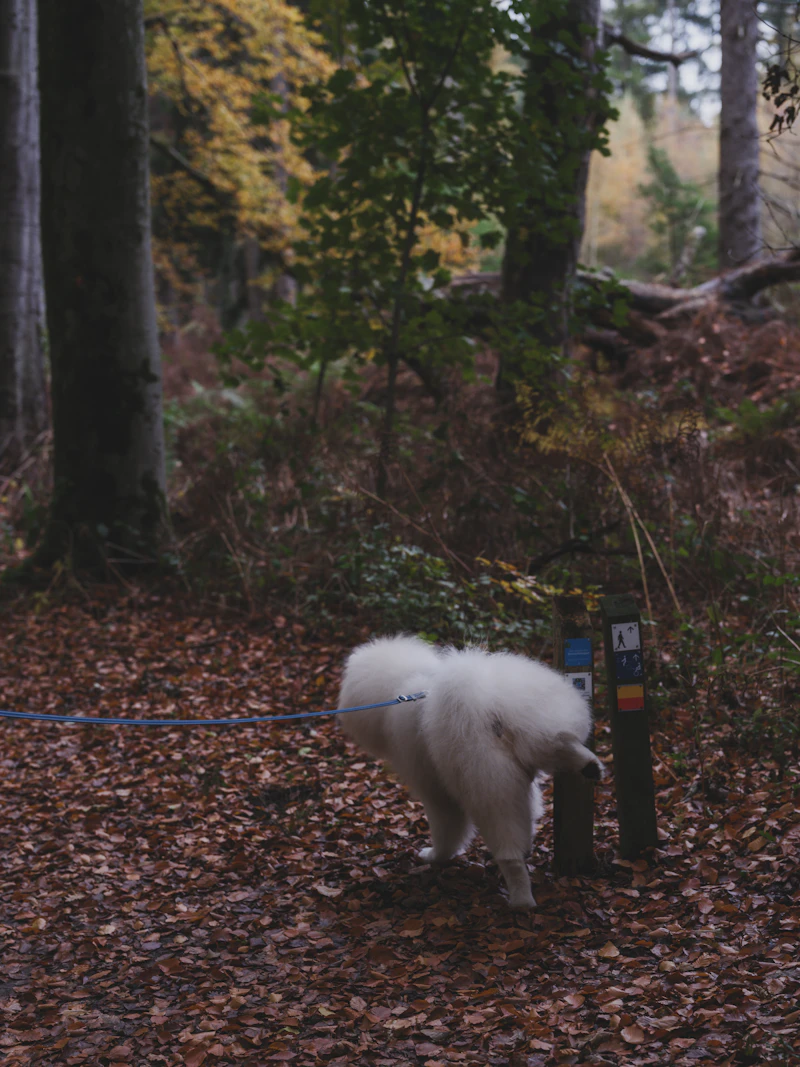
If you’re searching for the best leash for large dogs, you need more than just a basic lead—large and extra-large breeds require secure, heavy duty gear built for their power, weight, and unique handling challenges. The right large dog leash should give you confidence during walks, provide reliable control, and withstand years of daily use without fraying or failing. Whether your companion is a strong puller or simply a big goof, knowing what features matter most can help you pick a leash that keeps both you and your dog safe and comfortable.
Why Standard Leashes Often Fail Large Dogs
Standard leashes made for small or medium-sized dogs rarely stand up to the strength of large breeds. Here are common issues with everyday leashes on larger pups:
- Insufficient strength: Thin nylon, cheap plastic, or flimsy clips can snap or break under a large dog’s sudden pull.
- Handle discomfort: Narrow handles dig into your skin and may cause rope burn or blisters if your dog lunges.
- Short durability: Normal wear and tear happens quicker because of the added weight and force applied by large dogs.
- Reduced control: Subpar grips, stretchy materials, or inadequate hardware can make it difficult to redirect or manage your large dog on busy streets or crowded parks.
Investing in a purpose-built, strong dog leash makes outings safer, more manageable, and more enjoyable for both you and your pup.
Key Features in the Best Leash for Large Dogs
When shopping for the best leash for large dogs, look for the following essential features:
1. Heavy Duty Materials
- Thick nylon webbing: At least 1-inch width, double-layered for extra strength, or strong climbing rope (often ½” diameter or larger).
- Leather: Thick, well-stitched leather offers natural strength, plus a classic look.
- Steel hardware: Robust clips (carabiner or bolt snap) resist twisting or breaking.
- Shock-absorbing bungee: Some heavy duty leashes incorporate a short stretch of bungee to reduce the jolt of sudden pulls without being stretchy along the whole length.
2. Comfortable Handles
- Padded grip or handle: Neoprene, foam, or soft leather keeps your hand comfortable during long walks or sudden tugs.
- Doubled handles: A second "traffic handle" closer to the clip for quick, close control at crosswalks or in crowded areas.
3. Secure and Durable Hardware
- Large, locking clips: Stainless steel carabiner or locking clasp prevents accidental escape.
- Reinforced stitching: Box-stitched or triple-stitched at stress points for longevity.
- Rust resistance: Particularly important if you walk in rain or near water.
4. Appropriate Length
The best leash length for large dogs typically ranges from 4 to 6 feet for daily walks and close control, while longer lines (10–20 feet) are best reserved for recall training, hiking, or open park play.
| Leash Length | Best For | Control Level |
|---|---|---|
| 4 feet | City walks, training, strong pullers | Maximum |
| 6 feet | General use, neighborhood strolls | Good |
| 10 feet or more | Recall, hiking, large open spaces | Minimal (use only if dog is well-trained) |
Sizing Guide: Choosing the Right Leash for Your Large Dog
Large dogs (typically 60–100 lbs) and extra-large breeds (100+ lbs) need leashes built to match their stature. Here’s how to choose a leash that fits:
- Width: At least 1 inch wide for webbing; rope leashes should be 1/2" diameter or larger.
- Length: For most big dogs, a 6-foot leash provides a good balance of freedom and control.
- Clip strength: Opt for hardware rated for 200–400 lbs of force. A locking carabiner-style clip or large snap hook is best.
- For extra-large breeds: Go for the heaviest grade available, and double-check stitching and hardware specs.
Example Sizing by Breed
| Breed | Recommended Leash Width | Suggested Hardware |
|---|---|---|
| Labrador Retriever | 1" | Heavy-duty bolt snap |
| German Shepherd | 1" or 1.25" | Locking carabiner |
| Rottweiler | 1.25" | Large locking snap or carabiner |
| Great Dane | 1.25" | Maximum strength, double-layer nylon |
| Mastiff | 1.25"–1.5" | Extra-large carabiner clip |
Leash Materials: Pros and Cons for Large Dog Owners
The best leash for large dogs depends as much on material as on the hardware. Here’s a breakdown of common options:
-
Nylon Webbing:
- Pros: Lightweight, strong, often inexpensive, wide variety of colors/patterns, easy to clean
- Cons: Can cause friction burns, may fray with chewing
-
Climbing Rope:
- Pros: Superior tensile strength, round shape is gentle on hands, rarely tangles, durable
- Cons: Less flexible for folding/storing, may be heavier
-
Leather:
- Pros: Very strong, becomes softer with use, classic look, resists tangling
- Cons: Can be heavy, requires care to prevent drying out, often pricier
-
Bungee or Shock-absorbent:
- Pros: Great for strong pullers, reduces sudden pulls and injury risk
- Cons: May feel less "responsive," not good for training tasks needing precise control
Types of Large Dog Leashes and Their Uses
Large dog leash choices range from basic to specialized. Here’s an overview of the main types and who they’re best for:
- Standard Flat Leash: A tried-and-true heavy duty leash, often in nylon or leather. Best for everyday use if made in a sufficiently strong width and length.
- Rope Leash: Popular for large breeds due to their climbing-rope roots, superior strength, and comfortable grip. Look for those with steel or locking aluminum hardware.
- Chain Leash: Virtually chew-proof and ultra-strong. Heavier and misaligned for daily walks, but useful if your large breed is a leash chewer.
- Bungee Leash: Incorporates a stretch section to absorb shock, ideal for strong pullers—just ensure the bungee section is short and reinforced.
- Hands-Free Leash: Worn as a waist belt or sling; ideal for strong dogs if the waist clip and leash are strong enough. Only use if leash manners are already good.
- Double Handle Leash: Offers a second grip closer to the collar for extra control in tough or crowded settings.
How to Choose the Best Leash for Your Large Dog’s Personality and Lifestyle
Every large dog—and owner—has different needs. Here are tips to make sure your heavy duty leash matches your activities and dog’s behavior:
For Strong Pullers
- Choose a rope or nylon webbing leash at least 1” wide with reinforced stitched joints and a padded handle.
- Consider adding a bungee extension near the collar to absorb shock if your dog tends to lunge or change direction quickly.
- Double handle leashes give extra control for crossing streets or handling distractions.
For Training and Walking in High Traffic Areas
- A standard 4–6 ft leash with a “traffic” handle is highly recommended.
- A locking carabiner clip reduces the risk of accidental detachment.
- Skip retractable leashes—they offer poor control and are not suited to large breed strength.
For Outdoor Adventures (Hiking, Running, Parks)
- Look for a rope or climbing leash for strength, grip, and reduced tangling on rough trails.
- If your dog recalls well, a heavy duty long line (15–30 ft) is perfect for controlled freedom.
- Consider a hands-free waist leash only if your dog doesn’t pull hard and is well-trained.
Checklist: What to Look for in a Large Dog Leash
- Width of 1”+ and/or rope at least ½” in diameter
- Steel or aluminum hardware rated for large breeds
- Padded or doubled handle for comfort
- Reinforced stitching (box or X-pattern) at handles and clip
- Bungee section (optional) for shock absorption on sudden pulls
- Rust or corrosion resistance if exposed to water
- No plastic clasps/parts at stress points
- Clip closure that’s easy to open but unlikely to come loose or break under strain
- Optional: Extra handle closer to the collar for traffic or emergency control
- Reflective stitching or accents for night walks
Leash Safety Tips for Large and Extra-Large Dogs
- Inspect your leash and hardware monthly for signs of fraying, chewing, corrosion, or loosening at stitches. Replace immediately if you spot damage.
- Pair your heavy duty leash with a sturdy, appropriately fitted harness or collar rated for your dog’s weight class.
- Always use the traffic handle in crosswalks, near crowds, or around distractions such as other dogs or wildlife.
- Avoid “climbing” your leash with your hand further down the line—use a leash with an actual secondary handle instead.
- Never leave your dog tied unattended, even with a heavy duty leash.
- If using a long line, only allow full range of movement in safe, enclosed areas away from traffic.
How to Maintain Your Strong Dog Leash for Longevity
Even the best, most durable leash for large dogs will last longer with proper care. Try these tips:
- Nylon/Rope: Hand wash with mild soap and water, rinsing thoroughly. Hang dry, and keep out of direct sunlight to prevent UV degradation.
- Leather: Wipe clean with a damp cloth then condition regularly with leather oil or balm to keep it supple and avoid cracking.
- Hardware: Wipe clips and rings with a dry cloth after walks in rain or especially after swimming. Lubricate moving parts if they begin to stick.
- Storage: Allow leash to dry before coiling or clipping to your gear wall. Avoid leaving in hot cars or exposed to constant moisture.
Common Mistakes to Avoid When Choosing a Leash for Large Dogs
- Using a leash designed for small or medium breeds—these won’t hold up under the force a large dog can exert.
- Purchasing a retractable leash—these are not recommended for any large breed. They provide less control and the cords can snap or cause injury.
- Ignoring hardware quality—cheap plastic clips or buckles are prone to breakage.
- Picking thin or fashion leashes over function—wide, strong materials are a must even if color options are limited.
- Forgetting about comfort—for walks with large, strong dogs, padded handles are well worth the extra dollar.
- Choosing convenience over safety—hands-free leashes are only suitable if your dog’s leash manners are already excellent.
Recap: Key Points for Selecting the Best Leash for Large Dogs
- Sturdy, wide construction (webbing, rope, or leather) with steel or locking aluminum hardware
- Padded handles and optional traffic handles for grip and control
- Leash length that matches your environment and training needs (4–6 ft is best for walking and urban use)
- Regular inspection and maintenance for safety and longevity
- Never compromise on quality—leashes are a crucial safety tool for large dog owners
Frequently Asked Questions
What type of leash is safest for a large dog that pulls?
A heavy duty leash made of thick nylon or rope, with reinforced stitching and a locking carabiner-style clip, offers the best safety and control for large dogs who pull. Double handles can add control for training and crowded settings.
How wide should a leash be for a large or extra-large dog?
Look for webbing at least 1 inch wide, or rope-style leashes with a diameter of 1/2 inch or more. Extra-large breeds may need even thicker or double-layer leashes for maximum security.
Are bungee or shock-absorbing leashes good for large dogs?
Yes, bungee or shock-absorbing leashes can be helpful for large dogs who suddenly pull. They reduce the impact on your arm and shoulder, but it’s best to choose one with a controlled amount of stretch and reinforced structure.
Should I use a retractable leash for my large dog?
Retractable leashes are not recommended for large or extra-large breeds, as the thin cord can snap, lead to loss of control, or cause injury. Heavy duty standard, rope, or leather leashes are safer alternatives.
How often should I inspect or replace my large dog’s leash?
Inspect your leash at least once a month for fraying, chewed areas, worn stitching, or corrosion on the hardware. Replace immediately if you see signs of weakness to prevent breakage during walks.