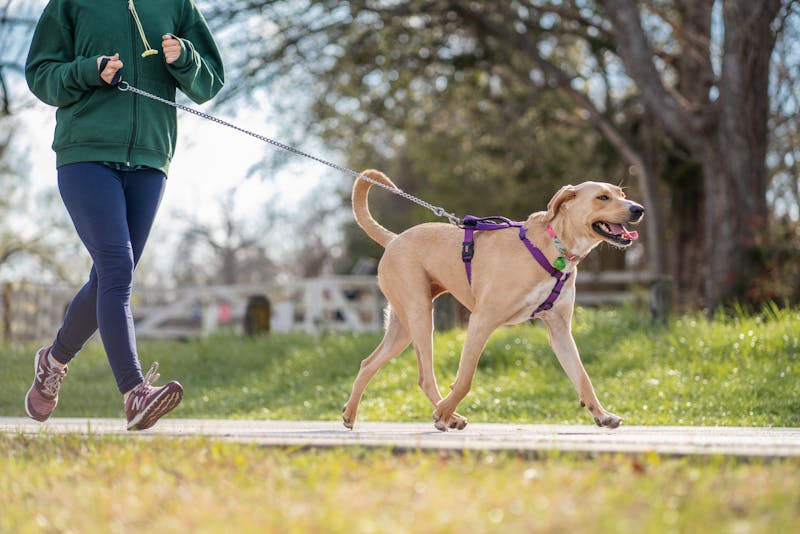
If you’re seeking the best hands free dog leash, you’re likely looking for comfort, safety, and convenience on your daily walks, runs, or hikes with your dog. Hands free leashes—often called waist leash dog systems or jogging leashes—free up your hands while providing control and safety for both you and your canine companion. This guide covers what to look for, key features, sizing advice, and tips to help you pick the right hands free leash for your activity level and lifestyle.
Why Choose a Hands Free Dog Leash?
Traditional leashes require one hand devoted to holding—and that can make exercise, multitasking, or even sipping a coffee tricky. Hands free leashes give you flexibility and freedom while keeping your dog close. Whether you’re jogging, pushing a stroller, hiking, or training, these leashes can upgrade your walks.
But not every hands free leash is the same. To find the best hands free dog leash for your needs, it’s important to understand the key benefits:
- Freedom and Convenience: Keep your hands available for other activities while your dog stays safely by your side.
- Better Mobility: Ideal for running, hiking, or running errands without juggling a leash handle.
- Reduced Strain: Even leash distribution along your hips or waist can lower arm and shoulder fatigue.
- Close Connection: Keeps your dog close and responsive to your movements.
Types of Hands Free Dog Leashes
The term “hands free leash” covers several styles. Understanding their differences can help you select the best fit for your routine.
Waist Leash Dog Systems
These are the most common. The leash attaches to a belt worn around your waist—sometimes adjustable, sometimes padded. Good waist leashes allow for secure fastening and distribute force if your dog pulls. Some offer quick-release buckles or sliding rings for adjustable positioning.
Crossbody Hands Free Leashes
Crossbody leashes sling over your shoulder, letting the leash drape across your chest and under one arm. These work well for smaller dogs or quick trips, as they may not distribute pulling force as well as a waist leash.
Hybrid and Modular Systems
Hybrid options offer conversion between traditional, waist, and crossbody use. These versatile leashes can be ideal if you want a leash that does it all, but they often have more complicated hardware or clips.
Key Features to Look For
Hands free dog leash features can impact safety, comfort, control, and durability. Here’s what to consider:
- Adjustable Belt: A wide and adjustable waist belt ensures a secure, comfortable fit for different body shapes and sizes. Padding can prevent chafing on long walks.
- Leash Length: The ideal range is 4 to 7 feet. Too short, and your dog may feel crowded. Too long, and control is harder to maintain, especially for jogging.
- Shock Absorption: Many hands free leashes include bungee or elastic sections to absorb sudden pulls, reducing joint strain for you and your dog.
- Sturdy Hardware: Durable clips, quick-release buckles, and reinforced stitching are crucial. Metal or high-strength plastic is preferable, especially for larger dogs.
- Dual Handles or Traffic Handles: A secondary handle close to the dog lets you gain control quickly if needed (e.g., crossing roads, busy spaces).
- Reflective Stitching: Visibility matters for early morning or nighttime activity—look for reflective threads, piping, or panels.
- Accessory Loops or Pockets: Some belts offer loops for attaching waste bag dispensers, keys, or treat pouches, which can be handy during outings.
Sizing Guide: How to Choose the Right Fit
The best hands free dog leash should fit both you and your dog comfortably. Here are sizing considerations for each component:
Waist Belt Sizing
- Measure around your waist or hips (where you plan to wear the belt) using a measuring tape.
- Check that the leash’s belt range is suitable; many adjust between 25 to 50 inches. Choose one with enough flexibility for a snug but comfortable fit, even over jackets in cold weather.
- If you’re sharing the leash with a partner, wider adjustability is useful.
Leash Length and Weight Capacity
- Small and medium dogs (under 40 lbs): Leashes 4–6 feet in length are typically ideal. Lighter, slimmer leashes will suffice unless your dog pulls suddenly.
- Large and strong dogs (over 40 lbs): Choose thicker, strong webbing with reinforced stitching. Shock-absorbing leashes and robust hardware are essential.
- Multiple dogs: Some systems have double-clip options or splitter attachments. Make sure the belt can handle the combined weight and strength of both dogs.
Comparing Hands Free Leashes: Selection Checklist
There’s no single “best hands free dog leash” for everyone—it depends on your activities and your dog’s behavior. Use this checklist to evaluate options during your search:
- Activity: Will you mostly walk, jog, or hike? Jogging and hiking usually benefit from bungee sections and padded belts, whereas strolls around town may not require advanced features.
- Your Dog’s Behavior: Is your dog a puller or calm walker? Strong, energetic dogs need more reinforcement and shock absorption than relaxed companions.
- Belt Comfort and Adjustability: Wide, padded belts are best for running and long walks. Check how easy it is to adjust or remove the belt.
- Quick Control Options: Reach for a dual handle if you need to control your dog in traffic or crowds.
- Material Quality: Look for water-resistant materials if you’ll be outdoors frequently. Nylon webbing is durable, but neoprene can enhance comfort.
- Visibility Needs: If you walk at dawn or dusk, reflective features should be a priority.
- Convenience Add-ons: Some systems come with built-in pockets, loops, or water bottle holders. Decide if these extras are important to your routines.
Using a Hands Free Dog Leash Safely
Even the best hands free dog leash needs to be used safely. Follow these guidelines:
- Train Your Dog: Before starting hands free walking or running, your dog should know basic leash manners. Practice “heel” and other obedience cues.
- Start Slowly: Test the leash indoors or in a low-distraction area before heading to busy sidewalks or trails.
- Monitor for Pulling: Some dogs pull more when they feel a steady connection at your waist. Use positive reinforcement to train loose-leash walking.
- Never Attach to a Collar Only: For safety, attach hands free leashes to a well-fitting harness (not just a flat collar) to prevent neck or throat injury if your dog lunges or pulls suddenly.
- Consider Terrain: Use extra caution on steep terrain, slippery surfaces, or crowded areas—be ready to grab the secondary handle if needed.
- Stay Aware of Your Surroundings: Without a leash in your hand, it’s easy to relax your attention. Stay alert for cyclists, cars, wildlife, or other dogs.
Special Features: What Sets Premium Hands Free Leashes Apart?
While basic hands free leashes work for many, some models include advanced features for extra value and safety:
- Detachable Leash: Some systems let you unclip the leash from the waist belt without removing the belt, which is convenient when switching back to hand-held mode or tying your dog briefly.
- Sliding O-Rings: Great for dogs who frequently switch sides or circle you. The leash attachment slides along the belt instead of wrapping you up.
- Multi-Dog Support: Double-ended belts or additional clips help balance two dogs with ease—just ensure the system has enough strength for both.
- Expandable Storage: Integrated pouches or hidden zip pockets stash treats, poop bags, and keys without extra gear.
- Water- and Weather-Resistant Materials: Useful for outdoor enthusiasts; these resist fraying or absorbing water during hikes or rainy runs.
Common Mistakes to Avoid
- Wrong Sizing: Don’t overlook correct waist belt or leash length measurements. Poor fit leads to frustration or compromised safety.
- Ignoring Your Dog’s Habits: Overlooking pulling tendencies or energy level can mean picking a leash without enough durability or shock absorption.
- Not Prioritizing Safety: Using hands free leashes in inappropriate settings (e.g., in heavy traffic, where quick control is needed) can be risky.
- Attaching Directly to a Collar: As noted earlier, always use a harness to avoid neck injury risks from hands free setups.
Quick Comparison Table: Features at a Glance
| Feature | Ideal For | Pros | Cons |
|---|---|---|---|
| Bungee Section | Runners, strong pullers | Reduces jolts for handler and dog | May reduce control with very strong dogs |
| Padded Waist Belt | Long walks, hiking | Prevents chafing, improves comfort | Bulkier for short trips |
| Adjustable Leash Length | Changing environments | Versatile for sidewalks or trails | Some adjustment systems can slip |
| Dual Handle Leash | Urban walks, training | Easy close-range control | Adds a little extra weight |
| Reflective Material | Night/dawn walks | Increases low-light visibility | Usually a minor price increase |
| Accessory Storage | Hiking, errands | Carry essentials hands free | Added weight around waist |
Is a Hands Free Jogging Leash Safe for All Dogs?
Most healthy dogs can benefit from hands free leashes, especially if they are used to leash walking and not extreme pullers or unpredictable reactors. If your dog is in leash training, is highly reactive (to dogs, wildlife, or people), or is physically strong and inclined to bolt, a hands free setup may not yet be a good match. Training, the right harness, and situational awareness are vital for safe use.
Summary: Choosing the Best Hands Free Dog Leash for You
Finding the best hands free dog leash means balancing safety, comfort, and function for your unique dog and lifestyle. Key points to remember:
- Choose adjustable, padded waist belts for the most comfort.
- Leashes with shock absorption and sturdy hardware are best for strong or energetic dogs and active lifestyles.
- Fit the system to both your waist and your dog’s size, strength, and habits.
- Test at home and prioritize safety—opt for harness attachments and stay alert on walks or runs.
- Premium models add extra features for convenience and durability for dedicated walkers, runners, or hikers.
With mindful selection and careful training, a hands free dog leash can be one of the best upgrades for active dog owners.
Frequently Asked Questions
Can you use a hands free leash with any dog harness?
Most hands free leashes are compatible with standard back-clip harnesses. Ensure your dog’s harness fits well and is strong enough to withstand pulling forces for maximum safety.
Is a bungee leash section necessary for hands free walking?
A bungee section isn’t required for all dogs, but it adds shock absorption if your dog is a strong puller or you plan to jog or hike. For calmer walkers, a static (non-stretch) leash may work just fine.
What is the recommended leash length for jogging with my dog?
For jogging, a leash in the 4–6 foot range offers a balance of proximity and freedom. Longer leashes (7 feet or more) may become a tripping hazard during runs.
Are hands free leashes safe for dogs that pull or lunge?
Hands free leashes are safest for dogs that walk calmly on a leash. Dogs that pull or lunge can put you at risk of being pulled off balance. Use hands free leashes only after leash manners are well established, and always pair with a well-fitted harness.
How do I clean and maintain a hands free dog leash?
Most nylon or neoprene hands free leashes can be wiped clean with a damp cloth. Check the manufacturer’s care instructions, and inspect metal components regularly for wear and tear.