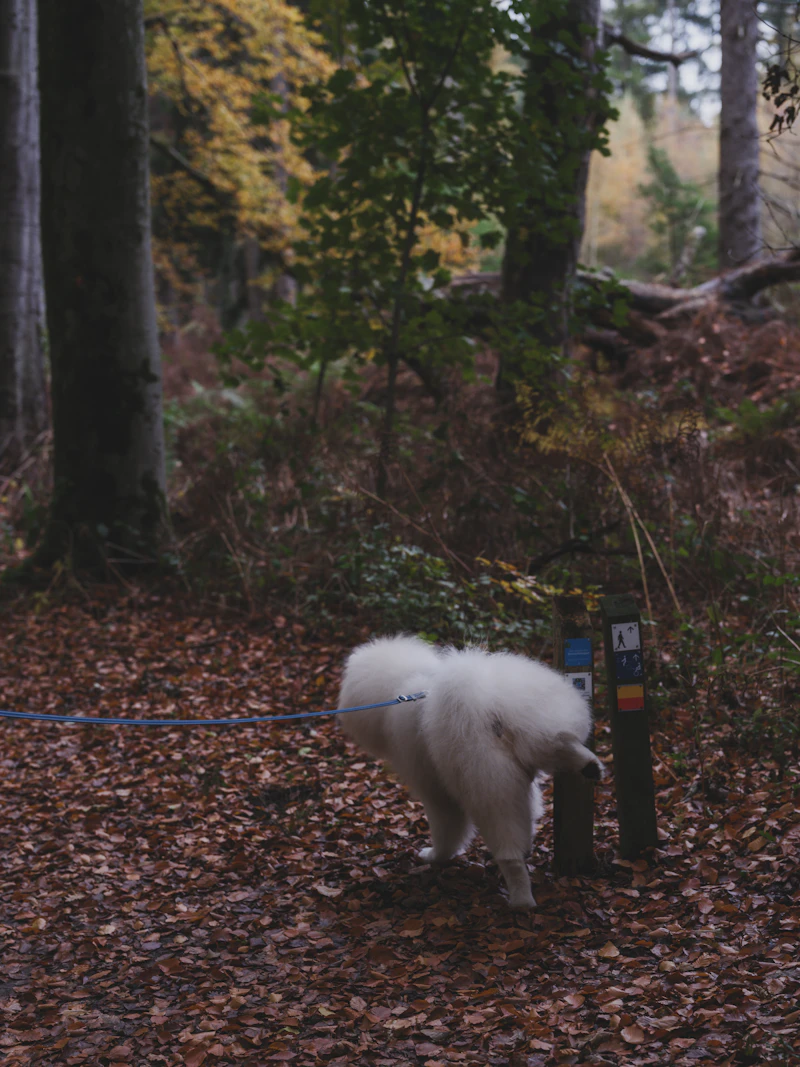
If you’re working on teaching your dog a reliable recall, the best training leash for recall can make the learning process safer, more effective, and less stressful for both you and your pup. A well-chosen long training leash—also called a recall leash or long line—gives your dog freedom to practice coming when called at a distance, while still giving you control if distractions tempt your dog. Below you’ll find practical advice to help you select the best training leash for recall, along with sizing guides, must-have features, and tips for making the most of your recall sessions.
Why Use a Training Leash for Recall Practice?
Dogs don’t develop a “come when called” behavior overnight. Many dogs, even those who respond in the house or yard, can struggle to return promptly when off-leash in unfamiliar environments or when distracted. A long line or recall leash acts as a safety net, giving your dog the space to explore while you build up their recall reliability—without risking them running into danger.
- Safety: Prevents bolting or chasing.
- Gradual Progression: Helps introduce distractions while maintaining control.
- Clear Communication: Allows for guiding your dog if they hesitate.
Types of Recall Leashes: Materials and Styles
Recall leashes come in a variety of materials, each offering different benefits. Here’s an overview of your main options:
Nylon Long Training Leash
- Pros: Affordable, lightweight, widely available.
- Cons: Can soak up water, may cause friction burns on hands, can tangle.
- Best for: Owners on a budget, training in dry environments, dogs who do not pull hard.
Biothane Recall Leash
- Pros: Waterproof, easy to clean, resists odors, low-friction surface is easier on hands.
- Cons: Slightly pricier, feels less flexible than soft nylon.
- Best for: Owners training in wet or muddy areas, larger/stronger dogs, multi-dog households.
Rope Style Long Line
- Pros: Durable, good grip, less likely to tangle.
- Cons: Heaviest option, holds water when wet, prone to fraying over time.
- Best for: Very strong or large dogs, handlers who prefer a comfortable grip.
Retractable Leashes (Not Recommended for Recall)
While retractable leashes seem long, they are usually not ideal for recall training. They give inconsistent tension, are harder to control, and may cause rope burns or injuries if your dog bolts. Use a properly sized static leash for recall practice.
Key Features to Look for in the Best Training Leash for Recall
The right features make all the difference, both in your dog’s safety and workout out for your comfort as the handler. Here’s a breakdown of essential features:
- Length: Most recall leashes range from 15 to 50 feet. Shorter lines (15–20 ft) are best in smaller spaces; longer lines (30–50 ft) allow more freedom in open areas.
- Width: Thinner lines (3/8 to 1/2 inch) are lightweight and suit small dogs; thicker lines (5/8 to 1 inch) offer strength and a better grip for big or strong dogs.
- Handle: A padded or looped handle is helpful for holding the end, especially during windy days or energetic training sessions.
- Swivel Clip: A sturdy, rust-resistant clip with a 360° swivel helps prevent tangling as your dog changes direction.
- Visibility: Bright colors or reflective stitching make it easier to spot the line in grass, brush, or during evening sessions.
Sizing Guide: Choosing the Right Length and Thickness
Sizing matters for safety, comfort, and effective training. Here’s how to decide what’s best for your dog and environment:
Choosing the Best Length
| Leash Length | Best Use Case | Dog Size |
|---|---|---|
| 10–15 feet | Small yards, beginners, smaller parks | Any, but especially small to medium dogs |
| 20–30 feet | Large yards, open fields, reliable dogs | Small to large dogs |
| 40–50 feet | Maximum distance in wide-open, clear areas | Medium to large dogs (with good leash skills) |
How Thick Should Your Recall Leash Be?
- Small breed dogs (under 25 lbs): 3/8" wide is lightweight enough for comfort.
- Medium breeds (25–55 lbs): 1/2"–5/8” gives balance between weight and strength.
- Large/strong breeds (over 55 lbs): 3/4”–1" wide for durability and grip.
Checklist: Selecting the Best Recall Leash for Your Dog
Before choosing a long line for dog training, consider these factors:
- Dog’s Strength: Can the leash handle your dog’s weight and power?
- Environment: Will you mostly train in muddy fields, woods, or dry parks?
- Grip Comfort: Will you need padding or a non-slip surface for long sessions?
- Visibility: Do you need extra-bright colors or reflective features?
- Ease of Cleaning: Will you need to rinse mud or sand off after each use?
- Tangle Resistance: Is your dog prone to circling or running in unpredictable patterns?
- Budget: Are you willing to pay extra for premium materials like Biothane?
Recall Leash Setup and Best Practices
Getting the most out of your long line dog training requires a little setup and care. Here’s how to maximize safety and success with every session:
Attaching the Leash
- Always use a secure harness or collar that fits snugly (not loose enough for your dog to slip out).
- Attach the clip to a sturdy point—preferably on the dog’s back if using a harness.
- Check that the clasp closes fully before starting.
Managing the Long Line
- Gather the leash in easy-to-release loops or a figure-eight in your hand.
- Let out line gradually as your dog moves away; pull in slack to avoid tangles in brush or legs.
- If walking in public areas, stay aware of people, dogs, and wildlife so you don’t trip anyone with the long line.
How to Use the Long Line for Recall Practice
- Start with the line fully extended in a safe, open area.
- Call your dog in an upbeat voice; use treats, toys, or praise as a reward when they return.
- If your dog ignores you, gently guide them in with the long line—never drag or use harsh yanks.
- Practice “come” from various distances and directions, building up gradually.
Consistency and positive reinforcement help your dog understand what’s expected and make returning to you rewarding.
Durability and Maintenance Tips
A high-quality recall leash is an investment. A little care will extend its life and keep every session safe:
- Rinse after muddy sessions: This prevents material breakdown and keeps clips working smoothly.
- Check hardware: Inspect clips and swivels regularly for signs of rust or wear.
- Store dry: Hang or coil your leash somewhere dry and out of the sun to prevent mildew and fading.
- Untangle knots promptly: Knots create weak spots and can be uncomfortable to hold.
What to Avoid in Recall Leashes
Even the best intentions can be thwarted by poor equipment. Here are some common pitfalls:
- Weak clips: Avoid plastic or flimsy clips that may break under pressure.
- Heavy lines for small dogs: Too much weight can make recall practice unpleasant or even trip a tiny dog.
- Thin lines for very large, strong dogs: These snap easily and may injure your hands when your dog pulls.
- Poor visibility: Earth-toned lines easily disappear into grass or dirt, risking accidental loss or tripping.
- Retractable leashes: As mentioned, these are not recommended for controlled recall training due to inconsistent tension and injury risk.
Comparing Popular Recall Leash Materials
| Material | Water Resistance | Strength | Comfort | Visibility | Ease of Cleaning |
|---|---|---|---|---|---|
| Nylon | Low | Moderate | Good (but can burn hands) | Bright colors available | Rinses, but absorbs odors |
| Biothane | High | High | Excellent (slick, less burn risk) | Very bright & reflective options | Wipes clean easily |
| Rope | Low | Very high | Excellent grip | Mixed—some bright options | May retain water/mud |
Training Tips: Building a Reliable Recall with Your New Leash
- Start with fewer distractions: Practice in quiet locations before progressing to busier parks or trails.
- Reward heavily: Make returning to you extra rewarding with high-value treats or toys.
- Never punish for returning: Even if your dog took a while to come back, always reward the effort.
- Use the leash as a teaching tool, not just a restraint: Use gentle guidance, verbal praise, and fun to build positive associations.
- Practice variable distances and directions: Don’t always call your dog from the same spot; mix it up!
- End sessions on a positive note: Call your dog back when you know they’ll succeed, then finish with play or a favorite treat.
Accessories That Make Recall Training Easier
While not strictly required, these accessories can help you make the most out of your long line dog training sessions:
- Waist belt attachment: Keeps hands free and prevents accidental drops.
- Carabiners: Add a quick-release option or secure the leash to a fence for a break.
- Storage bag or reel: Prevents tangling and keeps the leash clean in between sessions.
- Gloves: Protect hands from rope burn, especially with heavy-pulling dogs or thin nylon lines.
Sample Step-By-Step Recall Training Session
- Begin in a quiet area: Clip your long line dog training leash to your dog’s harness. Allow your dog to sniff and explore until relaxed.
- Get your dog’s attention: Call your dog’s name, followed by your recall cue (“Come!”). Use an excited, encouraging tone.
- Mark and reward: The second your dog turns or moves toward you, praise enthusiastically! When they reach you, give a treat or toy.
- If your dog ignores you: Gently reel in or add a bit of tension on the leash. Avoid sudden yanks that could startle your dog.
- Release and repeat: Allow your dog to explore again, then call again—practicing from various distances and directions each time.
How to Transition from Long Line to Off-Leash Recall
- Wait until your dog responds consistently, even around distractions, before removing the long line.
- Start by letting the long line drag behind (no holding), so you can catch it if needed.
- Try off-leash recall only in fully enclosed, secure areas at first.
- Bring the long training leash with you for “just in case” backup on new trails, parks, or busy events.
Frequently Asked Questions
How long should my recall leash be?
The ideal length for a recall leash is typically 15–30 feet for most training environments. Use 15–20 feet in smaller or more crowded spaces, and up to 50 feet for open fields. For smaller dogs or less experienced handlers, starting shorter makes practice easier to manage.
What material is best for a long training leash?
Biothane is often preferred for its waterproof, easy-to-clean, and durable properties. Nylon is lightweight and affordable but can absorb water and odors. Rope is very strong and comfortable to grip but can be heavy and hold moisture. Choose based on your dog’s size, strength, and your training environment.
Should I use a harness or collar for long line training?
A well-fitted harness is usually safer for long line training, especially with energetic or strong dogs. It prevents strain on the neck and is less likely to slip off. If your dog is reliable on leash, a sturdy collar can also work, but always monitor for fit and comfort.
How do I keep a long leash from tangling?
Hold the leash in loose, easy-to-release loops or figure-eight coils, watching for slack that can catch on the dog or your feet. A leash with a swivel clip helps reduce twists. Practice letting the leash out smoothly and reeling it in regularly to avoid big tangles.
Is a retractable leash good for recall practice?
Retractable leashes are not recommended for recall training. They offer inconsistent tension, give less control, and have a higher risk of causing rope burns or snapping. A standard long line is safer and more effective for structured recall training sessions.