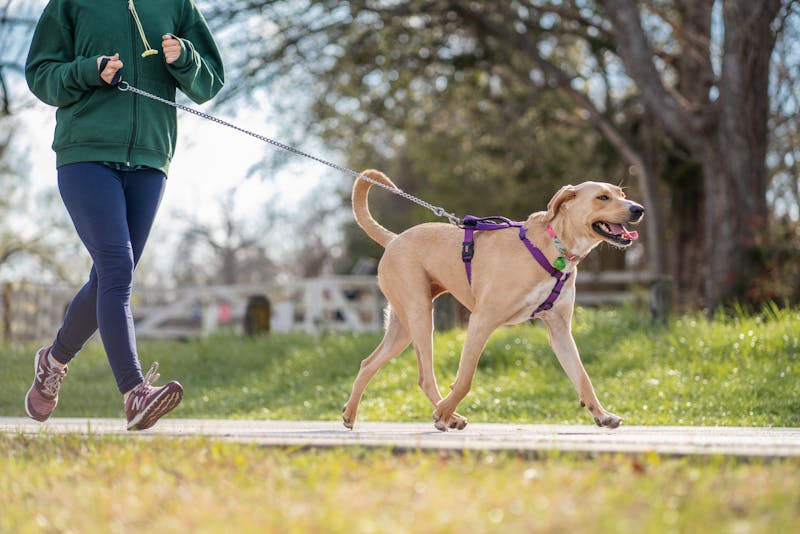
If you’re searching for the best slip lead for dogs, you want something secure, easy to use, and gentle on your dog’s neck. A quality slip lead combines leash and collar in one, offers quick on-and-off convenience, and can help with leash training when used correctly. The ideal slip leash should match your dog’s size, be made from comfortable materials, and offer good control without risking harm or escape. Here’s what to look for, how to size one, and tips to help you pick the right slip collar leash for your dog.
What Is a Slip Lead?
A slip lead (also called slip leash or slip collar leash) is a type of leash with a loop at one end that slips over your dog’s head, acting as both collar and leash combined. The design tightens slightly if your dog pulls and loosens when your dog relaxes, giving you control while walking. This simple design is popular among dog trainers, shelters, and groomers for its speed, ease, and minimal hardware.
Benefits of a Slip Lead for Dogs
- Quick to put on and remove, especially for wriggly or impatient dogs
- Adjusts to fit any neck size, making them versatile
- No permanent collar required, convenient for dogs who can’t wear collars full-time
- Useful for training, offering clear communication and control
- Minimal metal parts, reducing the risk of snagging or catching
With these advantages, a slip leash is often the go-to lead for professionals handling many dogs quickly, such as during grooming or at veterinary offices.
Who Should Use a Slip Lead?
Slip leads are best for dogs who won’t pull excessively or lunge on walks. They are not recommended for brachycephalic (short-nosed) breeds or dogs with delicate necks unless used by experienced handlers. They're also great for dogs who slip out of traditional buckle collars. If your dog is an escape artist, ensure your slip lead fits properly and never leave a slip lead on an unsupervised dog.
Types of Slip Leads
Slight variations in design and material can make a big difference. Here are the most common types:
- Standard Rope Slip Leads: Simple, durable, and made from soft rope or nylon with a sliding stopper to prevent the loop from loosening too much.
- Flat Webbing Slip Leads: Made from flat nylon or polyester, often lighter and less bulky than rope.
- Padded Slip Leads: Feature padding at the neck or handle area for extra comfort.
- Martingale Slip Leads: Combine a slip lead and a martingale collar, giving more limited tightening for greater safety.
- Reflective or Biothane Slip Leads: Designed for extra visibility or durability, great for active outings.
Key Features to Look for in the Best Slip Lead for Dogs
All slip leads may look basic, but several features set the best apart. Focus on these details when choosing a slip leash:
1. Material
- Rope/Nylon: Most common, offering good strength and flexibility. Seek out soft, rounded edges to prevent chafing.
- Biothane: Synthetic, waterproof, and easy to clean. Great for wet or muddy walks but can be less flexible.
- Cotton: Softer, less likely to chafe but not as strong as nylon or biothane.
- Leather: Classic look, comfortable in hand, durable when well maintained, but can be heavy.
2. Width and Thickness
- Thin (3/8 inch or less): Suitable for small or toy dogs
- Medium (1/2 inch): Works for most average-sized dogs
- Thick (5/8 - 3/4 inch): Best for large, strong dogs for extra strength and comfort
3. Length
- 4-6 feet: Standard range for control on walks and training
- Shorter leads (3-4 feet): For close control, such as in busy areas
- Longer leads (6-8 feet): For more freedom; less common for slip leads
4. Slide Stopper/Adjuster
- Rubber, leather, or plastic stoppers help keep the loop from loosening and slipping off your dog’s head
- Make sure the stopper moves easily but holds firm when set
5. Handle
- Padded or ergonomic handle provides comfort for your hand, especially with larger dogs
- Look for double-layered or lined handles if you walk long distances
6. Hardware and Safety Features
- Minimal hardware to prevent catching and reduce weight
- Integrated ID ring for ID tags (not standard on all slip leads)
- Reflective threads or stripes for visibility in low light
7. Comfort and Finish
- Smooth, rounded edges on rope slip leads prevent irritation
- Seamless joints (ideally stitched or securely bonded, not just glued)
How to Choose the Right Size Slip Lead
Fit and sizing are critical for both safety and comfort. Here’s how to pick the right slip leash for your dog:
Measure Your Dog’s Neck
- Use a soft tape measure to find the circumference around the base of your dog’s neck (where the collar would naturally sit).
- Choose a slip lead with an adjustable loop; it should open wide enough to slip over the head quickly and close snugly without choking.
Select Width Based on Dog Size
| Dog Weight | Recommended Width | Lead Length Range |
|---|---|---|
| Under 20 lbs | 3/8 inch or less (thin) | 4-5 feet |
| 20-50 lbs | 1/2 inch (medium) | 4-6 feet |
| Over 50 lbs | 5/8 - 3/4 inch (thick) | 5-6 feet |
Fit Check
- With the stopper set, the lead should rest high on the neck, just behind the ears. This gives you the best control and avoids slipping.
- The loop should not be so tight it compresses the neck; you should be able to fit two fingers under the lead when relaxed.
What Makes a Slip Lead Safe?
While slip leads are simple, safety is a top priority:
- Always use a stopper or slide adjuster to prevent the loop from becoming too loose and slipping off
- Never leave a slip lead on an unattended dog, as it can tighten dangerously if caught
- Do not use force or sharp corrections. Slip leads should be used for gentle guidance and control, not as punishment
- If your dog pulls heavily, consider using a traditional harness or head collar for walks
How to Use a Slip Lead Properly
- Open the loop wide enough to go over your dog’s head.
- Adjust the stopper so the lead sits comfortably high on the neck, behind the ears.
- Use gentle pressure to guide your dog; avoid jerking or yanking.
- Release tension when your dog walks calmly beside you.
- Remove the slip lead immediately after the walk.
With proper use, slip leads offer quick control and help reinforce polite leash walking. If you’re new to slip leads, practice in a safe, low-distraction area first.
Checklist: Selecting the Best Slip Lead for Dogs
- Is the material soft, smooth, and strong enough for my dog’s size?
- Does the width match my dog’s weight and breed?
- Is the length comfortable for the type of walks we take?
- Is the stopper easy to use and secure?
- Does the handle offer enough padding or grip?
- Are there reflective threads if we walk at night or in low light?
- Is cleaning and maintenance straightforward?
- Does the manufacturer offer sizing guidance or support for their leads?
Comparing Slip Leash vs. Traditional Leash and Collar
| Feature | Slip Lead | Standard Leash & Collar |
|---|---|---|
| Convenience | One-piece, quick on/off | Requires collar fitted first |
| Escape Risk | Adjusts to fit, but can loosen if not set properly | Properly fitted collars are secure, but some dogs slip out |
| Training Use | Good for leash manners and quick corrections | Limited correction unless using slip or martingale collar |
| Head Shape Compatibility | May not be ideal for flat-faced dogs or those with small heads | Can be matched more specifically to dog shape |
| Handling Reactive Dogs | Immediate control, but risk of injury if dog lunges suddenly | Harness or head halter safer for strong pullers or reactive dogs |
Care and Maintenance of Slip Leads
- Nylon/Biothane: Hand wash with mild soap and air dry.
- Rope/Cotton: Can often be machine washed in a pillowcase; always air dry to prevent shrinkage or weakening.
- Leather: Wipe clean with a damp cloth and nourish with leather conditioner to prevent cracking.
- Check for fraying, cracking, or hardware wear regularly and replace as needed.
Situations Where Slip Leads Excel
- Fast-paced kennels, rescues, or vet clinics where time-efficient control is needed
- Dogs who don’t regularly wear collars (e.g., for comfort or medical reasons)
- Transitioning to polite leash manners under the guidance of a trainer
- Quick trips for potty breaks or grooming visits
When Slip Collar Leashes Might Not Be Ideal
- If your dog pulls with force or has respiratory issues, consider alternatives like harnesses
- For toy breeds or puppies under three months old, a lightweight harness might be safer
- Never use for unsupervised tie-outs or as a substitute for a properly fitted everyday collar
Practical Sizing Guide for Common Breeds
| Breed Example | Approx. Weight | Recommended Width | Recommended Length |
|---|---|---|---|
| Pug, Dachshund | 15-25 lbs | 3/8 - 1/2 inch | 4-5 feet |
| Border Collie, Corgi | 30-40 lbs | 1/2 inch | 4-6 feet |
| Labrador Retriever, Boxer | 50-70 lbs | 5/8 inch | 5-6 feet |
| Great Dane, Mastiff | 100+ lbs | 3/4 inch | 6 feet |
Adjust as needed based on your dog’s build and the thickness of their coat.
Slip Lead Training Tips
- Pair the slip lead with positive reinforcement for calm, loose leash walking
- Use a friendly, upbeat voice and small treats to distract from pulling
- Keep sessions short and practice in low-distraction environments
Used wisely, a slip collar leash can be a valuable tool in your leash-training toolbox.
Frequently Asked Questions
Are slip leads safe for all dogs?
Slip leads are generally safe when used properly and under supervision. They are not ideal for hard-pulling dogs, small puppies, or flat-faced breeds. Always ensure the right fit and avoid leaving a slip lead on an unsupervised dog.
How do I know if my slip lead fits correctly?
The loop should sit high on the neck, just behind the ears, and be secured with the stopper so it does not loosen on its own. You should be able to fit two fingers between the lead and your dog's neck when relaxed.
What size slip leash should I get for my dog?
Choose the width and length based on your dog’s weight and neck size. Thinner leads suit smaller breeds, while thicker ones are better for large dogs. A length of 4-6 feet works for most situations.
Can a slip lead replace a collar and regular leash?
Slip leads are great for quick walks and training but are not a substitute for a properly fitted collar with identification. Do not use a slip lead as a tie-out or leave it on your dog in the house.
How can I clean and care for my slip lead?
Hand wash nylon or biothane leads with mild soap and air dry. Rope or cotton leads can often be machine washed. Leather slip leads need occasional conditioning after being wiped clean. Check leads regularly for wear.
Are slip leads good for leash training?
Yes, when used gently, slip leads can help train loose leash walking by providing gentle, immediate feedback for pulling. Pair with positive reinforcement and avoid using harsh corrections.