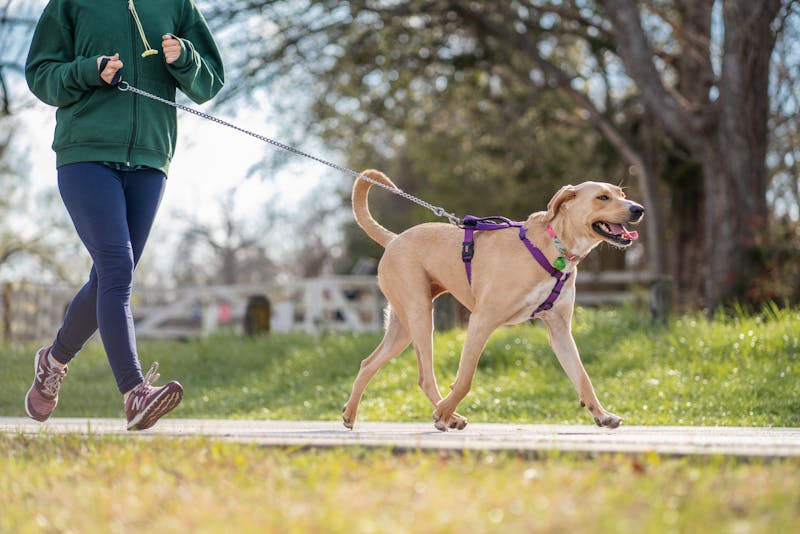
If you’re looking for the best hiking leash for dogs, your top priorities should be reliability, comfort, and trail-appropriate features. Hiking presents challenges beyond city walks—think uneven surfaces, muddy trails, wildlife encounters, and sudden changes in terrain. Choosing the right dog hiking leash can make a big difference in your outdoor adventures, helping you enjoy nature together while keeping your dog safe and under control. This guide highlights what to look for, important features, sizing tips, and key selection criteria to help you pick the best trail leash for your next hike.
Why a Specialized Hiking Leash Matters
Not all leashes are made equal. While a standard six-foot nylon leash works for neighborhood strolls, hiking with your dog calls for specialized gear. Trails demand more durability, tangle resistance, adaptability, and sometimes hands-free options that free you up for climbing, balance, or using trekking poles. The best hiking leash for dogs can help reduce fatigue, prevent tangles in brush, and keep your dog secure in unpredictable environments.
Types of Dog Hiking Leashes
Choosing a suitable leash style depends on your hiking habits, your dog’s temperament, and the nature of the trails you enjoy. Here are some common types:
- Standard Leashes: Traditional six-foot leashes offer basic control but may get tangled or be cumbersome for long hikes.
- Hands-Free (Waist-worn) Leashes: Attach around your waist, freeing your hands while using bungee sections to absorb shock from pulls.
- Bungee/Elastic Leashes: Include shock absorption, reducing strain on both you and your dog on hilly or uneven terrain.
- Adjustable-Length Leashes: Allow customization of leash length for tight switchbacks, open areas, or crowded lookouts.
- Long Lines: For trained dogs in safe, open spaces, 15- to 30-foot leashes encourage exploration while maintaining control and safety regulations.
- Double-Handled Leashes: Feature an extra handle closer to the dog for reliable control when passing other hikers, cyclists, or wildlife.
Key Features for Your Outdoor Dog Leash
What sets a true trail-ready leash apart from an everyday leash? Here are the top features to look for:
Durability and Material
- Webbing: Heavy-duty nylon or polyester webbing resists abrasion from rocks and branches.
- Rope: Climbing rope-style leashes are ultra-strong and less prone to fraying or tearing.
- Metal Hardware: Look for rust-proof clips, carabiners, or swivels that won’t jam or corrode if rained on or used in wet conditions.
Length and Adjustability
- Standard Lengths: 6 feet offers a good mix of control and freedom. For hiking, consider an 8–10 foot leash for wider trails and more flexibility.
- Adjustable Sections: Let you tighten or loosen the range depending on trail density and your dog’s recall skills.
- Long Lines: For open fields or recall training off busy trails, but only if allowed in the area and your dog is under control.
Comfort for Human and Dog
- Padded Handles: Reduce hand fatigue and prevent rope burns during sudden pulls.
- Waist or Shoulder Straps: On hands-free leashes, distribute pull evenly and keep your arms free for hiking poles or scrambling up rocks.
Shock Absorption
- Bungee Features: Integrated elastic sections absorb sudden jerks—helpful when your dog chases wildlife or stumbles on uneven terrain.
Safety and Visibility
- Reflective Stitching: Enhances low-light visibility in early mornings, dusk, or shaded trails.
- Bright Colors: Make it easy to spot your dog through brush or across campsites.
- Traffic Handles: An extra loop near the collar for keeping your dog close on narrow or crowded paths.
Tangle-Resistance
- Swivel Clips: Prevent twisting if your dog circles around you or weaves between trees.
- Sleek Design: Minimal hardware and reinforced seams won’t catch on undergrowth.
Sizing Guide: Picking the Right Leash Length and Width
Getting the right size is crucial for comfort and control. Here’s what to consider:
Leash Length
| Leash Length | Best For |
|---|---|
| 4 ft (1.2 m) | Tight trails, crowded trailheads, dogs who pull |
| 6 ft (1.8 m) | General hiking, good blend of freedom and control |
| 8-10 ft (2.4-3 m) | Open trails, giving well-trained dogs some extra slack |
| 15-30 ft (4.5–9 m) | Long lines for recall, safe open spaces, not crowded trails |
Leash Width
- Small Dogs (under 25 lbs): 0.5 to 0.75 inches wide—lightweight, less bulk.
- Medium Dogs (25–50 lbs): 0.75 to 1 inch wide—standard for solid strength and manageability.
- Large Dogs (over 50 lbs): 1 to 1.5 inches wide or thick rope—extra durability for strong pullers.
Hardware Strength
- Always check the leash’s maximum weight rating. Larger, bolt-snap or locking carabiner clips are best for large or very active dogs.
Selection Criteria: How to Choose the Best Hiking Leash for Dogs
Use this checklist when comparing options:
- Your Dog’s Size and Strength: Strong pullers or large breeds need more robust, wider leashes with secure hardware.
- Trail Type: Dense forests, rocky scrambles, or wide-open spaces call for different leash lengths and features.
- Your Hiking Style: Do you want to be hands-free? Are you carrying a backpack or using trekking poles?
- Weather Conditions: Waterproof or quick-dry materials work better in wet climates.
- Multi-dog Capability: Some hiking leashes can split for two dogs; others are strictly single-use.
- Local Regulations: Many trails require dogs on a leash, with specific maximum lengths (often 6 or 8 feet).
Hands-Free Hiking: Pros, Cons, and Considerations
Hands-free trail leashes are a popular choice for active hikers or runners. Here’s what to weigh up:
Advantages
- Leaves your hands open for balance or hiking gear
- Distributes pulling force around your waist, reducing arm fatigue
- Often include bungee shock-absorbers for extra comfort
Disadvantages
- Less immediate control if your dog lunges or crosses your path
- Not ideal for dogs that pull inconsistently, are large/strong, or have unpredictable behavior
- May create trip hazards on very technical or narrow trails
Comparing Material and Build Quality
The best outdoor dog leash should stand up to sweat, dirt, water, and abrasion. Here’s how different materials compare:
| Material | Pros | Cons |
|---|---|---|
| Nylon Webbing | Affordable, lightweight, dries quickly, many colors | Can fray on sharp rocks; holds odors if not washed |
| Climbing Rope | Extremely strong, good grip, tangle-resistant | Heavier, less flexible for adjusting length |
| Polyester Webbing | Highly durable, dries fast, UV stable | Less stretchy than nylon; may feel stiff |
| Leather (rare for hiking) | Classic look, can be comfy to hold | Heavier, needs more maintenance, not water friendly |
| Bungee/EVA Sections | Shock absorption, reduces impact on sudden pulls | Potentially less durability than solid leash; can degrade over time |
Extra Features: What Adds Value on the Trail?
- Accessory Loops: Hang waste bags, treat pouches, or a bear bell for added safety and convenience.
- Quick-Release Mechanism: For emergency releases, useful in situations where you or your dog get tangled.
- Integrated Storage: Some hands-free leashes offer small zip pockets for keys or snacks.
- Anti-Absorption Coatings: Repel water and help keep leashes dry and clean.
- Multi-Function Design: Can be used as a leash, tie-out, or even a temporary harness in a pinch.
Checklist: Preparing to Hike with Your Dog
While a great trail leash sets the foundation, responsible hiking also means preparing for the unexpected. Here’s a quick checklist before your next hike:
- Check local leash length and off-leash regulations for your trail
- Bring waste bags and plan to pack out dog waste
- Carry a portable water bowl and extra water for your dog
- Inspect your dog’s leash and collar for damages before heading out
- Have ID tags or a microchip—trail mishaps happen
- Bring a small first-aid kit for both you and your pup
Dealing With Common Hiking Hazards
The right leash can help you avoid or react to these common issues:
- Wildlife Encounters: Use a short leash or traffic handle to keep your dog close if you spot deer, snakes, or birds.
- Sudden Sprints: Bungee sections help absorb shock if your dog tries to chase after an animal.
- Tripping Hazards: Adjustable or shorter leashes prevent your dog from crossing in front of you on technical sections.
- Other Dogs or Trail Users: Double-handled leashes provide extra control during crowded segments of the trail.
- Water Crossings: Rope or coated leashes perform better in wet conditions and dry more quickly than fabric or leather options.
Maintaining Your Outdoor Dog Leash
A hiking leash is exposed to dirt, water, mud, and UV rays, which can wear it down faster than a daily walk leash. Here’s how to care for yours:
- Rinse regularly with clean water, especially after muddy or sandy hikes
- Hang dry in a well-ventilated area before storing to prevent mildew
- Check hardware for rust, cracks, or loose stitching after each outing
- Replace at the first signs of substantial wear or damage—safety first!
Summary: Matching Leash Types to Trail Adventures
| Leash Type | Best For | Potential Downsides |
|---|---|---|
| Standard Leash | All-around hiking, control in busy spaces | Less freedom for well-trained dogs |
| Bungee Leash | Dogs that pull, shock absorption | Some loss of direct control, may stretch over time |
| Hands-Free Leash | Runners, multi-tasking, stability on even ground | Not as strong for large, pulling dogs |
| Double-Handled Leash | Extra close control, urban-to-trail transitions | Slightly heavier, more to hold |
| Long Line | Recall training, open environments | Not suitable for crowded or technical trails |
Frequently Asked Questions
What length leash is best for hiking with my dog?
Most hikers find a 6- to 8-foot leash offers a good balance of freedom and control. Shorter leashes (4 feet) suit tight, technical trails, while longer leashes or long lines work for recall training in open, safe areas where allowed.
Is a hands-free leash safe for hiking?
Hands-free (waist-worn) leashes work well for trained dogs that don't pull excessively. They're less suitable for strong or unpredictable dogs, narrow trails, or situations where quick control is needed. Always try hands-free leashes in safe, easy environments first.
How do I choose the right leash width for my dog?
Small dogs do well with 0.5–0.75-inch leashes. Medium dogs need 0.75–1 inch, while large or strong dogs benefit from wider (1–1.5 inch) or thick climbing rope leashes for extra strength and security.
What is the safest leash material for rugged hikes?
Climbing rope leashes and reinforced nylon or polyester webbing stand up best to frequent abrasion, mud, and moisture. Look for rust-proof hardware and check for signs of wear after each adventure.
Can I use a retractable leash for hiking?
Retractable leashes are not recommended for hiking, as they offer less control and can get tangled in brush. They're also more prone to malfunction and can retract quickly, causing injury on trails with variable footing or sudden obstacles.
How do I keep my dog’s leash clean after muddy hikes?
Rinse the leash with clean water after muddy hikes and hang it up to dry fully. Regular cleaning prevents mildew, odors, and premature wear, especially for leashes exposed to wet or sandy environments.