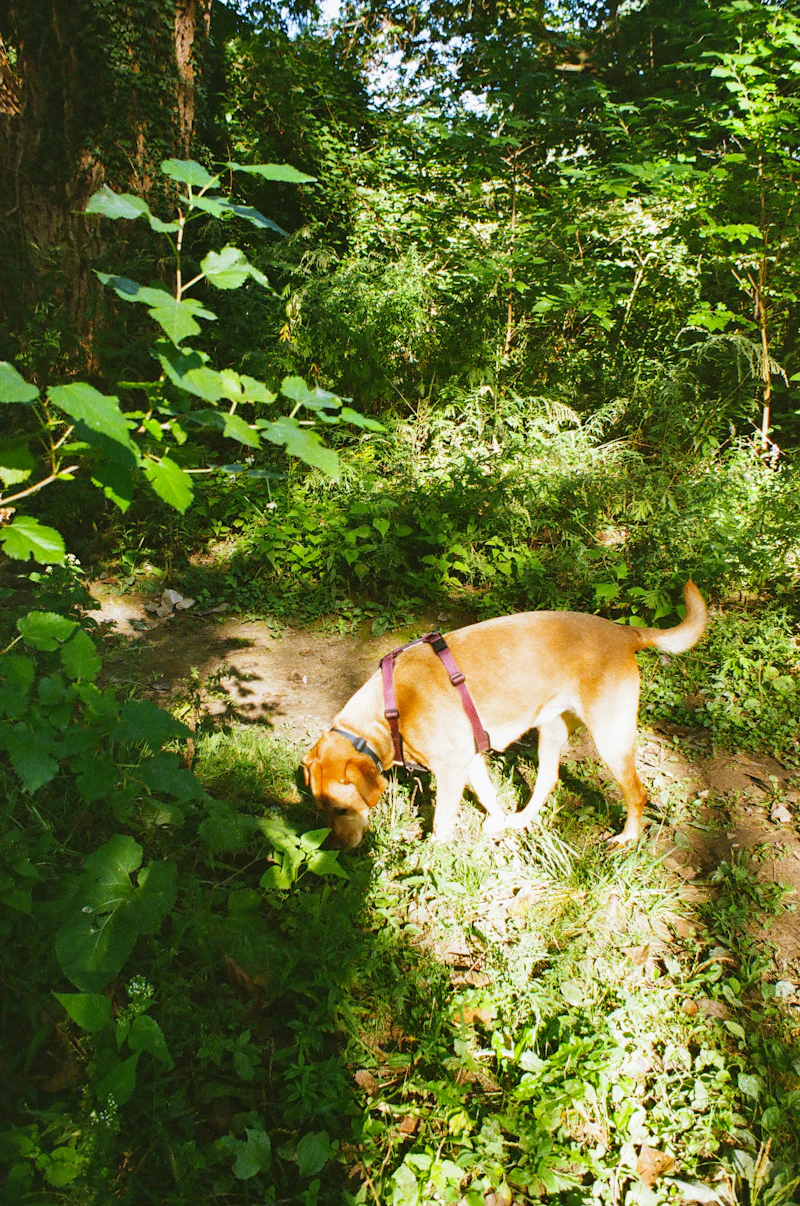
If you’re searching for the best leash for dogs that pull, the quickest answer is that sturdy construction, reliable control features, and proper fit are crucial. For a pulling dog, standard leashes may not offer enough support or safety. Instead, focus on strong, comfortable options built specifically for dogs that pull—think padded handles, durable hardware, and designs that help discourage pulling safely.
Why Dogs Pull on the Leash
Before choosing the right leash, it helps to understand why dogs pull. Pulling is a natural canine instinct: they move faster than humans, get excited outside, or want to reach something. While leash training is always beneficial, the right gear can dramatically improve safety and comfort during walks, both for you and your dog.
Common Causes of Pulling
- High energy or excitement: Young and high-energy breeds often pull out of enthusiasm.
- Distractions: Sights, scents, or other dogs quickly grab your dog’s attention.
- Insufficient training: Dogs may not have learned how to walk politely on a leash.
If you’re working with a strong puller, a no pull leash or anti pull leash is less about “fixing” pulling and more about making walks safer and more manageable.
What is an Anti Pull Leash?
An anti pull leash or no pull leash is a lead designed with features to reduce strain when your dog pulls. Unlike standard leashes, anti pull leashes may include absorbed shock, additional handles, or specialized attachments. While they can help manage pulling, they work best paired with training and a proper harness for no-pull setups.
Types of Leashes for Pulling Dogs
- Standard nylon leashes: Basic, but may not provide enough control unless very wide and heavy-duty.
- Double-handled leashes: Feature an extra handle near the dog’s collar for increased control in busy or high-distraction settings.
- Bungee leashes: Stretch to absorb injury risk and sudden jolts when a dog lunges or pulls hard.
- Traffic leashes: Extremely short, providing maximum control for crowded spaces.
- Leashes with training attachments: Designed to clip to harness front and back D-rings for more directional control.
Key Features to Look for in the Best Leash for Dogs That Pull
The right leash balances strength, safety, comfort, and ease of use. Here are key features and why they matter:
1. Strength and Durability
- Material: Look for thick nylon, climbing-grade rope, or reinforced webbing.
- Quality Stitching: Reinforced, bar-tacked seams to prevent tearing.
- Hardware: Heavy-duty metal clips (zinc alloy or stainless steel)—plastic snaps are rarely strong enough.
2. Handle Design
- Padded Handles: Vital for reducing hand strain and preventing rope burn during hard pulls.
- Multiple Handles: A primary handle and a “traffic” handle near the dog’s collar for immediate, tight control. This is helpful for crossing streets or passing distractions.
3. Shock Absorption
- Bungee or Elastic Segments: These absorb the shock of sudden pulling, protecting both dog and handler from jolts and potential injuries.
- Retractable leashes are not recommended: They generally make pulling behavior worse and offer less control.
4. Leash Length
- 4-6 feet is ideal: Long enough for freedom but short enough for control. Shorter leashes (4 feet) offer maximum handling, while 6 feet gives a balance of freedom and control.
- Traffic leads: 1-2 feet for tight environments or tall/strong dogs in crowded spaces.
5. Control and Versatility
- Dual Clips: Some anti pull leashes can clip to a harness at both the front and back, offering greater directional control when used with a training harness.
- Reflective Stitching: Helps keep you and your dog visible during nighttime walks.
- Easy to Clean: Mud and grime happen—washability is always a plus!
Sizing and Selecting the Best Leash for Your Pulling Dog
Dogs who pull are often strong, energetic, or larger breeds, but small dogs can pull hard too. Sizing your leash correctly is important for safety, comfort, and effectiveness.
How to Choose the Right Size and Strength
- Small dogs (under 20 lbs): Look for leashes up to ¾ inch wide. Even for smaller breeds, ensure clips and hardware are robust.
- Medium dogs (20-50 lbs): ¾ inch to 1-inch wide leashes are common. Choose heavy-duty but not overly bulky hardware.
- Large/strong dogs (over 50 lbs): Leashes should be at least 1-inch wide, with reinforced stitching and handles. Carabiner-style or locking clips provide additional security.
Use the following checklist for a proper fit:
- Check manufacturer weight recommendations if available.
- Test that your dog can’t snap the hardware by hand (look for industrial-grade metal snaps).
- Padded handle comfort when gripped tightly—especially if your dog might lunge suddenly.
Matching the Leash to Your Walking Style
- City walks: Shorter, double-handled leashes for sidewalk control.
- Parks/trails: Longer leashes may be acceptable if your dog responds to training.
- Training sessions: Multipurpose or adjustable leashes (can vary the length based on training scenario).
- Jogging/running: Hands-free leashes with a bungee section help absorb shock, but always be cautious with heavy pullers.
Comparison Guide: Leash Types for Pulling Dogs
| Leash Type | Best For | Features | Drawbacks |
|---|---|---|---|
| Bungee Leash | Absorbing shock, sudden lunges | Elastic segment, often padded | Elastic can “slingshot” with extreme pullers |
| Double-Handled Leash | Quick control in busy areas | Secondary handle near dog | Bulkier, more to grip |
| Standard Flat Leash (Heavy Duty) | All-purpose walking, big dogs | Strong webbing, metal hardware | No shock absorption |
| Traffic Lead | Crowded spaces, tall strong dogs | Very short (1-2 ft), max control | Not for casual walks |
| Rope Leash (Climbing Grade) | Strength, durability | Thick rope, sturdy clips | No flexibility, can be heavy |
| Multi-Clip No-Pull Leash | Harness attachment, training | Multiple clips/rings, adjustable | More complex to use, sometimes pricier |
Practical Tips for Walking a Pulling Dog
Even with the best leash for dogs that pull, daily walks can still be a challenge without a practical approach. Here are some actionable tips to improve your daily walks:
- Pair your leash with a no-pull harness: These harnesses help redirect pulling force from the dog’s neck, and a double-clip leash can offer even more control.
- Use training reinforcements: Praise and reward your dog for staying close or not pulling. Consistent leash-manners training is essential, regardless of leash type.
- Be proactive about distractions: Anticipate triggers (other dogs, squirrels, people) and grip the secondary handle before your dog reacts.
- Keep walks shorter and more focused: Over-excited dogs benefit from structured, shorter walks while learning leash manners.
- Inspect your leash frequently: Check for frayed spots, weakened stitching, or faulty hardware, especially if your dog is a chronic puller.
Common Mistakes to Avoid
- Using retractable leashes for pullers: These leashes encourage pulling and can break or injure hands if a strong dog lunges.
- Choosing lightweight leashes for strong dogs: Weak clips, thin materials, or lightweight stitching can fail under pressure.
- Ignoring handle comfort: Even the strongest leash is hard to use if it’s uncomfortable in your hands.
- Assuming leash alone will stop pulling: The right leash helps, but training is always the foundation of better walks.
Features Checklist: Anti Pull Leash Essentials
- Wide, reinforced material suitable for your dog’s size
- Heavy-duty, locking metal hardware
- Soft, padded handles (ideally two: one at the end, one closer to the dog's collar)
- Shock-absorbing or bungee segment for high-pullers or lungers
- Reflective stitching or accents for visibility
- Easy-clean, weather-resistant construction
- Compatibility with training harnesses
How to Test a Leash for Pulling Dogs
Once you have a potential leash, run through these tests before relying on it outdoors:
- Inspect all hardware: Pull on the clip and seams with moderate strength. If anything moves or bends, it’s not suitable for pullers.
- Comfort test the handle(s): Imagine holding on during a sudden lunge; make sure it won’t chafe or slip.
- Pair with your dog’s gear: Attach to your dog’s harness or collar and do a “mock walk” in your yard or living room, checking how easy it is to switch handles or shorten the leash quickly.
Caring for Your Anti Pull Leash
Proper care helps ensure safety and longevity, especially if your dog is a serious puller:
- Clean regularly: Wash with mild soap and water to remove grit that can weaken fabric or hardware.
- Dry thoroughly: Moisture can corrode even the best hardware; always air-dry after cleaning or wet walks.
- Check for signs of wear frequently: Replace any leash with frayed edges, weakened hardware, or excessive stretch/damage.
Summary: Selecting the Best Leash for Your Pulling Dog
Finding the best leash for dogs that pull comes down to strength, comfort, and the right features for your specific walking environment. Focus on well-constructed, heavy-duty materials with reinforced stitching and reliable hardware. Features like padded handles, bungee shock absorption, and dual-handle designs all add comfort and control. Remember, pairing your leash with a no-pull harness and consistent training will give the best results for a safer, more enjoyable walk with your canine companion.
Frequently Asked Questions
What type of leash is best for a dog that pulls?
The best type of leash for a pulling dog is a heavy-duty flat or rope leash with padded handles and possibly a bungee segment for shock absorption. Double-handled leashes provide extra control during walks, and multi-clip leashes can work with training harnesses to help redirect pulling.
Are retractable leashes safe for dogs that pull?
Retractable leashes are generally not recommended for dogs that pull. They offer less control, can actually encourage pulling, and the thin cords can break or cause injury during sudden lunges.
What is the ideal leash length for a pulling dog?
A leash length of 4 to 6 feet is usually best for dogs that pull. Shorter leashes provide stronger control, especially in crowded areas or high-distraction environments.
Can an anti pull leash stop my dog from pulling completely?
An anti pull leash can help reduce pulling and make walks safer, but it will not solve the problem alone. Consistent leash training is necessary to fully address pulling behavior.
Should I pair my leash with a specific type of harness?
For dogs that pull, pairing your leash with a no-pull harness is highly recommended. Many anti pull leashes work best when clipped to a front-clip or multi-clip harness, offering greater control and safety during walks.