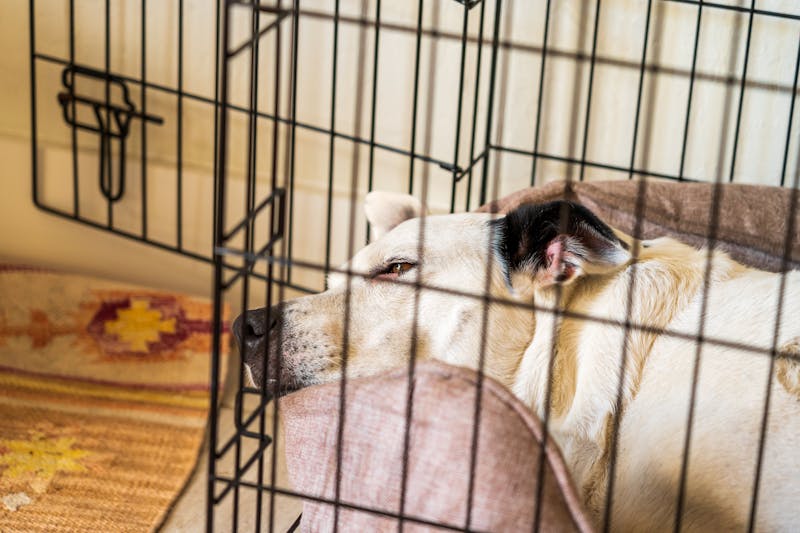
If you’re choosing between a wire crate vs plastic crate for your dog, the main differences come down to durability, ventilation, portability, security, and intended use. Wire crates offer great visibility and airflow and often fit multiple purposes at home, while plastic crates are more secure, cozy, and typically considered best for travel. Deciding which is right involves considering your lifestyle, your dog’s personality, and how you plan to use the crate day to day.
Understanding Dog Crate Types
The world of dog crates is broader than many expect. Before diving into the wire crate vs plastic crate comparison, here’s a quick overview of the main dog crate types:
- Wire Crates: Made from metal wire mesh, collapsible for storage, easy to clean and ventilated.
- Plastic Crates: Molded hard plastic, with steel wire doors, more enclosed design, used for travel and at home.
- Soft-Sided Crates: Lightweight fabric and mesh, intended for calm dogs and short stints.
- Heavy-Duty Crates: Reinforced material for escape artists, destructive dogs, or large breeds.
For most dog owners, the decision often comes down to wire or plastic crate options, as these two types cover everyday and travel needs for a wide range of dogs.
Wire Crate Overview
Wire dog crates are common in homes, training sessions, veterinary clinics, and shelters. They’re built from sturdy metal wire, forming a cage-like structure with good visibility and ventilation. Most fold flat for easy transport or storage. They come in single- and double-door options for convenience.
Key Features of Wire Crates
- Ventilation: Nearly 360-degree airflow, ideal for hot climates or dogs that overheat.
- Visibility: Dogs can see out, and you can see in easily—reduces anxiety for some dogs and owners.
- Adjustability: Many come with divider panels, letting you resize the interior for growing puppies.
- Easy to Clean: Slide-out plastic trays make messes easy to remove.
- Folds Flat: Convenient for storing when not in use or moving from place to place.
Wire Crate Pros and Cons
| Pros | Cons |
|---|---|
| Excellent ventilation and visibility | Can feel less “den-like” for some dogs |
| Adjusts for puppy growth with dividers | Heavier than plastic for the size |
| Folds flat for transport/storage | More exposed; offers less privacy and warmth |
| Easy to clean with slide-out tray | Not approved for all airline travel |
| Durable with proper use | Some dogs can chew or bend wires |
Plastic Crate Overview
Plastic dog crates, also called “kennels,” feature solid walls with ventilation slats, a wire or plastic door, and sometimes top handles. They’re lightweight, widely approved for airline travel, and create a cozy, enclosed space for your dog. Often, they come in two snap-together pieces for easy cleaning.
Key Features of Plastic Crates
- Security: More enclosed, making them feel like a den—often effective for anxious dogs.
- Travel-Ready: Many airline-approved for cargo and in-cabin travel (check specific crate requirements before flying).
- Portability: Lighter and easier to carry for the size, especially with a top handle.
- Warmth and Privacy: Solid sides shield from drafts and visual distractions.
- Easy to Assemble: Most split into top and bottom halves for quick cleaning and disassembly.
Plastic Crate Pros and Cons
| Pros | Cons |
|---|---|
| Creates a den-like, cozy feel | Less airflow; can be hot in warm climates |
| Lighter for carrying | Bulkier; doesn’t fold flat |
| Usually airline-approved | Limited visibility—some dogs may dislike this |
| Offers privacy and reduces distractions | Not adjustable as puppy grows |
| Easy to rinse out (split in half) | Some can be chewed or scratched through by destructive dogs |
Wire Crate vs Plastic Crate: Factors to Consider
How do you decide between a wire crate or plastic crate? Consider these practical points to match your dog and your household’s needs.
1. Intended Use: Home, Travel, or Both?
- Home Use: Wire crates fit seamlessly into the home for everyday crate training and rest. The open sides let your dog see family activity, which most dogs enjoy. Plastic crates, while suitable indoors, are more often used for overnight denning or for dogs that like quiet, tucked-away spaces.
- Travel: Plastic crates are a top choice for travel by car or plane. Their enclosed design keeps debris out and reduces anxiety from outside noises or distractions. Most airlines require plastic “kennel” crates. Wire crates, on the other hand, aren’t generally airline approved but can be used for car travel if secured properly.
2. Your Dog’s Temperament and Preferences
- Dogs Who Love Dens: Dogs that seek enclosed, dark places (like burrowing under tables or blankets) often settle better in plastic crates.
- Social or Curious Dogs: Dogs who want to keep an eye on their people or the environment might prefer the openness of a wire crate.
- Escape Artists or Chewers: Both crate types have vulnerabilities—some dogs chew through plastic, others bend wire. Heavy-duty alternatives are available for the determined.
- Anxious Dogs: Plastic crates block out more visual distractions, which can calm nervous dogs. However, some securely attach crate covers to wire crates for similar denning benefits.
3. Climate and Location
- Hot Climates: Wire crates offer excellent ventilation, helping dogs stay cool even in warmer rooms.
- Cold or Drafty Spaces: Plastic crates hold warmth and protect better from chilly breezes.
4. Cleaning and Maintenance
- Wire Crate: Quick to wipe down with a removable tray. Some models make it easier to sweep out loose hair and crumbs.
- Plastic Crate: Good for quick spray-downs; often separates into two halves. However, airflow is more limited while wet, so allow extra time to dry after a deep wash.
5. Space and Storage Needs
- Wire Crate: Folds flat, making it easier to move or store when not in use.
- Plastic Crate: Bulkier, more difficult to store discreetly if you live in a small space.
6. Cost and Lifespan
Both wire and plastic crates are affordable for most sizes, with wire crates often offering more flexibility for growing puppies. Long-term durability can vary widely by brand, material gauge, and how your dog treats the crate.
Practical Comparison: Wire Crate vs Plastic Crate
| Feature | Wire Crate | Plastic Crate |
|---|---|---|
| Ventilation | Superior airflow | Limited (slats/vents only) |
| Visibility | Full (see all around) | Partial (front/side slats) |
| Portability | Folds flat; heavier | Lighter; does not fold |
| Travel Use | Car (secured); not for planes | Airline-approved options; car safe |
| Cleaning | Slide-out tray; open access | Halves separate; easy rinse |
| Privacy & Coziness | Open and airy (less private) | More den-like; draft protection |
| Growth Adjustment | Dividers adjust for puppy | No divider; must upgrade with growth |
| Durability | Prone to wire bending (large dogs); sturdy with appropriate use | Prone to chewing (determined dogs) |
| Storage | Collapses to store flat | Stays same size; bulky |
How to Choose the Right Crate for Your Dog
There’s no single right answer. Here’s a step-by-step guide for picking the best option for your individual situation:
- Consider the Primary Use: Are you mainly crating at home for training and downtime, or do you need a travel-friendly crate for car and air travel?
- Know Your Dog’s Preferences: Observe if they like cozy, covered spaces or prefer to see their surroundings. Are they calm in new places, or does extra security help?
- Assess Climate and Placement: Will the crate sit in a warm or cold spot? Do you need lots of airflow, or protection from drafts?
- Measure Space at Home: Which style fits better in your living area? Do you need something that folds flat and stores out of sight?
- Plan for Growth: If you have a puppy, wire crates that adjust in size with dividers will last longer before needing an upgrade.
- Review Cleaning Needs: If your dog is prone to messes, consider a design that’s easiest for you to maintain regularly.
Dog Crate Sizing Guide
Whichever crate type you choose, correct sizing is key. Here’s how to size your crate for comfort and safety:
- Measure your dog from the tip of the nose to the base of the tail.
- Add 2–4 inches to that length for wiggle room.
- Measure from the top of your dog’s head (or ears, if erect) to the floor when standing.
- Add 2–4 inches to that height measurement.
- Pick the crate size closest to those dimensions—your dog should be able to stand, turn, and lie down comfortably, but not have extra excess space (especially for puppies in training).
| Dog Size | Approximate Weight | Crate Size (L x W x H in inches) |
|---|---|---|
| Small breeds (e.g. Yorkie, Dachshund) | Up to 25 lbs | 24 x 18 x 19 |
| Medium breeds (e.g. Cocker Spaniel, Beagle) | 26–40 lbs | 30 x 19 x 21 |
| Large breeds (e.g. Labrador, Boxer) | 41–70 lbs | 36 x 23 x 25 |
| Extra large breeds (e.g. GSD, Golden Retriever) | 71–90 lbs | 42 x 28 x 30 |
| Giant breeds (e.g. Great Dane) | 91+ lbs | 48 x 30 x 33 and up |
If buying for a puppy, most wire crates come with dividers—choose the size for your dog’s expected adult size, and use the divider to reduce space until your puppy is grown.
Tips for Making Either Crate More Comfortable
- Add a washable crate pad or mat for gentle support.
- Include a safe chew toy or rubber treat toy for entertainment.
- Cover wire crates with a blanket or purpose-made cover for extra coziness (ensure airflow and monitor temperature).
- For plastic crates, add a soft towel or bedding that won’t interfere with door closure.
- Check latches and doors regularly for wear, especially if your dog paws at or chews on them.
When to Consider Heavy-Duty or Specialty Crates
Some dogs are powerful chewers, determined escape artists, or have destructive tendencies. If your dog quickly defeats standard wire or plastic crates, specialty crates made from reinforced steel or aluminum with advanced locking mechanisms could be a safer investment. These often come at a higher cost but protect your dog and your home when standard crates don’t hold up. Always supervise new crate introductions and never leave a dog crated in unsafe or unstable crates.
Frequently Asked Questions
Are wire crates or plastic crates better for crate training?
Both types can be effective for crate training. Wire crates let your dog see what’s happening in the home and provide plenty of airflow, which is comforting for social dogs. Plastic crates offer more privacy and can help nervous dogs feel secure. Choose the type that best matches your dog’s personality and your training goals.
Can wire or plastic crates be used for air travel?
Plastic crates are usually required for airline travel, as they meet most airline standards for safety and security. Wire crates are rarely accepted by airlines. Always check specific guidelines before travel.
How do I make a wire crate feel cozier for my dog?
You can cover part or all of a wire crate with a blanket or a fitted crate cover to create a den-like environment, add a soft crate bed or pad, and include safe toys. Be sure there’s enough ventilation and that your dog doesn't overheat.
Which crate is easiest to clean?
Both wire and plastic crates are easy to clean. Wire crates generally have a removable plastic tray for quick mess cleanup, while plastic crates can be separated into halves and hosed down easily. The best option depends on your cleaning preferences and the type of messes your dog typically makes.
Can I use both crate types in different situations?
Yes, many dog owners use a wire crate at home for daily activities and a plastic crate for travel or sleep. This combination offers flexibility for different environments and needs.