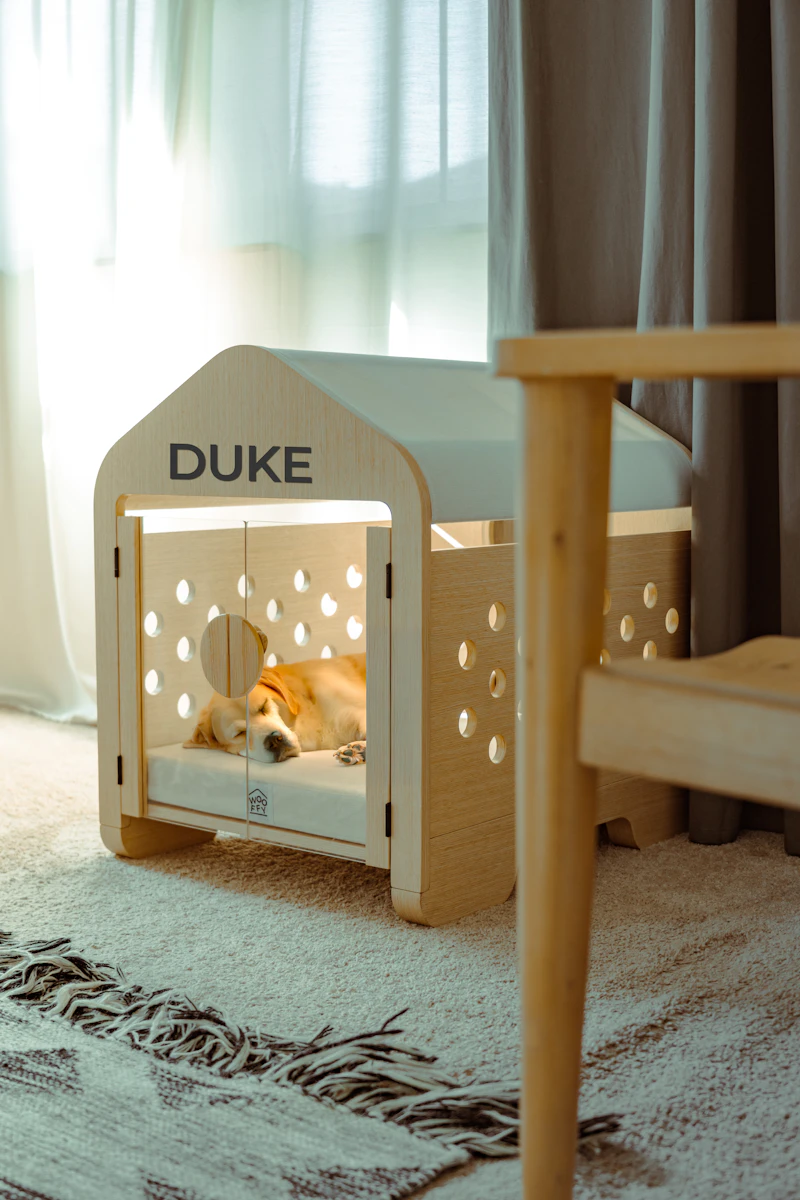
Getting the best crate for puppies sets the stage for successful potty training, healthy routines, and your dog’s overall development. The right puppy crate keeps your young dog safe when you can’t supervise, prevents destructive behavior, and creates a calming environment. With many crate types, sizes, and features available, it can be overwhelming to select the ideal one. This guide covers what to look for in a crate for puppy training, how to size it correctly, essential features to prioritize, and practical tips for finding the right fit for your lifestyle and your dog’s breed and age.
Why a Crate Matters for Puppies
Crate training isn’t just about confinement—it’s about creating a safe, den-like space. For puppies, a crate can:
- Speed up housetraining by teaching bladder control
- Protect puppies from household hazards when unsupervised
- Help with establishing routines and boundaries
- Provide a safe place for rest and downtime
- Support travel safety in cars or planes
- Reduce stress during vet visits, grooming, or when guests are over
Advwin Foldable Puppy Crate
For puppies just settling into their new home, the Advwin Foldable Puppy Crate hits the practical basics. Its two-door design gives flexible placement options, the removable tray makes cleanup simple, and the foldable metal frame is easy to store or transport. It features two doors, a removable tray, and a foldable metal frame.
Check Price on Amazon As an affiliate, we may earn a small commission at no extra cost to you.Types of Puppy Crates
Several common types of crates work well for puppies. Each has strengths and drawbacks depending on your needs and environment.
Wire Dog Crates
- Pros: Excellent ventilation; easy to clean; often foldable and portable; allows your puppy good visibility.
- Cons: Can be noisy if puppy is restless; may allow messes to escape if not lined well; some determined puppies may try to chew the bars.
- Best for: Owners wanting flexibility, open design, or planning to use the crate at different locations in the home.
Plastic Kennels (Travel Crates)
- Pros: More den-like and enclosed, promoting a cozy feeling; safer for car and airline travel; less drafty.
- Cons: Harder to clean thoroughly; bulkier and less collapsible; limited visibility for your pup.
- Best for: Travel, puppies who need more privacy, or anxious pups who benefit from a more enclosed space.
Soft-Sided Crates
- Pros: Lightweight, easy to transport, often comfortable and visually appealing.
- Cons: Not suitable for heavy chewers or escape artists; typically harder to disinfect.
- Best for: Very young puppies on the go with supervision, crate-trained older pups, or for travel and events where setup must be quick.
Furniture-Style and Decorative Crates
- Pros: Blends with home décor; often doubles as a side table or bench; less “kennel” appearance.
- Cons: Often less durable and secure; not suitable for destructive or teething puppies; pricier.
- Best for: Small, mature puppies in low-risk households, or when appearance is a priority.
Choosing the Right Puppy Crate Size
Puppy crate size is essential for safety, comfort, and effective training. A crate that’s too big encourages soiling and pacing, while a crate that’s too small is uncomfortable.
How to Measure for the Right Size
- Length: Measure your puppy from the tip of their nose to the base of their tail (not the end of the tail). Add 2–4 inches for growth and to allow comfortable stretching.
- Height: Have your puppy sit and measure from the floor to the top of their head. Add 2–4 inches more.
- Check manufacturer size guidelines—many list breed, age, and weight recommendations.
If your puppy is small or a toy breed, you may start with an extra small or small crate. For large breeds, choose a crate sized for their projected adult size but use a divider panel to restrict space as your puppy grows.
| Crate Size | Puppy Weight Range | Suggested Breeds (Examples) |
|---|---|---|
| 18–22 inches | Up to 15 lbs | Toy Poodle, Yorkie, Chihuahua |
| 24–30 inches | 11–25 lbs | Pug, French Bulldog, Cavalier |
| 30–36 inches | 26–40 lbs | Cocker Spaniel, Beagle |
| 36–42 inches | 41–70 lbs | Labrador, Border Collie, Boxer |
| 42–48 inches | 71+ lbs | Golden Retriever, GSD, Great Dane |
Tip: For fast-growing puppies (like Retrievers or Shepherds), opt for a larger crate with an adjustable divider. This lets you adjust the interior as your puppy grows.
Essential Features for Puppy Crates
The safest and best crate for puppies will be durable, secure, and easy to clean. Look for these key features:
- Divider Panel: Allows you to reduce the crate’s internal space as your puppy grows. Essential for potty training larger breeds.
- Removable Tray: A leak-proof tray is crucial for cleaning up accidents and messes quickly.
- Secure Latch: Avoid crates with flimsy latches that a clever puppy could nudge or paw open.
- Rounded Edges: Prevents injury from sharp corners.
- Proper Ventilation: Especially important for warmer climates or long-furred puppies.
- Portability: Folding models or carrying handles help with moving the crate throughout your home or for travel.
- Non-Toxic Materials: Make sure all surfaces are coated or made from materials that will not harm if chewed.
If your puppy is teething or a heavy chewer, prioritize robust construction and materials over a lightweight, portable build.
Checklist: What to Look for in the Best Crate for Puppies
- Right size (not too large or small, possible to use dividers)
- Safe, non-toxic, chew-resistant materials
- Secure door with puppy-proof latching system
- Ventilation on several sides
- Easy-access for cleaning and bedding changes (removable tray or top entry)
- No sharp edges, exposed wires, or hazardous small parts
- Space for a soft bed or crate mat (optional)
- Brand reputation—read verified reviews about sturdiness and safe construction
- Warranty or satisfaction guarantee where possible
Special Considerations by Puppy Stage
Newborn and Very Young Puppies (Under 8 Weeks)
- Should ideally remain with their mother and littermates, not alone in a crate for long periods.
- If you must crate, choose a cozy crate with a divider and frequent check-ins.
- Add a soft blanket and, if safe, a warm “heartbeat” plush toy for comfort.
8–12 Weeks (New Family Member Stage)
- Use short crate training sessions (10–20 minutes at first).
- Crate must be the right size, with a safe bedding layer and divider as needed.
- Make it a positive place—feed meals or offer treats in the crate.
12 Weeks and Up (Active Socialization)
- Increase crate duration as puppy gains bladder control and confidence.
- Continue to use the divider and adjust as your puppy grows.
- Practice closing the door for short intervals while you are home.
Puppy Crate Setup and Comfort Tips
- Place the crate in a quiet yet active area—so your puppy feels included but not overwhelmed. Many owners start in a corner of the living room or kitchen.
- Use soft, easily washable bedding sized so the puppy can move and lie down comfortably.
- Add a safe chew toy; avoid toys with small pieces that might be ingested.
- For nervous puppies, drape a light cover (like a blanket) over part of the crate for a more den-like atmosphere—always leaving enough ventilation.
- Place a puppy-safe water bowl if your vet recommends, especially for longer durations.
Common Puppy Crate Training Mistakes to Avoid
The right crate helps, but training methods matter too. Here’s what to steer clear of:
- Leaving your puppy too long in the crate: Young puppies can only hold their bladder for short windows (about 1 hour per month of age).
- Using the crate as punishment: Only associate it with positive or neutral experiences, not time-outs or discipline.
- Choosing the wrong size: A too-large crate derails potty training, while too small leads to discomfort.
- Poor location: Don’t put the crate in a freezing draft or dark, distant room where the puppy feels isolated.
- Forgetting about enrichment: Use toys that are safe for unsupervised chewing and swap them out regularly to keep crate time rewarding.
Comparing Popular Puppy Crate Features
| Feature | Wire Crates | Plastic Kennels | Soft-Sided Crates |
|---|---|---|---|
| Chew Resistance | High | Medium | Low |
| Travel Friendliness | Medium (good for car) |
High (car/airplane ready) |
Very High (lightweight) |
| Weight | Moderate | Heavy | Very Light |
| Ease of Cleaning | Excellent | Good | Difficult |
| Ventilation | Excellent | Good | Good |
| Adjustable Dividers | Often included | Rarely | No |
| Home Décor | Industrial look | Bulky/Utility | Sleek canvas look |
Checklist: Preparing Your Puppy’s First Crate
- Choose the right type and size (with room to grow if needed)
- Order a divider panel if applicable
- Add easy-wash bedding and a safe toy or two
- Place the crate in a visible, low-traffic area at first
- Use food, treats, and praise to build positive associations
- Refresh bedding and clean the crate regularly
- Adjust divider as your puppy grows
- Pay attention to your puppy’s comfort and behavior in the crate
Signs Your Puppy’s Crate Is the Right Fit
- Your puppy can stand up, turn around, and lie stretched out comfortably
- Hasn’t had many accidents after adjusting the divider or bedding
- Settles down in the crate after a few minutes of being placed inside
- No evidence of biting or pawing at the door for long periods
- Voluntarily enters the crate for naps or when tired
When to Change Crate Size
If your puppy is reaching the edge of their crate, bumping their head when standing, or can’t stretch out, it’s time to upgrade to the next size up. For larger breeds, anticipate size changes every few months—especially during growth spurts in the first year.
Puppy Crate Accessories to Consider
- Absorbent pads or liners: For puppies prone to accidents, these protect crate trays and bedding.
- Soft waterproof mat: For easy washing and extra comfort.
- Safe crate cups: Attach to doors for water in longer stays (check for chew-proof designs).
- Crate covers: Can reduce visual overstimulation and help calm anxious puppies.
Key Takeaway: The Best Crate for Puppies Varies By Need
Every puppy is different—some crave security, some space, and some need a crate that will last through every stage. For most homes, a solid wire crate (the Advwin Foldable Crate is a solid starter option) with a divider offers the most versatility as your puppy grows, while plastic kennels work well for frequent travel or especially anxious pups. Soft-sided crates have limited use for young puppies, but can be helpful for events or mature crate-trained dogs. Always size for safety and comfort, and make crate training a positive, patient process.
Frequently Asked Questions
What size crate should I get for my puppy?
The crate should be just large enough for your puppy to stand up, turn around, and lie down comfortably. For fast-growing breeds, choose a crate sized for expected adult size and use a divider to reduce space for now.
Should I get a wire or plastic crate for my puppy?
Wire crates are versatile and easy to clean, making them popular for home use and crate training. Plastic crates provide a more enclosed environment and are better for travel or more anxious puppies. Choose based on your lifestyle and your puppy’s temperament.
How long can I leave my puppy in the crate?
Young puppies can usually hold their bladder for about one hour per month of age (e.g., a 2-month-old pup: 2 hours max). Never leave a puppy crated for a full workday—regular breaks are essential.
What should I put in my puppy’s crate?
Add soft, washable bedding, a safe chew toy, and possibly an absorbent pad for accidents. Avoid bowls that spill or toys with small, detachable parts.
Can a crate be too big for a puppy?
Yes—if the crate is too large, your puppy may use one corner as a bathroom and another for sleeping, slowing housetraining. Use a divider to adjust the space as your puppy grows.
How do I get my puppy used to the crate?
Introduce the crate gradually with treats and meals, let your puppy explore with the door open, and close it for short periods. Always make crate time positive to prevent fear or anxiety.