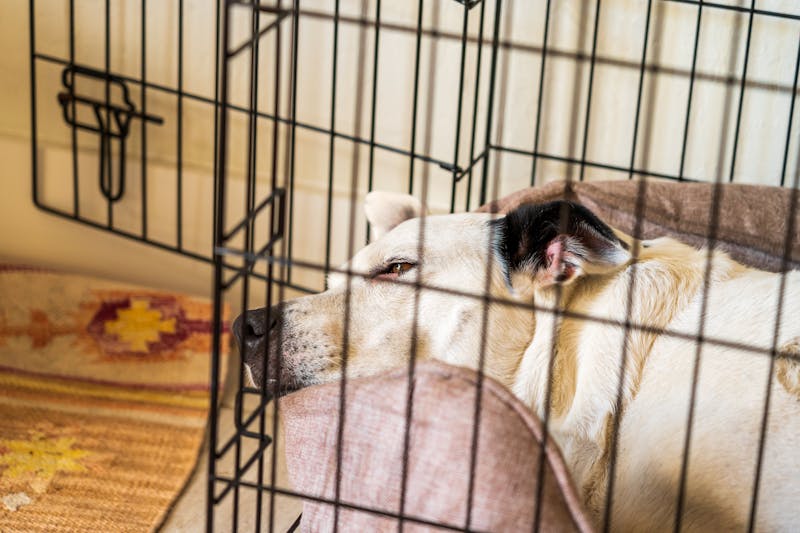
If you own a large or extra-large dog, finding the best crate for large dogs is essential for safety, comfort, and peace of mind. The right crate provides your pet with a secure den, aids with training, and helps with travel or vet visits. XL dog crates and heavy duty crates are built to suit big breeds, but not every crate is created equal. This guide covers everything you need to know to choose the best large dog crate for your home and dog’s unique needs.
Why Large Breeds Need Specialized Crates
Large and extra-large dogs have specific needs that smaller crates simply can’t meet. Bigger breeds are not only taller and heavier, but some are also far more determined when confined. An appropriately sized XL dog crate is safer, more comfortable for your pet, and lasts longer under heavy use. Let’s break down why it matters:
- Space and Comfort: Large dogs need ample room to stand, turn, and stretch without bumping into the walls or roof of the crate.
- Durability: Stronger materials and reinforced construction prevent escapes and withstand chewing, digging, and bumping.
- Safety: Unsuitable or undersized crates can cause injuries or anxiety, while a good fit provides security and promotes calm behavior.
Types of Large Dog Crates
Crates come in several main styles. Understanding the differences can help you choose the best crate for large dogs that matches your dog’s personality and your lifestyle.
Wire Dog Crates
- Best for: Home use, dogs who like visibility, moderate chewers
- Features: Folding designs, double doors, removable trays, divider panels
- Pros: Great airflow, good visibility, easy to clean, adjustable as your puppy grows
- Cons: Not escape-proof, heavier models can be awkward for travel, some dogs may chew the wires
Plastic Dog Crates (Pet Carriers)
- Best for: Travel, anxious dogs, airline-compatible use
- Features: Solid sides, metal door, snap-together build
- Pros: Enclosed feel, lightweight, often meet airline regulations
- Cons: Less airflow and visibility, harder for XXL sizes, not for strong chewers or escape artists
Heavy Duty Metal Crates
- Best for: Escape-prone, destructive, or strong dogs
- Features: Reinforced steel/tubular construction, secure locks, wheels for portability
- Pros: Extremely durable, escape resistant, ideal for XL and powerful breeds
- Cons: Expensive, heavy, may not be as attractive for home décor
Soft-Sided Crates
- Best for: Well-trained dogs, gentle travelers, temporary use
- Features: Fabric construction, mesh windows, lightweight frames
- Pros: Lightweight, portable, great for car travel or vacations
- Cons: Not chew-proof, easy to escape from, not suitable for unsupervised use with large breeds
Furniture-Style Dog Crates
- Best for: Integrating crate into living spaces, dogs who don’t chew or escape
- Features: Wood/MDF build, doubles as a table or credenza
- Pros: Blends with decor, functional for small spaces
- Cons: Pricey, less durable, not for heavy chewers or boisterous dogs
Key Selection Criteria for Large & XL Dog Crates
Finding the best crate for large dogs goes beyond simply picking the biggest size. Consider these key factors to ensure both safety and comfort for your pet:
1. Correct Sizing
- Your dog should be able to comfortably stand up, turn around, and lie down in a natural position. A crate that's too small is uncomfortable, while one that's too big can encourage accidents or anxiety.
- Extra space is especially important for extra-large breeds like Great Danes, Mastiffs, or Saint Bernards.
2. Sturdiness and Material
- Look for high-gauge steel or heavy-duty reinforced metal for escape-prone dogs. For calmer pets, a robust wire or plastic crate may suffice.
- Double check weld points and door latches for signs of strength—many escapes happen at the corners or where locks are insufficient.
3. Crate Door Configuration and Latches
- Double doors can offer more flexibility in placement and improve access for larger dogs, especially in tight rooms or vehicles.
- Latches should be tamper-resistant—strong dogs can manipulate weak bolts or sliding locks.
4. Ease of Cleaning
- A removable tray or pan makes daily cleanup much easier, especially for puppies or older dogs.
- Wire and metal crates typically have slide-out plastic trays; heavy duty models usually include steel or chew-resistant trays.
5. Portability and Storage
- Folding wire crates collapse for easy storage and some large plastic crates come apart for transport.
- Heavy-duty crates may have wheels due to their weight but are generally meant to stay in one place.
6. Ventilation
- Good airflow is crucial for large breeds, who are often more heat sensitive. Wire or well-ventilated heavy duty crates excel in this area.
7. Safety Features
- Look for rounded edges and tight wire spacing to prevent paws or noses from getting caught.
- Secure latches and escape-proof features are necessary for power chewers and those who have broken out before.
Sizing Guide for Large and Extra-Large Dog Crates
Getting the correct size is the single most important part of choosing a crate for your large dog. Here’s a practical, breed-based guide for reference. Always measure your own dog to get the best fit.
| Crate Size (L x W x H, inches) | Dog’s Weight | Breed Examples |
|---|---|---|
| 42" x 28" x 31" | 70-90 lbs | Golden Retriever, Labrador, Boxer |
| 48" x 30" x 33" | 90-110 lbs | Rottweiler, German Shepherd, Husky |
| 54" x 37" x 45" | 110-150+ lbs | Great Dane, Mastiff, Saint Bernard |
How to measure your dog:
- Length: From tip of nose to base of tail (not including the tail).
- Height: From floor to top of head or ears when standing.
- Width: Not usually a concern, but broad-shouldered dogs may need a wider crate.
- Add 4-6 inches to your dog’s length and height to determine the ideal interior crate dimensions.
Best Features to Look for in a Large or XL Dog Crate
Heavy-duty Construction
A flimsy crate simply won’t stand up to a determined large dog. Look for crates made from thick wire, reinforced steel, or high-impact plastic for maximum longevity and safety. Corner reinforcements, solid frames, and strong welds are key indicators of quality construction. Heavy duty designs resist chewing, pawing, and impacts.
Escape Resistance
Some big breeds are notorious escape artists, using their size and intelligence to defeat basic locks. Features like dual locking mechanisms, recessed latches, padlock compatibility, and robust door hinges are non-negotiable for those dogs. The best XL dog crates employ clever designs to keep even the most determined pups safely inside.
Easy Assembly and Storage
If you need to move your crate or store it occasionally, consider how it assembles and disassembles. Foldable wire crates are popular for their collapsible frames. Some large plastic crates snap apart for seasonal use or airline travel. Heavy-duty metal crates are less portable but may include wheels to help reposition them indoors.
Divider Panels
If raising a large breed puppy, a wire crate with a divider allows you to adjust the interior size as your dog grows. This prevents the crate from being too roomy (which can cause accidents) while still fitting your adult dog later on—a cost-effective solution for growing breeds.
Removable and Chew-Proof Trays
Removable pans speed up cleaning after sheds, spills, or accidents. For super-chewers, select a crate with a metal tray or a high-duty plastic pan secured with locks to prevent it from becoming a chew toy.
Ventilation and Visibility
Large, active dogs benefit from open designs that allow them to see their surroundings and stay cool. Most wire crates and many heavy duty crates meet this requirement, with mesh or grated sides for airflow.
Comparison Points: Wire vs. Heavy Duty Metal Crates
For large dogs, the main contenders in crate choices are wire versus heavy-duty metal. Here’s a practical comparison:
| Feature | Wire Crate | Heavy Duty Metal Crate |
|---|---|---|
| Strength | Good, but best for moderate chewers | Excellent, escape and chew-resistant |
| Setup/Storage | Folds flat for storage | Requires assembly; heavy but may include wheels |
| Weight | Moderate to heavy (for XL sizes) | Very heavy, usually stationary |
| Cost | Affordable | More expensive |
| Suitability | General use, crate-trained or calm dogs | Escape-prone, destructive, or unsupervised large dogs |
Checklist: Choosing the Best Crate for Large Dogs
- Measure your dog and check crate interior dimensions
- Choose a style that fits your needs (wire, metal, plastic, etc.)
- Inspect door locks and escape-resistance features
- Verify material strength and reinforced corners
- Ensure tray is removable and chew-resistant
- Look for ventilation panels on all sides
- Double check portability (weight, folding, or wheels)
- Confirm product weight capacity exceeds your dog’s weight
Practical Tips for Crate Training Large Dogs
The best crate for large dogs is only effective if your pet feels safe and content inside. Here are some starter tips:
- Introduce the crate slowly. Let your dog investigate and enter the crate on their own terms, using treats and toys inside to build positive associations.
- Feed meals inside the crate to create a pleasant routine.
- Never use the crate as punishment—keep it a happy, neutral space.
- Gradually increase the time your dog spends in the crate, starting with just a few minutes at a time.
- Add a comfortable mat or bedding, but avoid overly bulky options that could be chewed or create a tripping hazard for large dogs.
- Check the inside for sharp edges or exposed hardware before use.
Common Mistakes to Avoid with XL Dog Crates
- Choosing by weight only—always check interior dimensions using your dog’s breed and measurements as a guide.
- Assuming all crates are “escape-proof”; review user feedback and physical strength features for heavy duty needs.
- Overusing soft or fabric crates for heavy chewers or unsupervised time—they are not built for tough dogs.
- Placing the crate in a drafty or hot area; big dogs can be extra heat-sensitive and may struggle without airflow.
- Not securing crate doors or failing to engage all locking mechanisms when leaving your dog unattended.
Special Considerations for Extra-Large Breeds
Giant dog breeds like Mastiffs, Great Danes, and Saint Bernards require extra planning:
- Location: These crates are huge—measure your space before buying, and ensure you can get the crate into your chosen room!
- Floor Protection: XL dog crates are heavy—consider using a mat or rug beneath to protect your floors.
- Quality Over Price: Budget crates may not stand up to daily use from a 120-pound dog. Investing in heavy duty construction saves money (and headaches) in the long run.
- Custom Needs: Some giant breeds with orthopedic issues may require extra interior height or special matting—confirm the interior space is enough for full standing and stretching.
Maintenance and Longevity for Large Dog Crates
A quality large dog crate should last years with periodic upkeep:
- Check for loose bolts, damaged wires, and compromised welds every month, especially if your dog chews or paws at the structure.
- Clean the tray regularly and disinfect the whole crate monthly to prevent odors and buildup.
- Lubricate door hinges and locks for smooth operation, especially on heavier duty models.
Frequently Asked Questions
How big should a crate be for a large dog?
The ideal crate allows your dog to comfortably stand up, turn around, and lie flat. Measure your dog from nose to base of tail and from floor to top of head, then add 4–6 inches to both measurements to determine the minimum interior crate size.
Are heavy duty crates really necessary for all large dogs?
No, heavy duty crates are best for escape-prone, anxious, or very powerful dogs. Calmer or crate-trained large breeds often do well in sturdy wire or plastic crates. If your dog has broken out before, chews heavily, or is unsupervised for long periods, a heavy duty crate is recommended.
Can a large dog crate be used for car travel?
Some large and XL dog crates are suitable for car travel, especially sturdy plastic or wire crates that fit your vehicle. Always secure the crate in your car to prevent movement. For air travel, choose an airline-approved plastic crate that matches size requirements.
What materials are best for large dog crates?
For most large dogs, high-gauge wire or reinforced steel is best for durability and security. For calm or well-trained large dogs, robust plastic crates are an option. Avoid soft-sided crates for unsupervised or heavy chewers, as they’re not strong enough.
Can I use a divider panel with an XL dog crate?
Yes, some wire and metal XL dog crates include divider panels. This lets you adjust the space, which is especially useful when raising a large breed puppy and wanting to expand the area as they grow.
How do I make my large dog feel comfortable in a crate?
Start with gradual acclimation, use treats and favorite toys, and add a suitable mat or bed. Avoid using the crate for punishment and ensure adequate ventilation. Always check for sharp edges and use a crate that’s appropriately sized for your dog’s comfort.