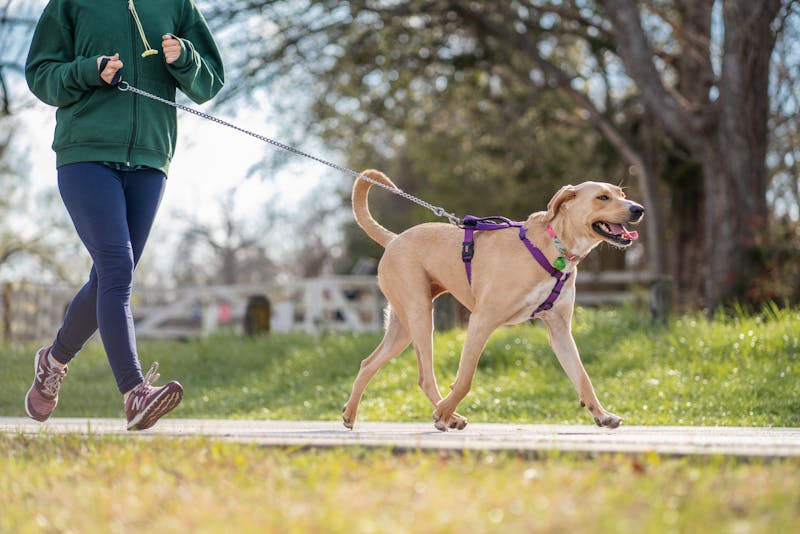
Choosing the right harness for your dog can make daily walks more comfortable, safer, and more enjoyable for both you and your dog. Not all harnesses fit every dog equally well, and the style, size, and features you need will depend greatly on your dog’s breed, size, activity level, and walking habits. This guide breaks down everything you need to know about how to choose dog harnesses that fit your dog’s unique requirements, helping you make a confident and informed decision.
Why Use a Harness Instead of a Collar?
Before exploring which harness is best by breed or size, it helps to understand why dog owners choose a harness. Collars are traditional, but they can be uncomfortable or even unsafe for dogs prone to pulling, with certain health conditions, or with delicate necks. Harnesses distribute pressure more evenly across the chest and shoulders, reduce the risk of injury, and give owners better control—especially for energetic or strong dogs.
- For Pullers: Harnesses prevent choking and offer more effective control without discomfort.
- For Small Breeds: Delicate tracheas are less likely to be injured with a well-fitting harness.
- For Escape Artists: Some harness styles are far harder to slip out of than a collar.
- For Training: Certain harnesses are designed to assist with leash training and reduce pulling.
Main Types of Dog Harnesses
Understanding different harness styles is the first step in the dog harness guide. Picking the right one depends on how your dog behaves on walks, their size, and even their personality.
1. Back-Clip Harness
- Leash clips on the dog’s back between the shoulder blades
- Easy to put on, comfortable for most dogs
- Best for: well-trained dogs, small breeds, or those who don’t pull
2. Front-Clip Harness
- Leash attaches to a ring on the front (chest)
- Discourages pulling by redirecting the dog’s forward motion
- Best for: training, dogs that pull, large or muscular breeds
3. Dual-Clip Harness
- Features both front and back clips
- Versatile, suitable for training and everyday use
- Best for: dogs transitioning from “puller” to responsive walking
4. Step-In Harness
- Dog steps into the harness, which fastens on the back
- Popular choice for small and medium breeds
- Less intimidating for dogs who dislike fabric over their head
5. No-Pull Harness
- Typically front-clip or have a tightening mechanism
- Discourages pulling by tightening gently or redirecting movement
- Best for: strong pullers and leash training
How to Choose Dog Harness: Step-by-Step Guide
Step 1: Know Your Dog’s Size and Measurements
The single most important step in choosing a harness by size is measuring your dog correctly. Most brands size harnesses by chest girth, neck circumference, and sometimes the dog’s weight. Here’s how to measure:
- Chest Girth: Use a soft tape measure to wrap around the dog’s chest, just behind the front legs (widest part).
- Neck Circumference: Measure around the base of the neck where a collar would sit.
- Weight: Check the harness’s weight guidelines; this is especially relevant for very small or large dogs.
Always follow the sizing chart from the harness manufacturer. If between sizes, size up for growing dogs or if your dog is stocky, and size down if your dog is lean.
Step 2: Consider Your Dog’s Breed and Body Shape
Not all breeds fit standard harnesses the same way. “Harness by breed” is a vital consideration for dogs with unique body types:
- Deep-chested breeds (Greyhounds, Whippets, Dobermans): May need harnesses designed for narrow waists and deep chests.
- Brachycephalic breeds (Pugs, Bulldogs, Frenchies): Look for soft, padded harnesses to avoid airway pressure.
- Long-bodied breeds (Dachshunds, Corgis): Adjustable harnesses or those designed for elongated torsos will fit better.
- Toy breeds and puppies: Lightweight, minimal harnesses that don’t overwhelm their frame.
- Extra-large breeds (Great Danes, Mastiffs): Look for sturdy construction, reinforced hardware, and thick webbing.
Step 3: Decide Which Harness Features Matter Most
Different walks or activities may require different harness features. Consider these factors for the best dog harness guide:
- Padding: Reduces chafing and is gentler for short-coated or sensitive-skinned dogs.
- Adjustability: More adjustment points offer a better, more secure fit across different body types.
- Reflective strips: Boost safety for evening or early morning walks.
- Handle: Helpful for boosting dogs over obstacles or providing close control.
- Step-in vs. overhead: Choose the style your dog tolerates best for less stress and easier gearing up.
Choosing Harness by Size: Practical Sizing Guidelines
To narrow down your search, here’s a quick reference for common harness sizing (but always check your dog’s actual measurements):
| Dog Size | Typical Chest Girth | Suggested Weight Range | Harness Type/Features |
|---|---|---|---|
| Toy/XS | 9–15” | Up to 10 lbs | Lightweight, step-in, front clip optional |
| Small | 14–20” | 10–20 lbs | Back or dual clip, padded for comfort |
| Medium | 20–28” | 20–50 lbs | Adjustable, durable webbing, padding |
| Large | 28–38” | 50–90 lbs | Reinforced, front-clip or dual clip, control handle |
| XL/Giant | 38”+ | 90+ lbs | Heavy-duty, wide straps, strong hardware |
These categories help as starting points, but mixed breeds and dogs in between sizes need careful measuring and sometimes a try-on to get the best fit.
Choosing Harness by Breed: Key Considerations
Breed can play a big role in which harness style and features to select. Not only do breeds differ by size, but also by chest shape, coat type, and leash walking tendencies. Here’s a breed-based dog harness guide:
For Small Breeds (Chihuahua, Pomeranian, Yorkie)
- Choose a lightweight, step-in or vest-style harness
- Ensure it doesn’t rub their legs or restrict their movement
- Padded options protect their delicate skin
For Sighthounds (Greyhound, Whippet)
- Look for harnesses designed for deep chests and slim waists
- Back-clip style is usually preferred
- Extra adjustment or “sighthound” specific harnesses prevent slipping out
For Brachycephalic Breeds (French Bulldog, Pug)
- Prioritize easy-breathing and broad chest coverage
- Padded, wide harnesses avoid pressure on the throat
- Select harnesses that sit low on the chest
For Working and Sporting Breeds (Labrador, Shepherd, Golden Retriever)
- Choose durable, padded options with multiple adjustment points
- Front-clip or dual-clip for leash training and control
- Handle for extra guidance during active adventures
For Strong Pullers (Pit Bull, Husky)
- No-pull or front-clip harnesses work best
- Look for strong hardware and reinforced webbing
- Chest plates add control without restricting motion
For Puppies
- Soft, adjustable, and lightweight harness for comfort and growing bodies
- Easy on-and-off design minimizes stress
- Frequent fit checks as they grow
Trying on and Fitting Your Dog's Harness
Once you’ve chosen a harness by breed and size, it’s essential to check the actual fit. An ill-fitting harness can cause discomfort, chafing, or even escape risks. Here’s how to ensure a proper fit:
- Check tightness: You should be able to slip two fingers comfortably between the harness and your dog all around.
- Inspect for rubbing: Look around the legs, chest, and behind the elbows. Any signs of redness or bald spots mean the harness may be too tight or the wrong style.
- Observe movement: Your dog should be able to walk, turn, and sit naturally with no pinching or restriction.
- Look at hardware positions: D-rings and buckles should not press into flesh or sit against sensitive underarms.
For growing dogs or breeds with broad chests and narrow waists, consider designs with plenty of adjustment points for a custom fit.
Safety and Training Factors
Beyond fit and comfort, harnesses can assist with safety and behavior:
- Escape-proof styles: Ideal for dogs skilled at slipping a collar or standard harness, often using extra belly straps or a “figure 8” design.
- No-pull harness options: For leash manners and to minimize risk for people with limited strength handling large dogs.
- Front-clip attachments: Provides better steering and discourages pulling by changing the direction of movement when the dog lunges.
- High-visibility features: For urban, early morning, or dusk walks, reflective stitching or panels can alert drivers and cyclists to your dog's presence.
Checklist: What to Look for in Your Ideal Harness
- Correct size based on chest girth, neck circumference, and weight
- Adjustments to ensure a snug, non-restrictive fit
- Suits your dog’s breed, activity level, and walking style
- No chafing or pinching on sensitive areas
- Durable hardware and sturdy webbing for your dog’s strength
- Easy to put on and remove (choose step-in or overhead based on preference)
- Additional features such as handles, reflectivity, or padding as needed
Common Mistakes When Selecting a Harness
- Ignoring breed/body shape: Generic harnesses may not fit dogs with unique builds well, causing discomfort or escape risk.
- Incorrect sizing: Not measuring or guessing your dog’s size leads to poor fit and ineffective control. Always measure and check size charts.
- Focusing on style over substance: A cute harness isn’t useful if it isn’t safe or comfortable for daily use.
- Neglecting your dog’s activity: Adventurous, strong, or working dogs need heavy-duty harnesses with added features.
- Forgetting to adjust as your dog changes: Puppies, senior dogs, or dogs gaining/losing weight need regular fit checks and potentially a new harness.
Maintenance and Checking Harness Fit Over Time
Your dog’s harness will wear with use and may become less secure as material stretches or weakens. For ongoing safety and comfort:
- Check for fraying, broken buckles, or stretched straps every month or after rough outings.
- Wash the harness regularly to prevent odor, skin irritation, and dirt buildup. Follow manufacturer's care instructions.
- Reassess fit if your dog gains or loses weight, grows a thicker coat, or is still developing as a puppy.
- Watch for any changes in your dog’s walking behavior that might indicate discomfort with the harness.
Summary: The Right Harness for Your Dog
A well-chosen harness keeps your dog safe, comfortable, and secure during walks of all kinds. By considering your dog’s size, breed, unique body features, walking style, and the activities you enjoy together, you can follow this dog harness guide to select the best option. Always measure carefully, prioritize comfort and adjustability, and watch for any fit issues as your dog grows and adventures continue. A properly selected harness can transform your daily outings, making every step safer and more enjoyable for both you and your furry friend.
Frequently Asked Questions
Should I choose a harness or a collar for walking my dog?
Harnesses distribute pressure more safely across the chest and shoulders, reducing strain on the neck. They offer better control and are recommended for most dogs, especially strong pullers, small breeds, or breeds with delicate tracheas. Collars are suitable for dogs who walk calmly and do not pull, but a harness is often safer and more comfortable for everyday walks.
How do I know if the harness fits my dog properly?
A properly fitted harness allows you to slide two fingers comfortably under any strap. It should not chafe or restrict your dog’s movement, and the D-ring(s) should rest securely on the chest or back without digging into the skin. Watch for signs of discomfort, such as reluctance to walk, and regularly check for adjustments as weight or coat changes.
What is the difference between a front-clip and back-clip harness?
Front-clip harnesses help steer and discourage pulling by redirecting your dog’s motion, making them ideal for training or strong pullers. Back-clip harnesses are generally easier to put on and comfortable for dogs who already walk nicely on a leash. Some dogs may benefit from a dual-clip harness for versatility during training and relaxed walks.
Can puppies use harnesses, and how often should I check their fit?
Puppies can and often should use harnesses, especially for training and safety. Since puppies grow quickly, check harness fit every few weeks and be ready to upsize as needed to maintain comfort and security.
How do I choose a harness for a mixed breed dog?
Base your choice on your mixed breed's actual measurements and body shape rather than breed estimates. Measure the chest and neck, consider the dog’s walking style and activity level, and look for harnesses with multiple adjustment points if your dog has a non-standard build.