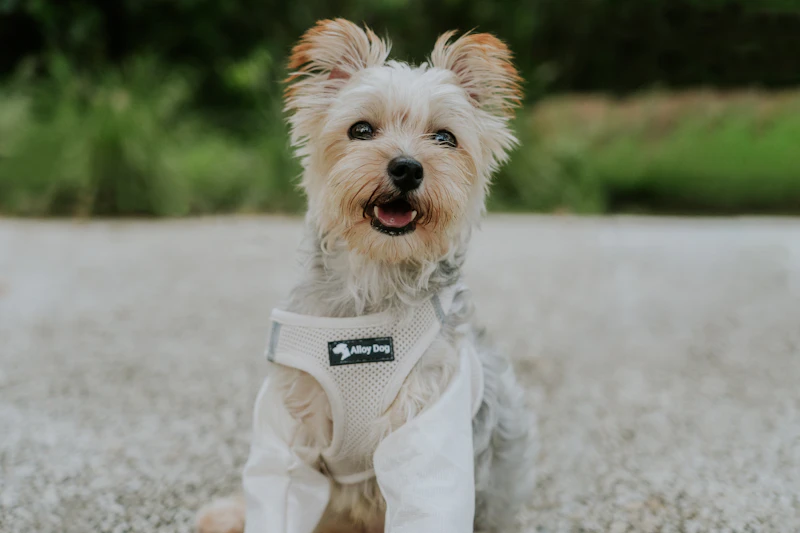
To ensure your dog’s harness fits safely and comfortably, you need accurate measurements of your dog's body. Proper sizing prevents chafing, slipping, and pulling problems. The most important measurements are your dog’s chest (girth), neck, and sometimes length, depending on harness style. With a soft tape measure and a little patience, you can quickly find your dog's exact size. This guide will teach you how to measure your dog for a harness, provide dog harness sizing tips, and help you pick the right size without hassles.
Why Correct Harness Sizing Matters
Finding the right fit isn’t just about looks—comfort, safety, and training success depend on it. A dog harness that’s too loose can let your dog slip out. Too tight, and it causes discomfort or hinders movement. Correct sizing is also essential for pressure distribution, especially for dogs who pull or wear their harnesses on long walks. By measuring accurately, you avoid buying multiple harnesses or risking injury.
Main Benefits of a Well-Fitted Harness
- Prevents escapes: Snug fit means your dog can’t back out or wriggle free.
- Reduces chafing and rubbing: Proper sizing keeps straps from cutting into the skin.
- Improved control: Secure fit supports training and safer walking.
- Protects vulnerable areas: Distributes force across chest, not neck, prioritizing safety.
What You Need to Measure Your Dog for a Harness
Before you start, gather a soft measuring tape (tailor’s tape), a notebook and pen, and some treats for cooperation. If you don’t have a soft tape, use a piece of string or ribbon, then measure it against a ruler. Measure in inches or centimeters, depending on the harness brand’s sizing chart. Having an extra set of hands (or a calm, cooperative dog) makes the process easier.
Checklist
- Soft measuring tape or string
- Ruler (if using string)
- Pen and paper (or phone) for notes
- Treats for rewarding your dog
- Measuring chart from the harness brand
Step-by-Step: How to Measure Dog for Harness
Every dog’s body is unique, and harness brands sometimes use slightly different sizing points. However, most sizing is based on chest girth and neck circumference. Follow these steps for accurate measurements.
1. Measure the Chest Girth (Most Important)
This is the most crucial measurement for a harness. Here’s how to do it:
- Have your dog stand comfortably, ideally on all fours.
- Locate the widest part of the rib cage, just behind the front legs.
- Wrap the tape measure around this part of the chest. Make sure it is snug but not tight.
- Record the number. Double check for accuracy by repeating once.
Tip: You should be able to fit two fingers between the tape and your dog for comfort.
2. Measure the Neck Circumference
Some harnesses slide over the dog’s head, so neck size is important:
- Find the base of the neck, where a collar would naturally sit—usually just above the shoulders.
- Circle the tape measure around this part of the neck. Again, make sure it’s snug but not tight.
- Write down the measurement.
Note: For slip-on harnesses, neck opening size must be large enough for the head to pass through comfortably, but not so large that the harness falls off.
3. Measure the Body Length (If Required)
Not all harnesses require this, but some vest- or jacket-style harnesses do:
- Measure from the base of the neck (where it joins the shoulders) to the base of the tail.
- Record this length for reference.
4. Weigh Your Dog
Weight is sometimes referenced in harness sizing guides as a secondary check. Step onto a scale while holding your dog (then subtract your own weight), or use a pet scale if available.
Dog Harness Sizing: Understanding Sizing Charts
Each manufacturer uses its own guidelines for sizing. Always reference the brand’s official size chart after taking measurements. Sizes like XS, S, M, L, and XL can vary significantly between brands, so never guess based on weight or breed alone.
Sample Dog Harness Size Guide Table
| Size | Chest Girth | Neck | Example Breeds |
|---|---|---|---|
| XS | 12"–17" | 8"–12" | Chihuahua, Yorkie |
| S | 16"–22" | 10"–15" | Cockapoo, Jack Russell |
| M | 20"–28" | 13"–19" | Beagle, Border Collie |
| L | 26"–36" | 17"–24" | Labrador, Boxer |
| XL | 34"–44" | 20"–30" | German Shepherd, Rottweiler |
This example guide offers a ballpark, but match your numbers to the specific harness’s sizing chart before buying.
Types of Dog Harnesses and How They Affect Sizing
The best measuring approach can vary depending on harness type. Here are the main types and what you should know:
Step-In Harness
- Dog places paws through harness, which fastens on the back.
- Girth is most important. Neck measurement is less critical.
- Usually more forgiving for active, wiggly dogs.
Over-the-Head Harness
- Slides over the head. Both neck and girth must fit well.
- Neck size must be large enough for the head, yet snug once adjusted.
Vest/Jacket Harness
- Covers more surface area—chest, back, sometimes full torso.
- Often requires chest girth, neck, and sometimes length.
- Best for dogs needing extra comfort or support.
Measuring Tips for Success
- Calm your dog: Have your pet stand and relax before measuring. Tired dogs or post-play are less likely to squirm.
- Measure twice, buy once: Repeat measurements to avoid ordering the wrong size.
- Don’t add slack: Don’t round up significantly. Most harnesses offer adjustable straps for fine-tuning.
- Size for growth: If you have a puppy, choose a harness that allows for adjustment as your dog grows—but don’t start with a too-large size.
- Seasonal changes: For double-coated or long-haired breeds, consider any seasonal coat changes. Measure when the coat is fullest for winter harnesses.
Trying the Harness On: What to Check
Once your new harness arrives, check for fit, comfort, and safety before heading for a walk. Here’s what to look for:
Step 1: Put On and Adjust
- Follow the brand’s directions for putting on the harness.
- Adjust straps so the harness lays flat and snug against the body—but not pinching.
Step 2: 2-Finger Safety Rule
- You should be able to comfortably fit two fingers (side by side) between harness straps and your dog’s body at neck, chest, and behind the armpits.
- Check for rubbing, gaps, or slipping—especially under the front legs (armpits).
Step 3: Check Movement and Escape Risk
- Make sure there’s no restriction of movement: Your dog should walk, sit, and lie down freely.
- Look for bunching, sagging, or twisting, especially on barrel-chested or deep-chested breeds.
- Try gently pulling on the leash ring—does the harness shift significantly, or does your dog back out? If so, it’s too loose or the wrong shape.
Common Mistakes in Dog Harness Sizing
Accurate measurement helps you avoid these typical pitfalls:
- Guessing by breed or weight alone: Dogs of the same breed can have very different builds.
- Failing to measure every key area: Skipping neck or length can make some harnesses unusable.
- Not re-checking for puppies: Growing dogs outgrow harnesses quickly. Check sizing every few weeks.
- Ignoring adjustment limits: Straps should have enough range to adjust for snug fit, not rely on being at maximum or minimum length.
If Your Dog Is Between Sizes
If your dog’s measurements fall between recommended harness sizes, choose the larger size. It’s easier to tighten a harness with adjustment straps than to make a small harness bigger. Also, some padding or extra material on larger harnesses reduces skin irritation and chafing. Always read the manufacturer’s advice for “in-between” sizing.
Harness Size Guide for Unique Body Types
Some dogs don’t fit standard size guides, especially if they’re barrel-chested, long-bodied, thick-necked, or particularly slim. For these dogs:
- Choose harnesses marketed for broad or deep-chested breeds, or those with multiple adjustment points.
- Check if the brand offers “custom fit” or “breed-specific” harness shapes.
- Consider harnesses with sliding neck or chest straps, which adapt better to unusual shapes.
- Measure chest and neck multiple times and compare carefully against size chart.
Brachycephalic Breeds (Pugs, Frenchies, Bulldogs)
- Look for harnesses designed for wide necks and compact bodies.
- Double-check neck measurement for over-the-head styles.
Deep-Chested Breeds (Greyhounds, Whippets, Sight Hounds)
- May need harnesses with extra adjustment or sighthound-specific designs.
- Beware of standard harnesses slipping off narrower waists.
Long-Bodied Breeds (Dachshunds, Corgis)
- Look for harnesses with extra length or “no-choke” chest panel designs.
- Check the strap under the chest doesn’t rub armpits.
Measuring Puppies Versus Adult Dogs
Puppies grow quickly, so choosing the right harness takes a little extra care. Here’s what you can do:
- Take fresh measurements every 2–3 weeks for younger puppies.
- Select harnesses with wide adjustment ranges to “grow with” your puppy.
- Don’t buy oversized harnesses to grow into—poor fit may teach bad walking habits or allow escapes.
- For toy or small breeds, many adult harnesses fit puppies from three months up (check measurements).
For adult dogs, weight and measurements don’t change much, though check periodically if your dog gains or loses weight, or has changes in fur condition.
Printable Harness Measurement Checklist
- Chest girth (widest part, behind front legs): ______
- Neck circumference (base of neck): ______
- Body length (base of neck to base of tail, if needed): ______
- Weight: ______
- Measurement date: ______
- Comfort and movement check: [ ] Yes
Bring these notes with you when buying or ordering a harness. Having the information handy saves time and avoids mistakes.
Harness Fitting vs. Collar Fitting
Dog collars are fitted high on the neck, while harnesses rest across chest and sometimes over the shoulders and midsection. That’s why harness sizing and collar sizing are not interchangeable—use fresh measurements for each item.
Troubleshooting: If the Harness Still Doesn’t Fit
- Straps at max/minimum adjustment: Try the next size up or down.
- Harness rubs, chafes, or twists: Re-measure and look for styles with more padding or a different cut.
- Dog slips out: Ensure girth is snug, or try harness designs with belly straps or escape-proof cuts.
- Restricted movement: Look for a Y-shaped, non-restrictive harness or one designed for athletic dogs.
If persistent fit issues happen, try a different brand or visit a pet store for an in-person fitting with your dog.
Frequently Asked Questions
How tight should a dog harness fit?
A harness should be snug but not tight. You should be able to fit two fingers under each strap comfortably. The harness should not pinch, gap, or restrict natural movement.
What measurements do I need for a dog harness?
The two most important are chest girth (behind the front legs at the widest part) and neck circumference (where a collar sits). For some harness types, body length is also needed.
What if my dog is between harness sizes?
If your dog’s measurements are between two sizes, choose the larger size. It’s easier to tighten a harness than to make it bigger. Always check the brand’s adjustment range and recommendations.
How often should I re-measure my dog for a harness?
For puppies, re-measure every 2–3 weeks as they grow. For adult dogs, check twice a year or if your dog gains/loses weight or changes body condition.
Can I use my dog’s collar size for harness sizing?
No—harness sizing requires different measurements. Collars fit high on the neck; harnesses fit lower on the chest and often require girth and neck measurements.
Why does my dog’s harness keep slipping or twisting?
This often means the harness is too loose or the wrong shape for your dog's build. Re-measure and try a different style or size to avoid twisting and shifting on walks.