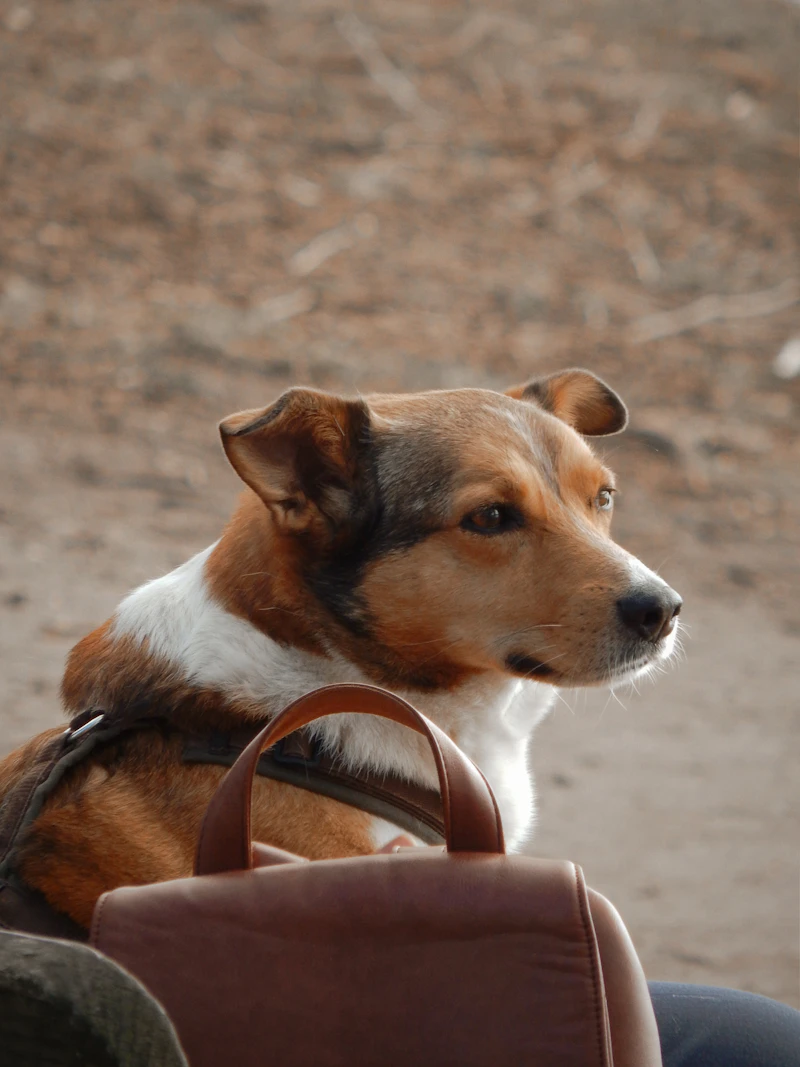
If you’re comparing martingale collars vs flat collars for your dog, the main takeaway is that both options have their place in training and daily life. A flat collar is the typical choice for most dogs and is suited for everyday wear, ID tags, and most leash walks. Martingale collars, however, provide extra security for dogs who can slip out of regular collars or need a bit more control on walks—without the harshness of traditional slip or choke collars. Understanding how each collar type works, their strengths, and their limitations will help you choose the safest, most effective option for your dog.
Understanding Collar Types: Martingale vs Flat Collar
Dog collars play an important role in safety, identification, and training. But not all collars work in the same way. This leads many dog owners to compare different collar types, especially the martingale collar vs flat collar.
What Is a Flat Collar?
A flat collar, also called a standard buckle collar, is the most commonly used type. It is a simple strip of material (often nylon, leather, or biothane) with a buckle or snap closure and a ring for attaching tags and a leash.
- Secure fit if measured correctly
- Available in many colors, sizes, and materials
- Accepts ID tags easily
- Generally easy to put on and remove
Flat collars are suitable for well-trained dogs that don’t pull excessively or try to back out of their collars. Many owners use them as their dog’s “everyday” collar.
What Is a Martingale Collar?
A martingale collar, sometimes called a limited-slip collar or Greyhound collar, has a different structure from a flat collar. It consists of two loops: a large loop that goes around the dog’s neck and a smaller loop that controls how much the collar can tighten when tension is applied. When the dog pulls or the leash gets taut, the smaller loop tightens, preventing the dog from slipping out—but it won’t choke the dog like a traditional slip collar.
- Designed to stay securely in place on dogs with narrow heads (sighthounds, for example)
- Tightens gently under tension but stops at a certain point to avoid choking
- Effective for training and controlling pullers or escape artists
- Not ideal for unsupervised wear due to risk of snagging
The martingale collar was originally used for breeds like Greyhounds and Whippets, but it’s now popular among owners of all kinds of dogs, especially those who tend to slip out of regular flat collars.
How Does Each Collar Work?
Mechanics of a Flat Collar
A flat collar works like a basic belt. Adjust it to fit snugly around your dog’s neck, leaving enough space to slip two fingers between the collar and the neck. When you attach a leash and your dog pulls, the collar simply applies even pressure around the neck, controlled by the buckle.
Mechanics of a Martingale Collar
The martingale collar’s two-loop system is what sets it apart. Here is how it works:
- When the leash is slack, the collar fits like a flat collar—loose but not slipping over the head.
- When the dog pulls or backs up, the tension pulls the small loop, causing the larger loop to gently tighten around the neck.
- The collar can only tighten to a pre-set point, so it won’t strangle the dog—it just prevents backing out of the collar.
Martingale collars offer a “self-limiting” tightening action that many trainers and rescue groups prefer for safety and control during walks.
Practical Uses: When to Choose a Martingale Collar vs Flat Collar
The choice isn’t about which collar is “best” overall, but which is best suited for your dog’s needs and your handling style. Here’s a comparison of everyday uses:
| Situation | Flat Collar | Martingale Collar |
|---|---|---|
| Everyday wear (with tags) | ✔️ Recommended | ❌ Not for unsupervised wear |
| Dogs prone to backing out of collars | ❌ Collar can slip off | ✔️ Prevents slipping out |
| Training loose leash walking | ✔️ Works for many dogs | ✔️ Added feedback for pullers |
| Sighthound breeds (Greyhounds, Whippets) | ❌ May easily slip off | ✔️ Designed for these breeds |
| Pulling/strong dogs | ❌ Flat collar can strain neck | ✔️ Gentle tightening, more secure |
| Off-leash identification | ✔️ Good choice | ❌ Not recommended for off-leash or unsupervised use |
Key Pros and Cons of Each Collar Type
Flat Collar: Strengths and Limitations
- Pros:
- Convenient for daily use and constant ID tag display
- Easy to put on, adjust, and remove
- Wide range of materials, colors, and designs
- Suitable for most calm, well-trained dogs
- Cons:
- Many dogs can slip out by backing up, especially those with heads narrower than their necks
- Limited control for dogs that pull or lunge
- Pressure is focused on the front of the neck when pulling
Martingale Collar: Strengths and Limitations
- Pros:
- Prevents most dogs from slipping out of their collar
- Offers gentle control and feedback during training
- Safer alternative to choke chains or slip collars
- Popular choice for dogs with unique neck/head shapes
- Cons:
- Not safe for use as an “everyday” collar; risk of snagging if unsupervised
- More moving parts, which may require monitoring for wear
- Requires regular adjustment to maintain correct fit
Proper Fit and Sizing Guide
Fitting a Flat Collar
For a flat collar to be safe and comfortable, it needs to be appropriately sized. Here’s a simple sizing guide you can use at home:
- Measure your dog’s neck circumference where the collar naturally lies.
- Add one to two inches (depending on your dog’s size and breed) for comfort.
- Check the fit by sliding two flat fingers between the collar and your dog’s neck—the collar should feel snug but not tight.
Too loose, and the collar may slip off; too tight, and it may irritate or harm your dog’s neck.
Fitting a Martingale Collar
Proper fit is even more critical with martingale collars, due to the tightening action. To fit a martingale collar:
- Measure the widest part of your dog’s head and the neck where the collar will sit.
- The collar should be adjustable to slip over the head, yet rest comfortably on the neck when not tightened.
- When adjusted, the two ends of the main collar loop should never touch when the smaller loop is pulled (limited tightening).
- Regularly check for signs of rubbing, hair loss, or irritation, especially behind the ears or under the chin.
Always remove or switch to a flat collar when leaving your dog unsupervised, as martingale collars can snag objects more easily than flat collars.
Flat Collar Comparison With Other Collar Types
Besides flat and martingale collars, there are a few other popular collar types:
- Breakaway Collars: Designed to release if snagged—best for safety when dogs are left unattended, but not for leash walking.
- Slip Collars (Choke Chains): Fully tightens without a limit, increasing the risk of choking—generally not recommended for the average owner.
- Harnesses: Not a collar, but useful for dogs who pull excessively or have medical issues with their neck.
Each collar type serves a specific role. In a flat collar comparison, both flat and martingale collars are safer and easier to use than slip collars, and often more convenient for ID and leash purposes than breakaway collars.
Choosing the Right Collar: Practical Considerations
Here’s a checklist to help you decide between a martingale collar vs flat collar for your dog:
- Does your dog tend to slip out or escape from collars? — A martingale collar offers more security.
- Is your dog a sighthound or has a narrow head? — Martingale collars are often a better fit.
- Do you need a collar for all-day wear and ID tags? — Flat collars are low-maintenance and safer for non-leash use.
- Will you supervise your dog when the collar is on? — Martingale collars are best used during active supervision, usually for walks or training.
- Is your dog a strong puller? — Harnesses may be better, but a martingale offers moderate control.
No collar is a one-size-fits-all answer. Try various collar types under controlled conditions to see which works best for your dog and your lifestyle.
Tips for Safe and Effective Collar Use
- Always check the fit regularly, as your dog’s weight, coat, or health may change over time.
- Inspect collars for wear—fraying, weakening buckles, or rust can compromise safety.
- Rotate between different collar types if one shows signs of causing irritation or discomfort.
- Supervise your dog especially when using collars that tighten or have extra loops.
- Use a harness if your dog has a medical or structural reason to avoid any neck pressure.
Training and Behavior: Flat vs Martingale Collars
Both collar types can be used for basic leash manners, but martingale collars provide more consistent, gentle feedback for dogs prone to pulling or sudden lunges. This can make training easier, especially for stubborn dogs or those who “back out” when scared.
For most other training, flat collars work well—especially for dogs that respect the leash and have reliable recall. Some trainers prefer martingale collars for early leash lessons or rescues with unknown histories.
Summary Table: Martingale Collar vs Flat Collar
| Feature | Flat Collar | Martingale Collar |
|---|---|---|
| Everyday Wear | ✔️ | ❌ (for supervised use only) |
| Dogs Prone to Escape | ❌ | ✔️ |
| Training Loose Leash | ✔️ (calm dogs) | ✔️ (pullers/escape artists) |
| Sighthound Fit | ❌ | ✔️ |
| Potential for Choking | Low (if properly fitted) | Lower than slip/choke, some tightening |
| Ease of Use | Very easy | Simple but requires fit checks |
| Supervised Use | Not required | Recommended |
Final Thoughts: Making Your Choice
The martingale collar vs flat collar debate ultimately comes down to your dog’s specific needs. For most dogs, a flat collar is both safe and convenient as a daily accessory. A martingale collar offers an extra layer of security and control for dogs prone to escaping, pulling, or for certain breeds. Whichever collar you pick, ensure a proper fit, use the collar as intended, and regularly inspect for safety. And remember, for heavy pullers, a harness may further reduce neck pressure while allowing for secure leash attachment.
Frequently Asked Questions
Can my dog wear a martingale collar all day?
No, martingale collars are safest when used only during supervised activities such as walks or training. Because they can tighten under tension, there is a risk of the collar catching on objects and tightening accidentally if left on an unsupervised dog. For all-day wear, a flat collar is safer.
What types of dogs benefit most from martingale collars?
Martingale collars are especially helpful for dogs that can slip out of regular collars, such as sighthounds (Greyhounds, Whippets), timid dogs, or escape artists. They provide gentle control and prevent backing out of the collar during walks or training sessions.
Are martingale collars safe for puppies?
Martingale collars can be used with puppies that are supervised, particularly for leash training or if the puppy tends to slip out of regular collars. However, always ensure the fit is correct and never leave a martingale collar on an unsupervised puppy due to safety risks.
Can flat collars be used for training?
Yes, flat collars can be used for basic training, especially if the dog is calm and does not pull excessively. For dogs who pull, lunge, or back out of collars, a martingale or a training harness may offer better results and control.
Should I attach ID tags to a martingale collar?
While ID tags can be attached to a martingale collar for walks, it is safer to use a flat collar to hold ID tags for all-day wear. Many owners keep ID tags on a flat collar worn at home and use a martingale collar only when supervised and on leash.
How do I measure my dog for a martingale collar?
Measure both the widest part of your dog's head and the middle of their neck. The collar should adjust to slip comfortably over the head and rest snugly when not tightened. When the small loop is pulled, the two metal hardware pieces should not touch; if they do, the collar is too loose.