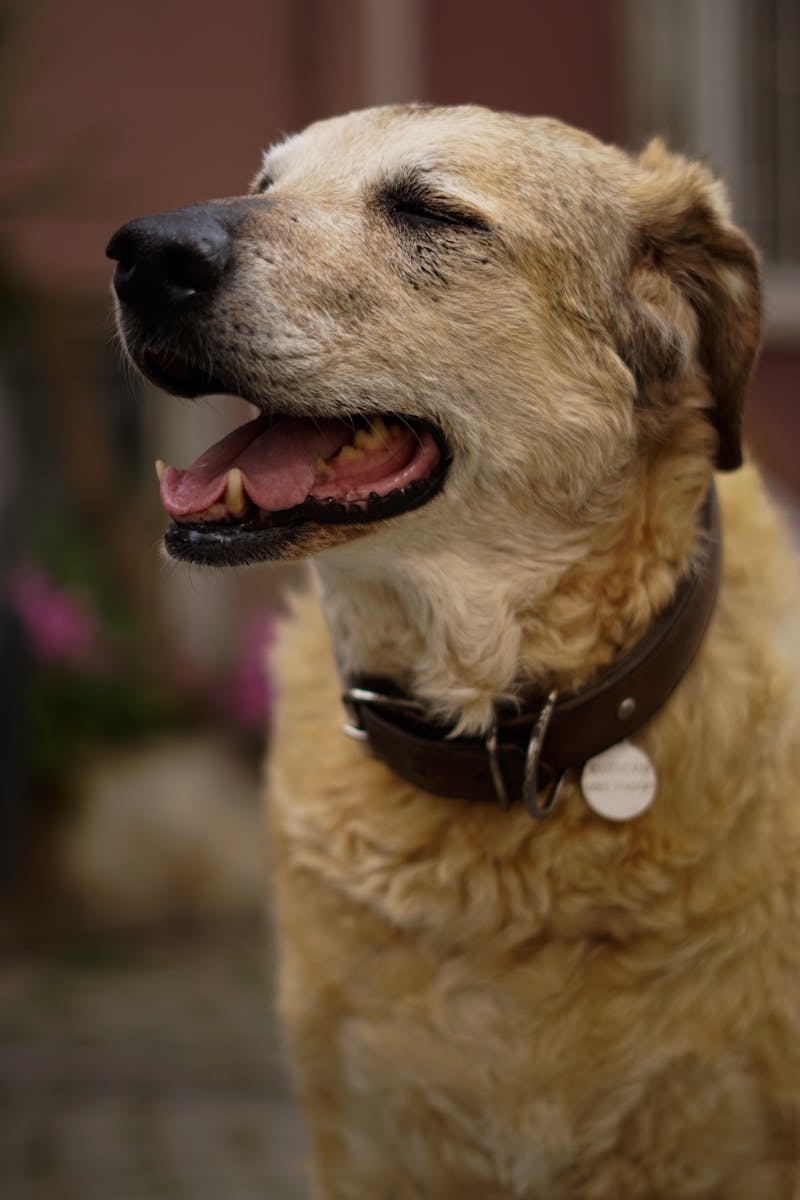
Quick takeaway: To ensure your dog's comfort and safety, it's crucial to measure your dog’s neck correctly before buying a collar. Use a flexible tape measure, add a small allowance for comfort, and always check the sizing guide provided by the collar manufacturer. A collar that fits well is neither too tight nor too loose—snug but with enough room to slip two fingers underneath.
Why Accurate Collar Sizing Matters
A dog collar does more than just display tags—it is an essential piece of gear for control, identification, and safety. An ill-fitting collar can cause discomfort, chafing, escape risks, or even injury. Accurate measurements help you choose the right dog collar size for everyday wear, training, or special needs.
Consequences of the Wrong Collar Size
- Too Tight: Can restrict breathing, cause skin irritation, hair loss, or injury.
- Too Loose: Your dog may slip out during walks, or the collar might catch on objects.
- Incorrect Width: Thin collars may dig into necks; overly wide collars may be bulky for small breeds.
Tools You Will Need to Measure Dog Neck for Collar
Measuring your dog is simple, but the right tools make the process more accurate:
- Flexible soft tape measure: Readily conforms to your dog’s neck for precision.
- String or ribbon and a ruler: An alternative if you don’t have a tape measure.
- Notebook or phone: To jot down the measurement and sizing recommendations.
Step-by-Step Guide: How to Measure Dog for Collar
1. Calm Your Dog
Start when your dog is relaxed. If your dog is excited or anxious, wait until they are settled to get a correct measurement.
2. Find the Right Spot
The standard place for measuring is the base of the neck, where the collar will naturally rest. For most dogs, this is just above the shoulders.
- Standard collar: Base of the neck (widest part, above the shoulders).
- Martingale or limited-slip collar: Some brands recommend measuring both the narrowest and the widest part of the neck (consult brand guides as needed).
3. Wrap and Measure
Loosely wrap the tape measure around your dog’s neck at the identified spot. Pull it snug but not tight—you should be able to fit two fingers comfortably between the measure and the dog’s neck. Note that for some thick-coated breeds, you may need to gently flatten the fur to ensure you’re measuring the neck, not just fluff.
- Using a tape measure: Read the measurement where the tape meets itself.
- Using a string: Mark where the end meets, lay it flat, and measure with a ruler.
4. Add Allowance for Comfort
To arrive at the right collar size, add 1-2 inches (2.5–5 cm) depending on your dog’s size and build:
- Small dogs (under 10 lbs): Add about 1 inch.
- Medium to large dogs: Add 2 inches.
- Extra-large breeds or thick fur: Some may need a tiny bit more, but too much allowance can lead to a loose collar.
5. Check the Two-Finger Rule
After adding the allowance, do a double check: the collar should be snug but allow you to slip two fingers comfortably between collar and neck. This rule helps prevent pinching while ensuring safety.
Dog Collar Sizing Guide: Interpreting Measurements
Collar sizes are typically listed as a range (e.g., 14–18 inches). Use your measurement (including allowance) to find where it falls in that range. Here’s how to interpret your result:
- If the size is right in the middle of the collar range, that's ideal.
- If your measurement is at the high end, consider sizing up for adjustability and future growth, especially for puppies.
- If it's right at the low end, sizing down may provide a better fit, especially for adjustable collars.
Sample Collar Sizing Chart
| Dog Neck Measurement (with allowance) | Typical Collar Size Range | Example Dog Breeds |
|---|---|---|
| 8–12 inches | 10–15 inches | Chihuahua, Yorkshire Terrier, Dachshund |
| 12–16 inches | 14–18 inches | Beagle, Cocker Spaniel, French Bulldog |
| 16–20 inches | 18–22 inches | Labrador, Border Collie, Weimaraner |
| 20–24 inches | 22–28 inches | German Shepherd, Golden Retriever, Boxer |
Always refer to the specific brand’s sizing guide, as collar brands may differ.
Special Cases in Measuring Dog Necks for Collars
Puppies and Growing Dogs
Puppies grow fast. Measure often and consider an adjustable collar with a broad size range but don’t buy extra-large collars thinking “they’ll grow into it”—safety first. Check the fit weekly.
Thick-Coated Breeds
For dogs with dense fur (like Chow Chows or Samoyeds), gently compress the fur when measuring, but don't over-tighten. Their thick coat may require a slightly wider collar for even pressure.
Long-Necked or Slender Breeds
Breeds like Greyhounds or Whippets often need a wider, martingale-style collar. For these, take an additional measurement at the narrowest part of the neck (just behind the ears) and at the base.
Flat-Faced (Brachycephalic) Breeds
Pugs, Bulldogs, and other short-muzzled breeds may need a harness for walks, but if using a collar, ensure it fits well at the base and does not compress the throat.
Tips for Measuring and Fitting Collars
- Use the same surface your dog stands on daily for measurements (avoid slippery floors).
- Double-check your measurement if your dog is especially wiggly.
- Always re-measure after grooming, significant weight changes, or switching collar types.
- Don’t rely solely on your current collar's setting—materials stretch or shrink over time.
Checklist: What to Double-Check Before Ordering a Collar
- Measured at the correct spot on the neck
- Allowance for “two fingers” comfort
- Reviewed the brand’s collar sizing guide
- Measured again if in doubt
- Accounted for breed-specific fit needs
Width and Thickness: Not Just the Length
Measure dog neck collars for length, but don’t forget the collar’s width and thickness. The right width improves comfort and control.
- Small dogs: 3/8" – 5/8" wide
- Medium dogs: 3/4" – 1" wide
- Large dogs: 1" – 1.5" wide or more for sighthounds
The collar should be sturdy but not too heavy for your dog’s frame.
Common Collar Types and How Measuring Differs
- Buckle/flat collars: Measure at the base of the neck, add your comfort allowance.
- Martingale collars: Some guides recommend two measurements (widest and narrowest parts) to ensure they fit over the head but are snug when tightened.
- Slip or choke collars: Generally not recommended for everyday use, but if used, measure at the widest part of the head as well as the neck.
Comparing Adjustable vs. Fixed-Size Collars
Adjustable collars cover a size range, making them ideal for puppies, fluctuating weight, or as a general-purpose collar. Fixed-size collars offer precision but require exact measurement. Re-measure regularly if your dog is still growing or changes size with the seasons (for example, after a summer haircut).
| Collar Type | Best For | Measuring Tips |
|---|---|---|
| Adjustable Buckle | Growing dogs, fluctuating weight | Measure with allowance, ensure your size falls in the middle of the range |
| Fixed-Size Buckle | Full-grown adult dogs | Accurate measurement is crucial |
| Martingale | Sighthounds, escape-prone breeds | Measure both widest (head) and base of neck |
Practical Examples and Sizing Scenarios
Example 1: Measuring a Beagle
- Wrap tape at base of neck: 13” snug
- Add 1.5” for comfort: total 14.5”
- Select collar size range: 14”–18” adjustable collar
Example 2: Measuring a Golden Retriever Puppy
- Wrap tape at base: 16” snug
- Add 2” for comfort: total 18”
- Choose adjustable collar 16”–22” to accommodate growth, check weekly
Example 3: Measuring a Greyhound for a Martingale
- Base of neck: 14”
- Widest part of head: 16”
- Look for martingale that fits 14”–16” and is wide (1.5”) for comfort
How Often Should You Check Fit?
After your initial measurement and collar purchase, check the fit regularly:
- Puppies: Weekly
- Adults: Every few months, or after a significant weight/fur change
- After bathing, grooming, or switching collar types
- If your dog seems uncomfortable or tries to remove collar
Summary: Quick Collar Measuring Reference Checklist
- Gather a flexible tape or string + ruler
- Measure at the base of the neck, where collar will sit
- Fit should be snug but allow two fingers between neck and measuring tape
- Add 1–2 inches for allowance (based on dog’s size)
- Reference brand's collar sizing guide or chart
- Choose the correct collar width for your dog’s build
- Double-check your measurement if switching collar types
Frequently Asked Questions
How do I know if a collar is too tight or too loose?
A collar is correctly fitted when you can slip two fingers comfortably between the collar and your dog's neck. If it’s difficult to do so, the collar is too tight; if you can fit your whole hand, it's too loose.
How often should I re-measure my dog's neck?
For puppies and growing dogs, check weekly. For adults, measuring every few months or after weight/fur changes is enough. Always check after grooming or before buying a new collar.
What if my dog is between collar sizes?
If your dog’s measurement falls between two sizes, opt for the larger, especially with adjustable collars. For non-adjustable collars, pick the size that lets you fit two fingers under it comfortably.
Does the collar width matter, or just the length?
Both matter. Too-wide collars may be bulky for small dogs, while too-narrow collars can dig into a large dog’s neck. Choose a width that’s appropriate for your dog’s size and activity level.
Can I use my old collar length as a guide?
It's best to measure your dog’s neck directly rather than relying on an old collar, as materials stretch, and your dog’s size may change over time.
Should I measure my dog while sitting or standing?
Always measure your dog while they are standing, as this reflects their neck size in a natural position and helps avoid a too-loose or too-tight fit.