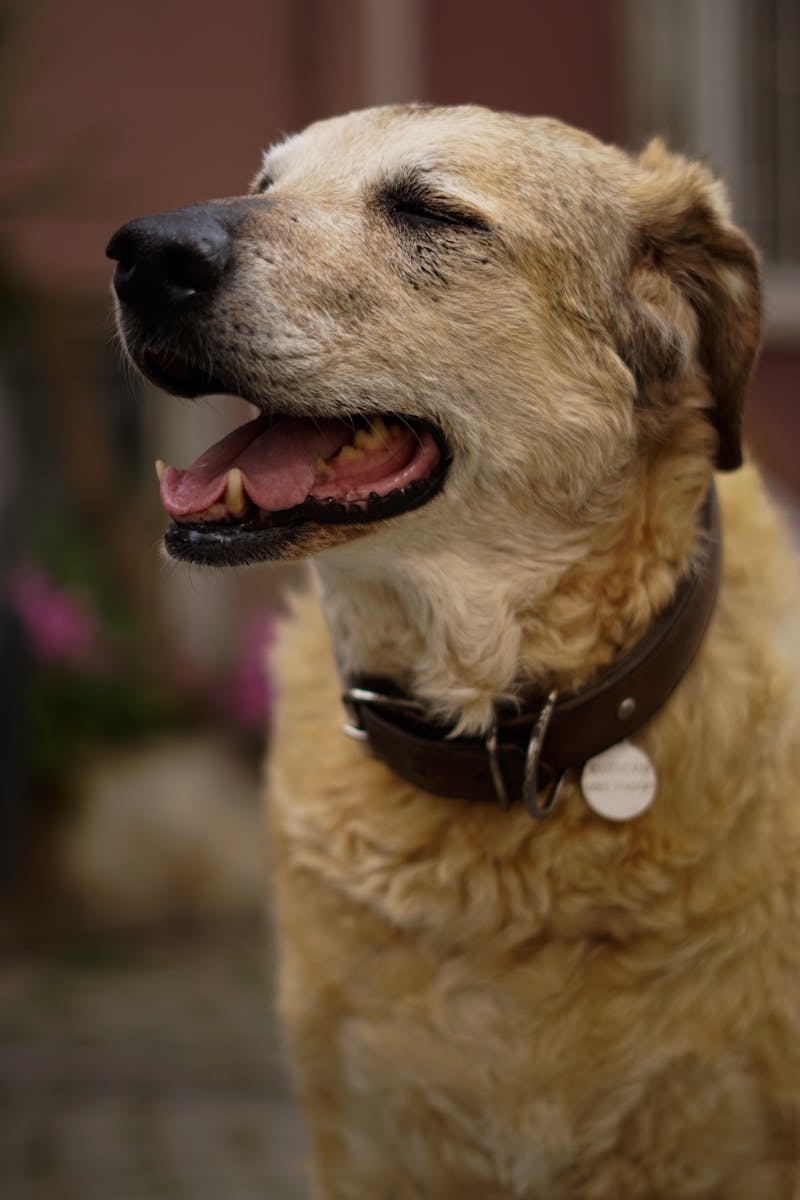
If your dog has ever dashed through an open gate, wriggled out of a loose harness, or simply has a reputation as an escape artist, you already know the heart-stopping panic that follows. For pet parents of flight-risk pups, choosing the best GPS collar for dogs is one of the smartest investments you can make. These high-tech collars offer you real-time location tracking, peace of mind, and a reliable way to keep your adventurous companion safe. In this guide, you’ll find practical selection advice, must-have features for escape-prone dogs, sizing tips, and comparison points so you can confidently choose the right dog tracker collar for your situation.
Why GPS Dog Collars Matter for Escape-Prone Dogs
Some dogs seem born with wanderlust. Whether they’re chasing squirrels, following an interesting scent, or simply determined to explore, escape-prone dogs are experts at slipping away. A fenced yard, a sturdy leash, and proper training are important, but sometimes all it takes is a moment’s distraction for your dog to vanish.
That’s where a GPS dog collar shines. These collars use satellite or cellular networks to transmit your dog’s location to your smartphone or computer. You can quickly pinpoint them on a map, helping you recover your pet faster and reducing the risk of injury or getting lost. For families who want the ultimate escape-proof gear, a reliable GPS dog tracker collar is essential.
Key Features to Look for in the Best GPS Collar for Dogs
Not all GPS collars are created equal, especially for determined escape artists. Here are the key features that set the best models apart:
1. Real-Time Location Tracking
- Instant Updates: Look for collars that offer live or frequent (every few seconds) location updates. This is critical when every moment counts during a runaway scenario.
- Multi-Technology Support: The best options combine GPS with cellular, Bluetooth, and sometimes Wi-Fi for the fastest, most accurate tracking, even in challenging environments.
2. Reliable Network Coverage
- Cellular GSM Networks: Many GPS dog collars operate on cellular networks for wide-area tracking. Confirm that the model you choose supports coverage in your geographic area.
- Offline Tracking: Some advanced devices store position data when outside coverage and upload it when back online—a helpful backup.
3. Secure, Comfortable Fit
- Adjustability: For escape-prone dogs, the collar must fit snugly but not too tight. Adjustable sizing and reinforced hardware (buckles, straps) reduce the chance of the device slipping off.
- Low Profile Design: Bulky GPS units might snag or be chewed off. Choose a streamlined design that sits close to the neck but doesn’t cause discomfort.
4. Durable and Waterproof Construction
- Waterproof Ratings: Dogs rarely avoid mud, puddles, or heavy rain. Check for IP67 or IPX8 ratings, which indicate full waterproofing for outdoor adventures.
- Impact Resistance: Rugged housing wraps and sturdy mounting points help protect the tech from bumps, rough play, or scratching under fences.
5. Long Battery Life
- Runtime: A longer battery means fewer charging cycles and more security for extended tracking if your dog is missing.
- Saver Modes: Look for adjustable update intervals and low-power modes for extra runtime without losing important data.
6. Escape-Proof Features
- Secure Fastenings: Escape-proof GPS collars typically use double buckles, high-tension hardware, or anti-slip mechanisms to stay put no matter how determined your dog is.
- Attachment Options: Some GPS dog trackers come as dedicated collars; others attach to your dog’s existing collar or harness. Ensure your main gear is equally escape-proof.
7. Geofencing and Alerts
- Custom Zones: Geofencing lets you set up safe boundaries. If your dog leaves the designated area, you receive an immediate notification.
- Multi-User Support: For families, choose a system that allows multiple contacts to receive alerts and access the companion app.
8. Tracking Range and Precision
- Urban vs Rural: Some trackers excel with urban obstacles, while others have longer open-field range. Check specs for range and accuracy based on your environment.
- Location History: Review your dog’s travel route for clues if they’re a repeat escapee. Some models let you replay location history or heat maps.
Types of GPS Dog Collars and Tracker Systems
There are two main categories of dog tracker collars. Your choice depends on your dog’s escape style, your location, and budget.
1. All-in-One GPS Dog Collars
- Integrated Electronics: These look and function as regular dog collars but are equipped with internal GPS modules, battery, and cellular antenna.
- Pros: Simple, one-piece solution; often better suited for active or Houdini dogs since there’s no extra device to knock loose.
- Cons: Sizing can be more limiting, and if your dog outgrows the collar, you may need a full replacement.
2. Clip-On GPS Tracker Modules
- Attach to Existing Collar: These lightweight devices snap or Velcro onto your dog’s favorite collar or harness.
- Pros: Highly versatile, easy to transfer between collars, often more affordable; great for dogs who wear specialized or escape-proof collars already.
- Cons: Make sure the attachment method is robust; some active dogs might dislodge or chew off a poorly secured tracker.
Sizing Guide: Getting a Secure, Comfortable Fit
An effective GPS dog collar must stay on through all your dog’s antics—jumping, wiggling, rolling, or running. Here’s how to size properly:
- Measure Your Dog’s Neck: Use a soft tape measure to find the circumference where a collar typically sits. Insert two fingers between tape and neck for comfort.
- Check Product Sizing Charts: Each brand offers size guidelines. Choose a size that fits securely within the size range—not at the extremes.
- Consider Width/Weight: Larger breeds can handle wider, slightly heavier options. Small breeds or puppies need low-profile, featherweight trackers for comfort and security.
- Test the Fit: The collar should be snug but easily rotated by hand. Check that the buckle and strap end cannot be easily worked loose or chewed by your dog.
If using a clip-on tracker, make sure your chosen collar (or harness) has a strong D-ring and cannot be slipped off, even under tension or with agile paws.
Checklist: Selecting the Best GPS Collar for Dogs Who Love to Escape
Use this checklist to compare models and choose the right GPS dog tracker collar for your needs:
- Real-time tracking—How quickly does the device update your dog’s location?
- Network compatibility—Is there solid coverage in your area?
- Battery life—Will it last long enough for your outings or emergency situations?
- Waterproof/impact resistance—Can it handle rough outdoor conditions?
- Secure fit and attachment—Is it escape-resistant and comfortable?
- Geofencing/alerts—Are there customizable safe zones and instant notifications?
- Ease of use—Is the app intuitive? Can you share access with other family members?
- Cost and subscriptions—Do features require ongoing fees? Are they worth the investment for your peace of mind?
Additional Features That Matter for Escape-Proof GPS Collars
While real-time tracking is the primary goal, other features can help make a GPS collar more effective for dogs who love to slip away:
Light and Sound Locator
- Some trackers feature built-in ringtone or flashing lights, helping you spot your escaped pup at night or in deep brush.
Activity and Health Monitoring
- Many GPS collars also track activity levels, rest, and sometimes even measure temperature—useful for monitoring your dog’s wellbeing after a stressful escape.
Multiple Pet Tracking
- If you have a multi-dog household, choose a system that tracks multiple pets within the same app or user profile.
International Usage
- If you travel or live near borders, make sure the tracker has roaming capabilities or functions in your destination country.
Common Mistakes When Choosing a GPS Dog Collar
Escape-prone dogs can find every weakness in your gear. Avoid these pitfalls:
- Prioritizing budget over durability—Cheaper models may lack waterproofing, reliable fastening, or real-time updates. Saving now can mean costly problems later.
- Choosing poor fitting or oversized units—Too loose, and your dog can slip the collar or tangle it on obstacles.
- Ignoring subscription requirements—Most tracker collars need a monthly plan for full functionality. Budget for this ongoing cost.
- Relying on Bluetooth alone—Bluetooth trackers only work within a few yards; they’re not enough for true escape-proof security.
- Neglecting regular charging—A dead tracker is useless. Set reminders to check battery life and keep the device ready for emergencies.
Comparison Points: What Sets the Best GPS Collars Apart?
Use these comparison points to evaluate the options available in the best GPS collar for dogs segment:
| Feature | Why It Matters for Escape-Prone Dogs | What to Look For |
|---|---|---|
| Location Update Speed | Faster updates mean a higher chance of catching up quickly if your dog flees. | Live tracking, < 10-second refresh interval |
| Collar Security | Loose collars are easily shed during frantic running or fence-squeezing. | Double buckle, anti-slip mechanism, secure stitching |
| Battery Runtime | Long escapes or large properties demand longer battery life. | At least 2–7 days per charge (depends on use) |
| Water/Impact Resistance | Escapees often run through puddles, brush, or tight spaces. | IP67+ waterproof, rugged housing |
| Geofencing Alerts | Immediate notifications if your dog breaks out of safe areas can shorten search time. | Customizable zones, instant push or text alerts |
| Attachment Compatibility | Works with your escape-proof collar or harness setup. | Clip-on or integrated options; check width and hardware |
| Tracking Range | Dogs may roam miles if given the chance. | Cellular (global), not just Bluetooth or Wi-Fi |
Practical Advice: Setting Up Your Escape Proof GPS Collar
Even the best technology is only effective if it’s consistently used. After selecting your GPS dog collar:
- Regularly check and adjust the fit, especially after baths, grooming, or growth spurts.
- Charge the battery fully before outings and monitor the battery status through the companion app.
- Sync contacts so all caregivers (family, dog walkers, sitters) have app access and receive alerts if your dog escapes.
- Test the escape alerts and geofencing boundaries—practice using the app’s map to locate your dog in safe conditions.
- Pair the GPS collar with a secure, escape-proof primary collar or harness—never rely on the tracker alone without physical security.
Who Needs an Escape-Proof Dog Tracker Collar?
Consider investing in a GPS collar if any of these describe your dog or household:
- Your dog has a record of escaping yards, houses, or leashes
- Your breed is known for intelligence, agility, or wanderlust (like Huskies, Terriers, Hounds)
- You have busy, unpredictable household traffic (kids, gates, visitors)
- You let your dog exercise off-leash or in environments with wildlife, distractions, or natural escape routes
- You want backup protection for travel, camping, or pet sitters
No collar can prevent every escape, but combining the right GPS dog tracker with strong physical gear and attentive habits offers the best chance to keep your dog safe and quickly recover them if needed.
Frequently Asked Questions
Does a GPS dog collar work anywhere?
Most modern GPS dog collars rely on GPS satellites and cellular networks. They work wherever there’s adequate satellite visibility and cellular coverage. Dense forests, deep ravines, or rural areas with spotty service may limit effectiveness. Always check the network compatibility of your tracker in your local area.
How long does the battery last on a dog tracker collar?
Battery life varies widely depending on update frequency, device size, and usage. Most GPS collars last from a couple of days up to a week on a full charge. Live tracking or frequent updates will reduce battery life. For escape-prone dogs, aim for the maximum runtime possible.
Can I use a GPS dog tracker on a small dog or puppy?
Yes, but it’s vital to choose a lightweight and slim model designed specifically for smaller breeds or puppies. Heavy or bulky trackers may cause discomfort or may not fit properly. Always check the recommended dog weight/size for the device.
Do all GPS collars require a subscription?
Most GPS dog collars that use cellular networks do require a monthly or annual subscription. This covers the cost of data needed to transmit your dog’s location. Some local-only or Bluetooth models don’t require a subscription, but these are not suitable for true escape-proof tracking due to limited range.
Will a GPS collar prevent my dog from escaping?
No, a GPS collar won’t physically prevent your dog from escaping. Its purpose is to help you quickly locate and retrieve your pet if they do get loose. A secure fit, strong primary collar or harness, and regular supervision remain essential.
How often should I check the fit and charge the GPS collar?
For escape-prone dogs, check the collar’s fit weekly or after any rough play or grooming. Make sure it’s snug but not constricting. Recharge the battery as recommended—usually every few days or as low-battery alerts appear. Many owners set calendar reminders to check both fit and battery status.