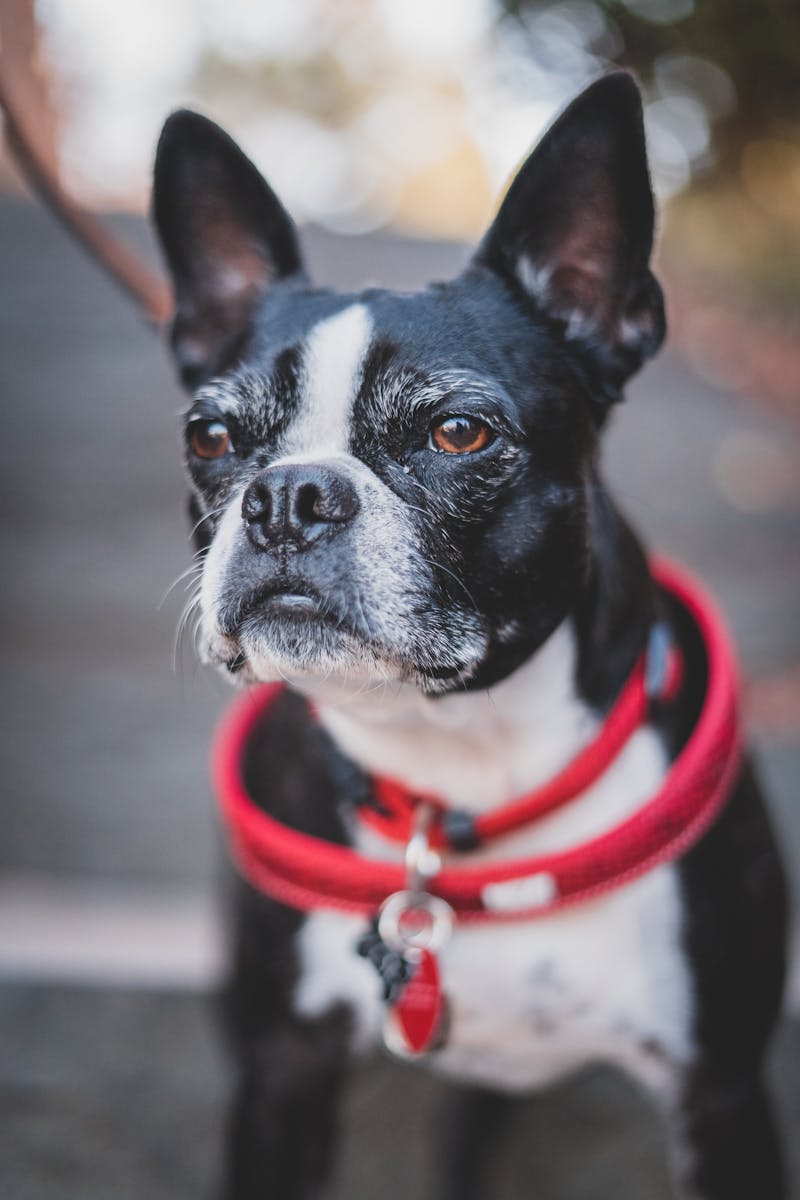
Choosing the best collar for small dogs isn't just about style—it’s essential for your dog’s comfort, safety, and well-being. Small dogs and toy breeds have unique needs: their delicate necks, light weight, and extra-small size mean not every collar on the market is a good fit. If you’re looking for the right small dog collar, this guide covers the most important features to consider, how to size correctly, and how to compare different collar options without getting overwhelmed by marketing claims.
What to Look for in the Best Collar for Small Dogs
Small and toy breed dogs require gear designed specifically with their proportions and sensitivity in mind. A collar that works well for a Labrador may be uncomfortable – or even dangerous – for a Chihuahua, Yorkie, or Shih Tzu. The best collar for small dogs will always put safety, comfort, and fit first. Here’s what you should pay close attention to during your search:
1. Weight Matters: Opt for a Lightweight Collar
Lightweight collars are crucial for small dogs because even a few extra ounces can weigh down their necks and cause discomfort. Heavy buckles or thick straps aren’t necessary and can make everyday wear a burden. Look for collars made of supple, thin, but durable materials like nylon, polyester webbing, soft leather, or biothane—sized specifically for small breeds. If your dog is under 10 pounds, a lightweight collar makes a noticeable difference in their daily comfort and freedom of movement.
2. Proper Sizing: Getting the Right Fit
Fit is the number one factor in both comfort and safety. An ill-fitting collar can slip off or cause irritation and even injury. Small dogs tend to have more delicate tracheas and thinner necks, so getting the right size is non-negotiable.
- Measure your dog’s neck with a soft measuring tape, ideally when they're standing.
- Add 1-2 fingers’ width to the measurement to prevent the collar from being too tight.
- For small or toy breeds, collars usually range from 6” to 12” in length. Always check measurements against the manufacturer’s sizing chart before selecting a collar.
- Adjustability is key—prefer collars that have a broad range of adjustment without excess material flopping around.
3. Comfort First: Softness and Flexible Materials
Smaller dogs have finer fur and thinner skin, making them more sensitive to friction and pressure. Seek out a lightweight collar made of materials that are soft and flexible—like padded nylon, leather lined with fleece, or even fabric collars with smooth seams. Avoid any collars that have rough stitching or bulky, hard edges which can chafe, especially with tiny dogs that are low to the ground and active.
4. Hardware: Go for Small, Smooth, and Rust-Resistant
The buckle, D-ring, and adjustment sliders should all be scaled down for a toy breed collar. Oversized or heavy hardware can dig into a dog’s neck and snag on things more easily. Brass, stainless steel, and high-quality plastic buckles are best for durability and low weight. Check that any hardware is rounded or covered—no sharp edges.
5. Safety Features: Breakaway vs Standard Buckle
For most small dog owners, a traditional buckle or quick-release snap is sufficient. However, if your small dog is left alone with their collar on, you might consider a “breakaway” or safety-release collar that will open if tugged forcefully (best for unsupervised use, especially with cats around). For day-to-day walks, a secure buckle that won’t pop open accidentally should take priority.
6. Visibility and Identification
Many small and toy breeds are quick and prone to darting—making visibility critical. Some collars offer reflective stitching or patterns for walking in low light. Make sure your dog’s ID tags attach securely; sometimes toy breed collars skip the usual D-ring in favor of a smaller split ring or tab. Always double-check that a tag can be firmly attached without risk of falling off.
Types of Collars for Small and Toy Breeds
Not all collars serve the same daily purpose. Here are common small dog collar options and when each type shines:
Flat Collars
The classic “belt-style” or quick-release collar. These are usually the first choice for everyday wear—a flat, adjustable band that sits comfortably on your dog’s neck. The best collars for small dogs in this category are those with extra-soft edges and lightweight hardware.
Martingale Collars
A “limited slip” design prevents backing out—ideal for small breeds with narrower heads (like Whippets, Italian Greyhounds, some terriers). Only use these if fitted correctly; the martingale loop should never tighten enough to choke or cause discomfort. Choose one with a narrow width to match your toy breed’s petite neck.
Breakaway Collars
These collars are designed to snap open under pressure for safety. They are generally used for small dogs that spend time unsupervised or are prone to getting collars caught. They are not for leash-walking, as they can pop open if your dog pulls.
Harness or Collar?
For everyday walking, many small dog owners opt for a well-fitted harness to protect the dog’s neck. Collars should be used primarily for identification and tags, while harnesses distribute force more safely across the chest. However, a properly selected lightweight collar is still an important backup for those “just in case” moments and for short, low-risk outings.
Material Comparison: What’s Best for Small Dogs?
| Material | Weight | Comfort | Durability | Best Suited For |
|---|---|---|---|---|
| Nylon | Very light | Soft, flexible—can irritate if rough edged | High (unless frays) | Most small and toy breeds |
| Leather | Moderate-light (look for “toy breed” versions) | Softens with use, gentle on skin | Very good, long-lasting | All day wear, tags |
| Biothane/Coated Webbing | Light | Flexible, water-resistant, easy clean | Excellent | Active small dogs |
| Fabric/Soft Webbing | Ultra light | Softest on fur/skin | Can pill/tear over time | Sensitive or hairless breeds |
| Metal Chain | Heavy—not recommended | Can chafe or damage fur/skin | Very durable but not safe for small dogs | Best avoided for all toy and small dogs |
Sizing Guide for Small Dog Collars
Correct sizing prevents escape or choking. Use this step-by-step guide to measure and fit your small dog’s new collar:
- Measure Your Dog’s Neck
- Use a soft tape measure and measure at the base of your dog’s neck (where the collar will sit).
- If you don’t have tape, use a string and then measure against a ruler.
- Add Room for Comfort
- Add at least one finger (up to two fingers for thick-coated breeds) under the collar to ensure comfort—too tight restricts breathing, too loose can slip off.
- Check Collar Width
- For small and toy breeds, collars 3/8" to 5/8" wide are generally best. Too wide can cause discomfort; too narrow can dig in, especially for heavier tags.
- Match Brand Sizing
- Always check the sizing chart of the brand you’re buying—the “small” or “x-small” sizes can vary by manufacturer.
Typical Collar Sizing by Breed (Guide)
| Breed Example | Neck Size (inches) | Recommended Collar Width |
|---|---|---|
| Chihuahua | 6-10" | 3/8"-1/2" |
| Yorkshire Terrier | 6-9" | 3/8" |
| Papillon | 7-10" | 3/8"-1/2" |
| Miniature Pinscher | 8-12" | 1/2" |
| Shih Tzu | 9-13" | 1/2" |
| Pomeranian | 7-12" | 3/8"-5/8" |
| Maltese | 8-10" | 3/8"-1/2" |
Always measure your own dog—these are just averages. The best collar for small dogs is one matched to your pup’s unique body.
Key Features to Compare for Small Dog Collars
To make selecting a small dog collar easier, here’s a comparison checklist of important features:
- Weight: Should feel “barely there” on your dog’s neck.
- Adjustability: Sizing should be easy to fine-tune, but not so much excess strap that it flaps around.
- Buckle Design: Look for smaller buckles, preferably curved to fit your dog’s neck. Quick-release is handy for nervous dogs or those with long hair.
- Tag Attachment: D-ring or integrated tag holders must be strong and secure, sized so they don’t overwhelm a tiny neck.
- Padded vs. Unpadded: Padding can increase comfort for hairless, very active, or especially sensitive dogs.
- Reflective Features: If you walk at night, reflective stitching or materials add peace of mind.
- Machine Washable: Some collars attract dirt fast—nylon and webbing are usually easiest to clean.
Safety and Comfort Tips for Small Dogs and Toy Breeds
- Always supervise dogs in collars around crates, furniture, and other pets. Collars can snag and pose strangulation risks—consider removing the collar at home unless needed for ID.
- Check for wear routinely. Small collars wear out faster at the holes, along the stitching, and near the buckle. Replace at first sign of fraying or breakage.
- Consider a collar-and-harness combo. For active outings, a harness is more secure for walks, while the collar holds essential ID info.
- Prioritize comfort over fashion. Skip jingling charms and oversized tags, which can annoy or weigh down small dogs.
- If you have a fast-growing puppy or an adopted rescue, check the collar fit weekly and adjust or size up as needed.
Signs Your Dog’s Collar Needs to Be Changed
- If your dog scratches at their neck persistently when wearing the collar
- If there’s any redness, hair loss, or broken skin under the collar area
- If the collar slides up over the ears or slips off over the head
- If you can’t fit one to two fingers underneath the collar comfortably
- If the collar doesn’t seem lightweight or restricts your dog’s movement
Popular Styles and Designs for Toy Breed Collars
While practical features come first, there’s no shortage of stylish options made just for small dogs. Some favorite choices among owners of small and toy breeds include:
- Minimalist Webbing: Extremely thin and light, classic look.
- Padded Microfiber or Leather: Extra comfort for sensitive skin.
- Breakaway Cat Collars: Surprisingly popular for the tiniest dogs—just ensure ID tags can attach securely and never leash-walk with these.
- Prints and Patterns: With so little collar visible, bright and bold designs stand out and can display your dog’s personality.
- Personalized Engraving: Some toy breed collars feature a nameplate (engraved strip attached to the collar) instead of a dangling tag—safer and quieter for small necks.
Checklist: Selecting the Best Collar for Small Dogs
- Check the weight—does it feel truly lightweight in your hand?
- Try fitting the collar (with tags) to see if it looks proportional to your dog’s neck.
- Inspect all edges and buckles—are they smooth and free of points?
- Test the adjustability—can you size up or down by at least an inch?
- Confirm tag attachment is secure but not bulky.
- For dogs under 10 pounds, prioritize super lightweight construction and avoid any “medium” size parts or hardware.
Frequently Asked Questions
How often should I check my small dog’s collar for fit?
Check your dog’s collar fit at least once a week, especially for puppies or rapidly growing small breeds. Ensure you can fit one or two fingers snugly beneath the collar, and watch for signs of chafing or slipping.
Is it safe for a small dog to wear a collar all the time?
Wearing a collar for ID is generally safe during supervised times, but collars should be removed during crate time, play with other pets, and unsupervised periods to reduce the risk of snagging or injury.
What width collar is best for toy breeds?
For toy breeds, collars between 3/8 inch and 1/2 inch wide are usually ideal. Narrower collars prevent bulk and are most comfortable for dogs under 10 pounds.
Should I use a breakaway collar on my small dog?
Breakaway collars are safest for small dogs that are often unsupervised or likely to get the collar caught on objects. They are not recommended for use during leash walks, as the breakaway feature can cause the collar to detach unexpectedly.
What’s the safest way to walk a small or toy breed dog?
For most small and toy breeds, a well-fitted harness is safest for walking as it prevents pressure on the delicate neck and trachea. The collar should be used primarily for holding ID tags, while the harness absorbs the force of any tugs during walks.
Can I use a cat collar for a very small dog?
Certain cat collars, especially lightweight breakaway types, can be suitable for very tiny dogs (like teacup Chihuahuas) for ID purposes. However, always ensure the fit is secure, tags stay attached, and never leash-walk a dog with a breakaway/cat collar.