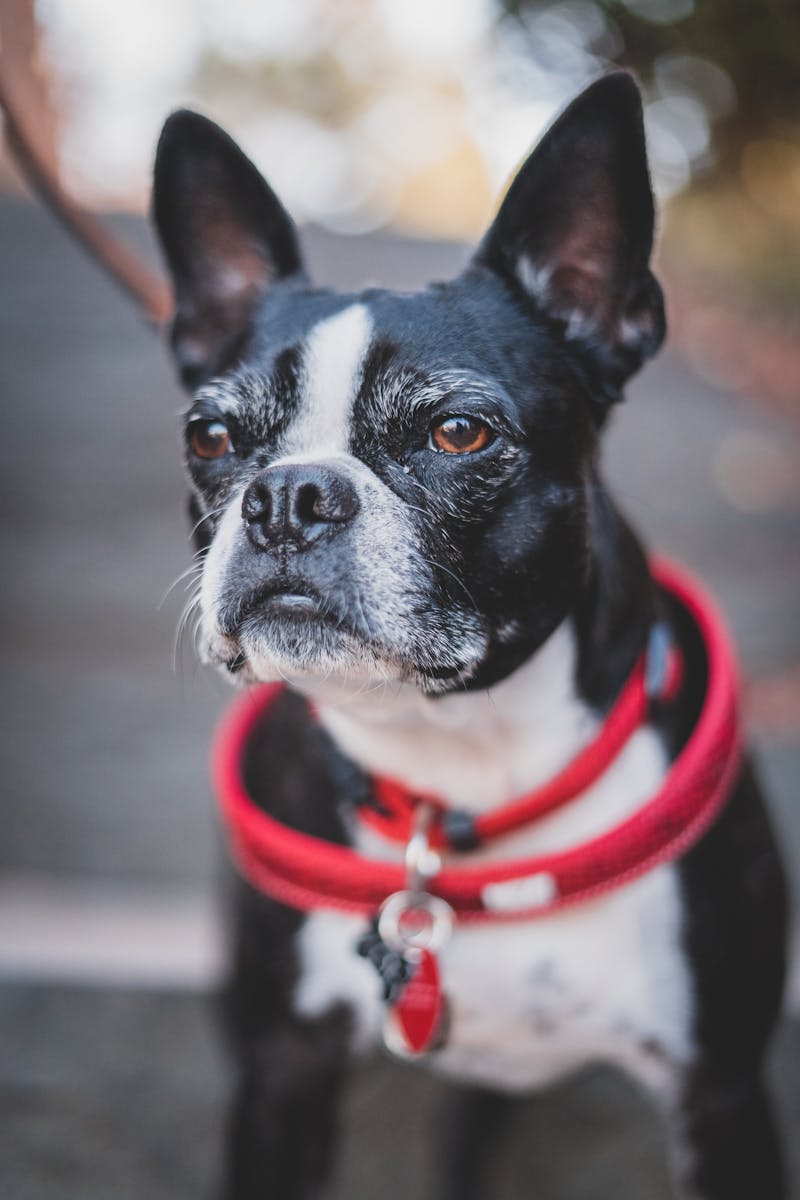
If you walk your dog after sunset, a reflective collar is a smart investment that can significantly improve your dog’s visibility and safety. The best reflective dog collar isn’t just about standing out—it helps drivers, cyclists, and fellow pedestrians notice your pet quickly. In this guide, you’ll discover what features to look for, how to size a reflective collar, and how to choose the right night walk collar for your pup’s needs.
Why Should You Use a Reflective Dog Collar?
Visibility is the primary concern during nighttime walks. Even in well-lit neighborhoods, dogs can be difficult to spot, especially if they dart into shadows or low-light areas. A reflective collar bounces light back toward its source—typically from headlights or streetlights—so your dog becomes instantly more visible. This simple upgrade can prevent accidents and make every walk less stressful.
Top Benefits of Reflective Collars
- Increased visibility: Reflective material catches and returns light, making your dog stand out in the dark or low-light environments.
- Enhanced safety: Drivers can spot your dog earlier, giving them more time to slow down or steer clear.
- Easy identification: Reflective finishes make it easier to spot your dog if they slip out of their leash and run off at night.
- All-weather performance: Many reflective collars are designed to withstand rain and mud, ensuring year-round effectiveness.
- Style options: Many brands offer bright colors and patterns in addition to the reflective strip, letting you personalize your pet’s look.
Reflective Collar Types: What Are Your Options?
There’s more than one way to light up your night walks. Reflective collars come in several varieties, each with pros and cons:
Standard Reflective Collars
These collars look like traditional dog collars but add strips or stitching of reflective material. They work by catching and bouncing back light from any source, like car headlights or flashlights.
- Pros: No batteries required, usually lightweight, classic collar look.
- Cons: Only visible when direct light is present (no constant glow).
LED Dog Collars/Glow Collars
LED collars have built-in lights (usually rechargeable) that emit a constant or flashing glow. They’re easy to spot even with no external light, making them a popular night walk collar solution.
- Pros: Highly visible in all conditions, even total darkness. Usually offer different light modes (steady or flashing).
- Cons: Requires charging or batteries, can be slightly heavier, more moving parts to maintain.
Hybrid Collars
Some collars combine reflective materials with integrated LED lights. This dual approach provides maximum visibility no matter your surroundings.
- Pros: Best of both worlds—high visibility with or without external light sources.
- Cons: Usually higher in price, may be bulkier depending on design.
Key Features to Consider in the Best Reflective Dog Collar
The best reflective dog collar for you comes down to your dog’s size, your walking environment, and your style preferences. Here are some key criteria to check while shopping:
1. Reflectivity Quality
Not all reflective materials are created equal. High-contrast, wide reflective bands offer the best performance. Some collars weave reflective threads into the fabric, while others use thick vinyl or 3M Scotchlite strips for superior visibility. The more surface area that reflects light, the more visible your dog will be.
- Look for collars with strips running the full length rather than just a tiny accent area.
- Test reflectivity by shining a flashlight on the collar in a dark room.
2. Durability and Materials
Since reflective collars often double as your dog’s primary collar, choose one made from tough materials like nylon or polyester webbing.
- Military-grade stitching or double-layered designs resist wear and tear.
- Check that the reflective material won’t easily peel or crack, especially if your dog likes to scratch or chew.
- If you walk in rain or snow, opt for weather-resistant materials that dry quickly and resist odor buildup.
3. Buckle and Hardware
Secure, rust-resistant hardware is a must for safety collars. A sturdy buckle (plastic or metal) and a welded D-ring for leash attachment are essential.
- Side-release buckles are easy to put on and take off, which is helpful for squirmy dogs.
- Check for D-rings that are securely stitched or riveted in place.
- For large or strong dogs, metal buckles and hardware add durability.
4. Comfort and Fit
The collar should be comfortable enough for all-day wear but not so loose that it can slip off. Soft inner padding or rolled edges help prevent chafing, especially on short-haired breeds.
- Avoid collars that are too stiff or rough.
- Lightweight designs put less strain on small dogs or breeds with delicate necks.
5. Sizing Adjustability
Accurate sizing is crucial for both comfort and safety. Most quality collars are adjustable within a size range (e.g., Medium 14”-20”).
- Look for a collar that you can easily resize as your dog grows or if their fur changes by season.
- If your dog is between sizes, select the larger option to prevent chafing.
6. Battery Life (For LED Collars)
If you opt for an LED or glow collar, check how long the battery lasts between charges or replacements. Some collars offer 5-8 hours of light on a full charge, while others can last several nights before needing attention.
- USB-rechargeable collars are more convenient and eco-friendly than those with disposable batteries.
- Consider if you prefer steady-on or flashing light modes, as these can affect battery consumption.
7. Water Resistance
For year-round use, water-resistant or waterproof collars are ideal. Reflective collars can lose visibility or peel if they aren’t designed for wet conditions, so check the specs if your dog loves puddles or snow.
- LED collars should have sealed or covered charging ports to prevent water ingress.
8. Personalization
Some reflective collars offer space for laser-engraved nameplates or ID tag attachments. These details help ensure your dog can be returned safely if they get lost after dark.
- Integrated nameplates sit flat against the collar and reduce jingle noise.
- Make sure the reflective feature is not blocked by the tag or nameplate.
How to Choose the Right Size Reflective Collar
Getting the right size is just as important as picking the right features. A collar that is too tight can chafe or restrict breathing, while one that’s too loose may slip off.
Sizing Guide: Step-by-Step
- Measure your dog’s neck: Use a soft measuring tape to find the circumference at the place where the collar will rest. If you don’t have a tailor’s tape, use a string and a ruler.
- Add adjustment room: You should be able to fit two fingers snugly between the collar and your dog’s neck. Add about 1-2 inches to the neck measurement for proper fit.
- Check manufacturer sizing charts: Different brands run large or small, so always verify before purchasing.
- Adjustable length: Collar should be adjustable so you can tweak the fit as needed. Avoid “fixed size” collars unless your dog’s neck size never changes.
| Dog Size | Neck Circumference (inches) | Suggested Collar Width |
|---|---|---|
| Extra Small (Toy breeds, puppies) | 6-10” | 3/8” – 1/2” |
| Small (Terriers, small mixes) | 10-14” | 1/2” – 3/4” |
| Medium (Cocker Spaniel, Beagle) | 14-18” | 3/4” – 1” |
| Large (Labrador, Golden Retriever) | 18-22” | 1” – 1.25” |
| Extra Large (Mastiff, Great Dane) | 22-30”+ | 1.25” – 2” |
Tip: If your dog is still growing, pick an adjustable collar that fits their middle to largest range.
Reflective vs. LED: Which Night Walk Collar Is Best?
Should you choose a standard reflective collar or opt for a high-tech LED dog collar? Consider your environment and walking routines:
- Urban walkers: In well-lit city areas, a wide, high-contrast reflective collar may be all you need. Car headlights and streetlights will catch the reflection easily.
- Suburban/rural walkers: If you tend to walk in areas with few streetlights, an LED glow collar or hybrid is ideal. It emits its own light, so your dog stands out even in total darkness.
- Frequent hikers: Wild trails mean low light and dense cover—consider an LED+reflective combination for maximum visibility if your dog likes to wander off-leash.
Battery reliability: LED collars are fantastic but need regular charging or battery replacements. Always keep an eye on battery life or use a traditional reflective collar as a backup.
Checklist: How to Pick the Best Reflective Dog Collar
- Is the reflective strip wide and runs the length of the collar?
- Is the collar made from tough, weather-resistant material?
- Does the buckle and D-ring feel solid and secure?
- Is the fit comfortable and adjustable for your dog?
- Are your local walk areas very dark? If so, consider an LED or hybrid (reflective and light-up) collar.
- Does the collar allow for ID tag or nameplate attachment?
- Is the price reasonable for daily wear and tear?
Maintenance Tips for Reflective Collars
Keeping your reflective or glow collar in good shape makes sure it works night after night. Here’s how to extend its lifespan:
- Clean regularly: Wash the collar occasionally with mild soap and water to remove dirt and grime that can dull the reflective strip. Let it air-dry completely before reusing.
- Check for wear: Inspect stitching and hardware for fraying or rust. Replace collars that show signs of damage or loose parts.
- LED collar care: Wipe LED collars gently with a damp cloth and avoid submerging in water if they aren’t fully waterproof. Keep charging ports clean and dry.
- Re-apply reflective coatings (if applicable): Some fabric spray-on products can help restore reflectivity if it starts to wear off.
Extras: Pairing Reflective Collars With Other Safety Gear
A reflective collar is a great starting point, but you can boost safety even more by pairing the collar with matching reflective leashes, harnesses, and dog vests. For dogs with dark fur or those who love to roam, a multi-layer approach ensures they’re visible from every angle.
- Reflective leash: Especially important if your hands or your own outfit block the collar from view at certain angles.
- Reflective harness: Spreads visibility over a wider area of your dog’s body.
- Clip-on LED lights: Attach to collar or harness as a backup to built-in reflectors or LEDs.
- Light-up tags or ID plates: These are small, battery-powered tags that can provide extra glow or even flash your contact info.
Signs It’s Time to Replace Your Dog’s Reflective Collar
Even the best reflective dog collars wear out eventually. Don’t wait until they fail at a critical moment:
- The reflective strip is peeling, scratched, or no longer shines in the light
- Stitching is frayed or the collar feels weak
- Buckle or D-ring is cracked, bent, or rusted
- LED lights (if present) no longer hold a charge, flicker, or won’t work at all
- The collar no longer fits properly due to your dog’s growth or weight change
Summary: Choosing the Best Reflective Dog Collar
For safe and stress-free night walks, a reflective or glow collar is one of the simplest upgrades you can make for your dog. Pick a collar with high-visibility features, sturdy materials, adjustable sizing, and user-friendly hardware. Whether you stick with a bright, all-reflective design or upgrade to an LED dog collar, focus on durability, comfort, and lasting performance. Remember: visibility can make all the difference when the sun goes down.
Frequently Asked Questions
How do I clean a reflective dog collar?
Most reflective collars can be hand-washed with mild soap and warm water. Avoid abrasive brushes, as they could damage the reflective surface. For LED collars, wipe with a damp cloth and do not fully submerge if the collar isn’t waterproof. Always let collars air dry before putting them back on your dog.
Are reflective collars safe to use in the rain?
Many modern reflective collars are made with water-resistant or waterproof materials that handle rain well. For LED or glow collars, check that the electronics and ports are sealed. Always confirm the manufacturer’s recommendations for wet conditions, especially for collars with batteries or lights.
What is better for night walks: a reflective or LED dog collar?
Reflective collars work best where there is occasional light, like from streetlamps or cars. LED dog collars create their own light, so they are more visible in total darkness. For the best night-time safety, consider a collar that combines both features.
Can puppies wear reflective collars?
Yes—just make sure to choose a soft, lightweight, and adjustable collar suited to your puppy’s neck size. Because puppies grow quickly, pick a collar that can be resized as they get bigger, or plan to replace it as needed.
How often should I replace a reflective collar?
Replace the collar if the reflective strip is damaged or no longer effective, if the stitching or hardware is compromised, or if the fit becomes too tight or too loose. Typically, well-made reflective collars last several months to a year or longer, depending on your dog’s activity.
Can I use a reflective collar during the day?
Absolutely! Most reflective collars double as regular collars and work just fine during the day. At night or dusk, their extra visibility helps enhance your dog’s safety.