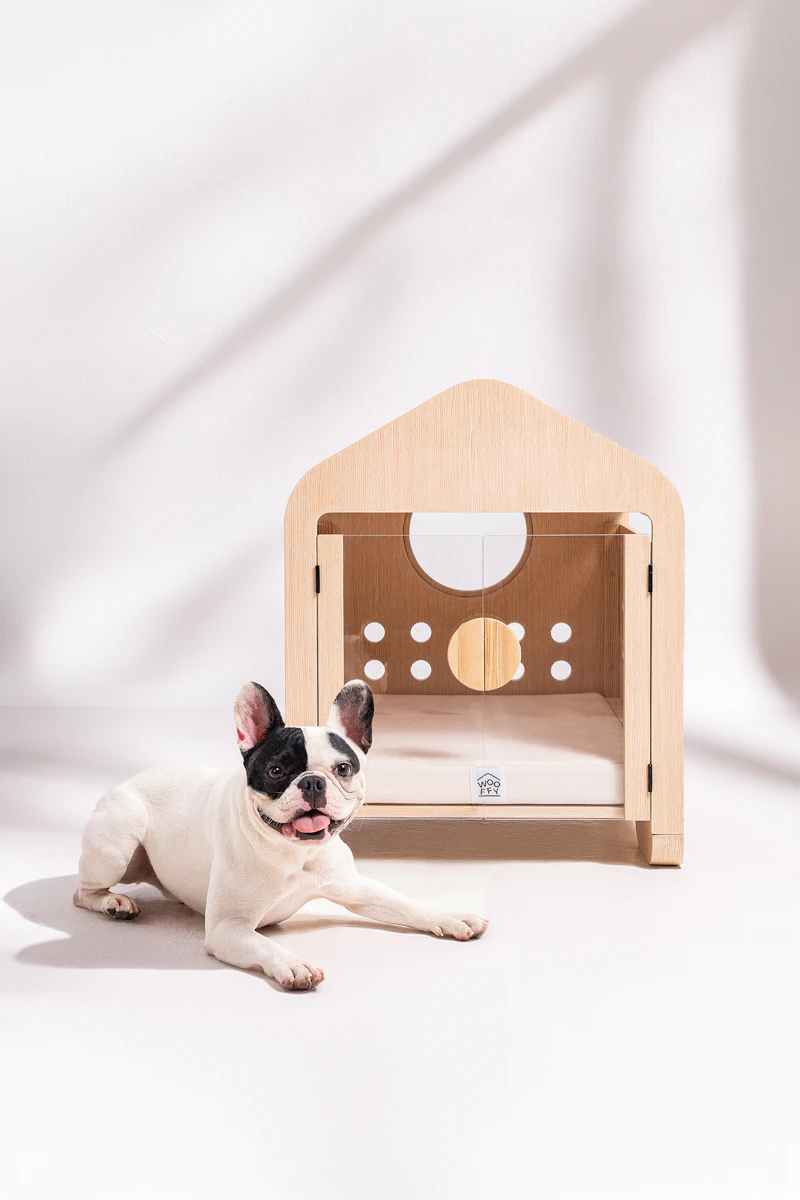
Making your dog's crate comfortable is simple but can make a world of difference in your pet’s experience with crating. The quick takeaway: focus on proper sizing, soft bedding, temperature comfort, enrichment, and a few thoughtful accessories. A cozy dog crate helps your dog see it as a safe space rather than a punishment, making crating smoother for both you and your pup.
Why Does Crate Comfort Matter?
Crates are not just for training or travel—they can be your dog’s bedroom, den, or refuge from household chaos. A well-set-up, comfortable crate makes crate training go faster, helps with settling anxious dogs, and can prevent destructive behavior caused by boredom. Investing time in crate comfort creates positive associations and helps your dog feel secure.
Crate Setup Tips: Getting the Basics Right
The foundation of a cozy dog crate starts with proper setup. Missing something critical in this step will make other comfort measures less effective.
1. Choose the Right Crate Size
- Measure your dog: Your dog should be able to stand up, turn around, and lie down comfortably. Too small, and it’s cramped; too large, and they may feel insecure or use one end as a bathroom.
- For puppies: Use a crate divider to adjust the size as your puppy grows.
| Dog Weight | Recommended Crate Size | Dog Example |
|---|---|---|
| Under 25 lbs | 18-24 inches | Yorkie, Dachshund |
| 26-40 lbs | 24-30 inches | Cocker Spaniel, French Bulldog |
| 41-70 lbs | 30-36 inches | Beagle, Border Collie |
| 71-90 lbs | 36-42 inches | Labrador, Golden Retriever |
| 91+ lbs | 42-54 inches | Great Dane, Mastiff |
2. Place the Crate Thoughtfully
- Avoid direct sunlight, drafts, or high-traffic areas where it’s too noisy.
- Try somewhere with a view of the household but not directly in the middle of chaos.
- The location should help your dog associate the crate with relaxation, not stress.
How to Make a Dog Crate Comfortable: Bedding Basics
Bedding is often the first thing owners consider for crate comfort. It helps provide cushioning, insulation, and a touch of home. But not all bedding options work for all dogs or situations.
Picking the Best Bedding
- Puppies or chewers: Opt for tough, chew-proof crate pads or mats. Avoid loose stuffing or fabric that can become a swallowing hazard.
- Adult, house-trained dogs: Choose plush crate mats, orthopedic beds, or soft blankets that fit snugly in the crate without bunching up.
- Dogs with allergies or sensitivities: Select hypoallergenic and washable fabrics.
- Senior dogs or those with joint pain: Orthopedic foam or supportive egg crate pads can be especially helpful.
Bedding Sizing Tips
- Measure the interior floor space of the crate before purchasing a bed or pad.
- A snug fit (without being bunched up) is ideal for a cozy crate environment.
- Regularly check for signs of chewing or damage, especially with young or anxious dogs.
Blankets, Towels, and Soft Item Safety
- Only add soft items if you’re confident your dog won’t shred or eat them.
- Rotate blankets and towels for washing to keep the crate clean and fresh.
- Some dogs appreciate an old t-shirt with your scent for comfort during alone time.
Temperature and Ventilation: Key to Crate Comfort
Temperature is often overlooked when considering how to make a dog crate comfortable. Extremes in heat or cold can cause distress, especially if your dog is crated for several hours. Proper ventilation and seasonal adjustments help, too.
Crate Location Factors
- Keep away from radiators, fireplaces, or cold windows.
- Use crate covers for insulation in colder months, but make sure there’s still airflow.
- If your home is hot, consider a cooling mat inside the crate or a portable fan pointed in the general direction (not directly blowing).
Choosing a Crate Cover
A crate cover can add privacy, reduce distractions, and help with warmth, making the crate feel like a den. Use breathable materials and avoid fully covering the crate if it’s already warm.
- Pick covers designed for your crate’s exact dimensions for the best look and fit.
- Leave at least one side uncovered to ensure enough air circulation.
- A lightweight towel or blanket can work in a pinch, but avoid overheating.
Enrichment: Making the Crate Engaging
Part of crate comfort comes from creating positive associations. Including some enrichment items can help prevent boredom and anxiety, particularly for longer crate stays.
Toys for Comfort and Stimulation
- Chew toys: Durable, safe chew toys can provide comfort and mental stimulation. Avoid toys that can be easily torn apart.
- Interactive feeders: Puzzle toys, slow feeders, or a classic stuffed treat toy can keep your dog busy and happy in the crate.
- Plush toys: If your dog isn’t a shredder, a favorite plush toy can be soothing. Supervise initially to ensure safety.
Rotate Toys
Switch out crate toys periodically to keep them interesting and prevent your dog from becoming bored with the same items.
Crate Placement for a Cozy Dog Crate
Where you put the crate plays a large role in how safe and relaxed your dog feels. Dogs usually enjoy being near their people but also appreciate the option for alone time.
- For dogs with separation anxiety, keeping the crate in your bedroom at night can help them settle.
- During the day, you may move the crate to a quieter area of the main living space.
- If you must leave your dog alone, give them access to a view (but not direct sun glare) for some mental stimulation.
Sound and Sensory Comfort
Crate comfort is not just about the physical environment, but also the sounds and smells present.
Reducing Stressful Noise
- Try playing soft, calming music or a white noise machine—especially if your dog is anxious or there are outside noises that disturb them.
- Avoid having the crate next to loud appliances, TVs, or speakers.
Scent Association
- Some dogs are reassured by their owner’s scent—a worn t-shirt can help new or anxious dogs settle.
- Wash crate bedding with unscented or mild detergent—strong cleaners can be off-putting.
Cleanliness and Hygiene in the Crate
No crate setup tips would be complete without mentioning cleanliness. A clean crate is always a more comfortable crate.
- Launder bedding, toys, and crate pads regularly according to manufacturer instructions.
- Wipe down the crate itself—plastic and metal crates can collect dirt in corners and along bars.
- Invest in waterproof crate liners or machine-washable covers for accidents.
Routine and Predictability
Dogs thrive on routine, and this can extend to crate use as well. A predictable schedule for crating helps your dog anticipate rest time and relax faster in their space.
- Use positive reinforcement—reward your dog for entering and settling calmly in the crate.
- Feed meals or give special treats in the crate so it becomes a happy place.
- Keep the door open when not in use, encouraging your dog to use the crate voluntarily.
Crate Comfort for Different Dog Types and Needs
No two dogs are the same. Tailor crate comfort solutions to your individual dog’s needs, personality, and age for the best results.
- Puppies: Use dividers, tough bedding, and safe toys. Plan for more frequent crate breaks.
- Rescue or anxious dogs: Move slowly; use calming aids like covers, scented items, and gradual crate introductions.
- Senior dogs: Opt for orthopedic bedding and easy-entry crates if mobility is a concern.
- Heavy chewers: Stick with sturdy pads, avoid loose bedding, and offer appropriate chew toys.
Checklist for a Cozy Dog Crate Setup
- Crate of the correct size for your dog
- Comfortable, washable crate bedding or pad
- Chew-proof toys and safe enrichment items
- Crate cover (used as appropriate for warmth or privacy)
- Placement away from direct sun, drafts, and loud noises
- Familiar scents (old t-shirt, lightly-washed bedding)
- Regularly rotated toys or comfort objects
- Easy access to clean water (especially during longer stays)
Troubleshooting: If Your Dog Still Won't Settle
Sometimes, even with the best crate setup tips, dogs resist using their crate. Here are some practical strategies:
- Associations: Only use the crate for positive activities—not as punishment.
- Training: Use clicker training or food lures to make going into the crate fun and rewarding.
- Gradual exposure: Try leaving the door open and tossing treats inside, allowing your dog to explore at their own pace.
- Review setup: Double-check whether bedding, crate size, temperature, or sounds could be the issue.
- Seek guidance: If your dog is extremely fearful or panicked, consult with a trainer who uses positive reinforcement.
Frequently Asked Questions
How can I make a wire dog crate more comfortable?
Line the crate with a fitted, soft mat or chew-resistant pad, add a crate cover for privacy, provide safe toys, and make sure the crate is placed somewhere quiet and draft-free. Rotating bedding and toys adds variety and helps keep the crate appealing.
Is it safe to put blankets or pillows in my dog's crate?
Blankets and pillows can add comfort for adult dogs who aren't prone to shredding or eating fabric. For puppies or chewers, use chew-proof bedding to avoid choking hazards. Always supervise initially to check your dog’s behavior with new bedding.
What should I avoid putting in my dog's crate?
Avoid rawhide, cooked bones, toys that can be easily broken apart, and loose-stuffing bedding if your dog is a chewer. Don’t overfill the crate—give your dog enough space for movement and comfort.
How do I make my puppy’s crate comfortable at night?
Use a snug, chew-resistant pad, cover part of the crate for a den-like feel, and include a safe toy. An item with your scent, like a worn t-shirt, can also help your puppy feel calm. Make sure the crate isn’t too hot or cold and keep it nearby for reassurance.
How often should I clean my dog's crate and bedding?
Wash bedding once a week or more often if there are accidents or your dog is particularly dirty. Wipe down the crate itself at least weekly to keep it free of fur, dirt, and odors. Clean toys regularly as well, depending on use.
Should I leave water in the crate?
If your dog will be crated for a long period, attach a spill-proof water bowl or bottle to the side of the crate. For short naps or overnight, most dogs are fine without water, especially if they’ve had a chance to drink and go outside before crating.