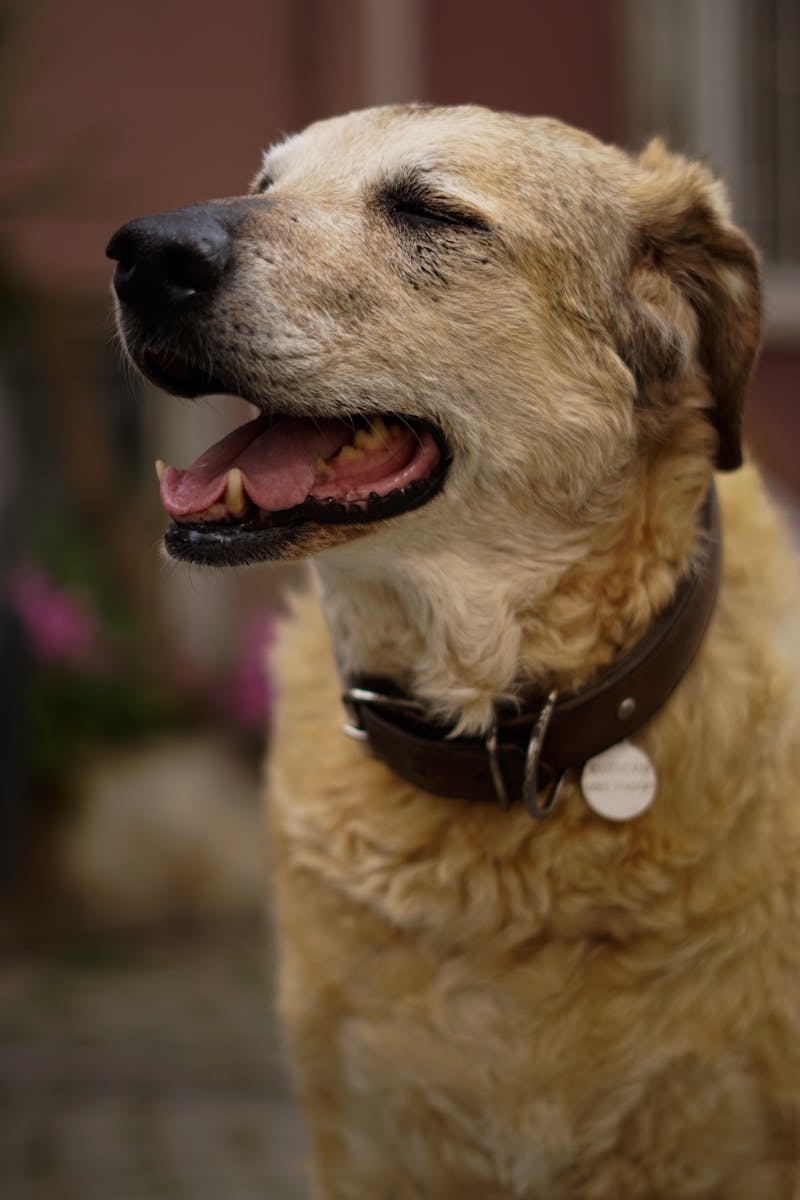
Wondering how tight your dog's collar should be? The quick answer is: the collar should be snug but not tight, allowing you to comfortably slide two fingers between the collar and your dog’s neck. This "two finger rule" helps ensure your dog’s collar fit is both secure and safe, preventing escapes as well as discomfort or potential injury. Read on to learn exactly how to check your dog’s collar tightness, why correct fit matters, signs of poor fit, and tips for choosing and adjusting various collar types.
Understanding the Importance of Proper Dog Collar Fit
Collar fit is not just about comfort—it’s a crucial safety issue for your dog. A collar that’s too tight can cause skin irritation, pain, restricted breathing or swallowing, and even long-term damage to the trachea. On the other hand, a collar that’s too loose could easily slip over your dog’s head, risking accidental escapes or getting caught on obstacles.
Proper collar fit supports effective leash training, ensures your identification tags stay put, and keeps your dog safer during daily walks or outings. Good fit also helps prevent common behavioral and health problems associated with poor collar sizing.
How Tight Should a Dog Collar Be? The Two Finger Rule Explained
The standard method for checking your dog’s collar tightness is the “two finger rule.” Here’s how it works:
- Put the collar on your dog. Fasten it so it sits comfortably around your dog’s neck.
- Slide two fingers beneath the collar, flat against your dog’s neck. Your fingers should fit snugly, but not tightly—there should be just enough space so you can move your fingers without effort, but not so much that the collar sits loosely.
This rule applies to almost every type of daily-use dog collar. For some smaller breeds, puppies, or certain specialty collars, slight adjustments may be needed for comfort and security.
Why Use the Two Finger Rule Collar Test?
- Standardized Check: It provides a consistent, easy-to-remember way to check collar fit.
- Prevents Discomfort: Avoids collars cutting into skin or pressing on sensitive structures.
- Enhances Security: Prevents your dog backing out of the collar or slipping loose.
Step-by-Step Guide: Fitting a Dog Collar Correctly
- Choose the Right Collar Width and Type
- Pick a collar appropriate for your dog’s neck size, breed, and temperament. Small dogs usually need thinner, lighter collars; bigger dogs do well with wider collars for even pressure distribution.
- Adjust to the Correct Length
- Buckle, snap, or slip the collar around your dog’s neck. Position it midway down the neck, not at the very base of the skull or too close to the shoulders.
- Apply the Two Finger Rule
- Insert two fingers under the collar. Test for snugness as described above. If only one finger fits or it feels tight, loosen the collar. If you can fit more than two fingers or the collar easily slides around, tighten it slightly.
- Double Check Collar Placement
- Ensure the buckle or fastener isn’t pressing into the skin, and any ID tag attachments lay flat and aren’t annoying your dog.
- Observe Your Dog
- Watch how your dog moves and responds. Scratching, pawing at the collar, or struggling may mean the fit is off—check again.
Dog Collar Sizing Guide by Breed and Neck Size
Every dog's neck is unique, but general guidelines can help you select the starting collar length:
| Dog Size / Breed | Neck Measurement | Typical Collar Length | Collar Width Recommended |
|---|---|---|---|
| Toy (Chihuahua, Yorkie) | 6-10" | 8-12" | 3/8-1/2" |
| Small (Jack Russell, Pug) | 10-14" | 12-16" | 1/2-3/4" |
| Medium (Beagle, Corgi, Bulldog) | 14-18" | 16-20" | 3/4-1" |
| Large (Lab, Shepherd, Boxer) | 16-22" | 18-24" | 1 - 1.5" |
| Giant (Mastiff, Great Dane) | 20-28" | 22-30" | 1.5 - 2" |
To measure your dog’s neck, wrap a soft tape measure around the base of their neck where the collar will rest. Add 1–2 inches to the measurement for comfort and adjust as needed for a snug fit according to the two finger rule.
Collar Tightness for Different Types of Dog Collars
Not all collars are created equal. Fit can vary slightly depending on style. Here’s how to check collar tightness for some popular collar types:
Flat Buckle Collars
These standard collars use a buckle or quick-release closure. They should sit flat against your dog’s neck and follow the two finger rule closely.
Martingale (Limited Slip) Collars
Martingales have a loop that tightens slightly when tension is applied, often used to prevent escape by dogs with slim heads (like greyhounds). When not under tension, fit with the two finger test in place—if it’s too loose, the collar won’t tighten effectively, but too tight could constrict when leash pressure is applied. When pulled, the two finger fit should still be possible at the tightest point.
Rolled Leather or Rope Collars
These collars are often rounder in shape and can be great for dogs with thicker fur or those prone to matting. The two finger rule still applies, but be cautious as rolled collars can sometimes compress fur and make the collar seem looser than it is; check periodically to avoid overly tightening.
Head Collars and Harnesses
While technically not collars, head halters and harnesses also require proper fit. Most head collars should allow enough movement for the dog to pant and drink, with snug—but not tight—straps. Harnesses should allow room for two fingers under all straps and not chafe at the elbows or armpits.
Checking and Adjusting Dog Collar Fit Over Time
Dogs grow, their coat thickness changes with the seasons, and collars can stretch or wear out. Here are a few practical tips for maintaining ideal collar tightness:
- Regularly Check Fit: Inspect at least once a week, or more frequently for puppies and growing dogs.
- Seasonal Coat Changes: Heavier coats in winter can make collars fit tighter; remember to reassess with coat changes.
- Puppies: Growing fast means collars may need adjusting every few weeks, or even days during a growth spurt.
- After Grooming: Collar may need tightening if your dog has had a major “haircut.”
- Monitor for Wear: Old collars can stretch out or break, leading to sudden looseness. Replace as needed.
Signs Your Dog’s Collar is Too Tight or Too Loose
Recognizing when a collar is improperly fitted is key to your dog’s health and comfort. Watch for these signs:
Collar Too Tight
- Indentation in the fur or skin where the collar sits
- Difficulty breathing, coughing, gagging, or wheezing on walks
- Redness, irritation, or hair loss under the collar
- Scratching, pawing at the collar area
- Apparent discomfort or reluctance to walk on leash
Collar Too Loose
- Collar sliding easily over the dog’s head, or you can rotate it easily around the neck
- Risk of collar catching on furniture, fences, or other objects
- Dog escaping or backing out of the collar when pulling
- Tags hang down too far, and may become tangled
Special Considerations for Puppies and Growing Dogs
Puppies grow quickly, and so their collar needs can change weekly. Use an adjustable collar or plan to buy larger ones periodically. Check more frequently than with adult dogs—a collar that fits today could be too tight in a few days. Watch for signs of tightness after growth spurts or teething (which can cause swelling around the neck area in some breeds).
- Always measure the actual neck circumference rather than estimating.
- Opt for collars with a wide adjustment range.
- Set calendar reminders to check fit every few days during rapid growth stages.
Choosing Durable, Adjustable Collars for Safe Fit
While making sure a collar fits is critical, material and hardware are also key. Choose collars with sturdy buckles or fasteners that won’t unexpectedly loosen. Adjustable sliders should hold their position firmly. Waterproof or machine-washable materials can help avoid shrinkage or stretching, maintaining fit over time.
If your dog does a lot of outdoor activity or swimming, check that the collar stays secure when wet—the fit and material integrity can change when exposed to water, mud, or sand.
Collar Alternatives and Fit Considerations
Sometimes a traditional collar isn’t the safest or most comfortable option for your dog, especially if they pull hard or have medical issues.
Harnesses
These distribute pressure across the chest rather than the neck, reducing risk of tracheal damage. Fit harnesses with the two finger rule at all strap points, ensuring no pinching or chafing occurs.
Breakaway Collars
Designed to release under heavy pressure, breakaway collars are good for dogs left unsupervised, as they reduce risk of strangulation if the collar gets caught. Make sure the breakaway mechanism isn’t too sensitive, so the collar doesn’t fall off during normal activity—proper fit remains important.
Checklist: How to Ensure Your Dog’s Collar is Fitted Correctly
- Measure your dog’s neck with a soft tape or string before buying a collar.
- Pick a collar that can adjust at least 2-3 inches on either side of the current measurement.
- Test collar width—wider for large, strong dogs, narrower for small/toy breeds.
- After putting on the collar, use the two finger rule to check tightness.
- Monitor for signs of chafing, skin indentation, hair loss, or redness.
- Watch for signs the collar is too loose—slippage, rotating easily, or coming off altogether.
- Check fit weekly, more often for puppies or after grooming.
- Replace collars if they become worn, stretched, or damaged.
- Ensure tags are secure and not pulling the collar down or causing discomfort.
Common Myths About Dog Collar Tightness
- Myth: “Tighter collars prevent escapes better.”
A collar that’s too tight not only risks injury, but actually makes it more likely your dog will try to back away or escape. Proper fit (not tightness) is key. - Myth: “A loose collar is more comfortable.”
Loose collars can chafe, collect debris, or catch on objects. Too-loose collars are an escape risk and can bother your dog just as much as a tight collar. - Myth: “Fur means you should tighten the collar more.”
Dogs with thick coats still need the same two finger fit. Push the fur flat when checking, and do not over-tighten to compensate for fluffiness.
Frequently Asked Questions
How do I know if my dog’s collar is too tight?
Common signs of a too-tight collar include visible indentations in your dog's fur or skin, difficulty breathing or swallowing, frequent coughing or gagging, and irritation or hair loss under the collar area. If you can’t fit two fingers comfortably under the collar, loosen it right away.
Is the two finger rule for collar fit always accurate?
The two finger rule is a safe, widely recognized guideline for most dogs. However, adjust slightly for puppies (use a bit more slack for growth), dogs with extra thick fluff, or narrow-headed breeds that might need snugger martingale style collars for security. Monitor comfort and security as your main criteria.
How often should I check and adjust my dog’s collar fit?
Check your dog's collar at least weekly, especially in fast-growing puppies or when your dog's activity or coat thickness changes. After a bath, grooming, weight change, or new collar purchase, always do an extra fit check.
Should my dog wear a collar at all times?
Many owners keep identification collars on indoors for peace of mind, but collars can get caught or cause wear if left on constantly. If you leave a collar on when your dog is at home, ensure it’s fitted but not too tight, and consider removing it when crated or unsupervised for safety.
Can my dog wear a harness instead of a collar?
Harnesses are a great alternative, especially for dogs with respiratory issues or pullers. However, most dogs still need a collar with ID tags. Harnesses should fit snugly, allowing two fingers between each strap and your dog’s body.
What should I do if my dog keeps slipping out of their collar?
Ensure you’re using the appropriate collar style and fit. Slim-headed breeds or escape artists may benefit from martingale or limited slip collars, adjusted so they tighten when needed but are not too restrictive when relaxed. If you’re unsure, consult a professional dog trainer for advice on fit and equipment selection.