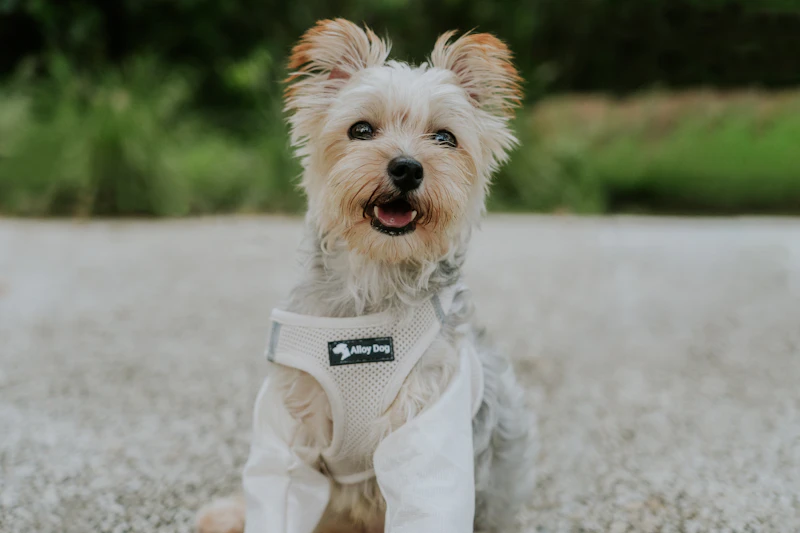
If you’re wondering whether a harness or collar is right for your dog’s daily walks, the decision depends on your dog’s breed, walking style, health, and your personal preferences. Both options have pros and cons. For most dogs—especially those who pull, have delicate necks, or are small breeds—a harness is usually the safer and more comfortable choice. However, collars remain useful for ID tags and well-trained dogs who don’t pull. Understanding harness vs collar walking will help you make an informed, confident decision for your dog’s comfort and safety.
Harness vs Collar: Core Differences
The debate between using a harness or collar for your daily dog walks hinges on how these tools fit, the areas they control, and the effects on a dog’s body. Here’s a comparison of both:
| Feature | Collar | Harness |
|---|---|---|
| Main contact point | Dog’s neck | Dog’s chest + body |
| Control over pulling | Low to moderate unless using special types (e.g., martingale) | Moderate to very high (especially front-clip/no-pull harnesses) |
| Risk of throat or neck injury | Higher, especially for pullers or small breeds | Much lower, protects neck and trachea |
| Escape risk | Medium to high (some dogs slip out) | Low, if fitted properly |
| Good for ID tags | Yes | Sometimes, if harness has a tag ring |
| Dog comfort | Can cause rubbing if too tight | Even pressure, less risk of rubbing if fitted right |
When to Use a Collar
- Your dog walks calmly by your side on a loose leash
- You need a way to hold ID tags and licenses
- Your dog doesn’t have respiratory issues or a thin neck
- Brief outings, potty breaks, or backyard time
When to Use a Harness
- Your dog tends to pull, lunge, or zig-zag on leash
- Your dog has a delicate neck, is a small/toy breed, or is prone to tracheal issues
- You’re leash training a puppy or adopting a rescue dog
- You want extra control and reduced risk of escape
- Walks are long, urban, or involve varied environments
Pros and Cons: Dog Harness vs Collar for Walking
Collars: Good and Bad Sides
Standard neck collars are the classic choice for dog ownership because they’re quick to put on, lightweight, and ideal for holding identification. Their simple design suits dogs who don’t pull at all, have robust necks, and walk calmly. However, for dogs who lunge, dash after squirrels, or strain toward smells, collars concentrate all the pressure at the neck. This can lead to long-term injuries or immediate discomfort, especially in small breeds or dogs with delicate airways.
- Pros: Quick to use, best for ID tags, generally acceptable for most dogs who walk gently
- Cons: Risk of tracheal collapse, choking, or neck injuries; can slip off some head shapes (e.g., greyhounds); poor for pullers or high-energy dogs
Harnesses: Key Benefits and Drawbacks
Harnesses come in front-clip, back-clip, and dual-clip styles. Most distribute pressure across the chest and shoulders rather than the neck, greatly reducing injury risk. For dogs inclined to pull or dart, harnesses offer far better control and safety. Some may be less ideal for all-day wear or for breeds prone to matting where straps rest, and not all dogs enjoy the sensation of a harness at first. Still, for city walks, training, and most breeds—harnesses offer significant advantages.
- Pros: Reduces neck and airway injury, improves control, ideal for puppies, small breeds, brachycephalic (short-nosed) dogs, and strong pullers
- Cons: Slightly more time to put on; incorrect fit can cause chafing or allow escape; not as convenient for hanging tags
Key Factors To Consider: Harness or Collar for Your Dog?
Choosing between a dog harness vs collar is not “one-size-fits-all”. Consider these points before you decide:
1. Your Dog’s Walking Behavior
- Puller? Harness – especially a front-clip “no-pull” design
- Loose leash walker? Collar may work
- Runner or unpredictable? Harness gives you better control
2. Breed and Body Type
- Small/toy breeds (Chihuahua, Yorkie, etc.): Gentle harness to avoid neck damage
- Flat-faced/brachycephalic dogs (French Bulldog, Pug): Harness to protect airways
- Sighthounds (Greyhound, Whippet): Special sighthound collars or escape-proof harnesses—some have narrow heads and can back out of regular collars
- Large or heavy-pulling breeds: Sturdy harness with a strong clip
3. Size and Fit
- Collars: Should fit snugly—enough that you can slip two fingers underneath, but not so loose they slide over the dog’s head
- Harnesses: Adjustable at multiple points, fits securely without pinching, allows free leg movement, and does not chafe under the armpits or behind elbows
4. Health Concerns
- Neck injuries, collapsing trachea, or respiratory issues: Always choose a harness
- No known issues: Collar may suffice if other factors are met
5. Training Stage
- Puppies or dogs new to leash walking: Harnesses protect their necks and give owners more control during training
- Highly trained, calm adults: Collars can be safe—especially for quick walks
Harness Types: Which Harness is Right for Your Walks?
Not all harnesses are created equal. Here are the main types, and when to use each:
- Standard Back-Clip Harness: Leash attaches on the back. Great for small to medium, trained dogs who don’t pull a lot. Comfortable for everyday use.
- Front-Clip (No-Pull) Harness: Leash attaches on the front of the chest. Gives you more control over direction and discourages pulling. Good training aid.
- Dual-Clip Harness: Both front and back clips. Offers the flexibility to train with front clip, then use the back clip later. Some models allow two points of control for very strong dogs.
- Step-In Harness: Easiest for dogs afraid of gear going over their heads. Step into it, fasten on the back.
- Vest-Style or Padded Harness: Best for thin-skinned or sensitive dogs who need extra comfort, and ideal for extended walks or running.
Practical Sizing Guide: Measuring for Collars and Harnesses
The right fit is critical for both harnesses and collars. Proper fit means safety, escape prevention, and comfort.
How to Measure for a Collar:
- Use a soft measuring tape.
- Wrap around your dog’s neck where the collar will sit (usually mid-neck, not too close to the head).
- Add two fingers under the tape to ensure the collar won’t be too tight.
- Collar sizing is usually based on neck circumference in inches or centimeters – double-check your brand’s recommendations.
How to Measure for a Harness:
- Measure around the widest part of your dog’s chest (right behind the front legs).
- Measure around the lower neck (base of the neck to just above shoulders).
- If your dog is between sizes, size up for comfort, but make sure the harness is adjustable at the chest and girth.
- Fit check: You should be able to fit two fingers between all straps and your dog; no gaping, twisting, or rubbing.
Sizing Checklist
- Always try on and adjust—dogs’ builds and coat thickness vary
- Watch your dog walk: harness/collar should not impede gait, pinch skin, or rotate
- Re-check fit regularly—puppies grow, and even adult dogs’ shapes may change
Common Harness and Collar Problems — and Ways to Avoid Them
Collar Issues
- Chafing or hair loss: Caused by tight collars or rough materials; choose padded or rolled leather for sensitive skin
- Slipping off: Adjust for a proper fit; some dogs require martingale or “limited slip” collars for security
- Throat coughing: Indicates pulling; switch to a harness and seek leash training
Harness Issues
- Chafing under arms: Look for harnesses with wide, padded straps and good adjustability
- Escaping: Make sure all buckles and straps are tight; consider “escape-proof” harness models for Houdini dogs
- Reluctance to wear: Use treats and positive reinforcement for harness training sessions; choose easier on/off designs for nervous dogs
Collar vs Harness Walking: What Do Trainers and Experts Recommend?
Modern trainers increasingly favor harnesses—especially during leash training and for city walking. Pressure from collars can exacerbate reactivity, as tension goes straight to the dog’s neck and might be interpreted as a cue to pull harder. Conversely, properly fitted harnesses spread force and give you more ways to guide your dog gently. Still, for dogs who have graduated to reliable off-leash heelwork with solid recall, collars remain practical for short walks or identification.
- For teaching leash skills: No-pull harnesses as a training aid
- For daily city or busy park walks: Harness, for control and injury prevention
- For rural walks with relaxed dogs: Collar might be sufficient for trained dogs
Never use choke chains, prong collars, or aversive gear for regular walking. Stick with flat/buckle collars or well-fitted harnesses for safety and positive experiences.
Combining Collar and Harness: Can You Use Both?
Many dog owners attach ID tags to a collar that remains on most of the time, then clip the leash to a harness for walks. This way, you cover both identification and safe, comfortable leash handling. Some harnesses have a ring for tags, but most owners still prefer a lightweight collar for everyday wear.
Multi-Point Safety for Escape Artists
If your dog has a history of slipping out, hook the leash to both the collar and harness. Use a leash with dual clasps (or a carabiner) for redundancy. This is especially smart for urban explorers or newly adopted rescue dogs still learning their surroundings.
Choosing the Best Fit: Decision Checklist
As you narrow down your choice, run through this checklist to see which option fits your walks best:
- Does your dog pull, swerve, or dart? Choose a harness, ideally front-clip
- Does your dog walk with a loose leash, calmly by your side? Collar is suitable
- Is your dog a small breed, has a delicate neck, or is brachycephalic? Always harness
- Does your dog escape gear frequently? Try an escape-proof harness plus a backup collar
- Do you walk in crowded, traffic-heavy, or exciting environments? Harness offers more control
- Is your dog nervous about gear? Seek soft, padded options; harnesses with easier donning styles
Summary: Harness vs Collar for Daily Walks
Most dogs benefit from a harness for everyday walks—especially if they pull, are young, small, or have sensitive necks. Collars remain essential for holding dog ID tags and are appropriate for calm, trained dogs who walk with a slack leash. Ensure the proper fit for whichever tool you use, and don’t hesitate to use both: a collar for ID, and a harness for walking comfort and safety. Watch your dog’s body language, adjust as needed, and choose the setup that makes your walks safe, enjoyable, and stress-free.
Frequently Asked Questions
Can I use both a harness and collar at the same time?
Yes, many owners use both. The collar holds ID tags, while the leash attaches to the harness for safe, controlled walking. For extra security or with escape-prone dogs, attach the leash to both as a backup.
Will a harness stop my dog from pulling?
A harness—especially a front-clip, no-pull style—can reduce pulling and make walks easier to manage. However, effective loose-leash walking still requires positive reinforcement training in addition to the right gear.
Is a collar or harness better for puppies?
Harnesses are safer for puppies, as they prevent damage to the developing neck and trachea. Soft, adjustable harnesses are ideal for leash training and growing bodies.
How do I know if my dog’s harness or collar fits properly?
Both should be snug but not tight—you should be able to slide two fingers underneath any strap or band. Check that the harness or collar does not rub, impede your dog’s movement, or allow easy escape when under tension.
Are there any breeds that should always use a harness?
Small breeds, flat-faced dogs (like pugs and bulldogs), and long-necked dogs (like greyhounds) generally do better with harnesses for daily walks. Any dog with known airway or neck issues should also use a harness.
Should my dog wear a harness all day?
No, it's best to remove the harness when not walking to prevent chafing or discomfort. Collars for ID can be left on, but check daily for proper fit and skin health.