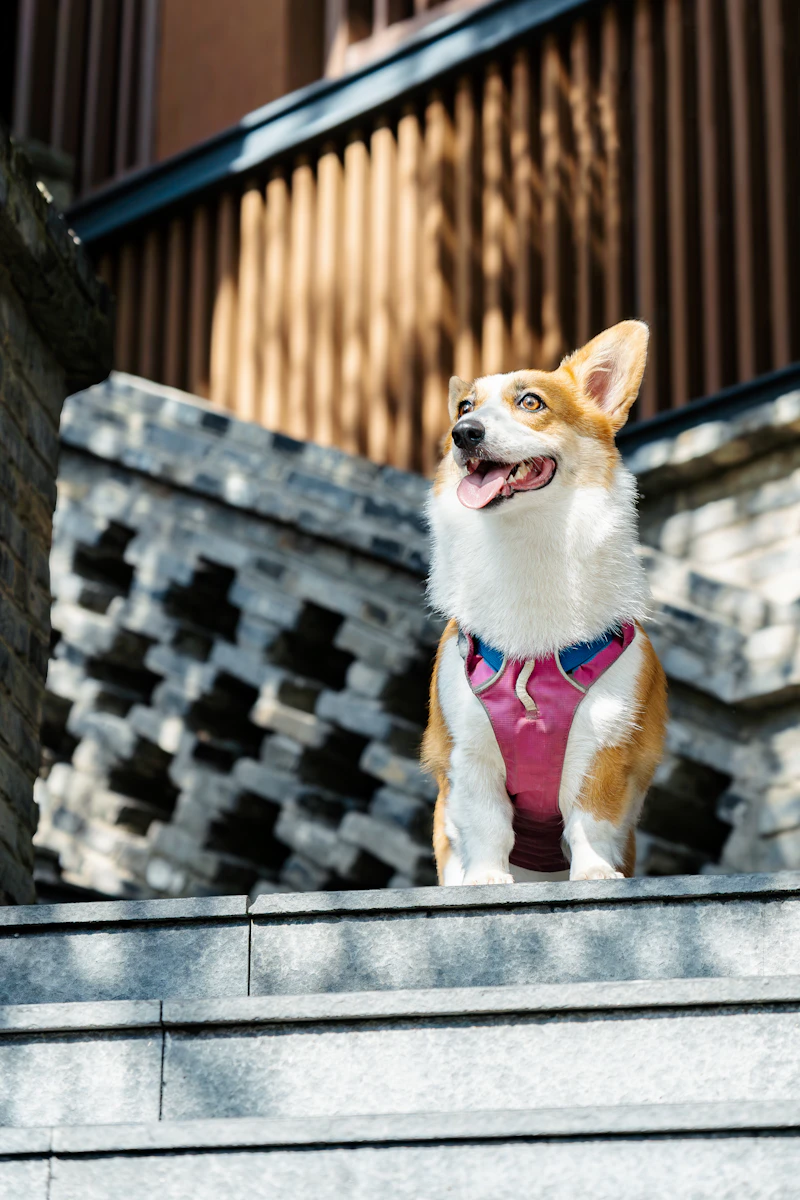
If you’re looking for the best harness for small dogs, you’re probably focused on safety, comfort, and a secure fit. Small dogs and toy breeds have unique needs—finding a harness that fits properly, avoids pressure points, and is lightweight enough for their tiny frames can make all the difference on walks and adventures. This guide covers the most important factors to consider, features to look for, and tips for sizing and choosing a harness that will keep your petite companion happy and secure.
Why Small Dogs Need Specialized Harnesses
Small and toy breed dogs can weigh anywhere from two to twenty pounds. Harnesses designed for larger dogs won’t provide these little pups with the right support, and improper fit can even cause chafing, escape risks, or injuries. Here’s why specialized harnesses matter:
- Gentle control: Small necks and fragile throats make traditional collars a risk. Harnesses distribute force safely across the chest.
- Escape prevention: Petite dogs are excellent at wiggling free. A well-fitted harness minimizes this risk.
- Comfort: Less bulk prevents slipping or dragging, and lightweight materials ensure your dog isn’t weighed down.
- Health safety: Small breeds like Yorkies and Chihuahuas are more susceptible to tracheal collapse and spinal injuries from pressure.
BELLA & PAL Step-In Vest Harness
A great example of a well-designed small dog harness is the BELLA & PAL Step-In Vest Harness. Its lightweight air mesh keeps tiny dogs cool, while the step-in design makes it easy to get on squirmy pups. It features air mesh construction, reflective strips, and a step-in design.
Check Price on Amazon As an affiliate, we may earn a small commission at no extra cost to you.Key Features of the Best Harness for Small Dogs
Not every harness is created equal, especially for tiny bodies. Here are the core features to focus on when searching for the best small dog harness:
1. Lightweight Construction
A lightweight dog harness is essential. Bulky hardware or heavy materials can be uncomfortable—and even intimidating—to a small pup. Soft mesh, neoprene, or other airy fabrics are ideal.
2. Secure and Adjustable Fit
- Multi-point adjustment: Look for harnesses with adjustable straps around the neck and chest to dial in the perfect fit.
- Escape resistance: Harnesses shaped like a figure-eight or with extra belly straps help prevent crafty escapes.
3. Gentle Pressure Distribution
Padding and broad straps disperse pressure over the chest, avoiding concentrated force on the neck and trachea. This is especially important for toy breeds and those prone to airway issues.
4. Easy On/Off Design
Many small dogs dislike being fussed with. Options with step-in or overhead designs, quick-release buckles, and simple closures make harnessing stress-free for both dog and owner.
5. Durable Hardware (Without the Weight)
Consider secure metal or reinforced plastic buckles and D-rings. They should be strong enough for daily walks but not so heavy that they weigh down your dog.
Important Sizing Considerations for Small Breeds
Getting the right size is just as important as choosing the right harness style. An ill-fitting harness can cause chafing, escape risks, or discomfort.
How to Measure Your Small Dog for a Harness
- Girth (Chest): Use a soft tape measure to wrap around the widest part of your dog’s chest, just behind the front legs. This is the most critical measurement for harness fit.
- Neck: Measure around the base of your dog’s neck, near the shoulders (not higher up by the collar area).
- Weight: Some brands include weight guidelines to help you decide between sizes, but always prioritize measurements over weight for accuracy.
Sizing Tips for Toy Breeds
- Double-check the size chart—one company’s “XS” may fit a 10-pound dog, while another’s may only fit a 3-pound pup.
- If your dog is between sizes, size up for adjustability (as long as the harness can be snugged securely).
- Check for harnesses that offer “XXS”, “XXX-Small”, or “Teacup” sizes for the tiniest dogs.
Harness Styles for Small and Toy Dogs
The best harness for small dogs typically falls into one of several popular design categories. Your choice depends on your dog’s personality, escape abilities, and walking habits.
Step-In Harnesses
- Pros: Quick to put on, especially for squirmy pups. Usually lightweight and simple.
- Ideal for: Dogs who dislike things going over their heads.
- Downside: Some step-in harness (like the BELLA & PAL Vest Harness)es offer less adjustability; check for multiple points of adjustment.
Overhead (Vest) Harnesses
- Pros: Secure fit with broad chest coverage. Distributes pressure well for delicate toy dogs.
- Ideal for: Dogs that don’t mind wearing sweaters or coats.
- Downside: May require patience to slip over the head and adjust straps.
Figure-Eight or H-Style Harnesses
- Pros: Multiple adjustable points for a tailored fit. Great for escape-artist small dogs.
- Ideal for: Particularly tiny or slender dogs who slip out of standard styles.
- Downside: Sometimes slightly more complicated to put on.
Selecting the Best Harness Material for Small Dogs
Material impacts weight, comfort, and durability. For small or toy breeds, keep the following in mind:
- Mesh (Breathable): Flexible, lightweight, and cool. Good for warm weather or indoor use.
- Soft nylon: Resilient, easy to clean, and typically gentle on fur and skin.
- Padded neoprene: Adds comfort and can reduce rubbing.
- Fleece-lined: Extra comfort for sensitive or tiny dogs, but can be warm in summer.
Escape-Proof Features for Extra Small Dogs
Toy breeds and small dogs are famous for slipping harnesses. If your pup is a nimble Houdini, be sure to consider:
- Additional belly straps or Y-shaped designs that make it harder for your dog to back out
- Tight-fitting, fully adjustable harnesses that can be snugged close (while still letting your dog move freely)
- Padded, snug chest panels to fill in gaps in the harness and block escape routes
Checklist for Choosing the Best Harness for Small Dogs
Bring this practical checklist when shopping or comparing options for your dog:
- Measure your dog’s girth and neck; double-check the sizing chart
- Look for soft, breathable materials (mesh, padded nylon, or fleece)
- Check for adjustable points (especially on both neck and chest straps)
- Choose lightweight hardware and fabric
- Test buckle strength and ease of putting the harness on/off
- Prioritize fit and security over extra features
- Observe your dog: Are they comfortable, and can they move freely without rubbing or gapping?
Harness Features to Consider for Your Small Breed’s Lifestyle
Beyond fit and security, some small dog harnesses offer thoughtful extra features. Choose what suits your daily routine:
- Reflective trim or accents: Increases safety during night or early morning walks.
- Handle on back: Useful for lifting tiny dogs over obstacles or into cars, or for extra control in busy areas.
- Front leash attachment: For stubborn pullers or training, look for a harness with a front ring in addition to a standard back clip.
- Machine washability: A definite plus with dogs that love rolling in dirt or dust.
Common Harness Problems and How to Avoid Them
Even the best harness for small dogs won’t work if it’s the wrong fit or style. Watch for these issues:
- Chafing or matting: Can occur if the harness rubs under arms or behind front legs. Look for harnesses with soft edges and proper padding.
- Harness twisting or shifting: Usually means the harness is too loose or not correctly sized.
- Dog balking/fearful: Try a harness with simpler or faster closures, or introduce it gradually with treats.
- Slipping out of harness: Avoid overly stretchy materials and opt for more adjustment points and snug chest panels.
Comparing Popular Styles: Which Is Right for My Small Dog?
The best small dog harness will suit your dog’s proportions, personality, and how you plan to use it. Here’s a quick comparison table:
| Harness Style | Best For | Key Features | Potential Drawbacks |
|---|---|---|---|
| Step-In | Squirmy or head-shy dogs | Simple, easy, lightweight | May lack adjustability; some can slip off |
| Over-Head (Vest) | Dogs comfortable with gear | Secure fit; pressure distributed | May overheat in summer |
| Figure-Eight / H-style | Escape artists; slender builds | Adjustable, escape-resistant | Can be fiddly to put on |
| Y-Front / No-pull | Leash pullers | Front/back leash clips, good control | Slightly bulkier for super-tiny dogs |
How to Fit and Adjust a Small Dog Harness
Once you pick the best harness for small dogs, fitting it properly is crucial:
- Loosen all adjustable straps before putting the harness on your dog.
- Put the harness on, ensuring the D-ring is on your dog’s back. If using a step-in design, have your dog step in, buckle up, then adjust.
- Start tightening straps from the neck, then adjust the chest/girth. Each strap should be snug but allow enough room for two fingers to fit between the harness and your dog's skin.
- Check for rubbing—especially behind the front legs and around the neck and shoulders.
- Observe your dog walking in the harness indoors before going outside to ensure comfort and security.
Troubleshooting Fit Problems
- If the harness rides up or rotates, it’s too loose or poorly shaped for your dog.
- If you notice chafing, try a harness with softer fabric or better padding.
- If your small dog still slips free, try a style with extra belly straps or a Y-front design for a closer fit.
Harness Safety and Walking Tips for Small Dogs
Even with the best small dog harness, use good habits to keep your tiny companion safe:
- Inspect your harness regularly for signs of damage or wear, especially at buckles and D-rings.
- Supervise your small dog at all times outdoors, even if the harness fits well.
- Choose a lightweight leash to match the harness—bulky leashes can pull down on petite pups’ backs.
- Recheck fit every few months, especially if your dog gains or loses weight.
- Use treats and positive reinforcement to get your dog comfortable with wearing their harness.
Harness Care and Cleaning for Small Dogs
Keeping your dog’s harness clean helps prevent rashes and matting:
- Spot clean as needed with pet-safe detergent and water.
- Many mesh or nylon harnesses are machine washable; always fasten buckles and use a gentle cycle.
- Air dry—avoid dryers, which can deform plastic parts.
- Inspect for wear after every washing.
Signs You May Need a New Harness
- Hardware is damaged, broken, or corroded
- Straps have frayed, stretched, or torn
- Your dog has grown or lost significant weight and cannot be fitted properly
- Noticeable chafing or hair loss around harness contact areas
Summary: Finding the Best Harness for Small Dogs
Choosing the best harness for small dogs comes down to careful sizing, comfortable and lightweight materials, and a secure fit with the right adjustability. Focus on breathable fabrics, multiple points of adjustment, and easy-use features that make harnessing a positive experience. Take time to measure your dog and observe their behavior with new gear—your small or toy breed will thank you with happy, healthy walks.
Frequently Asked Questions
How snug should a small dog harness fit?
A small dog harness should be snug enough that it cannot slip over your dog’s head or shoulders, but loose enough for you to fit two fingers comfortably between the harness and your dog’s body. Always check for chafing, especially behind the front legs or under the chest.
Are back-clip or front-clip harnesses better for small dogs?
For most small and toy breeds, a back-clip harness is easier and more comfortable for regular walks. Front-clip (no-pull) harnesses can help with leash training, but may be less comfortable for the smallest dogs. Choose based on your dog’s walking habits and sensitivity.
How do I stop my small dog from slipping out of their harness?
Double-check that the harness is the right size and all straps are snugly adjusted. Consider escape-proof designs like figure-eight, H-style, or Y-front harnesses with extra belly straps. If slipping continues, try a harness specifically labeled as “escape-proof” for toy breeds.
What materials are best for tiny or fragile dogs?
Soft mesh, padded nylon, and fleece-lined materials are gentle and lightweight, making them ideal for the most delicate toy dogs. Look for options with padded panels and smooth seams to prevent irritation or pressure points.
How often should I replace my small dog’s harness?
Replace your dog’s harness if you notice any damage to straps or hardware, if fit issues develop, or at least every 1-2 years with regular use. Frequent inspection and cleaning will extend the life of your harness.