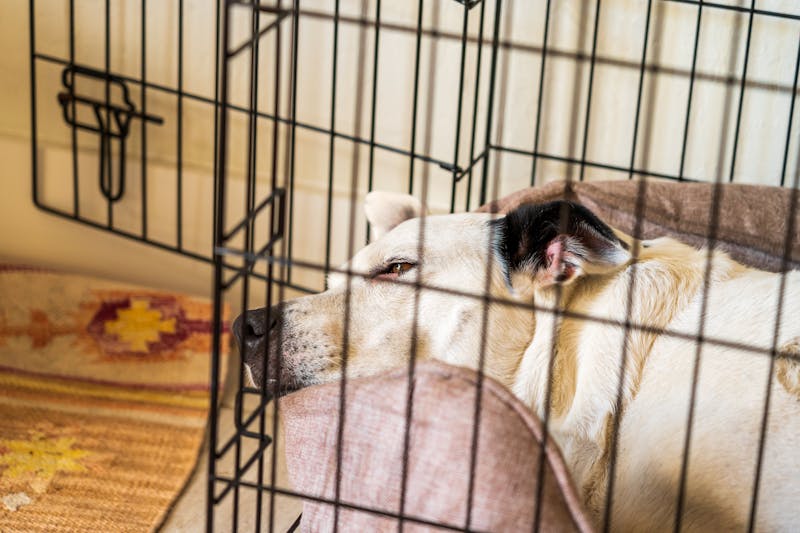
If you’re bringing home a new puppy, crate training is one essential skill that sets the stage for everything from housebreaking to managing a safe, stress-free home. Crate training puppy essentials include the right setup, timing, and consistent routines that help your puppy feel secure and confident. This comprehensive crate training guide covers what you need to know, how to get started, and practical tips for a smoother transition—for both you and your puppy.
Why Crate Training Is Beneficial for Puppies
Crate training isn’t just about convenience—it’s about providing a den-like space where your puppy can relax, sleep, and feel safe. Here’s why crate training is a smart move:
- Housebreaking: Puppies instinctively avoid soiling their sleeping area. Crate training builds bladder and bowel control, making house training more predictable for both of you.
- Prevents Destructive Behavior: When the puppy can’t be supervised, the crate keeps them—and your belongings—safe.
- Safety: Puppies are naturally curious and can get into dangerous items when alone. The crate becomes a safe place during your absence.
- Travel & Vet Visits: Being comfortable in a crate makes trips and overnights much less stressful later in life.
Crate Training Puppy Essentials: What You’ll Need
Before you start crate training, gather the right supplies. Setting up an inviting, functional crate environment is key for success.
1. The Right Crate
There are several types of crates to choose from. Each has its own advantages:
| Type | Pros | Cons |
|---|---|---|
| Wire Crates | Good ventilation, visibility, easy to clean, often come with dividers | Less den-like, noisier |
| Plastic Crates | Cozy, more enclosed, suitable for travel | Less visibility, harder to clean |
| Soft-sided Crates | Lightweight, portable | Not chew-proof, for calmer pups only |
Choose a crate with a removable divider so you can adjust the space as your puppy grows. This prevents your puppy from using one end as a bathroom and the other as a bed.
2. Sizing Guide: How Big Should the Crate Be?
The right crate size is crucial. Too big and your puppy may soil one end; too small and it’s uncomfortable. Use this practical checklist:
- Your puppy should be able to stand up, turn around, and lie down comfortably.
- Look for a crate with an adjustable divider, especially for large breeds that will grow quickly.
- Measure your puppy’s length (tip of nose to base of tail) and height (floor to top of head or ears). Add 2-4 inches to both measurements for the minimum crate size.
3. Crate Bedding and Comfort Items
The floor of the crate should be soft but easy to clean. Choose bedding designed for crates or a durable towel or blanket (not too plush for heavy chewers). Avoid expensive beds early on—puppies may chew or soil bedding as they learn.
- Consider vet-approved crate pads for chewers or pups prone to accidents.
- Wash bedding often to keep the crate welcoming and odor-free.
4. Safe Toys and Chews
Provide safe, durable toys and chews for your puppy to enjoy while in the crate. Avoid toys with small parts and select sturdy, size-appropriate options.
- Puppy-safe chew toys can soothe teething discomfort and prevent boredom.
- Rotate toys to keep things interesting and to prevent toy fixation or possessiveness.
5. Water Bowl or Bottle
Young puppies may need access to water in the crate, depending on how long they’re inside. Opt for a crate-mounted, no-spill bowl or a water bottle designed for kennels to minimize messes.
How to Crate Train Puppy: Step-by-Step Guide
Crate training is a gradual process. Rushing can cause anxiety, but a step-by-step plan helps puppies adjust at their own pace.
Step 1: Introduce the Crate Positively
- Set up the crate in a calm, family-centered spot—not isolated, but not in the middle of noise.
- Leave the door open and let your puppy explore the crate freely. Toss treats or favorite toys inside.
- Feed regular meals in the crate so your puppy associates it with good things.
- Never force your puppy inside; let curiosity lead.
Step 2: Practice Short, Pleasant Sessions
- Once your puppy enters the crate comfortably, close the door for brief intervals (start with 1-2 minutes).
- Sit nearby and offer praise and treats while your puppy is calm and quiet.
- Gradually increase the duration, always ending the session before your puppy begins to whine or fuss.
Step 3: Build Independence and Duration
- As your puppy becomes comfortable, move further away from the crate during sessions—first out of sight for a few seconds, then longer.
- Increase crating time slowly, never using the crate as punishment.
- Return only when your puppy is quiet; returning during barking or whining can inadvertently teach noisy behavior gets attention.
Step 4: Use the Crate for Nap & Quiet Time
- Encourage naps in the crate by guiding your puppy there during natural rest periods.
- Stick to a schedule: puppies thrive with predictable nap, meal, play, and potty times.
Step 5: Overnight Crate Training
- Start by positioning the crate in your bedroom or nearby at night. This eases anxiety and allows you to hear nighttime potty cues.
- Take your puppy out for bathroom breaks during the night until they can last comfortably.
- Gradually move the crate to your preferred location after your puppy is sleeping soundly through the night.
Establishing a Successful Crate Training Routine
Consistency and predictability are your strongest allies in crate training. Here’s how to create a routine that builds your puppy’s trust and confidence.
- Stick to Set Times: Create a basic schedule for crate time, play, meals, and bathroom breaks. Puppies enjoy knowing what to expect and when.
- Short Sessions for Young Puppies: Start with frequent, brief crate sessions each day instead of leaving the puppy in for hours at a time.
- Reward Calm Behavior: Use treats and calm praise for going into the crate, staying quiet, and settling down.
- Monitor Needs: Puppies under 12 weeks old generally need bathroom breaks every 2-3 hours, including during the night.
- Gradual Alone Time: Prepare your puppy for your absence by practicing short alone times—start small and extend only as they tolerate.
Common Crate Training Challenges—and Solutions
Most puppies will bark, whine, or resist the crate at some point. Here’s how to troubleshoot typical bumps along the road:
Whining and Barking
- Don’t rush back at the first sign of noise. Wait for a pause in barking—then return and let your puppy out, calmly and quietly.
- Avoid scolding or negative reactions; this can make the crate an anxious place.
- If whining persists, revisit earlier steps. Make sure sessions are short, and positive associations strong enough.
Accidents in the Crate
- Double-check crate size—too much space can encourage accidents.
- Make sure your puppy potties just before crating, and offer frequent breaks.
- Clean accidents thoroughly; use an enzymatic cleaner to remove odors that could encourage repeats.
Puppy Won’t Enter the Crate
- Increase crate appeal: use special toys or treats ONLY for crate time.
- Feed meals inside the crate, and toss high-value rewards deep inside.
- Make sure the crate isn’t too cold, hot, or in a stressful environment.
Do’s and Don’ts of Puppy Crate Training
| Do | Don’t |
|---|---|
| Use the crate as a calm, positive place | Use the crate as punishment |
| Introduce crate gradually and at your puppy’s pace | Force your puppy inside |
| Keep crate sessions short for young puppies | Leave your puppy crated for too long |
| Take your puppy outside for regular potty breaks | Ignore bathroom needs |
| Make the crate comfortable and inviting | Use uncomfortable bedding (or none at all) |
How Long Can Puppies Stay in the Crate?
Puppies have very small bladders, and their crate time should be appropriate for their age. Here’s a simple guideline:
- 8-10 weeks old: 30-60 minutes (up to 2 hours, max)
- 11-14 weeks old: 1-3 hours
- 15-16 weeks old: 3-4 hours
- After 17 weeks: 4-5 hours
Overnight, most puppies will require at least one potty break until around 4-6 months old, depending on the breed and individual puppy.
Tips for Crate Training Success
- Set realistic expectations: Every puppy is unique. Some may take to the crate in days; others take weeks.
- Monitor for stress: Drooling, constant biting at the crate, or refusal to eat can signal distress. Take a step back in your training plan if needed.
- Prevent boredom: Safe chews, food puzzles, or Kongs can keep your puppy entertained and relaxed.
- Keep goodbyes and returns low-key: Avoid making a fuss when crating or letting your puppy out, which teaches calmness around comings and goings.
What Comes After Crate Training?
Once your puppy sees the crate as a safe spot and can stay quietly for a few hours, you’ve laid the groundwork for independence and polite behavior. Many dogs outgrow the need for a crate at home, but some enjoy it throughout adulthood. Leave the crate available with the door open as your pup matures and let them choose. Always keep up positive experiences—never use the crate as punishment.
Frequently Asked Questions
How long does it take to crate train a puppy?
Crate training timelines vary—some puppies may become comfortable in a few days, while others take several weeks. The key is to go at your puppy’s pace and keep sessions positive and short. Young puppies especially may need gradual steps spread out over days or weeks.
Should you cover the crate at night?
Some puppies feel more secure with a cover draped over part of the crate, mimicking a den-like feel. However, be sure to allow for ventilation and only use a cover if your puppy is calm and not biting or pulling at it. Monitor your puppy’s response and remove the cover if they become distressed.
Is it okay to leave toys or chews in the crate?
Yes, safe and durable toys or chews are recommended for crate time. Avoid anything that could be broken into small pieces or swallowed. Rotating toys helps prevent boredom and keeps your puppy engaged.
What if my puppy has accidents in the crate?
If your puppy is having accidents in the crate, check the size (it might be too large), adjust the crate schedule to allow for more frequent potty breaks, and ensure your puppy potties before being crated. Clean any messes thoroughly to prevent repeat accidents.
Can I crate my puppy while I’m at work?
Extended crate time is not appropriate for young puppies. They need frequent potty breaks and social interaction. Arrange for a friend, pet sitter, or dog walker to let your puppy out every 2-4 hours, depending on their age, if you are away for long periods.