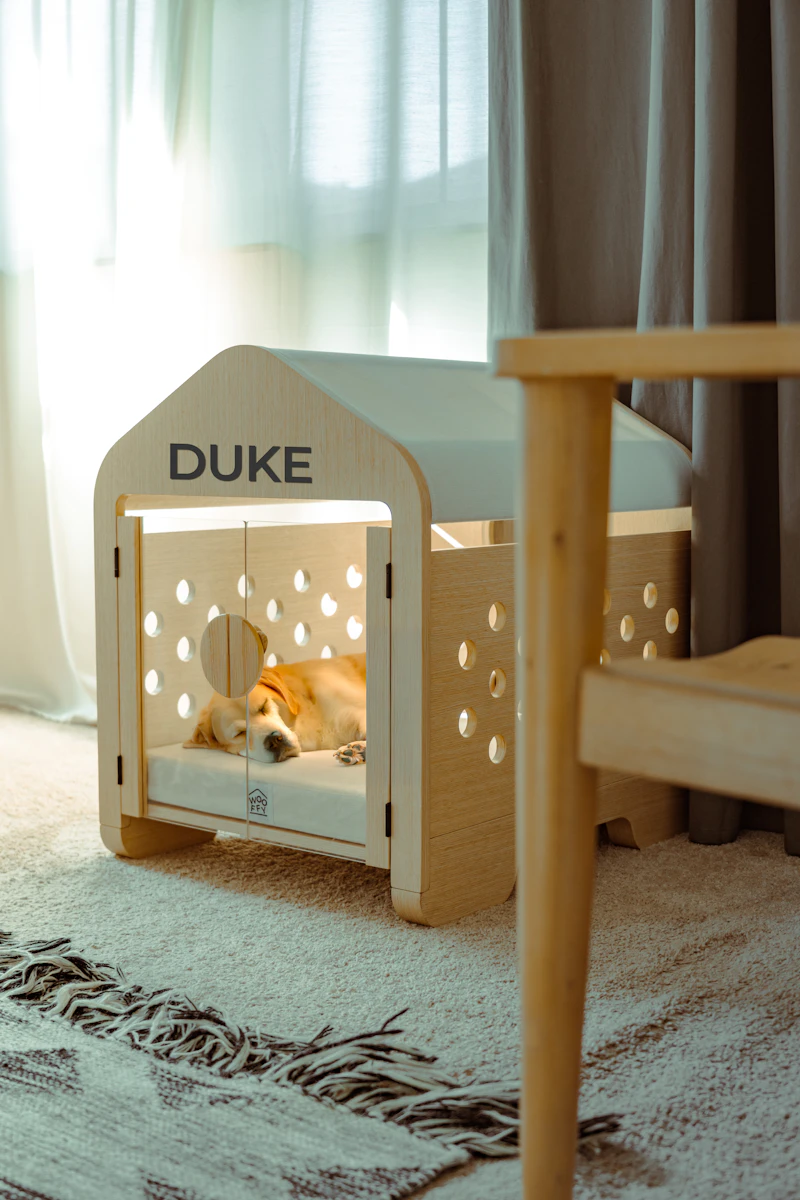
If you’re searching for the best travel crate for small dogs, you need something that balances safety, comfort, and convenience—whether you’re going for a weekend road trip, flying cross-country, or just heading to the vet. Not all small dog travel crates are created equal. Choosing the right carrier crate for your small dog ensures both of you travel with less stress and more peace of mind.
Why You Need a Travel Crate for Your Small Dog
Small dogs may be easier to carry, but they still need proper containment during travel. Whether you have a toy breed that weighs under 10 lbs or a slightly larger small dog up to 20 lbs, a travel crate keeps your pet secure, reduces anxiety, and prevents distraction or wandering. Dogs see their crates as safe spaces, making travel smoother for everyone involved.
Main Types of Small Dog Travel Crates
Travel crates for small dogs come in several designs, each suited for different needs and travel styles:
- Hard-sided carriers: Rugged, protective, and often airline-approved. Generally made of plastic with metal-wire doors.
- Soft-sided carriers: Lightweight, collapsible, and comfortable with mesh windows for ventilation. Popular for car and air travel.
- Wire crates: Made of metal, offering good visibility and ventilation. Less portable but ideal for hotel rooms or short car journeys.
- Backpack and sling carriers: Suited for walks, public transport, or short distances. Secure, but not for crate training or unsupervised use.
- Car-specific travel crates: Designed for car safety with features like seatbelt attachments and crash-tested construction.
Choosing the Right Type for Your Needs
Think about your usual mode of travel. For frequent flyers, hard-sided or soft-sided, airline-approved crates are best. Regular road-trippers may want a crate that is crash-tested and fits seatbelts. For city trips or short errands, look at backpack or sling options.
Key Features to Look for in the Best Travel Crate for Small Dogs
Not all travel crates are equal in terms of safety and convenience. Here’s what to prioritize in your search for the best portable dog crate:
- Durability: The crate should withstand bumps, chews, and rough handling, especially for air travel or long road trips.
- Ventilation: Good airflow is crucial to keep your dog cool and comfortable—look for mesh panels or multiple ventilation slots.
- Security: Door latches should be sturdy and escape-proof. Zippers on soft-sided crates should have lockable options or safety clips.
- Comfort: Padded interiors, soft bedding, or non-slip mats help reduce anxiety, especially for nervous pups.
- Portability: Consider weight, presence of carrying handles, shoulder straps, or wheels for easier transport.
- Size and fit: The crate must be sized properly for your dog’s safety and comfort (see sizing guide below).
- Ease of cleaning: Removable, washable liners or trays make accidents manageable.
- Storage: Collapsible designs are good for homes with limited storage or for people who travel infrequently.
- Travel regulation compliance: For air travel, make sure the crate meets your airline’s guidelines (hard-sided or soft-sided, maximum allowed dimensions, approved door latches).
Portable Dog Crate Sizing Guide for Small and Toy Breeds
Getting the right size is critical—a crate that’s too small is cramped and stressful, while one that’s too large can be unsafe (especially in a car accident).
How to Measure Your Small Dog for a Travel Crate
Follow these steps to find the perfect crate size:
- Measure length: Have your dog stand and measure from the tip of the nose to the base of the tail (not the end of the tail). Add 2-3 inches for comfort.
- Measure height: Measure your dog from the floor to the top of the ears or head (whichever is higher). Add 2-3 inches.
- Weigh your dog: Check the crate’s weight restrictions. Most small dog travel crates accommodate up to 15-20 lbs, with 'toy' sizes ideal for dogs under 10 lbs.
| Dog Size | Example Breeds | Typical Crate Dimensions (L x W x H, inches) | Dog Weight |
|---|---|---|---|
| Toy | Chihuahua, Yorkshire Terrier | 16-19 x 10-12 x 10-12 | Up to 10 lbs |
| Small | Papillon, Shih Tzu, Pomeranian, Maltese | 19-22 x 12-15 x 12-15 | 10-20 lbs |
Always confirm the internal dimensions. Your dog should be able to stand, turn around, and lie down comfortably. If your dog is between sizes, size up—but not excessively, as excess space can make them feel less secure and may be less safe in transit.
Comparing Material Types: Pros and Cons
Hard-Sided Crates
- Pros: Excellent protection; usually airline-approved; easy to clean; less likely to collapse.
- Cons: Bulky; can be heavy; limited visibility for your dog.
Soft-Sided Carriers
- Pros: Lightweight; often collapsible; well-ventilated; more comfortable for nervous or anxious dogs; easy to carry.
- Cons: Less chew-resistant; less impact protection; may not be allowed for checked luggage on airplanes.
Wire Crates
- Pros: Maximum ventilation; folds for storage; useful for crate training on the go.
- Cons: Heavier; not as protective; not suitable for airline travel or for nervous chewers.
Backpack/Sling Carriers
- Pros: Ultra-portable; hands-free option for events, city walks, or public transit.
- Cons: Not crash-safe; unsuitable for crate training; not for unsupervised periods.
Car-Specific Crates
- Pros: Crash-tested models available; designed for safety and secure tie-down; often comfortable with thick padding.
- Cons: Bulky; may not be approved for air travel; expensive compared to general carriers.
Special Features for Small Dog Travel Crates
Look for extras that make travel easier and safer for your small dog:
- Padded shoulder straps or backpack straps: Especially useful for airport terminals or public transport.
- Expandable sides: Some soft-sided carriers have zip-out mesh panels, offering extra lounging room at rest stops.
- Pockets for storage: Built-in compartments for treats, medications, cleanup bags, or leash storage.
- Removable bedding: Let’s you keep the crate clean and cozy without extra hassle.
- Roll-down covers or privacy flaps: Some dogs settle better with partial darkness during travel.
- Tether attachment: Built-in leashes to prevent your pup jumping out the moment you unzip a door.
- Multiple entry points: Top-loading options help you gently settle nervous dogs inside.
How to Select the Best Travel Crate for Your Small Dog
Narrowing down the choices involves taking a closer look at your dog’s temperament and your travel lifestyle. Here’s a checklist for owners researching the best travel crate for small dogs:
- Will you be flying, driving, or using public transport? Airlines and trains have strict requirements for crate dimension and construction. Double-check before buying.
- Is your dog an escape artist, anxious, or a chewer? Tough, lockable latches and reinforced panels are a must for some personalities.
- Do you need to carry your dog long distances? Lightweight, ergonomic carriers with straps or wheels help minimize fatigue.
- Will the crate be used as a den at hotels or at home? Larger or double-duty crates work well for hotel and home transitions.
- What is your storage space? If space is tight, opt for collapsible or foldable designs. Hard-sided units typically take up more room.
- Is your dog prone to motion sickness or anxiety? Comfort features, included bedding, privacy panels, and smooth-rolling carriers go a long way.
Practical Tips for First-Time Buyers
- Test for fit at home: Let your dog explore the crate at home before your first trip. Use treats, toys, or bedding familiar to your pet for positive association.
- Check for comfort and safety: Avoid crates with sharp plastic or metal edges. Ensure all zippers and latches work smoothly.
- Upgrade bedding as needed: The supplied pad may be too thin for extended trips. Add a fitted orthopaedic mat for anxious or older dogs.
- Practice short trips first: Start with car rides around the neighborhood to get your dog used to the crate in motion.
- Label your crate: If flying or traveling, place a label with your contact details securely on the outside.
- Monitor your dog: Especially when using a new crate, check your small pet regularly during travel for signs of distress or discomfort.
Best Situations for Each Travel Crate Type
| Crate Type | Best For | Less Ideal For |
|---|---|---|
| Hard-Sided Carrier | Airline travel, safety, car trips | Carrying for long distances (can be heavy), limited storage |
| Soft-Sided Carrier | Planes, trains, short car rides, city use | Destructive chewers, rough handling |
| Wire Crate | Hotel rooms, crate training, at-home den | Plane travel, unsupervised transport |
| Backpack/Sling Carrier | Walking, city errands, public transit | Car crashes, long periods of containment |
| Car-Specific Crate | Driving safety, crash-tested security | Flying, portability |
Small Dog Travel Crate Checklist
- Check size and weight limits
- Prioritize ventilation
- Pick materials suited for your travel needs
- Look for easy carrying (strap, handle, wheels)
- Check if the crate folds flat for storage
- Evaluate ease of cleaning and washing
- Confirm door latches or zippers are secure and dog-proof
- Ensure airline or travel regulation compliance
- Avoid overly heavy models for toy breeds
- Test comfort with your own bedding if possible
Common Mistakes to Avoid
- Guessing the size: Measure your dog carefully to avoid buying a crate too small or so large it’s unsafe.
- Ignoring weight capacity: Small dogs plus accessories may exceed the posted weight limit. Always check real-world weights.
- Buying cheap zippers or latches: On soft crates, dogs can break weak closures, risking escape or injury.
- Choosing fashion over function: Your dog’s safety, comfort, and enclosure security should come before looks.
- Not introducing the crate early: Springing a new crate on your dog during travel can cause anxiety. Make the crate a normal, positive part of home life first.
Making Your Small Dog Comfortable During Travel
Comfort is more than cushy bedding. Bring your dog’s favorite toy or blanket for familiar scent; consider calming sprays or chews (with your vet’s advice); and use crate covers if your pup prefers darkness. Offer water in a spill-proof container on longer trips, and take frequent breaks on the road for exercise and bathroom needs. The best travel crate for small dogs is the one that your dog feels relaxed in, not just the most expensive model on the market.
Frequently Asked Questions
How do I know what size travel crate is best for my small dog?
Measure your dog's length from nose to tail base and add 2-3 inches. Also, measure height to the top of the ears and add 2-3 inches. Your pet should be able to stand, turn, and lie down inside. Check the carrier’s weight restrictions as well.
Are soft-sided travel crates safe for all dogs?
Soft-sided crates are safe for many small dogs, especially those who aren’t chewers or escape artists. They provide ventilation and comfort, but if your dog is destructive or highly anxious, a hard-sided model may be a better fit.
Can I use the same carrier crate for car and air travel?
Some crates work for both, but always confirm airline requirements, as many have specific size limits and hardware rules. For car safety, look for crates that can be anchored or are crash-tested for extra protection.
What features should I look for in a portable dog crate for travel?
Prioritize durability, secure closures, comfortable interiors, good ventilation, proper sizing, and lightweight design for ease of carrying. Extra features like storage pockets, privacy covers, or built-in leashes add convenience.
How can I help my small dog get used to a travel crate?
Let your dog explore the crate at home first, using treats, praise, and familiar bedding. Practice short car rides and gradually increase travel time. Never force your dog into the crate as this can increase anxiety.