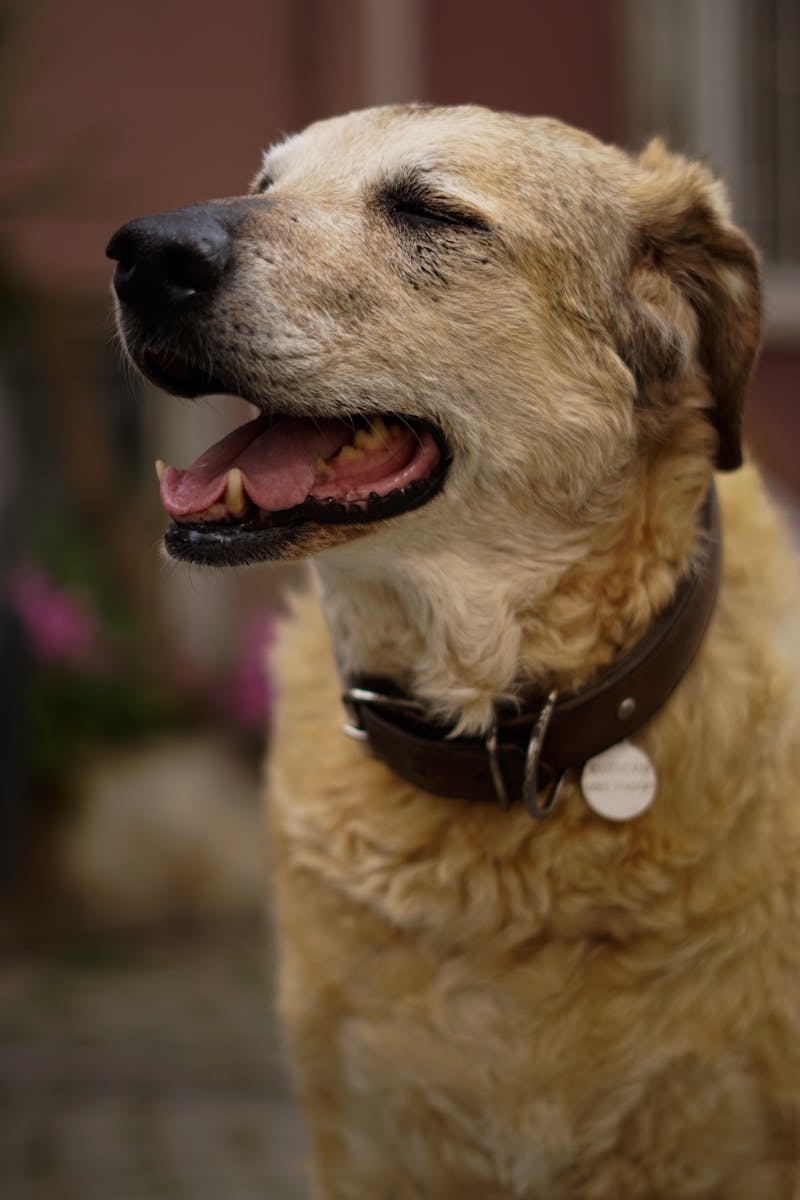
If you're searching for the best personalized dog collar for your four-legged companion, focus on safety, comfort, and clear identification above all else. Personalized collars—whether embroidered, engraved, or printed—make it easy to identify your dog quickly if they ever get lost. A great custom dog collar provides essential information, like your contact details and your dog's name, while also ensuring a secure and comfortable fit. This guide explains what to look for in a name collar, practical sizing strategies, and how to choose the right style for your dog's needs.
Why Choose a Personalized Dog Collar?
Customized dog collars offer more than just style. They combine identification with day-to-day utility, providing a reliable way to display your contact information directly on the collar itself. Unlike tags that can become detached over time, a personalized or engraved dog collar remains readable and attached, reducing the risk of your pet becoming unidentifiable if they wander off.
- Immediate Identification: Anyone who finds your dog can instantly see their name and your phone number.
- Durability: Embroidered or engraved details resist fading and won't fall off like tags.
- No Noise: Without dangling tags, these collars are quieter—no jingling as your dog moves.
Types of Personalized Dog Collars
There are several main types of custom identification collars, each with its own set of benefits and limitations. Understanding these helps you match a collar to your dog's lifestyle and your preferences.
Embroidered Name Collars
Embroidered collars feature your dog's name and contact details sewn directly into the webbing. This method offers high durability and a bold look, with lettering visible from a distance.
- Best for: Active dogs, owners wanting vibrant, easily readable text.
- Pros: Won't rub off; good color options; soft to the touch.
- Cons: Heavily soiled collars may fade over time; can be less refined in appearance for some tastes.
Engraved Buckle Collars
These name collars have a metal or durable plastic buckle with your information laser-engraved onto the clasp.
- Best for: Dogs who like to swim or get dirty (easy to clean), minimalist look.
- Pros: Extremely durable; text won’t wear off; suitable for delicate or thin neck fur.
- Cons: Smaller engraving space, sometimes lower contrast for light etching; only visible when viewing the buckle area.
Printed Custom Dog Collars
Some ID collars for dogs use permanent printing technology to display names and numbers along the entire surface. These can offer sharp graphics, colorful designs, and clear text.
- Best for: Owners who want bold colors, patterns, and highly legible text.
- Pros: Very customizable designs; great for fashion-forward dogs.
- Cons: Print can fade with strong detergents or exposure to sunlight over time; check for wash instructions.
Slide-On or Riveted Nameplates
Collars with metal or plastic nameplates attached (riveted or slide-on) combine the benefits of traditional tags with a secure attachment.
- Best for: Dogs prone to losing traditional tags; working or adventure dogs.
- Pros: Nameplates stay put; can hold more detailed info (address, medical needs, etc.).
- Cons: Nameplates can get scratched; placement may create slight stiffness on the collar.
Key Features to Consider in the Best Personalized Dog Collar
Shopping for the best personalized dog collar requires balancing identification, safety, durability, and comfort. Here are the details to consider before purchasing:
Material Quality
- Webbing: Durable nylon and polyester are popular—look for heavy-duty stitching. Soft-touch or padded lining is ideal for sensitive skin.
- Leather: Genuine leather offers a classic look and soft feel, but may require more maintenance and conditioning.
- Buckle Material: Metal is rugged and strong, while high-grade plastic can handle rain, mud, and snow without rusting.
Visibility of Engraving or Embroidery
- Choose contrasting thread or print colors for dogs with dark or light fur.
- Larger font size aids in fast identification—check preview options if available.
- Placement should be unobstructed by tags, D-rings, or hardware.
Comfort and Fit
- Rounded, softened edges prevent chafing for long-haired or thin-skinned dogs.
- Padded models are best for all-day wear or active dogs.
- Sizing adjustability ensures a secure yet comfortable fit (more on sizing below).
Safety Features
- Reflective stitching or materials boost nighttime visibility.
- Breakaway buckles—best for cats, but some small dog collars offer quick-release for safety.
- Secure D-ring for reliable leash attachment—ensure it’s firmly stitched and rustproof.
Amount of Personalization
- Standard personalization: Often just a name and one phone number.
- Deluxe options: Might include multiple numbers, addresses, or medical details.
- More is not always better—keep information clear and uncluttered for readability.
How to Choose the Right Size and Fit
A custom dog collar only works if it fits properly. Too loose, and your dog could slip out; too tight, and you risk discomfort or even choking. Here’s how to measure and adjust for the ideal fit.
Measuring Your Dog’s Neck
- Use a flexible measuring tape, or a string you can measure afterward.
- Wrap it around the base of your dog’s neck, where their collar normally sits.
- Allow two fingers to fit snugly between the collar and your dog’s neck—this is the ideal tightness.
Size Guide Table
| Collar Size | Neck Circumference | Typical Dog Breeds |
|---|---|---|
| XS | 8-12” | Toy breeds, Chihuahua, Yorkie |
| S | 11-15” | Pug, Jack Russell Terrier, Dachshund |
| M | 14-18” | Cocker Spaniel, Border Collie, Bulldog |
| L | 17-22” | Labrador, Golden Retriever, Boxer |
| XL | 20-26” | German Shepherd, Great Dane, Mastiff |
Always check the manufacturer’s sizing chart, as definitions vary between brands. If your dog’s neck measurement falls between sizes, size up for adjustability, but confirm a snug fit once the collar is on.
Personalization Options: What Information to Include
The information you choose for your dog’s ID collar affects how quickly and safely you can be reunited if they get lost. Here’s what most owners include:
- Dog’s Name: Makes your dog approachable if found, but some owners omit for privacy.
- Primary Phone Number: The fastest way for a finder to reach you.
- Secondary Number: Useful for family members if your phone is unavailable.
- Address or City: Helpful for determined finders, especially in suburban or rural areas.
- Critical Medical Info: “Needs Meds” or “Deaf” can alert rescuers to special needs—keep it brief.
Personalized Collars vs. Traditional Tags
Why bother with a personalized collar instead of just using an ID tag? Each has its own strengths and weaknesses. Here’s a quick comparison to guide your decision:
| Feature | Personalized Collar | ID Tag |
|---|---|---|
| Visibility | Instant—info readable on collar at a glance | May flip or be hidden in fur |
| Durability | Info is sewn/engraved on securely | Tags can fall off/rust/fade |
| Noise | Silent—no dangling tags | Jingling sound when pet moves |
| Information Space | Limited to collar space | Can use both sides of a tag |
| Style Options | Many colors/designs/fonts | Many tag shapes/materials |
| Replaceability | Usually requires buying a new collar | Easy to swap tags as needed |
Selection Checklist: Finding the Best Personalized Dog Collar
Before buying a custom collar, run through this checklist to make sure your choice ticks all the boxes:
- Is the collar made from durable, pet-safe materials?
- Can you clearly read the personalization from a few feet away?
- Does the collar fit within your dog’s exact neck measurements with adjustability for growth or coat changes?
- Is the buckle easy to open/close but secure for walks or runs?
- Does the collar have reinforced stitching or sealed ends to prevent fraying?
- Is there sufficient space for your required information?
- If needed, does the collar offer reflective features for low-light safety?
Care and Maintenance Tips
To keep your personalized dog collar looking crisp and lasting as long as possible, maintenance is important:
- Washing: Check if your collar is machine-washable or requires hand washing. Always air-dry.
- Inspect Often: Regularly check for fraying, weak spots, or faded engraving/print—replace as needed.
- For Leather: Use leather conditioners and avoid prolonged water exposure.
- Buckle Care: Make sure the buckle is secure and operates smoothly—clean away dirt or sand that may jam the mechanism.
Style and Color Considerations
Personalized dog collars come in a wide spectrum of styles. Choosing the right one isn’t just about aesthetics—it can impact visibility and safety:
- High-Contrast Colors: Make your dog’s name and number easy to read even on a moving dog.
- Patterns and Graphics: Reflect your dog’s personality or provide fun design options—just be sure they don’t obscure the text.
- Neutral Tones: Offer a timeless look, especially for formal events or public outings.
- Waterproof or Quick-Dry Models: Best for swimming, rain, or outdoor adventures.
Special Uses: Puppies, Seniors, and Medical Needs
Certain custom dog collars address specific life stages or health requirements:
- Puppies: Choose soft materials and ensure plenty of adjustability for fast-growing necks. Update info as needed.
- Seniors: Opt for lightweight collars and consider including medical information for aging dogs.
- Medical Needs: If your dog needs urgent medication or has allergies, engrave this information or use a brightly colored “medical alert” collar.
Making the Final Choice
The best personalized dog collar is the one that fits your dog well, stays legible through wild adventures, and gives you peace of mind about their safety. Prioritize durability, clear information, and comfort above trends or novelty features. Double-check your chosen product’s sizing specs and personalization options before finalizing your order, and regularly check that your dog's collar remains readable and secure.
Frequently Asked Questions
How do I clean a personalized dog collar?
Most nylon and polyester collars can be hand washed with mild soap and water, then air dried. Leather collars should be wiped with a damp cloth and treated with a leather conditioner. Always check care labels for specific instructions, especially with printed or embroidered name collars.
What details should I put on my dog's ID collar?
At minimum, include your phone number and your dog’s name. You can add an additional contact number, your city, or essential medical needs if space allows. Keep information clear and concise for quick identification.
How often should I replace a custom dog collar?
Check the collar every few months for signs of wear, fraying, or fading personalization. Replace it if the information becomes unclear or if the collar no longer fits properly due to weight changes, age, or coat growth.
Is a personalized collar enough, or does my dog need an ID tag too?
While a personalized collar is very effective, many owners use both a customized collar and an ID tag for backup in case one fails. This provides the best chance of a safe return if your dog gets lost.
Are engraved dog collars safe for all breeds?
Yes, engraved collars with securely fastened buckles are safe for all breeds, provided they fit well and don’t chafe the skin. Ensure buckles are smooth and that the engraved details are not sharp or abrasive against your dog’s neck.