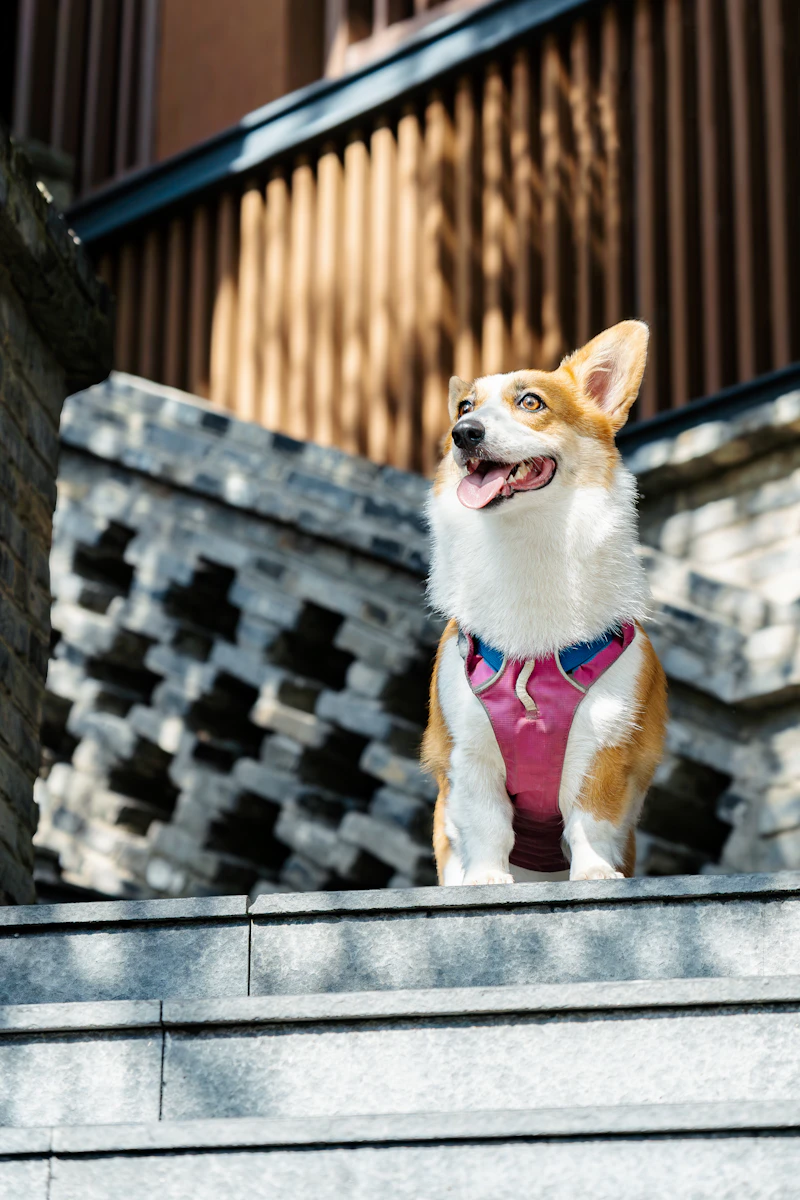
If you’re searching for the best no pull harness for a strong dog, you already know the daily struggle of leash pulling. A high-quality no pull dog harness with the right fit and features can transform walks from stressful to enjoyable—giving you control without restricting your dog's comfort or freedom of movement. In this comprehensive guide, we break down how no pull harnesses work, what makes a harness suitable for strong pullers, key features to look for, and practical sizing tips so you can confidently pick the best anti pull harness (the Rabbitgoo No-Pull Harness is a popular choice) for your powerful companion.
Why Dogs Pull and How No Pull Harnesses Help
Understanding canine behavior is key to managing pulling on walks. Most dogs pull because walking outside is exciting, and wearing standard collars (or even back-clip harnesses) often encourages this behavior, especially in strong breeds. A front clip harness or anti pull harness works by gently redirecting your dog’s forward motion back toward you when they lunge, rather than rewarding pulling with forward progress. This discourages pulling and helps teach better leash manners over time.
Types of No Pull Harnesses
- Front Clip Harness: The leash attaches at the chest, steering your dog back toward you if they pull. This is the go-to style for strong pullers.
- Dual Clip Harness: Offers both front and back attachment points—great for training and flexibility.
- Tightening Harness: Applies light pressure when your dog pulls. Use with care and proper fit, as comfort matters especially for strong or sensitive dogs.
Rabbitgoo No-Pull Harness
The Rabbitgoo No-Pull Harness is a go-to option for owners of strong pullers. Its 3M reflective material stands up to daily use, the front clip redirects pulling force naturally, and the four adjustable straps let you dial in a secure fit for barrel-chested breeds. It features 3M reflective Oxford material, front and back clips, and fully adjustable straps.
Check Price on Amazon As an affiliate, we may earn a small commission at no extra cost to you.Benefits of Using a No Pull Dog Harness
- Reduces pulling effort: Mechanical advantage means less strain on your hands, arms, and back.
- Prevents injuries: A good harness prevents throat and neck strain—vital for strong dogs prone to lunging.
- Improves training: Clear cues help dogs learn loose leash walking faster than with a collar or standard harness.
- Enhances safety and control: Especially important for large breeds or energetic dogs in busy environments.
Key Features of the Best No Pull Harness for Strong Dogs
Strong dogs have their own set of requirements when it comes to gear. Here are the most important things to compare and look for in an anti pull harness:
1. Sturdy Construction and Quality Materials
- Reinforced stitching: Double or triple-stitched seams prevent harnesses from giving way under tension.
- Heavy-duty hardware: Metal D-rings and robust buckles are a must; avoid thin plastics that might snap.
- Durable webbing: Thick nylon or polyester resists wear, fraying, and chewing.
2. Secure, Adjustable Fit
- Multiple adjustment points: At least 3–5 adjustment areas (neck, chest, girth) create a snug, tailored fit so dogs can’t slip out or get chafed.
- Padded chest and belly straps: Wider, padded sections spread pressure evenly to prevent discomfort or chafing during strong pulling.
- No “wiggle room”: The best no pull harness should fit close to the body without restricting movement.
3. Front and Dual Leash Clips
- Front clip (chest D-ring): Essential for anti pull action and redirecting motion.
- Optional back clip: Allows switching to regular walking or attaching an ID tag.
4. Escape Resistance
- High coverage: Look for designs with T-shaped or Y-shaped fronts and belly panels that resist backing out.
- Proper adjustability: Ensures the harness is difficult to slip over the dog’s head or under the chest.
5. Easy On and Off
- Quick-release buckles: Make putting on and taking off fast and hassle-free—crucial for energetic or impatient dogs.
- Step-in or over-the-head designs: Choose based on your dog’s tolerance and build.
6. Additional Features for Strong Pullers
- Lift/assist handle: Helps gain control in tricky situations or over obstacles.
- Reflective elements: Boost safety for evening or early morning walks.
- Breathable mesh panels: Prevent overheating, especially in large or double-coated dogs.
Sizing Guide: How to Get the Best No Pull Harness Fit
Ensuring your harness fits properly is just as crucial as choosing the right type. Here’s how to measure your dog and compare sizing options:
How to Measure Your Dog
- Girth: Measure around the widest part of your dog’s chest, just behind the front legs.
- Neck: Measure where a collar would naturally sit.
- Chest length: Some harnesses require a measurement from the breastbone to just behind the front legs.
Most manufacturers provide a sizing table based on girth and weight. If your dog is between sizes, size up for adjustability—but always check that it snugly fits at its smallest or largest setting, as needed.
Practical Fitting Tips
- You should be able to fit two fingers between the harness and your dog’s body, but no more.
- Ensure the chest strap isn’t too low on your dog’s front legs, which can restrict movement or cause rubbing.
- Adjust all straps each time you put the harness on—strong dogs may stretch straps over time, so check fit regularly.
Selection Checklist for Strong Dogs
- Is the construction robust enough to withstand repeated strong lunges?
- Does the design feature a front clip D-ring for anti pull control?
- Are there enough girth and neck adjustments to fit securely—without chafing or interfering with your dog’s gait?
- Are all buckles, rings, and webbing materials heavy-duty and well stitched?
- Will the harness stay on if your dog backs up (escape-proof design)?
- Does it accommodate your dog's breed and unique body shape (broad chest, deep shoulders, etc.)?
- Is it easy for you to put on and remove, even with an excited or wiggly dog?
- Are any bonus features (handle, reflective trim, extra padding) a good fit for your lifestyle?
Comparing Popular Harness Styles for Strong-Pulling Dogs
The best no pull harnesses for strong breeds often combine several of the above features. Here’s a practical look at common options:
| Harness Type | Best For | Anti-Pull Action | Ease of Use | Strength/Build Quality |
|---|---|---|---|---|
| Front Clip Harness | Strong pullers, leash training, daily walks | Excellent (steers dog sideways/back to handler) | Moderate – may require more sizing precision | Varies – seek reinforced hardware and webbing |
| Dual Clip Harness | Versatility (training + regular walks) | Great (front clip) + normal walking (back clip) | Easy—back clip when not training | Usually high—designed for active use |
| Tightening Harness | Very strong, persistent pullers (limited use) | Moderate—provides pressure feedback | Quick to put on | Check padding and hardware strength |
| Step-In Y-Harness | Dogs that hate over-the-head harnesses | Good (when equipped with front clip) | Very easy to use | Check for side slip/escape risk |
What to Expect When Using an Anti Pull Harness
Even with the best no pull harness, strong dogs often need additional training to walk politely on leash. A harness helps you manage strength and prevent pulling from being rewarding, but it doesn’t replace consistent leash-training techniques or positive reinforcement.
- Expect some initial resistance or awkwardness as your dog adjusts to the new walking dynamics.
- Pair the harness with reward-based training: reward calm, slack-leash walking.
- Gradually phase out the front clip once your dog reliably walks without pulling—some dual-clip harnesses are ideal for this transition.
Common Mistakes to Avoid With No Pull Harnesses
- Incorrect fit: The most frequent source of escapes or chafing. Review sizing and fitting regularly.
- Relying solely on equipment: A harness is a tool, not a cure-all. Combine with clear training for best results.
- Expecting instant results: Some dogs take time to adjust; consistency is key.
- Ignoring wear and tear: Strong dogs are tough on gear—replace harnesses at any sign of fraying, broken rings, or failing buckles.
Breed-Specific Advice: Harness Considerations for Popular Strong Pullers
Some strong breeds need special considerations when selecting a no pull dog harness. Here are tips for a few common types:
| Breed / Body Type | Harness Needs | Key Feature(s) |
|---|---|---|
| Boxers, Bully Breeds | Deep chest, muscular build | Wide chest plate, multiple girth adjustments |
| German Shepherds, Huskies | Heavy pullers, long-backed | Escape-proof, padded straps |
| Labradors, Retrievers | Energetic, variable girth | Front clip, dual adjustment points |
| Greyhounds, Sighthounds | Deep-chested, narrow waist | Y-shaped, snug around chest, extra escape-proof features |
| Small but Mighty | Compact, muscular (e.g., French Bulldogs) | Lightweight yet strong, non-restrictive patterns |
Tips for Strong Pullers: Harness Longevity and Maintenance
- Wash harnesses regularly according to manufacturer guidelines—built-up dirt weakens fibers over time.
- Inspect all stitching, rings, and buckles every few weeks.
- Rotate between two harnesses if your dog is an everyday adventurer (one to wear, one to wash/dry).
- Replace harnesses promptly if any part shows damage—strong dogs can break weakened equipment quickly.
Summary Checklist: Picking the Best No Pull Harness
- Choose a front or dual clip harness made from robust, durable materials.
- Look for multiple, secure points of adjustment for a snug, escape-proof fit.
- Ensure the harness is padded and contoured for your dog’s shape and size.
- Consider useful extras like handles, reflectivity, and breathable mesh for safety and comfort.
- Test the fit, adjust regularly, and combine harness use with positive training for lifelong loose-leash manners.
Frequently Asked Questions
What is the best no pull harness for a strong dog?
The best no pull harness for strong dogs is typically a front clip or dual clip harness made with reinforced stitching, heavy-duty buckles, and padded chest panels. It should have multiple adjustment points for a secure, escape-resistant fit. Always choose a harness designed for your dog's particular size and strength and check for durability in all hardware and materials.
How does a no pull dog harness work?
A no pull dog harness works by redirecting your dog's forward motion when they pull on the leash. The front leash attachment creates a steering effect, gently guiding the dog back toward you rather than letting them lunge ahead. This reduces pulling power and encourages better leash-walking habits.
Can any harness stop a strong dog from pulling completely?
No harness can stop pulling completely without training. The best no pull harness gives you more control and makes pulling less rewarding, but it should be used alongside leash training and positive reinforcement for the best long-term results—especially with strong, determined dogs.
How do I know if my dog's harness fits correctly?
A correctly fitted harness should be snug but not tight: you should be able to fit two fingers between the straps and your dog’s body. The harness shouldn’t restrict shoulder movement, ride up into your dog’s armpits, or slide around when your dog moves. Make adjustments regularly, especially if your dog is strong and energetic.
Are no pull dog harnesses safe for daily use?
Yes, quality no pull harnesses are safe for everyday walks if fitted properly and checked regularly for wear. Make sure the harness doesn’t cause rubbing or chafing, and always inspect for signs of damage or stretching. For strong pullers, reinforced hardware and padding can prevent injuries and ensure you have safe control.
What should I avoid when choosing a no pull harness for a strong dog?
Avoid harnesses with flimsy plastic buckles, thin straps, or minimal stitching—these are more likely to break under strain. Also steer clear of improperly fitting harnesses that your dog can slip out of, or designs that restrict healthy shoulder movement. Prioritize strength, padding, adjustability, and a secure fit for strong pulling dogs.