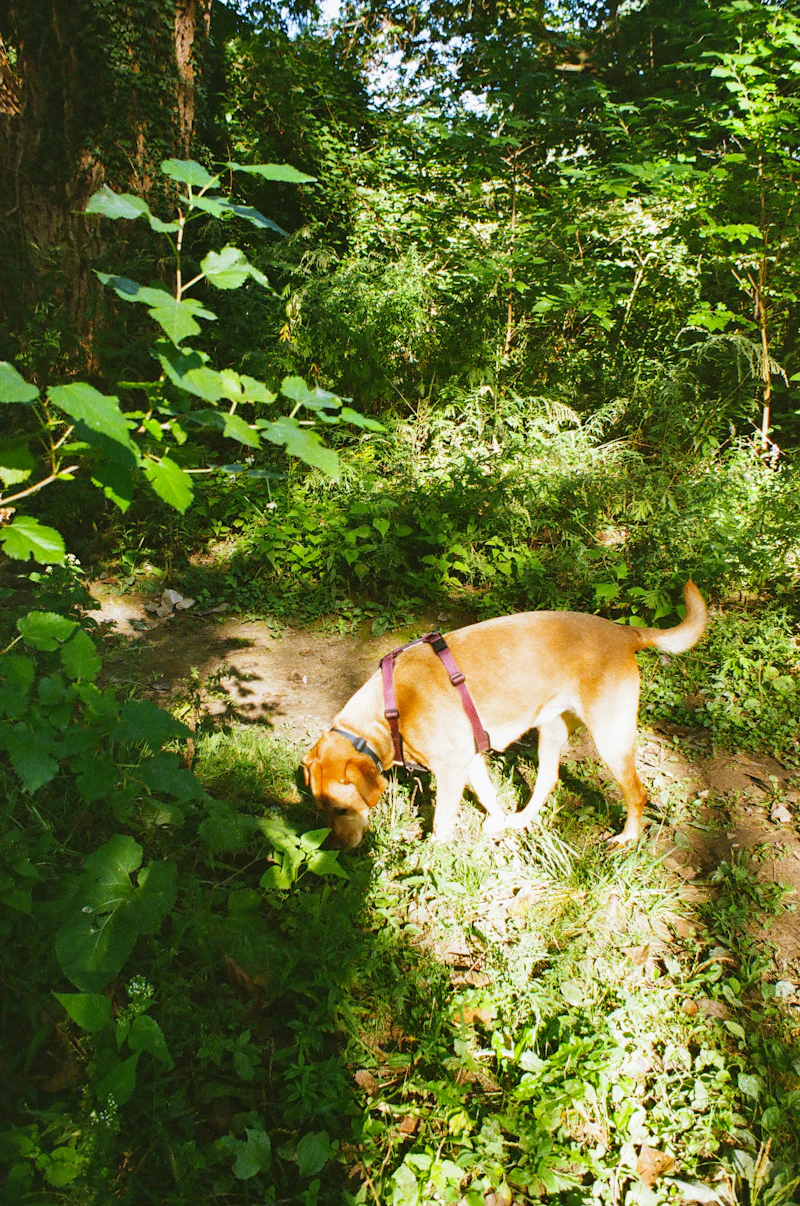
If you’re looking for the best long line for recall training, focus on safety, durability, manageability, and comfort for both you and your dog. Not all dog recall leashes are created equal—it’s crucial to choose a line that’s the right length, made from suitable materials, and easy to handle during real-world training sessions. This guide breaks down what to look for, how to choose the right long training leash for your dog’s needs, and tips for getting the most out of your 30 foot dog leash or other options.
Why Use a Long Line for Recall Training?
Recall training is all about teaching your dog to come when called, even when distractions abound. A long training leash enables freedom and exploration while keeping your dog safely under control. A quality long line bridges the gap between on-leash and off-leash reliability, making it a staple in the toolkit of anyone working on recall or wanting safer, more confident walks.
- Control: Maintain guidance and prevent your dog from bolting before recall is reliable.
- Safety: Reduce risk near roads, wildlife, or other dogs—especially in unfenced areas.
- Real World Practice: Simulate off-leash distance while staying tethered.
Whether you have a high-energy adolescent, a shy rescue, or a puppy just starting out, a well-chosen long line supports steady progress.
Key Features to Look for in the Best Long Line for Recall Training
The market is flooded with options labeled as dog recall leashes or long training leashes. Here’s how to assess them:
1. Material and Durability
- Webbing (Nylon or Polyester): Most common—strong, lightweight, and comes in many widths. Nylon is a bit softer, while polyester resists soaking and abrasion.
- Biothane: Waterproof, easy to clean, doesn’t pick up debris, and remains flexible in cold weather. Heavier than fabric webbing but highly durable.
- Cotton: Softer in hand, especially when wet. Tends to be heavier and less durable over time but can be a great budget choice.
- Rope: Similar to climbing rope—less prone to tangling, but can burn your hands during sudden pulls.
Prioritize tightly woven, chew-resistant options if your dog is a gnawer or will be in rugged terrain.
2. Length
Typical long line lengths are 15, 20, 30, 50, and even 100 feet. Here’s how to decide:
| Dog Size/Training Area | Recommended Length | Pros/Cons |
|---|---|---|
| Puppies, Urban Parks | 15-20 feet | Easier handling, less risk of getting tangled underfoot. |
| Medium – Large Dogs, Open Fields | 30 feet | Classic recall training length—good mix of freedom and control. |
| Advanced Training, Rural/Beaches | 50-100 feet | Maximal freedom; takes skill to use; easily tangles in brush/trees. |
Most recall trainers use a 30 foot dog leash for versatility—it’s long enough for real practice but not unwieldy.
3. Clip Style
- Bolt Snaps: Common, reliable, and easy to use with one hand.
- Trigger Snaps: Even more secure, stays closed under tension, slightly bulkier.
- Carabiners: Useful for very large or strong dogs. Make sure it locks tightly and isn’t too heavy for smaller dogs.
Choose a snap that matches your dog’s strength and collar/harness attachment.
4. Width and Weight
- Small dogs/puppies: 3/8" or 1/2" wide—lighter, less likely to trip them up.
- Medium dogs: 5/8" to 3/4"—balance of strength and flexibility.
- Large/powerful breeds: 3/4" to 1"—strong enough to resist tugs and chewing.
Biothane lines can be narrower than webbing for the same strength due to the material’s density.
5. Handle or No Handle?
Some long leashes have a loop handle at the end, while others are simply a straight line.
- With handle: Easier pickup, control in close quarters; risk of catching on brush when dragging.
- No handle: Won’t snag as easily in grass/woods; harder to grab at a moment’s notice.
Consider the environment—handles are helpful in open parks, less so in woods or heavy brush.
6. Visibility
- Bright colors (orange, yellow, neon green) are less likely to trip people and are easy to spot in grass or dirt.
- Reflective stitching or stripes boost safety for dawn, dusk, or low-light sessions.
Low-visibility (black, green) lines can get lost easily if dropped in dense cover.
7. Water Resistance
If you plan to train at the beach, near rivers, or in rainy climates, look for Biothane or quick-drying polyester. Cotton becomes heavy and mildew-prone when wet.
8. Tangle Resistance and Flexibility
- Flat webbing can be more prone to tangling but is easier to wrap or gather.
- Round rope glides well over rough terrain but can whip or coil suddenly.
Testing a leash’s flexibility and smoothness before committing to long sessions can prevent handling headaches.
Sizing Guide: Picking the Right Long Line for Your Dog
Selecting the best long line for recall training is about matching your dog’s size, strength, and your training space. Here’s a practical approach:
- Assess your dog’s size and habit: Small, light dogs don’t need a wide, heavy leash. Power chewers or strong pullers need robustness.
- Measure your environments: Are you mostly in parks, fields, woods, or beaches? Can a 30 foot dog leash move smoothly, or will a shorter/longer leash work better?
- Factor in your own comfort: If hand strength or arthritis is a concern, choose lighter materials and wider widths for easier grip.
- Consider tangle management: Practice coiling and uncoiling the leash before use; some wider leashes are easier to handle than thinner, whip-like lines.
Quick Sizing Reference Table
| Dog Weight | Recommended Width | Recommended Length |
|---|---|---|
| <15 lbs | 3/8" – 1/2" | 15-20 feet |
| 15-40 lbs | 1/2" – 5/8" | 20-30 feet |
| 40-75 lbs | 5/8" – 3/4" | 30-50 feet |
| 75 lbs+ | 3/4" – 1" | 30-50 feet |
Always check the leash’s rated strength relative to your dog’s typical pull (and the “surprise” factor if they bolt).
If you’re also selecting a harness for your young puppy or reviewing options for dogs that tend to pull on leash, check out our Best Harnesses for Puppies and Best No-Pull Dog Harnesses articles for compatible gear.
How to Use a Long Line Safely During Recall Training
Long lines can boost training success, but only when used thoughtfully. Here’s how to work safely:
Start Small
Begin in an enclosed space—even your backyard—before graduating to open areas. Let your dog drag the leash while under supervision, gradually extending distance as your dog shows progress.
Keep the Line Tangle-Free
- Use a “gather and release” technique: let out or gather slack smoothly instead of letting the entire length pool behind your dog.
- Stay alert for hazards (other dogs, trees, park benches) that could snag the leash.
- If you need more practice, check our tips in How to Choose a Leash for a Reactive Dog for safe handling in busy or unpredictable environments.
Train with Positive Reinforcement
A long training leash gives your dog space to explore, but you’ll reinforce coming when called with treats, toys, or play to make returning to you rewarding.
Don’t Wrap the Leash Around Your Hand
To avoid leash burns or injury, hold the leash with a loose loop, never wrapping it tightly. Thick, soft materials can help, but handling technique is key.
Stay Aware of Foot Placement
Long lines may get underfoot, especially with energetic dogs. Use bright colors and, if practicing with children, teach them to keep clear of the leash’s path.
Be Mindful of Other Park Users
Long leashes can trip people or surprise off-leash dogs. Train at quieter times or in less-trafficked spots until you and your dog are both confident with the system.
Store and Clean Properly
- Shake or wipe clean after use, especially if wet or muddy.
- Hang up to dry; avoid storing in tight coils that may trap moisture and mildew.
- Check for fraying, rust on hardware, and cracks before every training session.
Comparison Points: Biothane vs Webbing vs Rope
| Property | Biothane | Webbing | Rope |
|---|---|---|---|
| Waterproof | Yes | Usually not | Somewhat |
| Washable | Spray off | Machine/Hand Wash | Hand wash |
| Flexibility | Medium | High | High |
| Weight | Heavier | Light-Medium | Light-Medium |
| Visibility | Bright colors, some reflective | Varies | Limited |
| Chew Resistance | High | Medium | Medium |
| Cost | High | Low–Medium | Medium |
Your choice may depend on your climate, your dog’s habits, and how much you want to fuss with cleanup. Many trainers and dog sport enthusiasts gravitate toward Biothane for longevity, while webbing remains a go-to for affordability and ease of use.
Long Line Training Checklist
- Choose the right length and width (see above guides).
- Pair with a comfortable, no-choke harness for safety (review Best No-Pull Dog Harnesses for suitable choices).
- Pick a highly visible color for safety.
- Practice handling the leash without your dog to build muscle memory.
- Introduce the long leash in a calm, distraction-free environment.
- Reward successful recalls every time you call your dog.
- Gradually introduce real-world distractions.
- Inspect your line after every session for wear and tear.
When to Consider Other Leash Styles
While a long line is ideal for recall training, other leash types may be needed for daily walks or different training objectives. For example:
- Best Hands-Free Dog Leashes help with jogging or multitasking but aren’t suitable for recall practice at a distance.
- Best Head Halters for Dogs That Pull may aid control for strong pullers, but should always be used with supervision and not for dragging or running out on a long line.
Always pick the gear that suits your training goals, your dog’s needs, and your environment for the best—and safest—results.
Frequently Asked Questions
How long should a recall training line be?
Most trainers recommend a long line between 20 and 30 feet for recall training. This provides enough distance for real-world practice without being difficult to handle. You can go longer for advanced training in very open, safe spaces, but most pet owners find 30 feet is a practical maximum.
What is the best material for a long line?
Biothane is popular for its durability, waterproof qualities, and low maintenance. Nylon and polyester webbing are lightweight, affordable, and come in many colors. Rope lines can be less prone to tangling but may be harder on your hands. Choose based on your training environment, your dog’s strength, and your preferences for cleaning and storage.
Can I use a long line with a collar?
A long line is safest when attached to a harness, not a collar. Sudden stops or jerks on a collar can harm your dog’s neck, especially if they reach the end of the leash at speed. Select a well-fitting harness—preferably with a back clip—for long line training.
How do I prevent a long leash from getting tangled?
Practice smoothly gathering and releasing slack, and avoid letting the line drag through dense brush or obstacles. Using a flat, visible leash helps, and regularly check your surroundings to steer clear of tangles. With practice, handling a long line becomes second nature.
Are retractable leashes suitable for recall training?
No, retractable leashes aren’t recommended for recall training. They don’t offer reliable control, are prone to malfunction, and can be dangerous if the dog bolts to the end. Stick to a fixed-length long line to ensure safety and consistency during training.
When should I stop using the long line?
You can phase out the long line when your dog consistently returns on cue in all environments, even around distractions. Always assess your surroundings, and use the line as extra insurance until recall is truly proofed. Some owners keep a long line on hand for new places or as a safety backup.