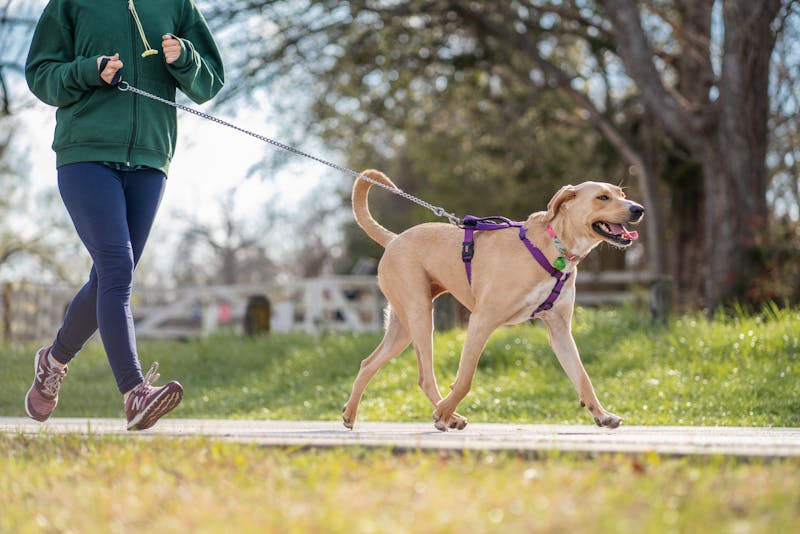
If you’re bringing home a new puppy, choosing the right harness is one of the first gear decisions you’ll make. The best harness for puppies is one that’s gentle on their growing bodies, adjustable enough to accommodate growth spurts, and easy for you to put on and take off. It should provide security without restricting movement, and make training easier. Here’s how to find the perfect puppy harness—plus, what makes some harnesses stand out for new dog parents.
What Makes a Great Puppy Harness?
Puppies are constantly exploring, learning leash manners, and growing fast. Their first harness needs to balance comfort, control, and safety. Here’s what to prioritize:
- Soft, lightweight materials: Gentle fabrics prevent chafing on sensitive puppy skin. Look for padded straps and breathable mesh, especially for small or delicate breeds.
- Adjustability: Pups grow quickly. Multiple points of adjustment ensure a snug fit at every stage. An adjustable puppy harness can often last through several months of growth.
- Secure closures: Sturdy buckles that are easy to fasten—but not so simple that a wriggly pup pops out—are essential. Consider side-release buckles or secure Velcro/wrap styles for easy on and off.
- No-pull/leash attachment points: For puppies learning not to pull, a front or dual leash attachment can help guide them without force or discomfort.
- Visibility: Bright colors or reflective trim offer extra safety for early training sessions outside, especially in low light.
Quick Checklist: Best Harness Features for Puppies
- Soft, non-abrasive lining and lightweight design
- Multiple adjustable straps for neck and chest
- Easy-to-use fasteners (buckles, Velcro, or step-in designs)
- No-pull or dual leash attachment options
- Secure, escape-proof fit
- Bright colors or reflective elements for visibility
Why Start Puppies with a Harness?
While collars are useful for ID tags, a harness is safer for leash training. Puppies have delicate necks, and pulling on a collar can lead to throat or trachea injuries. Harnesses distribute pressure across the chest and shoulders, protecting their health while giving you better control. For many, the first harness puppy wears becomes a positive association with walks and training.
Understanding Harness Types for Puppies
Puppy harnesses fall into a few main types, each with unique benefits:
Step-in Harnesses
Shaped like a figure-eight or “H,” these sit flat on the ground. Your pup steps into the openings, and you fasten over their back. They’re simple, quick, and avoid sliding over the head—a plus for shy or head-sensitive puppies.
Over-the-Head Harnesses
This classic harness slips over the pup’s head and buckles at the side or chest. Adjustment is usually easy and offers a secure, balanced fit. Look for extra padding on neck and chest straps to prevent rub marks.
Vest or Soft Harnesses
Wide, padded panels of fabric or mesh wrap around the chest and back, securing with Velcro and/or buckles. These are popular as a first harness puppy will wear, especially for toy breeds or sensitive skin. They offer even pressure distribution and usually feel “cozier” to a pup than thin webbing.
No-Pull or Training Harnesses
Designed for leash training, these feature a leash ring at the chest, back, or both. The chest D-ring lets you gently steer a pulling puppy back toward you without force.
Escape-Proof Harnesses
Some puppies are expert wigglers! If you have a particularly slinky or determined breed, look for models with extra body coverage or an extra belly strap to prevent slipping free.
How to Choose the Best Adjustable Puppy Harness
An adjustable puppy harness is a must for fast-growing pups. Here’s how to select the right one:
Key Sizing Factors
- Measure first: Use a soft tape to measure the widest part of your puppy’s chest (just behind the front legs) and around the lower neck.
- Check the size chart: Each harness brand may size differently. Always use the manufacturer’s guide and opt for a model with a wide adjustability range to last through growth.
- Try it on before buying (if possible): You should be able to fit two fingers snugly under any harness strap—no more, no less.
- Allow for growth: If your puppy is in-between sizes, size up and tighten as needed. Re-check the fit every week as they grow!
Puppy Harness Comparison Table
| Harness Type | Best For | Adjustability | Training Features | Ease of On/Off |
|---|---|---|---|---|
| Step-in | Shy puppies, quick walks | Moderate–High | Usually back clip | Very easy |
| Over-the-Head | Most puppies | High | Back and/or chest clip | Easy |
| Vest/Soft | Small breeds, comfort | Some are fully adjustable | Varies | Easy (Velcro/buckles) |
| No-Pull/Training | Puppies learning not to pull | High | Chest + back clips | Moderate |
| Escape-Proof | Determined or small breeds | High | Back clip | Less easy (extra straps) |
Step-by-Step: Fitting Your Puppy’s First Harness
Fitting the best harness for puppies isn’t just about size. The right fit ensures comfort and security for your dog’s first adventures. Here’s a step-by-step process:
- Introduce the harness gently: Let your puppy sniff and investigate the harness. Reward calm behavior with a treat.
- Adjust before putting it on: Loosen all straps so the harness slips on easily. Having the right size from the start saves stress later.
- Put on the harness: Depending on the style, guide your pup’s legs through, or slip gently over the head, then secure the straps/buckles.
- Fine-tune the fit: Tighten straps so you can fit two fingers flat against your puppy’s body under each strap—no tighter or looser. Watch for rubbing at the armpits, chest, or shoulders.
- Walk around and check again: Let your pup walk around the house or yard. Ensure the harness doesn’t rub, sag, or restrict movement. Readjust as needed.
- Supervise and recheck: Puppies grow fast and squirm during walks! Inspect and adjust the fit weekly, especially after growth spurts.
Signs of a Well-Fitted Harness
- The harness sits snug against the body with no pinching.
- No part of the harness covers the throat or digs into the armpits.
- The puppy can walk, run, and play normally without restriction.
- There’s minimal wiggle room—just enough for two fingers under the straps.
What to Avoid in a Puppy Harness
New dog owners sometimes choose the wrong harness by focusing on looks over function. Here are common pitfalls:
- Heavy or stiff material: Cheaper harnesses may use plastic or unlined webbing, which can dig into soft puppy skin and be uncomfortable.
- Fixed sizing with little adjustability: If the straps can’t be tightened or loosened enough, you’ll likely need to buy another harness within weeks.
- Overly complicated buckles or too many straps: Puppies have short attention spans, so gear that takes more than a few seconds to secure is frustrating for both of you.
- Decorative hardware or dangling parts: Puppies chew almost everything, so steer clear of harnesses with tempting tags or loose rings they can gnaw or swallow.
Best Practices for Harness Training Your Puppy
Getting your puppy used to their new harness takes patience. Here is a beginner-friendly approach:
- Make it positive: Use treats and praise when introducing the harness. Let your puppy wear it indoors for short sessions at first.
- Gradually extend use: Once comfortable, add the leash and practice gentle walking around the house before venturing outside.
- Monitor for signs of discomfort: Scratching at the harness, biting straps, or refusing to walk may mean an adjustment is needed. Take breaks if your puppy seems frustrated.
- Stick to a routine: Harness and leash time become predictable cues for fun walks, making future gear use easy and stress-free.
Puppy Harness Training Checklist
- Reward calm behavior before, during, and after putting on the harness
- Start with short, positive sessions indoors
- Transition to outdoor walks in quiet areas
- Check harness fit and comfort regularly
- Keep sessions short and fun for young puppies
Key Features to Look for by Puppy Size and Breed
Different breeds and sizes need special consideration. Here’s what to prioritize, whether your puppy is tiny or large:
Small and Toy Breeds
- Ultra-lightweight, padded harnesses: Prevents pressure points on fragile bodies.
- Secure yet gentle closures: Multiple attachment points or wide Velcro helps distribute force if your pup lunges or wriggles.
- Snug fit: Avoids risk of slipping out.
Medium & Large Breeds
- Stronger buckles and wider straps: Withstand heavier pulling forces.
- Room for growth: Choose a harness with wide adjustable ranges to delay needing a replacement during growth spurts.
- No-pull features: Puppies with more strength benefit from dual leash attachment points for easier training.
Curvy, Deep-Chested, or Short-Nosed Breeds
- Adjustable belly and chest straps: Allows a customized fit for breeds like French Bulldogs or Dachshunds.
- Wide, padded chest panel: Spreads pressure over a larger area for comfort.
How to Clean and Maintain a Puppy Harness
Puppies love to get dirty! Keeping your harness clean not only extends its life, but prevents skin irritation. Here’s a simple care guide:
- Check the harness regularly for signs of wear, loose stitches, or damaged buckles. Replace if you see fraying or broken parts.
- Most soft harnesses can be hand-washed in mild, pet-safe detergent. Rinse thoroughly and air-dry.
- If machine washing is allowed, use a lingerie bag and wash on gentle, with straps secured to prevent tangles.
- Never store a wet harness; it can develop mold or cause skin issues for your puppy.
- Brush off sand, dirt, or excess fur after every walk, especially in folds or padding.
Signs It’s Time to Replace or Upgrade
- Your puppy has outgrown all adjustment ranges (straps maxed out, harness pinches)
- The material is frayed, chewed, or the buckles do not close securely
- Your puppy is able to slip out or escape, even with proper fit
- You’re transitioning from short walks to longer, more active outdoor adventures and need added visibility or features
Summary: The Best Harness for Puppies is All About Fit and Comfort
While style and color are fun, the top priority should always be a proper fit, gentle materials, and adjustability to help your puppy grow and learn with confidence. Don’t worry if you need to swap harnesses as your puppy grows—choosing the right adjustable puppy harness now makes walks safer and more enjoyable for both of you.
Remember, the best harness for puppies is the one your dog is comfortable and safe wearing, supports healthy development, and makes every walk an opportunity to learn and bond.
Frequently Asked Questions
When should I start using a harness for my puppy?
You can start using a harness as soon as your puppy comes home and fits into their harness, typically around 8-10 weeks of age. Early introduction helps your puppy get used to gear and makes leash training smoother.
How do I know if my puppy's harness fits correctly?
A properly fitting harness will allow you to fit two flat fingers between the harness and your puppy’s body. It should be snug without pinching, and your puppy should move freely without rubbing or restriction.
Can puppies wear their harness all day?
Puppies should only wear their harness during walks, play, or supervised training sessions. Remove the harness when your puppy is unsupervised or resting to avoid chafing and let their skin breathe.
What if my puppy chews on their harness?
Many puppies nibble on harness straps out of curiosity or teething. Redirect them with a chew toy and remove the harness if necessary. Regularly check for damage and replace the harness if any parts are chewed through.
Should I choose a harness or a collar for my puppy's first walks?
A harness is generally safer and more comfortable for leash training, as it avoids pressure on your puppy’s neck. Collars are useful for holding ID tags but should not be used for leash walking with young puppies.
How often should I adjust my puppy's harness?
Puppies grow quickly. Check and adjust the fit of your puppy's harness every week, or whenever you notice a growth spurt, to make sure it's always comfortable and secure.