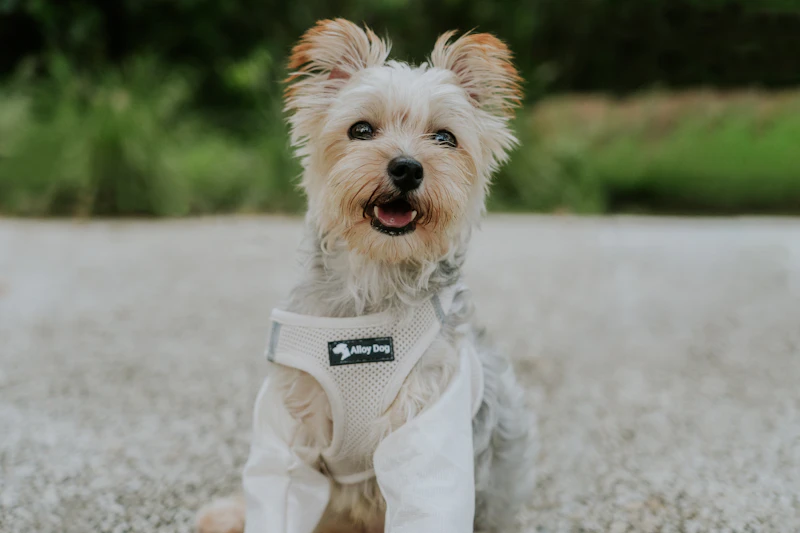
Choosing the best harness for dachshunds is an essential step for owners looking to ensure comfort, safety, and control during walks. Dachshunds, with their unique long bodies and short legs, require a harness that's carefully selected to protect their back, distribute pressure evenly, and accommodate their spirited personalities. This guide covers key features, what to look for in a dachshund harness, practical sizing advice, and tips for helping your wiener dog enjoy walks with a well-fitted, supportive harness.
Why Dachshunds Need Special Harnesses
Dachshunds aren't shaped like the average dog: their distinctive long torso and small chest mean a standard harness can cause discomfort, restrict movement, or even increase the risk of injury if it doesn't fit properly. Because they're prone to back issues such as intervertebral disc disease (IVDD), a well-engineered wiener dog harness can help reduce strain on the spine and neck by distributing force across the chest and shoulders, not the throat or mid-back. That's why choosing a long body dog harness made specifically for dachshunds is not only about looks—it’s about health and safety too.
Key Features to Look for in the Best Harness for Dachshunds
A good dachshund harness goes beyond just fitting snugly. Here are the primary features to consider:
- Longer Body Coverage: Harnesses that reach farther down the back without impeding movement help distribute pressure and support the spine.
- Y-shaped or Vest Design: These shapes wrap around the chest and shoulders, steering clear of the delicate neck and fitting better to a dachshund’s body shape.
- Soft Padding: Padding around the chest and belly reduces chafing and ensures comfort for walks of any length.
- Adjustability: Look for harnesses with several adjustable straps around the neck, chest, and sometimes front legs, to get a snug but flexible fit.
- Secure Fastenings: Durable buckles and clips should keep the harness in place without pinching or slipping, even for active dachshunds.
- No-Pull Option: Some harnesses offer a front clip for leash attachment, helping train dogs that pull while keeping neck strain minimal.
- Breathable Materials: Lightweight mesh or fabric keeps your dog cool and avoids excessive sweating or irritation under the harness.
- Easy On/Off: Dachshunds can be squirmy, so quick-release buckles or step-in designs can make getting the harness on and off much easier.
- Reflective Elements: Strips or stitching can increase visibility, which is beneficial for evening or early morning outings.
Selection Criteria: What Matters Most for Wiener Dog Harnesses
Narrowing down the best harness for dachshunds involves careful examination of your dog’s needs and lifestyle. Consider these critical selection criteria:
- Activity Level: Active dachshunds may need a harness with reinforced stitching and a snugger fit, while more laid-back pups might do well with a simple, padded vest.
- Walking Style: If your dachshund likes to pull, prioritize a harness with a front leash clip designed for no-pull training. For calm walkers, back-clip harnesses are often sufficient.
- Escape Artist? Some dachshunds are excellent at wriggling out of harnesses; a design with a higher neck or an extra belly strap can prevent breakouts.
- Medical Needs: For dogs with IVDD or back sensitivity, seek out harnesses that specifically avoid mid-back pressure and offer full chest support.
- Ease of Cleaning: Adventure-loving wiener dogs will get dirty—choose machine-washable or easy-to-clean harnesses for convenience.
- Style and Personality: While aesthetics aren’t as important as comfort, fun patterns and colors can express your dog’s personality—and make spotting them at the park easier!
Fitting and Sizing: Getting the Perfect Long Body Dog Harness
Proper fit is critical for both safety and comfort. Even the best harness for dachshunds won’t do its job if it’s the wrong size. Here’s how to size a dachshund harness correctly:
Measure Your Dachshund
- Neck circumference: Measure around the base of the neck, where a collar would naturally sit.
- Chest girth: Measure the widest part of the chest, typically just behind the front legs.
- Body length: For longer harness styles, measure from the base of the neck to the base of the tail to ensure adequate coverage.
Use a soft tape measure and check that two fingers fit comfortably under the tape against your dog's body for each measurement.
Sizing Guide Table for Dachshund Harnesses
| Measurement | Mini Dachshund | Standard Dachshund |
|---|---|---|
| Neck (inches) | 8 – 10 | 10 – 14 |
| Chest Girth (inches) | 12 – 16 | 15 – 20 |
| Body Length (inches) | 10 – 13 | 14 – 17 |
| Harness Size | XS – S | S – M |
Always check the manufacturer’s sizing chart, as harness design and fit can vary. If your dachshund is between sizes, choose the one with more adjustability for a secure, tailored fit.
Signs of a Good (and Bad) Fit
- Good Fit: Snug around the chest without causing pinching or restricting movement. The harness shouldn’t slide down the dog’s legs or over the shoulders.
- Bad Fit: Gaps, twisting or loose sections, or an inability to insert two fingers between the harness and your dog’s body. Redness, hair loss, or chafing are signals to try another size or design.
Types of Harnesses Suitable for Dachshunds
The best type of harness for your dachshund may differ depending on lifestyle and needs. Here are common styles:
Step-In Harnesses
These harnesses are placed on the ground for your dachshund to step into, then fastened on top. They are easy to use, distribute pressure across the chest, and avoid tricky maneuvers for squirmy pups. Step-in harnesses are a practical choice, especially for dogs who dislike collars slipping over their heads.
Vest-Style Harnesses
Vest harnesses wrap your dog in a secure, padded vest that closes with Velcro and/or buckles. Their construction typically envelops more of the chest and sometimes the midsection, offering extra support—a big plus for long-bodied breeds susceptible to back problems.
Y-Shape or H-Style Harnesses
Harnesses shaped like a ‘Y’ or ‘H’ in the front sit over the sternum and distribute pressure evenly across the shoulders. These designs typically offer more freedom of movement for wiener dogs while maintaining security and minimizing risk to the neck and back.
No-Pull Harnesses
No-pull harnesses feature a leash attachment at the front of the chest to discourage pulling. This is beneficial for dachshunds with a tendency to lead the walk. Just ensure the front strap isn’t too restrictive; it should steer, not squeeze.
Checklist: What to Prioritize for Your Dachshund’s Harness
- Choose a design built for long-bodied dogs with a deep chest and narrow neck
- Double-check adjustability—ideally, at least three points (neck, chest, belly)
- Padded chest and belly sections to reduce chafing
- Wide, soft straps for better weight distribution
- Robust materials and stitching for durability, particularly if your dog is active
- Quick-release buckles for easy on/off
- Breathable fabrics, especially for warm climates
- Reflective features for visibility
- Machine washability for convenience
Comparison Points: Features to Weigh Before You Buy
| Feature | Why It Matters | Good For |
|---|---|---|
| Body Coverage | Even pressure distribution, spine protection | Dachshunds with IVDD or back issues |
| No-Pull Clip (Front) | Helps redirect pulling, trains better manners | Puppies, strong or headstrong dachshunds |
| Padded Belly & Chest | Prevents rubbing, increases comfort | Daily walkers, sensitive skin |
| Escape-Proof Design | Added security for wriggly dogs | Nervous, energetic, or resourceful escape artists |
| Adjustable Straps | Ensures snug, custom fit through growth or weight change | Puppies, dogs in between standard sizes |
| Breathable / Lightweight | Keeps dog cool, reduces irritation for daily use | Active, outdoor-loving dachshunds |
Tips for Introducing a New Harness to Your Dachshund
- Let your dachshund sniff and investigate the harness before putting it on.
- Reward calm interest with treats or praise to build a positive association.
- Put the harness on for short periods indoors at first, then gradually increase time and transition to walks.
- Check for signs of rubbing or discomfort after the first few outings and adjust as needed.
- Never leave the harness on unsupervised to avoid chewing or snagging.
Common Mistakes When Choosing a Dachshund Harness
- Using a generic dog harness designed for other breeds—fit is crucial for back health.
- Choosing based solely on chest girth—length and neck fit matter too.
- Ignoring adjustability—poorly adjustable harnesses can slip off or cause chafing.
- Forgoing padding—this can lead to irritation, particularly under the armpits and belly where dachshunds are prone to wear.
- Overlooking the ease of use—complex harnesses can make daily walks frustrating for both you and your dog.
The Benefits of Using the Right Harness for Your Dachshund
- Reduces risk of neck and back injury by eliminating throat pressure and spreading force across the chest
- Minimizes pulling-related issues and supports loose-leash training
- Provides security without restricting natural movement, important for active or anxious dogs
- Increases your peace of mind, knowing your wiener dog is both safe and comfortable
- Encourages bonding and enjoyment of walk time for both you and your dog
When to Upgrade or Replace Your Dachshund’s Harness
Inspect your harness regularly. If you spot fraying, weakened buckles, lost adjustability, or if your dachshund has gained or lost weight, it’s time to replace or upgrade. Puppies may need new harnesses every few months as they grow. Adult dogs typically need a harness replaced every 6-18 months, depending on activity and wear.
Frequently Asked Questions
How do I know if a harness fits my dachshund correctly?
The harness should be snug but not tight. You should be able to fit two fingers between the harness and your dog's body. The harness shouldn’t rub, restrict movement, or slide around when your dachshund walks or wiggles.
Can I use a standard small dog harness for my dachshund?
Standard harnesses don’t usually accommodate the long back and deep chest of a dachshund, which can lead to poor fit or discomfort. A harness designed for long-bodied breeds is much safer and more comfortable.
Are no-pull harnesses good for dachshunds?
Yes, as long as the no-pull harness is well-fitting and has a front leash attachment that doesn’t pressure the neck. These are especially useful for dachshunds that pull during walks.
Should I leave my dachshund's harness on all day?
It’s best to take the harness off when not walking or supervising your dog. Prolonged wear can cause chafing or matting, and unsupervised wear increases risk of chewing or snagging.
What if my dachshund keeps slipping out of its harness?
Try an escape-proof design with extra adjustment or a harness with an extra belly strap. Double-check the fit around the neck and chest, and avoid harnesses that are too loose or designed for square-bodied dogs.
How often should I replace my dachshund’s harness?
Replace the harness if you see signs of wear, if it loses its fit, or if your dachshund’s size changes. On average, active dogs need a new harness every year for optimal safety and comfort.