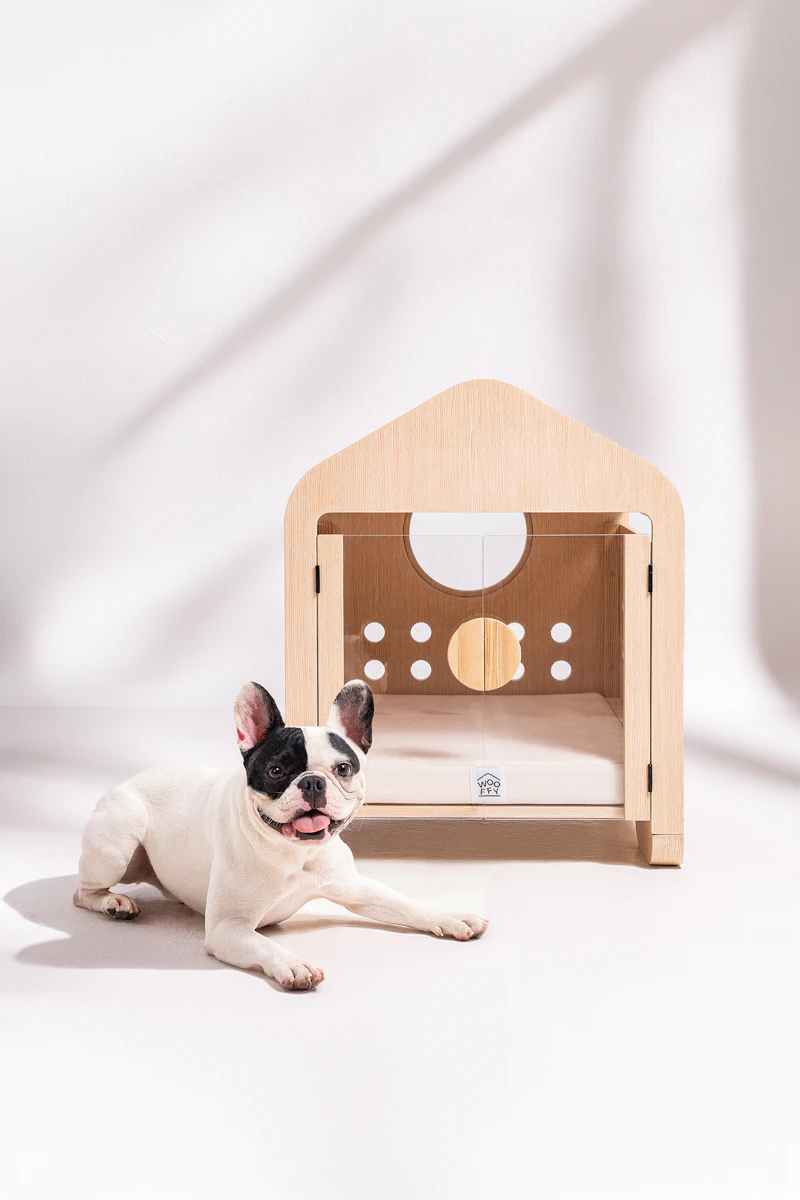
Looking for the best furniture-style dog crate? The quick answer: these multi-functional crates offer a secure, comfortable space for your dog while blending with your home decor. Instead of a clunky wire box, today’s decorative dog crate options act as stylish end tables, credenzas, or nightstands. To choose the right one, pay close attention to sizing, build materials, safety features, and how well the crate fits your living space and your dog's needs.
Why Choose a Furniture-Style Dog Crate?
Traditional dog crates often look out of place, taking up precious floor space and clashing with furniture. Furniture-style dog crates—sometimes called decorative dog crates or dog crate end tables—solve this problem. They’re designed to serve dual purposes:
- Blend in as real furniture: These crates look like side tables, benches, or console tables, making them suitable for your living room, bedroom, or office.
- Maximize space: Many designs provide extra surface area for lamps, books, or décor items—perfect for smaller homes or apartments.
- Provide comfort and security: A well-designed aesthetic crate gives your dog a cozy den while supporting your home's style.
If you want your dog's crate to look like it belongs, not just function as a kennel, furniture-style options are worth considering.
Types of Furniture-Style Dog Crates
An "aesthetic crate" comes in several forms, each offering different benefits. The main types include:
- End Table Dog Crates: Usually placed beside a sofa or bed, these double as side tables for lamps, drinks, or books.
- Credenza or Console Dog Crates: Wider and often with extra storage space, these can replace a TV stand or entryway table.
- Bench Dog Crates: Designed for seating, bench crates are ideal for entries, mudrooms, or reading nooks and support weight on top.
All styles focus on integrating seamlessly with your home's decor while still being practical as a dog kennel.
Key Materials and Build Quality
Material affects the look, durability, and cleaning ease of a decorative dog crate. Here are the main materials you’ll encounter:
- Wood or Wood Composite: Most common for aesthetic crates. Solid wood is stronger and more durable, while composite or MDF is more affordable. Watch for strong finishes that resist scratches and moisture.
- Metal or Steel Bars: Incorporated into the sides or doors for airflow and security. Powder-coated steel is preferred for strength and resistance to chewing or damage.
- Plastic or Acrylic: Less common, but lightweight and sometimes used for sleek, modern designs or slightly more budget-friendly models.
Whichever you choose, check for smooth edges and non-toxic finishes. Also, make sure the crate can support whatever you’ll place on top—especially if you’ll use it as a bench or table.
Assessment Checklist: Build Quality Matters
- Inspect joints: Screws, dowels, or metal brackets at the corners indicate sturdier construction than glue alone.
- Look for sturdy doors: Hinges and latches should operate smoothly and feel secure, not flimsy or rattly.
- Check weight ratings: Especially for bench-style or console crates—verify the surface safely holds what you’ll use it for.
- Consider ventilation: Bars or cut-outs should be spaced for airflow, but not wide enough for paws or snouts to get stuck.
Sizing Guide: How to Choose the Right Fit
Choosing the correct size is crucial for your dog’s comfort and the crate’s utility as furniture. Too small, and your dog can’t relax. Too large, and it wastes floor space and loses its cozy “den” feel.
Measuring Your Dog
- Length: Measure your dog from nose to base of tail. Add 2-4 inches so they can stretch out comfortably.
- Height: Measure your dog from the floor to the top of their head or ears (whichever is taller). Add 2-4 inches to allow for sitting or standing.
- Weight: Most furniture-style crates have weight guidelines; check to ensure your dog is within limits.
Choosing a Crate Size
| Dog Size (Weight) | Length of Dog | Recommended Crate (Interior) Size | Common Breeds |
|---|---|---|---|
| Up to 20 lbs | Up to 18" | 24"L x 18"W x 19"H | Shih Tzu, Dachshund, Pug |
| 20-40 lbs | 18"-24" | 30"L x 21"W x 24"H | Cocker Spaniel, Beagle |
| 40-70 lbs | 24"-32" | 36"L x 24"W x 27"H | Border Collie, Bulldog |
| 70-90 lbs | 32"-38" | 42"L x 28"W x 31"H | Golden Retriever, Labrador |
| 90+ lbs | 38" and up | 48"L x 30"W x 33"H (few furniture crates this size) | German Shepherd, Great Dane |
Always verify the interior dimensions of any crate you’re considering, as exterior sizes may be larger due to the furniture design.
Will It Fit My Space?
- Measure the spot in your room where the crate will go.
- Double-check the depth, width, and height of the furniture-style crate (including overhangs or raised legs).
- Ensure you’ll have room to open the door and for your dog to enter/exit comfortably.
Key Features and What to Look For
The best furniture style dog crate balances function and form. As you compare options, prioritize these features:
Entry and Accessibility
- Door Location: Some crates have front-opening doors, others feature dual doors, or side access. Pick based on room layout and where you’ll place the crate.
- Hinge Quality: Hinges and latches should be metal and feel secure. Magnetic closures are handy but may not hold strong chewers.
- Low Sill: For older dogs or smaller breeds, ensure there’s no high bar to trip over when entering.
Top Surface Utility
- Weight Capacity: Surface should hold anything you’ll realistically set on it—lamps, small TV, stacks of books, or seating weight in the case of bench crates.
- Finish Durability: Look for scratch- and water-resistant coatings to deal with spills or plant pots.
Aesthetic Compatibility
- Style: Choose from classic wood tones, modern whites, or sleek metals to match your furniture.
- Details: Paneling, molding, or legs can affect whether a crate reads as farmhouse, modern, or traditional.
- Hardware: Some come with decorative knobs or handles; consider these small details if you want a true furniture match.
Security and Durability
- Bar Spacing: Ensure bars are close enough to keep paws and snouts safe but allow visibility and airflow.
- Latch Type: Secure slide-bolts or lockable latches are better for escape artists; basic magnetic latches are easier for laidback dogs.
- Chew-Resistance: Heavy chewers may need a crate with thicker metal bars and minimal exposed wood edges.
Ease of Cleaning
- Removable Tray or Floor: Some crates have a pull-out tray for easy cleaning of accidents or shedding.
- Accessible Surfaces: Look for open areas you can reach into with a vacuum or spray cleaner.
- Moisture Resistance: Waterproof or sealed finishes protect the wood or fiberboard from spills and cleaning products.
Who Should and Shouldn’t Use Furniture-Style Dog Crates
Furniture-style dog crates work very well for:
- Calm, crate-trained adult dogs
- Small to medium breeds (since large crates are uncommon and extremely bulky)
- People who want a multi-use piece of furniture in living areas
- Dogs who don't chew excessively or try to escape
They’re not suited for:
- Puppies in the throes of teething or chew-heavy dogs—many decorative dog crates aren’t built to withstand heavy chewing
- Dogs with separation anxiety or escape tendencies—these usually require reinforced wire or heavy-duty crates
- Large and extra-large breeds, unless you have a big enough space and can find one size-appropriate
Style and Decor Considerations
Furniture-style dog crates come in many colors, finishes, and silhouettes. Here’s how to make a good selection for your home:
- Match Current Furniture: Choose a crate that matches your existing wood tones or paint finishes for the most seamless look.
- Go Neutral for Flexibility: White, black, or soft gray crates are easiest to incorporate if you change furniture later.
- Select by Room Function:
- Living room: End table crates with storage shelves for remotes or books
- Bedroom: Crates that double as nightstands or accent tables
- Entry/mudroom: Bench-style crates for seating and storage
- Avoid overly ornate designs unless it fits your style—simple, clean crate lines are least likely to look dated as trends change.
How to Set Up and Maintain a Furniture-Style Dog Crate
Once you have your new crate, it’s important to set it up safely and maintain it so it both looks good and keeps your dog comfortable.
Setting Up
- Place the crate in a well-ventilated area away from direct sunlight or heat sources.
- Double-check that the crate is on a stable surface and doesn’t wobble—it should sit flat, especially if you’ll use the top for storage.
- Add a comfortable crate mat or bed that fits snugly inside.
- Keep cables, plants, or breakables away from edges where your dog might reach from inside.
- Check that all screws or fasteners are tight, especially after moving or assembling the crate.
Cleaning and Upkeep
- Wipe surfaces weekly with a damp microfiber cloth; use a gentle cleaner if needed, but avoid harsh chemicals on wood or MDF.
- Vacuum or shake out bedding to remove fur and dirt.
- Periodically inspect for loose hardware, splinters, or areas of chewing.
- Treat minor scratches with furniture touch-up markers or furniture oil as appropriate for the finish.
Choosing the Best Furniture Style Dog Crate for Your Dog: Step-by-Step
- List your requirements (dog’s size, crate location, furniture needs).
- Measure your dog and the crate placement spot.
- Identify your preferred aesthetic (wood color, metal accents, modern/traditional design).
- Review crate durability and safety (bars, latches, strength).
- Check cleaning features and functionality.
- Compare weight ratings and top-use potential.
- Look for reviews or testimonials about build quality and day-to-day use (when available).
Often, the best approach is to prioritize your dog’s comfort and safety, then narrow your options according to style, price, and features that fit your space and lifestyle.
Frequently Asked Questions
Are furniture-style dog crates safe for all dogs?
Furniture-style dog crates are safe for calm, crate-trained dogs who don’t chew excessively or attempt to escape. For aggressive chewers or highly anxious dogs, a traditional heavy-duty crate may be a safer choice. Always inspect the crate for secure latches and sturdy bars.
What is the best way to size a dog for a furniture-style crate?
Measure your dog's length (nose to base of tail) and height (floor to head or ears), then add 2-4 inches to each dimension. Check the interior dimensions of any crate you’re considering to ensure your dog can stand, turn around, and lie down comfortably.
Can a dog crate end table support the weight of people or heavy objects?
Some bench-style and credenza-style crates are designed for sitting or holding heavier items, but always check the manufacturer's listed weight limit. End table crates typically support normal lamp or décor weight but not heavy loads or multiple people.
How do I clean an aesthetic dog crate?
Dust weekly and wipe with a damp cloth. Use mild, pet-safe cleaning products for tougher messes. Some crates have removable trays or floors for easier cleaning. Avoid soaking wood or MDF as it can swell or warp.
Will a furniture-style crate help my dog’s anxiety?
If your dog finds comfort in a cozy, den-like space, a crate can help reduce anxiety—but it’s most effective for dogs who are already positively crate-trained. For severe anxiety, consult a professional trainer or behaviorist for additional support.
Are furniture-style dog crates easy to assemble?
Most come flat-packed and require basic assembly with included tools. Following the instructions carefully is important for structural integrity and safety. Enlist an extra set of hands for larger crates.