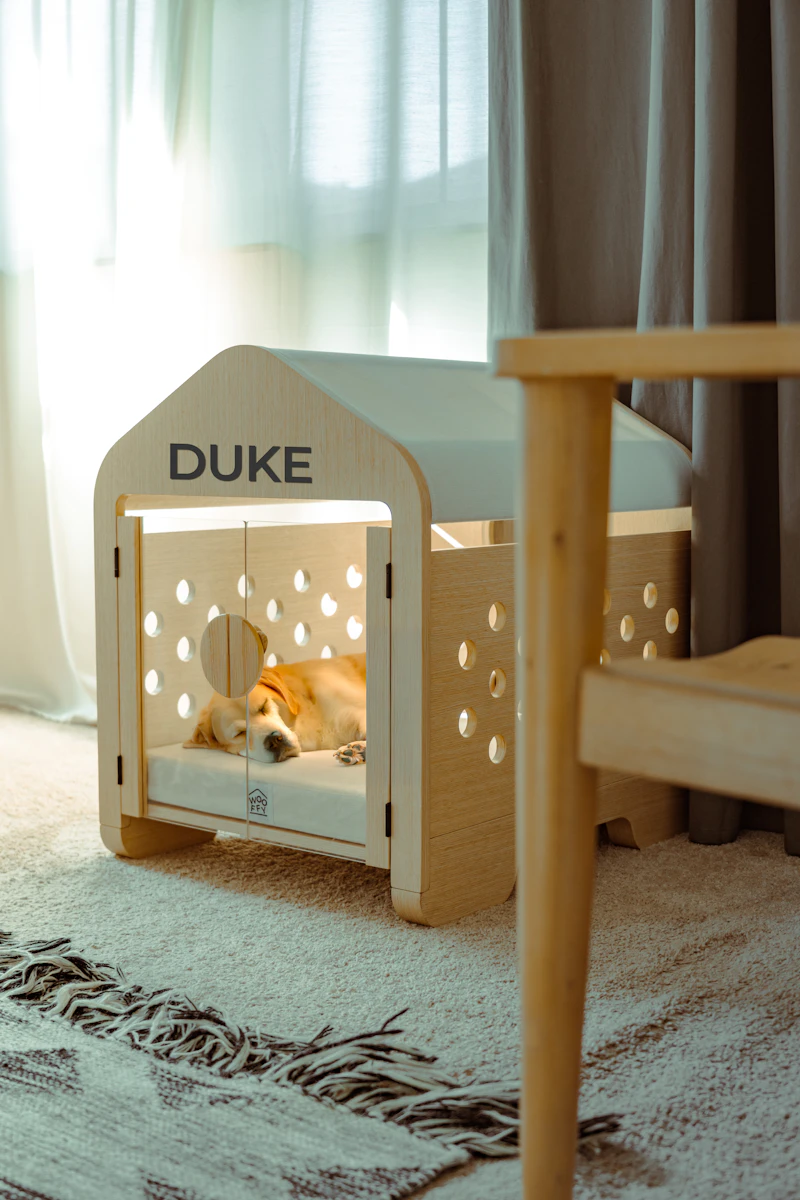
If you’re searching for the best crate for anxious dogs, you likely know how challenging it can be to provide comfort and security for a nervous pet. The right crate can be more than a place for your dog to sleep—it can serve as a safe hideaway, reducing anxiety symptoms and making stressful situations like thunderstorms, guests, or travel much more manageable. This guide covers everything you need to know about choosing an anxiety dog crate, including what features matter most, how to size it correctly, and how to make the crate a calming space for your nervous dog.
Understanding Canine Anxiety and Crating
Many dogs experience anxiety that can range from mild to severe. Common triggers include separation, loud noises, unfamiliar places, or changes in routine. While crates won’t “cure” anxiety, using a calming crate correctly can help your dog feel more secure, reduce destructive behaviors, and create an environment in which they can relax and recover.
Why Use a Crate for Nervous Dogs?
- Security: Confinement can help anxious dogs feel protected, like they have their own den.
- Safety: Prevents your dog from injuring themselves or damaging your home when stressed.
- Routine: Establishes a structured environment, which can help soothe anxious tendencies.
- Travel and Vet Visits: Getting your dog used to a crate can make trips and appointments much less stressful.
Key Features to Look for in a Crate for Anxious Dogs
Not all crates are created equal—especially for stressed or anxious dogs, the right features can make a significant difference in both safety and comfort. Here’s what to prioritize:
1. Sturdy Construction
Anxious dogs may paw, chew, or push at their crate if they panic. Look for crates made with tough materials like coated steel, reinforced plastic, or molded resin that can withstand escape attempts and deter chewing. Soft-sided crates usually aren't suitable for determined or destructive dogs.
2. Secure, Escape-Proof Latches
Stressful situations can turn even the most mellow dog into an escape artist. Choose a crate with heavy-duty locks or double-latch doors that a clever or panicked dog cannot open from inside. Check that doors don’t rattle loose with pressure or nose pushes.
3. Good Ventilation with Limited Visual Stimuli
While adequate airflow is necessary, anxious dogs often benefit from reduced visual stimulation. Solid-sided crates, or those with built-in covers, help block out stressful sights and can create a more comforting cave-like environment. Many high-anxiety models offer “privacy panels” or covers that reduce exposure to busy areas.
4. Comfort-Focused Interior Design
The crate should have a smooth floor and rounded corners to prevent injury as your dog moves about. Room for a plush crate pad or calming bed is a must. Avoid crates with sharp parts or exposed hardware inside, as dogs can injure themselves when panicked.
5. Size Appropriateness
The best crate for anxious dogs is roomy enough for your pet to stand, turn, and lie comfortably, but not so large that they feel exposed. Too much space can worsen feelings of insecurity. For nervous dogs, sometimes a slightly smaller, cozier crate provides a more den-like, reassuring feel.
6. Noise Reduction and Stability
Anxiety is often triggered or worsened by noise and movement. Features like rubber feet, double-wall designs, or crate covers can help reduce rattling, vibrations, and echoes inside. Some calming crate models use thicker materials to muffle outside sounds and create a quiet sanctuary.
7. Easy Access for Human and Dog
Multiple doors (front, side, or top) can help with loading a reluctant dog or cleaning the crate, but ensure all openings are equally secure. For some anxious pets, a top-loading crate makes gentle introductions easier during training.
Sizing Guide: How to Choose the Right Size Calming Crate
Proper sizing is key—too small, and your dog will not be comfortable; too big, and they may feel vulnerable. Here’s a quick way to measure:
- Measure your dog’s length from nose to base of tail (not including the full tail).
- Measure your dog’s height from floor to top of head or ears, whichever is taller.
- Add 4-6 inches to both measurements for the crate’s dimensions.
Use these measurements to select the closest matching crate size. For example:
| Dog Size | Dog Length (inches) | Crate Length (inches) |
|---|---|---|
| Small (10-25 lbs) | 16-22 | 22-28 |
| Medium (26-40 lbs) | 23-30 | 28-35 |
| Large (41-70 lbs) | 31-40 | 36-44 |
| X-Large (71-90 lbs) | 41-48 | 44-54 |
Tip: For multi-dog households or dogs who like to stretch, size up cautiously—too much space can reduce the den-like feeling needed for anxiety relief.
Types of Calming Crates for Anxious Dogs
There are several styles of dog crate to consider, each with unique pros and cons for dogs with anxiety.
Heavy-Duty Metal Crates
- Best for: Severe anxiety, escape attempts, and large breeds.
- Features: Reinforced steel bars, heavy-duty locks, non-chewable design.
- Pros: Extremely strong, hard to escape, durable, long-lasting.
- Cons: Can be heavy, less portable, noisier unless padded or covered.
Plastic Travel or Kennel-Style Crates
- Best for: Moderate anxiety, travel, privacy-needing dogs.
- Features: Solid walls, limited sightlines, well-ventilated door.
- Pros: Cave-like, quieter, lighter, easy to cover for more privacy.
- Cons: Not indestructible for determined escape artists, less airflow than wire crates.
Covered or “Zen” Crates
- Best for: Dogs triggered by environmental sights or movement.
- Features: Fitted covers or built-in panels, soft lighting, reinforced noise reduction.
- Pros: Blocks visual stressors, creates den-like safe space, may have added calming cues (e.g., dark interiors).
- Cons: Not all are escape-proof, some models less suitable for heavy chewers.
Wire Crates (with Modification)
- Best for: Mild anxiety, dogs who do not attempt escape, homes needing flexibility.
- Features: Open sides, easy visibility, can add crate covers or pads.
- Pros: Ventilated, collapsible, generally lightweight and affordable.
- Cons: Less secure for escape-prone dogs, more exposed to outside sights.
Bonus Features That Can Make a Difference
If you’re building a supportive, anxiety-reducing crate setup, these extra touches can help:
- Crate covers or blackout panels—soothe light-sensitive or easily startled dogs.
- Calming bed or mat—choose memory foam or plush pads to cocoon your pet.
- Water bowls or dispensers—make sure your dog has access without tipping or spilling.
- Comfort items—toys or soft blankets with familiar scents provide reassurance.
- Soothing background noise—a white noise machine near the crate can help mask distressing sounds.
How to Make a Crate Calming for Your Dog
Choosing the right anxiety dog crate is only part of the solution. How you introduce and use the crate determines its success in reducing anxiety. Here’s how to make your dog’s crate a truly calming space:
Introduce the Crate Gradually
Never force your anxious dog inside—the goal is voluntary entry. Place treats, toys, or a familiar bedding inside and encourage your dog to explore at their own pace. Leave the door open at first.
Pair with Positive Experiences
Feed your nervous dog in or near the crate, offer favorite chews inside, and spend quiet time nearby to associate the crate with comfort, not isolation.
Keep the Crate in a Low-Traffic Area
Position the crate away from busy doorways, loud appliances, or windows. Many anxious dogs relax best in a quiet, dim, and predictable spot.
Establish a Predictable Crate Routine
Having regular times for crate use (naps, meals, downtime) can signal to your dog that it’s a safe, routine part of their day—not a punishment or prelude to absence.
Use Calming Aids Thoughtfully
Some dogs respond well to pheromone diffusers, calming sprays, or special cots. Only add one new calming aid at a time to track any effect—always supervised at first, to watch for chewing or allergies.
Common Mistakes to Avoid With Anxious Dogs and Crates
- Don’t use the crate as punishment. This can make anxiety—and crate aversion—much worse.
- Don’t leave highly anxious dogs unsupervised at first. Some panic may result in injury or escape attempts if you’re not able to intervene.
- Don’t size up “just in case.” Bigger is not better for anxious dogs. Choose the cosiest fit that still allows easy movement.
- Don’t leave chewable materials unsupervised. Dogs experiencing anxiety may chew and swallow bedding or toys, so stick with sturdy and safe items initially.
- Don’t ignore signs of extreme stress. Heavy drooling, panting, constant escape attempts, and self-injury need addressing—rethink crate type or seek help if you see these signs.
Checklist: Choosing the Best Crate for Your Anxious Dog
- Is the frame sturdy, chew-proof, and escape-resistant?
- Are latches and doors secure, yet easy for you to open?
- Is the size just right—snug and cozy but not cramped?
- Does it offer ventilation yet block out stressful views and noise?
- Can you add a calming bed, comfort items, and a cover?
- Is the interior free from sharp edges or pinch points?
- Will it fit in your chosen low-traffic area at home?
- If portable, is it light enough for you but not for your dog to move?
Special Considerations by Dog Type and Behavior
- Chewers: Opt for reinforced steel or molded plastic models. Avoid soft-sided or mesh options.
- Escape artists: Look for multiple locks, welded bars, and heavy-duty construction.
- Sound-sensitive pets: Seek crates with noise-muffling covers or thick, insulated walls.
- Travelers: Sturdy plastic crates can double for home and travel; always check airline requirements if flying.
- Puppies growing into their crate: Adjustable divider panels allow you to size down then expand, maintaining a cozy feel.
Making the Most of Your Anxious Dog’s Crate
A calming crate is most effective when paired with a patient, gentle approach and other ongoing anxiety management strategies, such as exercise, enrichment, and positive social experiences. With thoughtful crate selection and setup, many anxious or nervous dogs learn to see their crate not as a prison, but as a safe personal retreat where they can truly relax.
Frequently Asked Questions
What type of crate is best for dogs with separation anxiety?
The best crate for anxious dogs with separation anxiety is usually a heavy-duty, escape-proof crate made from reinforced steel or robust plastic. It should minimize outside stimuli and be impossible to break out of, especially for dogs prone to destructive behaviors when left alone.
Are covered crates calming for anxious dogs?
Covered crates or crates with privacy panels can help anxious dogs by blocking out visual stressors and creating a den-like, secure environment. For some dogs, a simple crate cover over a wire or plastic crate is enough to reduce anxiety. Always monitor your dog's reaction, as not every dog benefits from reduced visibility.
How can I tell if my dog's crate is the right size?
Your dog's calming crate should be just large enough for them to stand up, turn around, and lie down comfortably. If they seem cramped or reluctant to enter, it may be too small; if they pace, dig, or act unsettled, it could be too large for that “cozy” feel. Sizing up by 4-6 inches from your dog's measurements is a good rule of thumb.
What should I put in my dog's calming crate?
Provide a durable, comfortable bed or mat, a favorite toy or chew, and items with familiar scents—such as a worn t-shirt. Leave water if your dog is crated for longer periods (best with a spill-proof bowl). Avoid thin blankets or items that can be shredded and swallowed if your dog is in a high anxiety state.
Can using a crate make my dog's anxiety worse?
If used incorrectly—such as for punishment, or if the crate is too small, noisy, or exposed to stress triggers—a crate can worsen a dog's anxiety. Always introduce the crate with positive reinforcement and ensure it’s a comfortable, safe space. Monitor for symptoms of panic or distress, and make adjustments as needed.