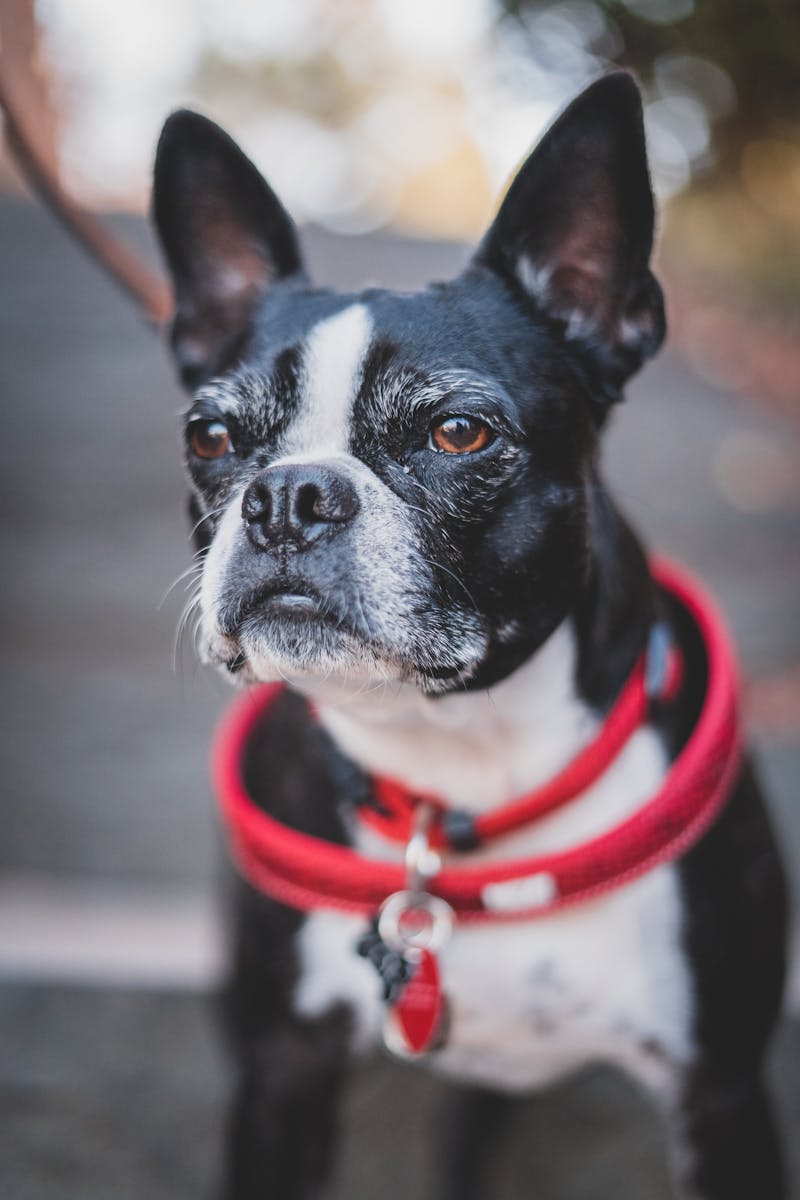
If you’re searching for the best collar for puppies, the right choice will offer comfort, safety, adjustability, and room to grow. A good puppy collar helps with identification and gentle leash introduction without risk of causing discomfort or injury. The key is to match your puppy’s age, breed, and activity level to a collar that’s made for their unique needs. This guide covers everything you need to know about puppy collar features, sizing, and how to choose the perfect first collar for your new best friend.
Why Do Puppies Need a Collar?
Collars are not just cute accessories—they play practical roles for puppies and their owners. The best collar for puppies supports identification and helps your puppy learn new routines, like walking on a leash or responding to their name. Even if you use a harness for walks, a collar serves as a spot to attach ID tags.
- Identification: If your puppy slips out the door, a collar with ID tags can be a lifesaver.
- Training Tool: Soft, lightweight collars get puppies used to the feeling for future training and leash walking.
- Safety: Bright or reflective collars boost visibility so your puppy stands out, even in low light.
- Attachment Point: A collar is a convenient place to secure a leash for quick potty breaks or training sessions.
Key Features: What Makes the Best Collar for Puppies?
The ideal puppy collar focuses on comfort, safety, and adjustability. Here’s what to look for as you shop:
Soft, Lightweight Materials
- Nylon: The most common choice for a puppy collar. Soft, lightweight, durable, and easy to clean.
- Neoprene-lined Nylon: Adds extra padding and comfort, which can help prevent chafing on delicate puppy skin.
- Soft Leather: Flexible and breathable, though often more expensive and may require more care.
Puppies have sensitive skin and smaller necks, so thick, heavy, or rough collars may cause irritation or discomfort. Smooth edges and soft linings should be a priority.
Adjustability for Growing Puppies
- Look for an adjustable puppy collar with several inches of range. Puppies can grow rapidly, so one of the most important features is a collar that expands as your puppy does.
- Buckle and strap systems are usually sturdier than plastic snap closures, especially as puppies play rough.
Plan to check the fit regularly and adjust as needed. An adjustable collar saves you from buying a new one every few weeks during growth spurts.
Secure, Easy-to-Use Closures
- Quick-release buckles: Simple to get on and off, which is helpful for fidgety puppies.
- Breakaway designs: Snap open under pressure, reducing the risk of strangulation if the collar snags on something. Popular for kittens, but not as common for active puppies—it’s a feature to weigh depending on your home and play environment.
- Metal buckles: Durable but heavier and often used on collars made for larger or stronger breeds. For most young puppies, plastic quick-release is sufficient.
Width and Weight
Choose a collar that is proportionate to your puppy’s size. Very small breeds need narrow (3/8” to 1/2”) and lightweight collars, while larger puppies can manage slightly wider widths. Oversized, bulky collars are uncomfortable and may put too much pressure on the neck.
Visibility Features
- Bright Colors: Easier to spot indoors or outdoors, especially helpful if your puppy’s coat is a similar color to common ground cover.
- Reflective Strips or Stitching: Improves visibility in low-light conditions, important for early morning or evening outings.
Tag Attachment Point
Ensure the collar has a sturdy D-ring for attaching identification tags, rabies tags, or a lightweight leash. Lightweight D-rings are ideal for small puppies to avoid adding bulk.
Puppy Collar Sizing: How to Measure and Fit Correctly
A well-fitted collar is essential for safety and comfort. Here’s how to measure your puppy and find the right size:
Step-by-Step Puppy Collar Sizing Guide
- Use a soft tape measure. Wrap it around the widest part of your puppy’s neck, which is usually at the base.
- Add 1-2 inches. This ensures the collar isn’t too tight as your puppy grows, but not so loose that it slips over the head.
- Check the fit. You should be able to slip two fingers comfortably between the collar and your puppy’s neck.
- Adjust as your puppy grows. Puppies can outgrow their collars quickly, so check the fit weekly—more often during growth spurts.
| Neck Size (inches) | Recommended Collar Width | Puppy Examples |
|---|---|---|
| 6-10" | 3/8–1/2" | Chihuahua, Yorkie puppy |
| 8-12" | 1/2–3/4" | Cocker Spaniel, Sheltie puppy |
| 12-16" | 3/4–1" | Labrador, Golden Retriever puppy |
| 16-20" | 1" | German Shepherd, Rottweiler puppy |
General Sizing Checklist
- Measure neck before purchasing and choose a collar that allows several inches of adjustment.
- If your puppy falls between sizes, size up and tighten as needed.
- Avoid very stiff or thick collars for young puppies, as these can cause discomfort and restrict movement.
Choosing the Best Collar for Your Puppy’s Breed and Temperament
Every puppy is different. Breed, energy level, and coat type can all impact your choice of an adjustable puppy collar.
Small Breed Puppies
Miniature and toy breeds have delicate necks. Choose a super lightweight collar with a slim width (3/8” to 1/2”), soft material, and a secure but quick-release buckle. Avoid any decorative elements (like big bows or hardware) that add weight or could get chewed.
Large Breed Puppies
Puppies that will grow into large or giant breeds need collars that expand with them. Look for adjustable puppy collars with reinforced stitching and a D-ring appropriate for their leash. Start on the smallest setting and expand gradually.
Active, Playful Puppies
If your dog loves to tug or has bursts of energy, ensure the buckle is secure and won’t snap open. Durable nylon with double-stitched seams balances toughness with comfort. Consider a backup collar for muddy play or hiking trips.
Puppies with Sensitive Skin
Some puppies develop rashes or hair loss beneath their collar. Consider collars lined with neoprene or fleece, or wide flat collars that distribute pressure. Monitor for redness, swelling, or bald spots, and remove the collar at night if needed.
Fluffy or Long-Coated Puppies
Choose a narrow, adjustable collar to avoid matting. Inspect beneath the collar every few days to spot tangling or hair breakage. For extra thick coats, you may need to brush the neck regularly.
Introducing a Collar: Tips for Your Puppy’s First Collar
Getting a puppy used to their first collar is a big milestone. Puppies may scratch, roll, or resist wearing anything on their neck at first. Here’s how to make the transition smooth and positive:
- Start Slow: Let your puppy sniff and explore the collar before putting it on.
- Short Sessions: Attach the collar loosely and give treats or playtime. Increase the time worn gradually.
- Supervise: Don’t leave your puppy unattended at first. Some pups try to chew their collars or get tangled.
- Remove Overnight: Give your puppy’s neck a break while sleeping, especially in the adjustment phase.
- Check for Fit and Irritation: Inspect daily for signs of redness, chafing, or matting fur.
Puppy Collar Safety Checklist
- Always check for a snug but not tight fit—two fingers should slide under the collar.
- Replace or adjust the collar after a growth spurt, or if it becomes worn, frayed, or smelly.
- Never use a choke, prong, or slip collar on puppies. These are for specific training with adult dogs under professional guidance.
- Remove the collar during crate time or rough play with other dogs to minimize snagging or choking risks.
- Ensure identification tags are up to date and not so heavy that they weigh down the collar.
Common Types of Puppy Collars
Understanding the types of collars available will help narrow your choice. Here’s an overview of the puppy-appropriate collars:
Flat Collars
The standard choice for most puppies. Simple, flat, adjustable, and available in all colors and patterns. Lightweight and easy for puppies to wear all day.
Breakaway Collars
Snap open if caught on something, designed to prevent strangulation accidents. Ideal for small, indoor puppies or when leaving a collar on during unsupervised play. Not reliable for leash walking—make sure to use a backup harness for walks.
Martingale Collars (Limited Slip)
Primarily for slightly older puppies, especially those with slender necks or escape-artist tendencies (like sighthounds). Tighten gently when pulled but don’t fully tighten like choke collars. Not usually recommended as a first collar for the youngest puppies—best introduced once leash habits are established and under supervision.
Personalized or Custom Embroidered Collars
Offer space to add your puppy’s name and your contact info directly on the collar. Great for extra peace of mind if tags fall off or get lost.
What About Harnesses Instead of Collars?
Many puppy owners ask if a harness is better than a collar. Harnesses are great for leash walks and minimize neck strain, especially with pullers or small breeds prone to tracheal issues. However, a collar is still essential for daily wear and identification purposes. For leash walks, you can attach an ID tag to the harness too, but it’s wise to have both options available as your puppy grows and your training progresses.
Tips for Keeping Your Puppy Comfortable and Safe
- Choose soft, flexible materials for daily use, and avoid heavy hardware or large tags.
- Routinely check for proper fit and signs of wear. Collars can shrink, stretch, or weaken over time.
- If your puppy scratches at the collar, double-check for rough seams, tightness, or sensitivity.
- Rotate between two collars—one for daytime, one for special occasions or leash training.
- Wash the collar every week or two. Hand-wash nylon in gentle soap and rinse well; air dry leather and treat as needed to keep it supple.
Puppy Collar Selection Checklist
- Soft, gentle materials (nylon, neoprene, soft leather, fleece lining)
- Lightweight and not overly bulky
- Fully adjustable to match your puppy’s growth
- Secure closure (quick-release buckle for most, breakaway for small or indoor-only pets)
- Sturdy D-ring for ID tag—lightweight for toy breeds, more robust for larger puppies
- Width appropriate for your puppy’s neck size
- Bright or reflective colors for visibility
Take measurements, choose a collar with a range of adjustability, and monitor your puppy’s comfort and safety as they grow. With these factors in mind, you’ll find the best collar for puppies that fits your dog’s needs and supports safe, happy adventures together.
Frequently Asked Questions
How old should my puppy be before wearing a collar?
Puppies can begin wearing lightweight, adjustable collars around 8 weeks old, or after they’re adopted and settled at home. Always supervise a very young puppy when introducing a collar and check regularly for safety and comfort.
How tight should my puppy’s collar be?
The collar should be snug enough that it can’t slip over your puppy’s head, but not so tight that it causes discomfort. A good rule is that you should easily fit two fingers between the collar and your puppy’s neck.
How often should I adjust or replace my puppy’s collar?
Check the collar fit every week, or more frequently during growth spurts. Adjust for a proper fit as needed, and replace the collar if it becomes too tight, worn, or damaged.
Can my puppy wear a collar and a harness together?
Yes, many owners use both. The collar is for ID and basic control, while the harness is better for walks, especially for puppies who pull or have delicate necks.
What type of collar is best for a very small breed puppy?
Choose a narrow, lightweight collar (3/8”–1/2” wide) made from soft materials like nylon or padded mesh. Quick-release buckles and minimal hardware help prevent discomfort or snagging.
Should my puppy sleep with the collar on?
It’s generally recommended to remove your puppy’s collar while they sleep or are crated to reduce the risk of snagging or choking. Always supervise your puppy during the early days of collar training.