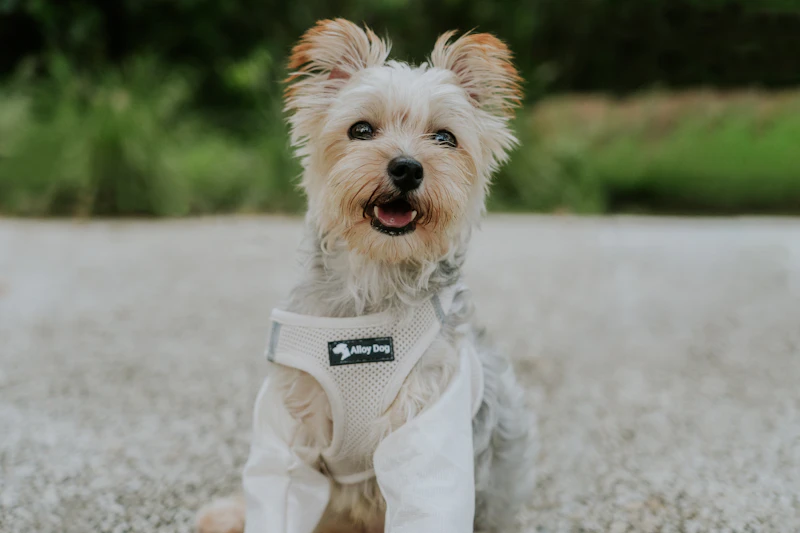
Taking your dog for walks during winter presents unique challenges, from icy sidewalks to biting winds and low light. The right winter walking gear for dogs keeps your canine safe, comfortable, and happy even when the temperatures drop. Essential items—such as weather-appropriate coats, grippy boots, and reflective accessories—can make all the difference in your cold-weather adventures.
Why Winter Walking Gear for Dogs Matters
Dogs may have fur, but winter conditions can still be tough on their paws and bodies. Slippery ice, road salt, frigid wind, and winter darkness all introduce risks. Appropriate cold weather dog gear is more than just a luxury—it's about safety and wellbeing.
- Paw Protection: Ice and salt can lead to cracked, painful pads without proper boots or balm.
- Body Warmth: Short-haired and small dogs can lose heat rapidly, requiring insulated coats.
- Visibility: Winter walks often happen in low-light. Reflective vests or lights help keep your dog visible.
- Traction: Good boots or textured gear help dogs avoid slipping on ice or hard-packed snow.
Dog Winter Gear Checklist: Essentials for Cold Weather Walks
Before heading out, it's helpful to have a dog winter gear checklist so you can feel prepared for whatever the weather throws your way.
- Insulated, weather-resistant dog coat
- Dog boots with non-slip soles
- Paw balm for moisturizing and protection
- Reflective harness, vest, and/or leash
- LED light or blinking collar tag
- Standard or no-slip leash
- Identification collar/tags (always!)
Dog Coats and Sweaters: Keeping Core Temperature Safe
Not all dogs need coats in winter, but for many breeds, it's a must. Small breeds, short-haired dogs, seniors, and breeds not acclimated to cold especially benefit from proper insulation. A good dog winter coat covers from neck to tail, shielding the chest and belly while allowing unrestricted movement.
Coat Sizing Guide
It's crucial that a dog coat fits well to be effective. Too tight restricts movement; too loose lets cold air in. Here’s how to size your dog for a winter coat:
- Measure your dog’s length from the base of the neck to the base of the tail.
- Measure the widest part of the chest (girth).
- Check neck circumference for a snug but comfortable fit around the collar area.
Consult manufacturer sizing charts for specific brands before purchasing. If between sizes, sizing up is usually better for layering.
Paw Protection: Boots and Balms
Snow, ice, salt, and de-icing chemicals can lead to cracked, bleeding, or painful pads. Boots are an essential part of winter dog walking essentials, protecting paws from cold surfaces and sharp ice. Quality matters here—well-fitting, weatherproof boots stay on and don’t chafe.
Choosing and Fitting Dog Boots
Look for these features in boots for winter walks:
- Water-resistant or waterproof upper material
- Non-slip, textured sole for grip on ice
- Adjustable closures (Velcro or zipper) for a secure fit
- Flexible design so your dog can move naturally
Fit is critical; boots that are too tight can cut circulation, while too loose will fall off. To help, see our detailed guides on How to Measure Your Dog for a Harness—many of the same principles apply to boots—and check out the best options in Best Dog Boots for Snow and Winter Walks.
For dogs especially new to boots, give them time to adjust. Practice inside first, offering treats and positive reinforcement. Some owners prefer short gaiter-style boots versus full-coverage designs, especially for dogs who dislike gear.
Paw Balms for Extra Protection
If boots aren’t an option, dog paw balm provides another line of defense. Quality balms moisturize paw pads, forming a protective layer against salt and ice. Before walks, apply a thin layer and wipe paws clean after returning inside. Explore the top picks in our guide to Best Dog Paw Balms for Cracked Paws.
Harnesses and Leashes: Winter Considerations
Some harnesses work better than others in winter. Wide, padded harnesses prevent chafing if your dog wears a coat, while reflective or high-visibility styles enhance safety for evening or early morning outings.
Reflective and Visible Gear
Low daylight and poor visibility are part of the winter package. Reflective harnesses, leashes, and vests help drivers and cyclists spot your dog from a distance. High-visibility colors like lime, orange, or neon yellow further increase your dog's safety. See our recommendations in Best Reflective Dog Vests for Night Walks.
LED clip-on lights or glow collars are another smart addition—choose USB-rechargeable models for convenience. Attach one to your dog's collar, harness, or leash to boost visibility even more.
Leash Tips for Icy Conditions
- Standard Length: A 4-6 foot leash provides control if your dog slips or gets startled by sounds hidden under snowdrifts.
- Non-slip Handles: Look for neoprene or rubberized handles that grip better when you're wearing gloves.
- Hands-Free Options: For runners or those navigating tricky terrain, a waist leash frees your hands to help maintain balance.
Accessories to Complete the Winter Dog Walking Kit
- Dog-safe de-icer: If you use de-icer at home, choose pet-friendly formulas to protect your dog’s paws.
- Portable paw wipes: Keep wipes near the door to quickly clean road salt or snow-melt chemicals after walks.
- Extra ID tags: If your dog’s winter coat or harness covers their usual tag, secure another to make identification visible.
- Travel water bottle: Dogs still get thirsty in cold weather, especially with a thick undercoat or if wearing a jacket.
Practical Buying Considerations: Sizing, Materials, and Dog Type
Dog Size and Build
Small breeds and slim, short-haired dogs often need more insulation and snugger-fitting boots. If you have a toy breed, see our guide to Best Harnesses for Small Dogs for options that fit comfortably under a winter coat. Larger breeds with thick coats may need less insulation, but their paws can benefit from tough boots or balm due to greater weight pressing down on ice and salt.
Fur Type and Climate Adaptation
Double-coated northern breeds tolerate cold better, but even they benefit from paw protection and reflective gear. Older or arthritic dogs, regardless of breed, are also more susceptible to the cold. Always factor in your individual dog's age, health, and fur length when assembling your winter walking kit.
Best Materials for Winter Dog Gear
- Synthetics (Nylon, Polyester): These materials are wind/water resistant and easy to clean in dog coats and harnesses.
- Softshell/Fleece: Offers lightweight warmth, ideal for layering.
- Velcro/Touch-Fasteners: Useful for making boots and coats secure but adjustable.
- Reflective Strips or Threads: Key in harnesses, vests, and coats for night-time safety.
Tips for Safe and Enjoyable Winter Dog Walks
- Dress your dog in layers if needed, but avoid overheating—regularly check under coats for signs of sweating or overheating.
- Inspect your dog’s paws after each walk for signs of redness, salt, or cuts. Address any issues before the next outing.
- Reinforce positive associations with new gear (boots, jackets) using treats and praise—especially for dogs new to winter gear.
- Stick to plowed or well-used paths. Avoid deep snow and surfaces treated heavily with chemical de-icers.
- Limit walk duration in extremely cold, windy, or wet conditions.
Comparing Dog Winter Walking Essentials vs. Warm Weather Gear
While some gear overlaps—with harnesses and leashes being year-round basics—winter-specific equipment differs from your summer walking kit in key ways:
| Gear Type | Winter Features | Warm Weather Features |
|---|---|---|
| Coats & Sweaters | Insulation, water resistance, covers core | Usually not needed; opt for light cooling vests in heat |
| Boots | Waterproof, insulated, anti-slip sole | Breathable, heat-resistant (see Best Dog Boots for Hot Pavement) |
| Harness | Padded, compatible with coatis, reflective | Lightweight mesh, breathable |
| Visibility Gear | Reflective vests, LED lights for long nights | Still useful, but less critical for daytime walks |
| Paw Balm | Protects against salt/ice | Prevents dryness from hot surfaces |
Checklist: How to Prep for Every Cold Weather Walk
- Check the weather and temperature; bundle up as needed
- Dress your dog in a coat and/or boots suited for conditions
- Secure reflective accessories or LED lights for visibility
- Pack dog-safe wipes for post-walk clean-up
- Slip on leash and ID tags, ensuring nothing interferes with gear
- Bring water and a collapsible bowl for longer walks
- Always monitor your dog for cold or discomfort—end the walk if they shiver, limp, or show signs of distress
Rotating and Caring for Your Dog's Winter Gear
- Wash boots and coats regularly, especially after exposure to road salt
- Dry thoroughly before storing—dampness encourages mildew
- Inspect seams, straps, and closures after each use
- Replace worn-out gear promptly to ensure ongoing protection
Frequently Asked Questions
How do I know if my dog needs a winter coat?
Most short-haired, small, or toy breeds, senior dogs, and those with health issues benefit from a winter coat. If your dog shivers, seems reluctant to go out, or has a thin or short coat, a jacket will help keep them warm and comfortable.
Are dog boots really necessary for winter?
Dog boots are highly recommended for areas with heavy snowfall, ice, or where the streets and sidewalks are treated with salt and de-icers. Boots prevent cracked pads, frostbite, and irritation from chemicals, especially for city or suburban dogs.
How can I get my dog used to wearing boots or a coat?
Introduce boots or coats gradually indoors. Use treats and praise to create positive associations. Let your dog sniff and explore the gear before putting it on, and start with short periods of wear, slowly extending time as your dog adjusts.
What features should I look for in winter walking gear for dogs?
Look for waterproof, insulated materials for coats and boots; reflective accents for visibility; adjustable straps for secure fit; and durable construction to withstand winter conditions. Comfort and mobility are just as important as warmth.
Is paw balm a good substitute for boots?
Paw balm offers some protection against salt and ice but isn't a full substitute for boots, especially in harsh conditions. It's best used to supplement boots or for dogs who refuse footwear, and should always be reapplied and wiped clean after walks.
Can I use summer walking gear in winter?
Some gear, like harnesses and standard leashes, work year-round. However, winter-specific gear—like insulated coats, boots, and reflective accessories—provides essential protection your dog won’t get from summer equipment. Always adjust for the season and your dog's needs.