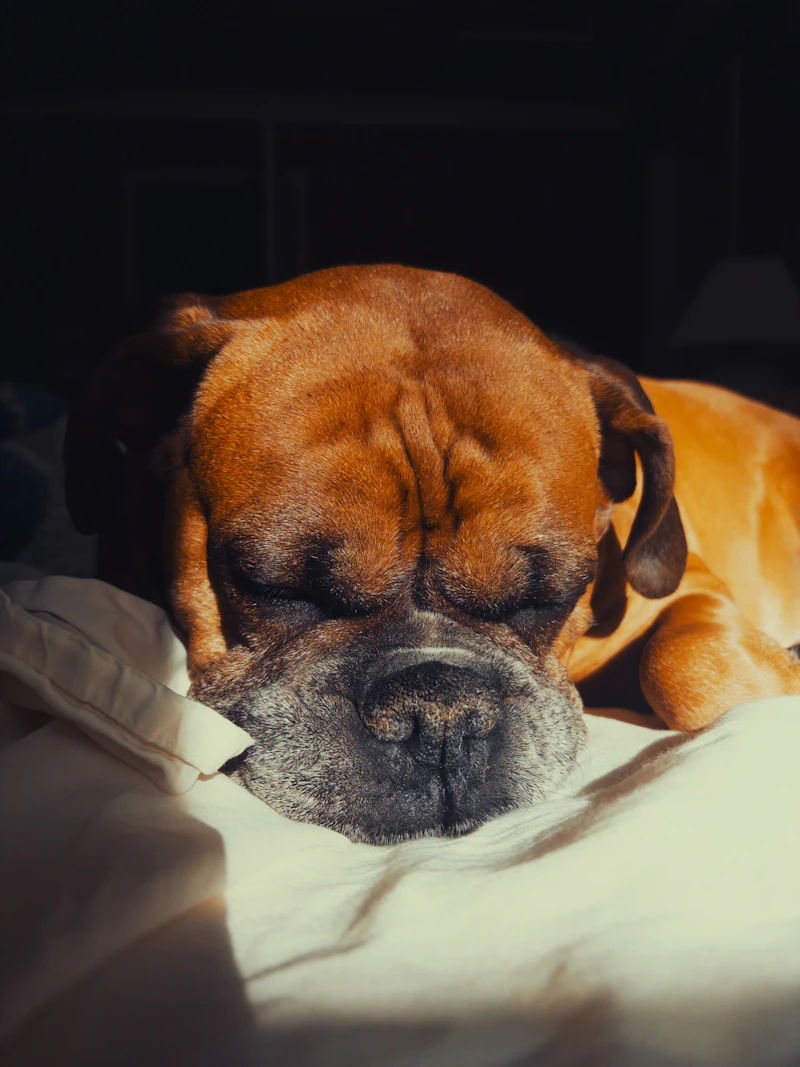
Making your home comfortable for a senior dog is largely about anticipating and accommodating age-related changes—think joint discomfort, reduced mobility, impaired senses, and increased need for comfort and routine. By implementing a few practical modifications and daily habits, you can turn your space into a true sanctuary for your aging companion. From soft bedding and supportive ramps to thoughtful layout changes, this guide breaks down proven home modifications for old dogs and offers clear senior dog comfort tips for every room in your house.
Understanding Senior Dog Needs: The Foundation of Comfort
Older dogs face health challenges that may include reduced mobility, joint pain, diminished sensory perception, bladder control issues, and a higher sensitivity to temperature changes. Recognizing these factors is critical when planning your senior dog home setup. Addressing these needs with targeted changes helps your dog enjoy a happier, more dignified old age.
Common Changes in Senior Dogs
- Mobility Decline: Arthritis and muscle loss can make it harder for older dogs to climb stairs, jump onto furniture, or walk long distances.
- Pain and Joint Issues: Chronic discomfort may cause restlessness, reluctance to move, or sensitivity to touch.
- Bladder Control: Senior dogs may need more frequent potty breaks or experience incontinence.
- Decreased Vision or Hearing: Navigating the home may become difficult, leading to confusion or accidents.
- Increased Sleep: Seniors often sleep longer or need more restful, undisturbed naps.
- Temperature Sensitivity: Aging dogs can have trouble regulating body temperature, feeling chilly or overheating quickly.
By focusing on these common issues, you’ll be able to provide targeted comfort modifications that truly make a difference in your senior dog’s quality of life.
Senior Dog Home Setup: Key Comfort Zones
Approaching your house room by room is the best way to identify changes needed for a comfortable, senior-friendly home. Below are practical senior dog comfort tips for every primary living area:
1. Sleeping and Resting Spaces
The quality of your dog’s bed plays a pivotal role in overall comfort:
- Orthopedic Beds: Look for thick, memory foam beds that offer pressure relief for arthritic joints and support frail bodies. Refer to our guide on the Best Dog Beds for Arthritic Dogs for detailed recommendations.
- Low Entry: Beds with low or ramped sides make getting in and out easier for dogs with stiff joints.
- Elevated or Cooling Options: In warm climates or during summer, cooling beds can prevent overheating. Our Best Cooling Dog Beds for Summer article covers great options.
- Non-Slip Surfaces: Place beds on non-slip mats or rugs to keep them stable.
- Quiet and Accessible Placement: Set up beds in quiet corners that are easily accessible, but not too isolated—senior dogs often feel comforted by their humans’ presence.
For large breeds, specific options may be necessary for optimal support. Explore recommendations in Best Dog Beds for Large Dogs.
2. Eating and Drinking Areas
Senior dogs can experience neck or back pain when eating from bowls placed too low. Enhance mealtime comfort with these modifications:
- Elevated Food and Water Bowls: Choose bowl stands tailored to your dog’s height, so they don’t have to stoop painfully.
- Non-Skid Mats: Place bowls on non-slip mats to prevent sliding and spills, reducing frustration.
- Fresh Water: Senior dogs may be prone to dehydration, so ensure clean water is always accessible.
3. Safe Mobility Solutions
Ramps and stairs are among the most effective home modifications for old dogs with mobility challenges. Some practical tools to consider:
- Orthopedic Ramps: Essential for cars, sofas, beds, and porches. Our Best Orthopedic Ramps for Senior Dogs article explains how to pick the best one.
- Pet Stairs: Great for reaching slightly elevated surfaces safely.
- Support Harnesses: Lifting harnesses can assist dogs struggling to stand or descend stairs, especially on walks. See our picks for Best Support Harnesses for Senior Dogs.
- Remove Barriers: Minimize clutter and keep main pathways wide.
4. Potty and Clean-Up Areas
As your dog ages, additional potty solutions help maintain dignity and cleanliness:
- Frequent Outdoor Breaks: Allow for more bathroom trips.
- Indoor Potty Pads or Grass Mats: Place these in easily accessible locations if outside isn’t always convenient.
- Easy-Clean Flooring: Use washable rugs or waterproof mats in frequent accident zones.
- Incontinence Support: Consider washable dog diapers or belly bands if severe leaks occur.
5. Temperature and Climate Control
Maintain a comfortable environment for sensitive senior dogs:
- Draft-Free Sleeping Spots: Reposition beds to avoid cold drafts or direct sun in summer.
- Climate-Appropriate Bedding: Use warming blankets or self-heating pads in cold weather, cooling mats when it’s hot.
- Room Ventilation: Circulate air with fans or open windows (with screens) for freshness, not chills.
- Thermostat Monitoring: Keep the home’s temperature stable, especially overnight.
6. Sensory-Friendly Layout
Diminished senses can cause anxiety and navigational issues for old dogs. Here’s how you can help:
- Avoid Moving Furniture: Keep the household layout consistent so your senior can “map” the space in their mind.
- Clear Pathways: Remove tripping hazards such as cords, clutter, or uneven rugs.
- Night Lights: Use night lights to guide your dog at dusk or overnight, especially near favorite spaces.
- Tactile Guides: Place textured mats or rugs at transition points (e.g., stairs, doorways) to help orient a vision-impaired pet.
Room-by-Room Senior Dog Home Modifications
Below are room-specific senior dog home setup tweaks for practical comfort and safety:
Living Room
- Install a ramp or pet stairs to help your dog access the couch or favorite chairs, reducing jumping and possible falls.
- Place a supportive orthopedic bed in a quiet corner with a clear view of household activity.
- Use non-slip rugs on hard floors to prevent slips when walking or rising from rest.
- Keep frequently used toys and blankets nearby and easily reachable.
Bedroom
- If your dog sleeps with you, consider a ramp or stairs for bed access.
- If not, set up a floor-level bed in your room so your dog can remain close, supporting emotional comfort.
- Install soft night lighting for safe overnight movement.
Kitchen
- Keep food and water stations accessible but away from foot traffic to minimize stress and accidents.
- Elevate bowls as described above, and consider placing them near your dog’s favorite resting spot to minimize walking.
- Choose heavy ceramic or stainless steel bowls that won’t tip easily.
Bathroom or Mudroom
- Place absorbent, non-slip mats if your senior dog is bathed at home to prevent slips when wet.
- Use this area for indoor potty pads when needed—easy cleanup and contained messes.
Stairs and Entryways
- Install safety gates to block off stairs if climbing is risky or forbidden.
- If stairs are necessary, add carpet treads or runners for better grip.
- For steps outside, ramps provide safer access in all weather conditions.
Choosing the Best Gear for Senior Dog Comfort
Selecting the right products can vastly improve your dog’s day-to-day comfort. Here’s a breakdown of what to look for in key categories:
Beds and Bedding
- Orthopedic foam: Even pressure distribution is vital for dogs with joint issues.
- Low-sided beds: Minimize leg lifting or tripping.
- Lined with washable covers: Accidents happen—easy washing keeps things fresh.
For in-depth advice by breed and condition, consult our guides on Best Dog Beds for Large Dogs and Best Dog Beds for Arthritic Dogs.
Mobility Aids
- Ramps: Look for gentle slopes, non-slip surfaces, and good weight capacity. Compare options at Best Orthopedic Ramps for Senior Dogs.
- Harnesses: Padded, adjustable harnesses assist with standing, walking, or stairs. Explore choices in Best Support Harnesses for Senior Dogs.
Flooring
- Area rugs or yoga mats: Offer traction on slippery floors.
- Runner mats: Line hallways where speed or excitement may cause stumbles.
Temperature Control Gear
- Cooling pads: Great for breeds prone to overheating or summer months. Check out our Best Cooling Dog Beds for Summer.
- Heated beds or mats: Provide soothing warmth for senior dogs in winter.
Routine and Behavioral Tips for Senior Comfort
Your dog’s daily schedule and activities can also support comfort and reduce anxiety associated with age:
- Consistent Schedule: Feed, walk, and let out your dog at the same times each day.
- Shorter Walks: Take more frequent but shorter, gentler walks to match your dog’s ability.
- Gentle Play: Use plush toys or slow-paced games to keep your senior mentally stimulated without overexertion.
- Frequent Potty Breaks: Set alarms if necessary, especially after meals and naps.
- Positive Reinforcement: Keep up encouragement with treats and gentle praise; avoid punishment for accidents or confusion.
- Supervised Outdoor Time: Stay close in the yard or on walks, as declining vision or hearing may increase wandering risk.
- Enrichment: Puzzle toys and gentle training exercises keep the mind sharp.
Checklist: Quick Home Modifications for Old Dogs
- Orthopedic bed in a quiet, accessible location
- Elevated food and water bowls with non-skid placement
- Ramps or pet stairs for favorite furniture and outside steps
- Support harness for stability
- Clear, clutter-free walking paths with non-slip rugs
- Block off staircases if necessary for safety
- Outdoor and indoor potty access with washable mats
- Consistent room arrangements and tactile cues for vision-impaired dogs
- Temperature-appropriate bedding
- Soft lighting during dark hours
For a detailed shopping and setup list, see our Senior Dog Essentials Checklist.
Helpful Signs: Is Your Senior Dog Comfortable at Home?
A comfortable senior dog will usually display these signals:
- Is willing to sleep and rest in their designated spot
- Moves around the house with confidence, few slips or stumbles
- Appears relaxed—breathes easily, stretches frequently, and shows interest in family activity
- Eats and drinks without strain
- Accidents are minimal or well-managed by modifications
- Engages in gentle interaction or play
Keep an eye out for limping, reluctance to rise, excessive panting, or withdrawal—these can signal pain or discomfort and mean it’s time to revisit your home setup or consult your vet.
Frequently Asked Questions
What sleeping arrangement is best for a senior dog?
An orthopedic dog bed with memory foam in a quiet, accessible area is ideal for seniors. It provides joint support and relieves pressure points. For very large breeds or dogs with arthritis, consider beds designed for those specific needs.
How can I help my senior dog move around the house safely?
Provide ramps, pet stairs, or lifting harnesses around furniture or steps. Use non-slip mats or rugs on smooth flooring, and clear pathways to avoid tripping hazards. Block off stairs if necessary.
What are simple home modifications for senior dog comfort?
Add orthopedic bedding, elevated bowls, ramps for furniture and outdoor steps, non-slip mats, and keep consistent room layouts. Ensure temperature control and offer accessible potty spots.
Are there specific products for helping old dogs with incontinence?
Yes, dog diapers, belly bands, washable potty pads, and waterproof bed covers are all useful in managing accidents and keeping your senior dog’s area clean.
How do I know if my home modifications are helping?
Your senior dog will show greater willingness to move around, seem at ease resting, and have fewer accidents. Watch for more relaxed postures and ongoing interest in family members. Revisit changes regularly as needs evolve.