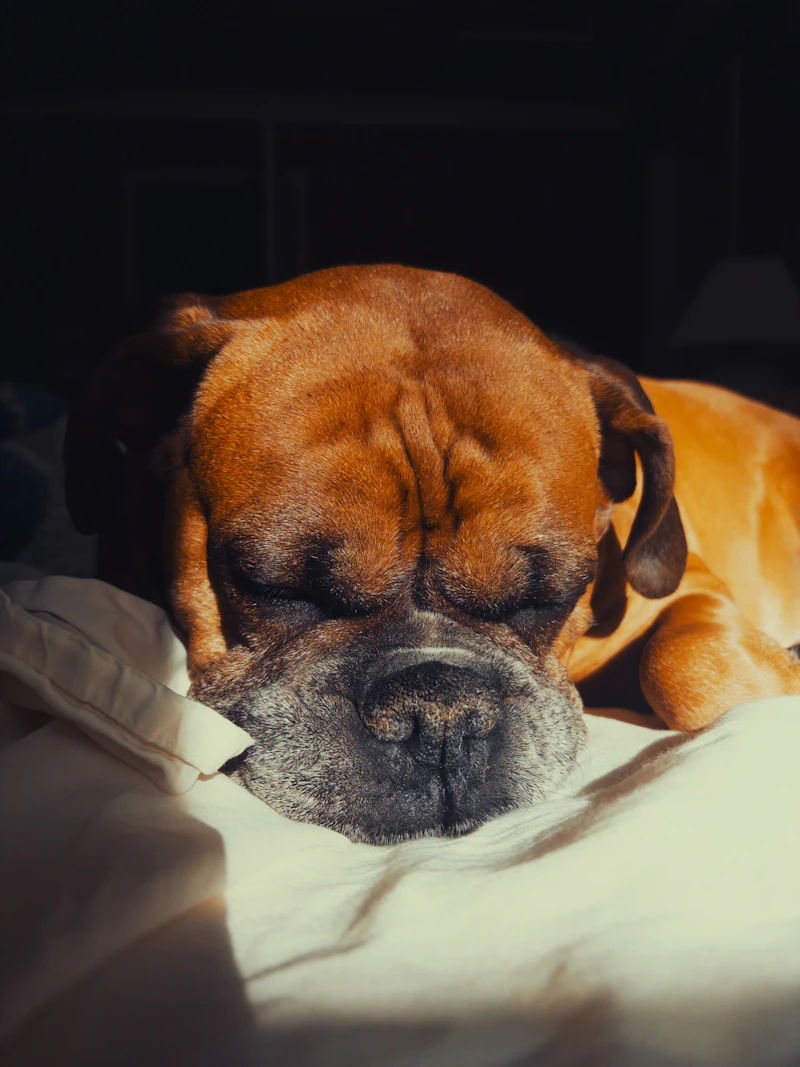
If you’ve ever watched your dog sprawl across the kitchen tiles on a hot afternoon, you already know how much they seek out cool spots in summer. The best cooling dog bed helps your pup stay comfortable and safe as temperatures rise. Instead of simply providing a soft place to rest, these beds use breathable materials and smart technology (like gel, mesh, or water-fill) to actively cool your dog’s body. If you want your dog to relax in true comfort this summer, choosing the right cooling pet bed can make all the difference.
Why Dogs Need a Cooling Bed in Summer
Dogs are more sensitive to heat than people realize. Unlike humans, they don’t sweat through their skin but regulate body temperature by panting and limited sweat through their paws. Some breeds—especially those with thick coats, brachycephalic (flat-faced) dogs, seniors, or dogs with certain health conditions—struggle more in hot weather. A dedicated summer dog bed can:
- Help prevent overheating
- Relieve discomfort from arthritis or joint pain worsened by heat
- Provide a safe, familiar space for relaxation during heatwaves
- Take the pressure off of you to constantly adjust fans, air conditioning, or floor surfaces
Cooling Dog Beds vs Regular Dog Beds
Traditional foam or cotton dog beds trap heat, which can make your dog uncomfortably warm. Cooling pet beds are designed with breathability and heat transfer in mind. Common approaches include fabrics that wick away moisture, mesh panels to encourage airflow, and advanced cooling technologies like non-toxic gel or water cores. While regular dog beds cushion your pup, a cooling summer option does double duty by acting as a temperature regulator.
Types of Cooling Dog Beds
There isn’t a one-size-fits-all solution. Cooling dog beds come in various styles, each with its own strengths for certain climates, breeds, and lifestyles. Here are the most popular types:
1. Gel Dog Bed
- How it works: Contains inner layers of cooling gel or gel-infused foam. Draws heat away from your dog’s body.
- Best for: Moderate to hot climates, older dogs, dogs with joint pain
- Considerations: Check for puncture-proof designs if your dog is a chewer
2. Water-Filled Cooling Beds
- How it works: Filled with cool water, which absorbs body heat and distributes it away from the sleeping surface.
- Best for: Scorching climates, outdoor use, dogs who love water
- Considerations: Ensure material is durable and the cap is secure
3. Elevated Cooling Beds (Cot Style)
- How it works: Raised off the ground on a mesh or perforated canvas platform, allowing air to circulate underneath.
- Best for: Outdoor use, large or heavy dogs, camping, active dogs
- Considerations: Make sure the feet are non-slip and construction supports your dog’s full weight
4. Phase Change Material (PCM) Beds
- How it works: Technical fabrics or inserts absorb heat when your dog is warm and release it as they cool for constant temperature regulation.
- Best for: Dogs with fluctuating body temperatures, indoor use, sensitive breeds
- Considerations: Usually more expensive, less cushioning than thick orthopedic beds
5. Self-Cooling Memory Foam Beds
- How it works: Combining memory foam with open-cell or gel technology for joint support and temperature regulation.
- Best for: Senior dogs, dogs with arthritis, those who prefer a plush bed
- Considerations: Check for breathability and removable covers
Must-Have Features in a Summer Dog Bed
While there’s no single "best cooling dog bed" for every pup, some features consistently make a bed better suited to beating the heat. Here’s what to keep in mind as you shop:
- Material: Look for mesh, nylon, canvas, or performance fabrics that allow airflow and dry quickly. Avoid thick, plush fleece during heatwaves.
- Cooling Element: Choose between gel, water, PCM, or mesh. Each has pros and cons depending on your climate and your dog's needs.
- Non-Toxic and Safe: Gel and water beds must contain non-toxic materials in case your dog chews or claws into them.
- Easy to Clean: Summer brings dust, grass, and water. Opt for removable, machine-washable covers or wipe-clean surfaces.
- Portability: If you spend time outdoors, travel, or camp, lightweight and foldable beds are convenient.
- Non-Slip Base: Prevents the bed from sliding on smooth floors.
- Durability: Especially if your dog is a digger or chewer. Reinforced stitching and tear-resistant materials are a plus.
Safety Features to Watch For
- Secure seams and closures to prevent leaking gel or water
- No small detachable pieces (for aggressive chewers)
- Non-toxic certification or clear safety standards
How to Choose the Best Cooling Dog Bed for Your Dog
The most important factor is your dog’s unique needs. Here’s a step-by-step checklist to guide your selection:
-
Assess Your Dog’s Sleeping Habits
- Curlers: Prefer beds with side bolsters or donut shapes—even in cooling styles
- Stretchers or Sprawlers: Flat mats, cots, or wide rectangles are ideal
-
Take Accurate Measurements
- Measure your dog from nose to tail while lying down plus extra space for stretching
- Typical sizing guide:
- Small: Up to 25 lbs (16" x 20" or similar)
- Medium: 25–50 lbs (20" x 30")
- Large: 50–80 lbs (28" x 42")
- Extra Large: 80+ lbs (32" x 48" or larger)
- Always size up if on the fence—dogs seek cool surfaces by sprawling out
-
Consider Age and Health Needs
- Older dogs or those with arthritis may need memory foam with cooling gel, not just a thin mat
- Puppies or destructive chewers: Focus on durability first
-
Indoor vs Outdoor Use
- Indoor beds: Softer, with non-slip bottoms, may prioritize aesthetics
- Outdoor beds: Elevation, weather-resistant fabrics, UV protection, and easy cleaning
-
Climate Considerations
- Hot, humid areas: Elevated or mesh beds for airflow
- Dry climates: Gel or water-based beds feel especially cool
Comparing Cooling Dog Bed Types: Pros & Cons
| Bed Type | Cooling Method | Best For | Pros | Cons |
|---|---|---|---|---|
| Gel Bed | Heat-absorbing gel layer | Most breeds, indoor use | Easy to use, no setup, supportive | Potential for punctures, some dogs dislike texture |
| Water Bed | Fill with cool water | Extreme heat, outdoor | Customizable temp, stays cool hours | Can leak, heavier to move |
| Elevated Cot | Air flow underneath | Outdoor, large/heavy dogs | Very durable, dries fast | Less cushioning, larger footprint |
| PCM Bed | Phase change material | Fluctuating temps, sensitive dogs | Temperature regulating, modern tech | Less cushioning, higher cost |
| Memory Foam/Gel | Gel-infused foam core | Senior dogs, arthritis | Supportive, cools gently | More expensive, not always well-ventilated |
Practical Sizing Guide
Choosing the right size ensures your dog uses the cooling area fully and doesn’t hang off the sides. Here’s a quick guide:
- Measure your dog while lying in their usual sleep position (nose to base of tail + add 6–10 inches)
- For sprawlers, pick the size up from your measurement—extra space lets your dog maximize contact with the cooling area
- If your dog shares the bed with another, measure both pets in their sleeping positions add together, then size up
- For elevated cots, consider overall bed height (4–7 inches off ground is typical) and your dog’s ability to climb up
Size Reference Table
| Dog Size | Breed Examples | Recommended Bed Size (approx.) |
|---|---|---|
| Small | Chihuahua, Dachshund | 16" x 20" |
| Medium | Beagle, Corgi | 20" x 30" |
| Large | Labrador, Boxer | 28" x 42" |
| Extra Large | Great Dane, Mastiff | 32" x 48" or larger |
Care and Maintenance Tips
A summer dog bed faces everything from muddy paws to drool. Here’s how to keep it clean and functional all season long:
- Vacuum or shake out hair daily—especially from mesh beds
- Wipe down gel or water beds with a damp cloth; avoid harsh detergents
- Check for punctures or leaks if using gel or water beds
- Wash removable covers weekly with mild detergent and let air dry thoroughly
- Dry in fresh air or direct sunlight (unless manufacturer warns otherwise) to prevent musty odors
- Inspect for loose seams or fill shifting, especially after energetic digging or chewing
- Replace filler water every few days if using a water bed outdoors
Signs Your Dog Loves (or Hates) Their Cooling Bed
- Loves it: Spends lots of time on it, especially when it’s hot; stretches out full-length; sighs and relaxes quickly.
- Iffy: Alternates between floor and bed, only uses when placed directly on top.
- Dislikes it: Actively avoids the bed, chews, scratches, or tries to drag it away; prefers lying on bare floors.
If your dog isn’t taking to the bed, try moving it to a cooler, quieter area or letting your scent rub off on it. Sometimes, a simple location change or an extra blanket during acclimation helps.
Common Mistakes When Buying a Cooling Dog Bed
- Buying too small: Dogs will avoid a bed that doesn’t fit, especially if it means their body hangs off the cool surface.
- Going too plush: Thick, furry surfaces defeat the purpose of cooling beds during summer.
- Neglecting cleaning: A dirty bed traps odors and can irritate skin.
- Ignoring reviews about leaks or punctures: Look for real-world durability feedback (material matters!)
- Forgetting about climate: In humid regions, beds that promote airflow beat those that rely only on absorption.
Extra Tips for a Cool, Comfortable Summer
- Pair a cooling pet bed with a fan or open window for even more relief
- Use the cooling bed as a chill-out spot after walks or playtime
- Place the bed away from direct sunlight—shade enhances cooling technology
- Introduce the bed gradually if your dog is nervous about new surfaces
Frequently Asked Questions
Do cooling dog beds really work?
Yes, quality cooling dog beds lower your dog’s body temperature by providing a surface that draws away and disperses excess heat. The effectiveness depends on the bed’s materials (gel, water, mesh, etc.) and your local climate, but most owners notice their dogs choose these beds on warm days.
How do I clean a cooling dog bed?
Most cooling beds have washable covers or surfaces that can be wiped clean with a damp cloth. Always check the manufacturer’s care instructions. For water or gel beds, avoid strong soaps and sharp objects. Be sure the bed is fully dry before use to prevent mildew or odors.
Can I use a cooling pet bed outdoors?
Many cooling dog beds, especially elevated cots and heavy-duty mats, are designed for outdoor use. Look for UV-resistant, waterproof materials and make sure the bed dries quickly after rain or play. Gel and foam beds are better suited to shaded patios or covered outdoor spaces.
What size cooling bed should I buy?
Measure your dog while lying down, from nose to tail, and add extra space for stretching. Choose a bed that is at least as long and wide as your dog in their typical sleep position. If your dog stretches out, opt for the next size up to ensure full comfort and cooling coverage.
Will a cooling bed help dogs with joint pain?
Yes, many dogs with arthritis or joint pain benefit from cooling beds, especially those with gel-infused memory foam. The cooling effect can reduce inflammation or discomfort, and orthopedic cushioning offers additional support.